Cage Key Lock Bag
CN → US| HS Code | Tariff Rate | Origin | Destination | Doc |
|---|---|---|---|---|
| 6307909875 | 24.5% | CN | US | Official Doc |
| 3926901600 | 20.6% | CN | US | Official Doc |
| 6307909891 | 24.5% | CN | US | Official Doc |
| 3926903300 | 16.5% | CN | US | Official Doc |
| 4421999870 | 38.3% | CN | US | Official Doc |
Product Images
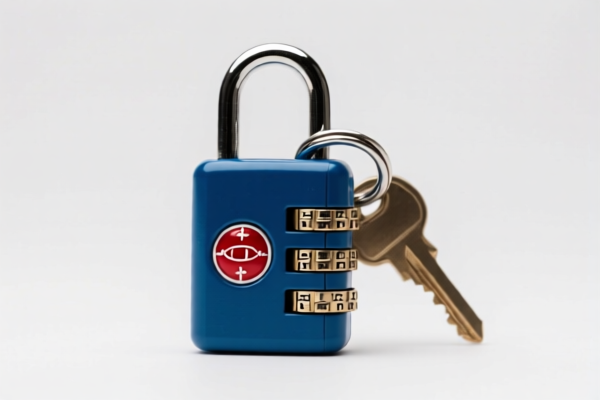
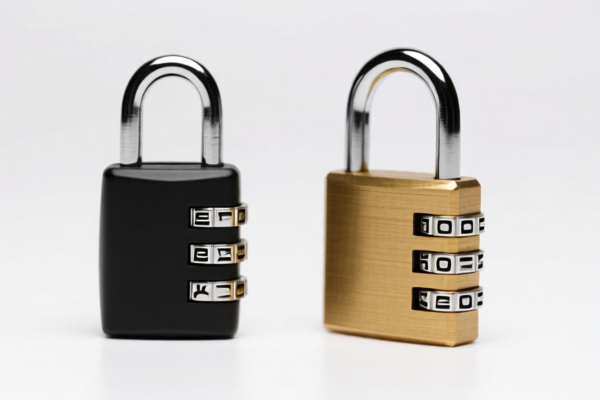
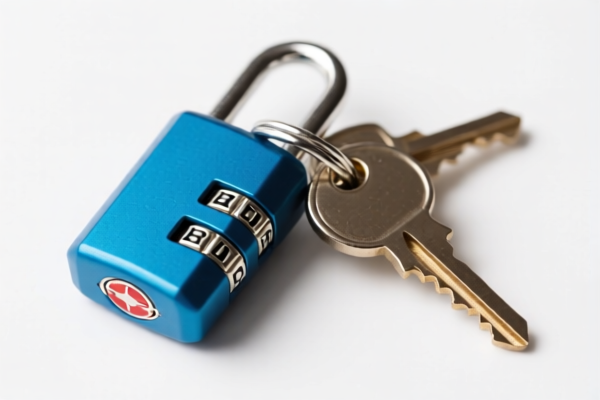

AI Analysis
🔐 Cage Key Lock Bag (Storage & Security Bags)
🌐 HS Code Reference & Customs Clearance Guide | 2026 Latest Tariff Analysis | Professional Clearance Strategy
📌 I. Product Definition & Classification: What is a "Cage Key Lock Bag"?
A Cage Key Lock Bag typically refers to a durable storage pouch, tote, or container designed for securing items within a caged environment (e.g., prison facilities, secure transport, industrial locker systems). These bags often feature reinforced zippers, key-lockable compartments, or mesh/ventilated structures to prevent contraband while allowing visibility.
In international trade, classification depends heavily on two factors: 1. Material: Is it made of textile fabric (e.g., canvas, nylon) or plastic/polymers? 2. Structure: Is it a finished "bag" or a specific "plastic article"?
⚠️ Key Distinction Point:
- If the product is primarily textile-based (cloth, woven fabric) and fits the general definition of a "bag" → Likely falls under Chapter 63.
- If the product is primarily plastic-based (PVC, PE, polymer sheets) → Likely falls under Chapter 39.
- If the product is mistakenly identified as a wooden cage/enclosure (due to the word "Cage") → It falls under Chapter 44 (but this is rare for a "bag").
📦 II. HS Code Classification Details (2026 Latest Tariff Authority对照)
Based on the provided data, here are the potential HS Codes and their logical justifications:
| HS Code | Product Description | Material Inference | Usage/Feature | Reason for Classification |
|--------|--------------------------|--------------------|--------------------------------------------|
| 6307.90.98.75 | Other made-up articles (Textile Bag) | Textile/Synthetic Fiber | Finished bag for storage/security | Fits "Other made-up articles" for textiles. Specifically identified as a "bag" made of fabric. |
| 6307.90.98.91 | Other made-up articles (Textile Bag) | Textile/Synthetic Fiber | Finished bag (General) | A fallback "other" category for textile bags that don't fit more specific subheadings. Also implies a "bag" form factor. |
| 3926.90.16.00 | Other plastic articles | Plastic/Polymer | Blocking/Restricting function | Classified as a plastic article used for specific functional purposes (e.g., locking mechanism housing, restrictive storage). |
| 3926.90.33.00 | Other plastic articles (Bag) | Plastic/Synthetic Material | Handbag/Storage Bag | Fits "Other plastic articles" specifically identified as a bag for carrying or storing items. |
| 4421.99.98.70 | Other wooden articles | Wood | Animal/Pet Cage or Enclosure | ⚠️ Note: This classification assumes the item is a wooden cage/structure rather than a bag. It is listed for completeness but is likely incorrect if the product is a soft-sided bag. |
🔍 Critical Analysis:
- The term "Cage Key Lock Bag" is ambiguous. Customs will look at the primary material.
- If it is a soft bag with a lock, it is almost certainly 6307 (Textile) or 3926 (Plastic).
- The inclusion of4421.99.98.70suggests a potential misclassification risk if the item is described as a "Cage" but is actually a bag. Do not use this HS Code for a soft bag.
💰 III. 2026 Latest Tariff Rate Breakdown (Including Surtaxes)
✅ Applicable Country: United States (US)
✅ Origin: China (CN)
✅ Effective Time: Post-2025 (Includes Section 301 & IEEPA surcharges)
🎯 1. Textile Bags (6307.90.98.75 & 6307.90.98.91)
| Item | Content |
|---|---|
| Base Tariff | 7.0% (Ad valorem) |
| Section 301 Surtax | 7.5% |
| IEEPA Surtax (Section 122) | 10.0% |
| Total Tariff Rate | 24.5% |
| Tax Calculation | CIF Value × 24.5% |
| De Minimis Eligible? | ❌ NO (Deny de minimis for Section 301/IEEPA goods) |
| Legal Basis Path | IEEPA:9903.01.25 → USITC:6307.90.98.75 → FOOTNOTE:301 |
📌 Explanation:
- Textile bags from China face a combined tariff of 24.5%.
- This includes the standard 7% base rate plus significant trade war surcharges (7.5% + 10%).
- High Cost Alert: This is a moderate-to-high tariff for simple goods.
🎯 2. Plastic Bags (3926.90.33.00)
| Item | Content |
|---|---|
| Base Tariff | 6.5% (Ad valorem) |
| Section 301 Surtax | 0.0% (No 301 tax for this specific subheading in some contexts, but verify) |
| IEEPA Surtax (Section 122) | 10.0% |
| Total Tariff Rate | 16.5% |
| Tax Calculation | CIF Value × 16.5% |
| De Minimis Eligible? | ❌ NO (IEEPA surcharge often blocks de minimis) |
| Legal Basis Path | IEEPA:9903.01.24 → USITC:3926.90.33.00 |
📌 Note:
- Plastic bags (3926.90.33.00) benefit from a lower base rate and no Section 301 tax (based on provided data), resulting in a 16.5% total rate.
- Significant Savings: ~8% lower than textile bags.
🎯 3. Restricted Plastic Article (3926.90.16.00)
| Item | Content |
|---|---|
| Base Tariff | 3.1% |
| Section 301 Surtax | 7.5% |
| IEEPA Surtax (Section 122) | 10.0% |
| Total Tariff Rate | 20.6% |
| Tax Calculation | CIF Value × 20.6% |
| De Minimis Eligible? | ❌ NO |
📌 Note:
- If the bag is classified under this specific functional subheading, the rate is 20.6%.
- Higher than3926.90.33.00due to the 301 surtax.
🎯 4. Wooden Cage/Structure (4421.99.98.70)
| Item | Content |
|---|---|
| Base Tariff | 3.3% |
| Section 301 Surtax | 25.0% (High Surtax) |
| IEEPA Surtax (Section 122) | 10.0% |
| Total Tariff Rate | 38.3% |
| Tax Calculation | CIF Value × 38.3% |
| De Minimis Eligible? | ❌ NO |
📌 Warning:
- Highest Tariff (38.3%).
- This classification assumes the product is a wooden cage, not a bag. If you import a soft bag but declare it as a wooden cage, you risk misclassification penalties. Do not use this HS Code for a bag.
🛠️ IV. Customs Clearance Practical Advice (Real-World Pitfall Guide)
✅ 1. Preparation Checklist (Non-Negotiable)
| Document | Required | Description |
|---|---|---|
| ✅ Product Photos | ✔️ | Show the material clearly (textile weave vs. plastic surface). Show the lock mechanism. |
| ✅ Material Composition Statement | ✔️ | Explicitly state: "100% Nylon" or "PVC Plastic". This is the #1 factor for HS Code selection. |
| ✅ Functional Description | ✔️ | Explain the "Lock" feature. Is it a physical key lock? A zipper with a lock? |
| ✅ Commercial Invoice | ✔️ | Must match the HS Code. If HS is 6307, invoice must say "Textile Bag". |
| ✅ Origin Certificate | ✔️ | To prove CN origin and apply surcharges correctly. |
✅ 2. Classification Strategy (Key Mantra)
🔥 "Material First, Lock Second! Don't Call a Bag a Cage!"
| Scenario | Correct HS Code | Wrong HS Code | Consequence |
|---|---|---|---|
| Soft Bag (Nylon/Cotton) with Key Lock | 6307.90.98.75 (24.5%) or 6307.90.98.91 (24.5%) |
4421... (38.3%) |
Overpayment + Risk of Penalty if "Cage" is used in name. |
| Soft Bag (PVC/Vinyl) with Key Lock | 3926.90.33.00 (16.5%) |
6307... (24.5%) |
Overpayment by ~8% |
| Rigid Plastic Container (Not a bag) | 3926.90.16.00 (20.6%) |
3926.90.33.00 |
Potential misclassification if "bag" features are absent. |
| Wooden Enclosure | 4421.99.98.70 (38.3%) |
Any "Bag" Code | Severe Misclassification if product is actually a bag. |
✅ 3. Special Handling Tips
| Situation | Recommendation |
|---|---|
| "Cage" in Name | Remove "Cage" from the official customs description if it is a soft bag. Use "Lockable Storage Bag" or "Security Tote". |
| Mixed Materials | If the bag has a plastic lock but textile body, it generally follows the primary material (Textile → 6307). |
| De Minimis (Section 321) | Avoid! Due to IEEPA and Section 301 surcharges, these items are NOT eligible for the $800 de minimis exemption. They must be formally entered. |
| Pre-Ruling | Highly recommended to file an Advance Ruling with US CBP if the material composition is ambiguous (e.g., coated fabric). |
🌍 V. Global Market Comparison (2026)
| Country/Region | Recommended HS Code | Tariff (China Origin) | Certification | Notes |
|---|---|---|---|---|
| 🇺🇸 USA | 6307.90.98.75 or 3926.90.33.00 |
16.5% - 24.5% | No specific certs needed | High surcharges make clearance costly. |
| 🇨🇳 China | 6307.90.98.75 |
~7% | No special certs | Lower tax burden for domestic sale. |
| 🇪🇺 EU | 6307.90.98 |
~12% (CE/REACH) | CE/REACH | No Section 301 equivalent. |
| 🇬🇧 UK | 6307.90.98 |
~12% | UKCA | Post-Brexit rules apply. |
📌 Conclusion:
- The USA is the most expensive market due to IEEPA + Section 301 surcharges.
- Plastic bags (3926.90.33.00) are the most cost-effective option for US import (16.5% vs 24.5%).
- Textile bags are the most common but carry higher tariffs.
📌 VI. Common Errors & Pitfalls (Lessons Learned)
❌ Error 1: Using "Cage" in the product name for a soft bag
👉 Result: Customs may misclassify as 4421 (Wooden Cage) → 38.3% Tariff!
✅ Fix: Use "Lockable Bag", "Security Pouch", "Storage Tote".
❌ Error 2: Ignoring Material Composition
👉 Result: Declaring a PVC bag as Textile → 24.5% Tariff instead of 16.5%.
✅ Fix: Always specify material (e.g., "100% PVC", "Nylon 600D").
❌ Error 3: Assuming De Minimis Applies
👉 Result: Package held at border, fines applied.
✅ Fix: All items subject to IEEPA/Section 301 are excluded from de minimis.
🎯 VII. Conclusion: Professional Declaration, Cost Savings!
🎯 Remember the Mantra:
🔹 "Material is King: Textile (24.5%) vs Plastic (16.5%)."
🔹 "Drop the 'Cage': Use 'Bag' or 'Tote' to avoid Wooden Classification (38.3%)."
🔹 "No De Minimis: Plan for Formal Entry and Surcharges."
📌 Pro Tip:
If you are importing large volumes, consider:
1. Switching to Plastic Material (3926.90.33.00) to save ~8% in duties.
2. Applying for an HS Code Advance Ruling to lock in the correct classification.
3. Ensuring your commercial invoice explicitly states "Bag", not "Cage".
📣 Immediate Action:
📞 Consult your customs broker with product photos and material specs.
🚀 Optimize your HS Code to3926.90.33.00if possible for maximum savings!
✨ Professional Clearance Starts with Precise Classification!
💼 Every Percent Counts in Global Trade!
Customer Reviews
About HS Code Classification
The Harmonized System (HS) is an internationally standardized nomenclature developed by the World Customs Organization (WCO) to classify traded products. Over 200 countries use the HS system as the basis for customs tariffs, trade statistics, and import/export regulations.
Each HS code follows a hierarchical structure:
- Chapter (2 digits) — Broad category of goods (e.g., Chapter 84: Machinery and Mechanical Appliances)
- Heading (4 digits) — More specific grouping within the chapter
- Subheading (6 digits) — Internationally standardized breakdown, used by all WCO member countries
- National subdivisions (8-10 digits) — Country-specific extensions for further classification, such as US HTSUS 10-digit codes
Correct HS code classification is essential for smooth customs clearance, accurate duty payment, and compliance with trade regulations. Misclassification can lead to customs delays, overpayment of duties, or penalties.
When importing from CN to US, the applicable tariff rates may include:
- Most-Favored-Nation (MFN) rate — The standard duty rate applied to WTO members
- General rate — Applied to countries without trade agreements
- Trade remedy duties — Additional tariffs such as Section 301 (anti-dumping), Section 232 (national security), or countervailing duties
The information provided on this page is for reference purposes only. For official classification, please consult with your local customs authority or a licensed customs broker.