Cage Key Locking Bag
CN → US| HS Code | Tariff Rate | Origin | Destination | Doc |
|---|---|---|---|---|
| 6307904020 | 17.5% | CN | US | Official Doc |
| 4202399000 | 55.0% | CN | US | Official Doc |
| 3926909989 | 22.8% | CN | US | Official Doc |
| 4202328000 | 40.7% | CN | US | Official Doc |
Product Images
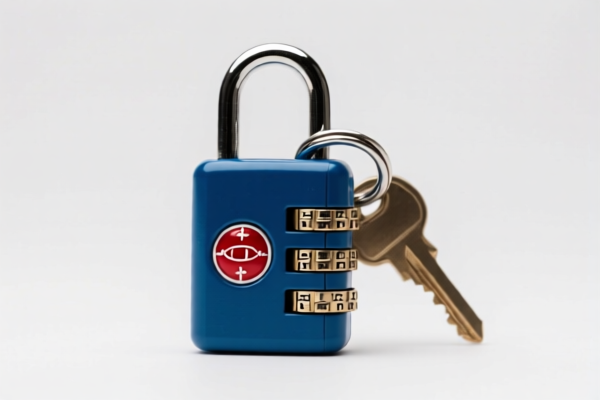
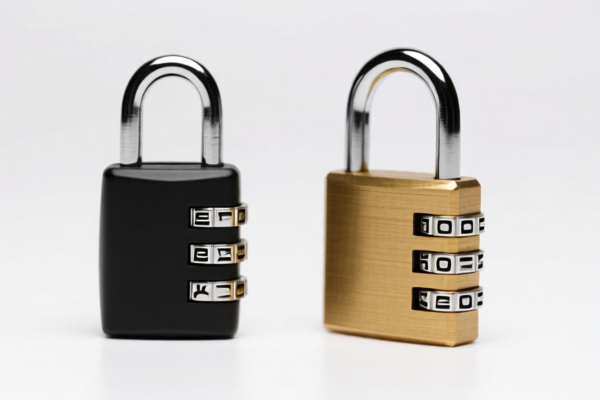
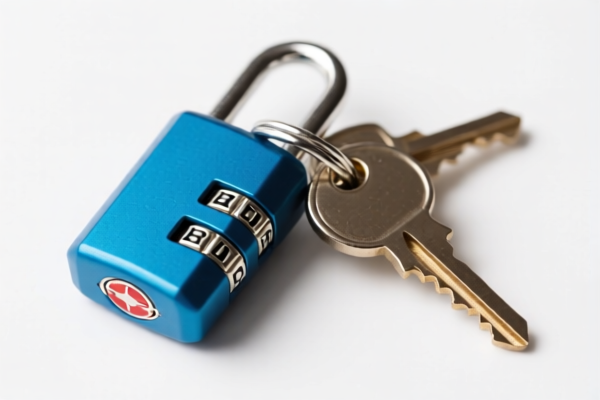

AI Analysis
🔒 Cage Key Locking Bag: The Ultimate HS Code Guide & Clearance Strategy
🌐 HS Code Reference & Clearance Guide | 2026 Updated Tariff Analysis | Professional Compliance Strategy
📌 1. Product Definition: What Exactly is a "Cage Key Locking Bag"?
A Cage Key Locking Bag is typically a small pouch, organizer, or container designed to secure keys, access cards, or small valuables. In international trade, these items are often used in industrial, retail, or security settings.
However, the HS Code classification is highly sensitive to material and perceived function. Without specific material details, customs officers may interpret the product differently, leading to significant tariff discrepancies. Based on common market knowledge, we analyze the four most likely classifications found in the data.
⚠️ Critical Distinction:
- If the bag is made of Plastic (e.g., PVC, PP) → It falls under Chapter 39.
- If the bag is made of Fabric/Textile or Leather → It falls under Chapter 42.
- If the bag is a General Accessory with unclear material → It may fall under Chapter 63.
📦 2. HS Code Classification Details (2026 Latest Tariff对照)
| HS Code | Product Description | Material Assumption | Key Characteristics |
|---|---|---|---|
6307.90.40.20 |
Other Made-Up Articles (General Accessory) | Unknown/Mixed | Classified as a general "made-up" item. No specific material conflict noted. |
4202.39.90.00 |
Other Articles of Tableware, Toilet Goods, or Similar Containers (Non-Textile/Non-Leather Specific) | Textile or Leather | Fits the "bag/container" shape. Assumed to be textile or leather-based. |
3926.90.99.89 |
Other Articles of Plastic | Plastic (PVC, PP) | Matches the common plastic material for key bags. Classified as a plastic article. |
4202.32.80.00 |
Articles of Tableware, Toilet Goods, or Similar Containers (Textile Material) | Textile | Specifically for textile-based pouches/bags. Matches the "pouch" form factor. |
🔍 重点提醒 (Key Takeaway):
- Material is King: The biggest risk is misdeclaring the material.
-3926is for Plastic;4202is for Textile/Leather.
-6307is a catch-all for other made-up articles, often used when material is ambiguous but the item is clearly a finished good.
💰 3. 2026 Latest Tariff Rate Breakdown (Including Surcharges & Policy Additions)
✅ Applicable Country: United States (US)
✅ Origin: China (CN)
✅ Effective Date: Post-November 2025 (Includes subsequent imports)
🎯 1. 6307.90.40.20 —— Other Made-Up Articles
| Item | Content |
|---|---|
| Base Rate | 0.0% (ad valorem) |
| USITC Surcharge | +7.5% (Section 301 Additional Duty) |
| IEEPA Surcharge | +10% (China-specific HEEPA Duty) |
| Total Rate | 17.5% |
| Tax Calculation | CIF Value × 17.5% |
| De Minimis Eligibility | ❌ Not Eligible (deny_de_minimis) |
| Legal Path | IEEPA:9903.01.25 → IEEPA:9903.01.24 → USITC:6307.90.40.20 → FOOTNOTE:9903.88.01 |
📌 Explanation:
- While the base tariff is 0%, the 17.5% total burden is due to the 7.5% Section 301 + 10% IEEPA surcharges.
- This is a low-risk, low-cost classification if the material is genuinely ambiguous or mixed, but it carries a risk of being challenged if material is clearly plastic or textile.
🎯 2. 4202.39.90.00 —— Other Container Articles (Non-Specific Material)
| Item | Content |
|---|---|
| Base Rate | 20.0% |
| USITC Surcharge | +25.0% (Section 301 Additional Duty) |
| IEEPA Surcharge | +10% (China-specific IEEPA Duty) |
| Total Rate | 55.0% |
| Tax Calculation | CIF Value × 55.0% |
| De Minimis Eligibility | ❌ Not Eligible |
| Legal Path | IEEPA:9901.25 → IEEPA:9903.01.24 → USITC:4202.39.90.00 → FOOTNOTE:9903.88.01 |
📌 Warning:
- This is a high-cost classification.
- The 55% total rate makes it economically unviable for low-value items unless the margin is high.
- This applies if the bag is considered a "container" under Chapter 42 but doesn't fit specific textile/leather subheadings perfectly.
🎯 3. 3926.90.99.89 —— Other Plastic Articles
| Item | Content |
|---|---|
| Base Rate | 5.3% |
| USITC Surcharge | +7.5% (Section 301 Additional Duty) |
| IEEPA Surcharge | +10% (China-specific IEEPA Duty) |
| Total Rate | 22.8% |
| Tax Calculation | CIF Value × 22.8% |
| De Minimis Eligibility | ❌ Not Eligible |
| Legal Path | IEEPA:9903.01.25 → IEEPA:9903.01.24 → USITC:3926.90.99.89 → FOOTNOTE:9903.88.01 |
📌 Analysis:
- If the bag is Plastic (e.g., PVC key pouch), this is the most accurate and cost-effective classification.
- 22.8% is significantly lower than4202(55%) and slightly higher than6307(17.5%), but it is legally defensible if the material is plastic.
🎯 4. 4202.32.80.00 —— Textile Articles of Tableware/Container
| Item | Content |
|---|---|
| Base Rate | 5.7% |
| USITC Surcharge | +25.0% (Section 301 Additional Duty) |
| IEEPA Surcharge | +10% (China-specific IEEPA Duty) |
| Total Rate | 40.7% |
| Tax Calculation | CIF Value × 40.7% |
| De Minimis Eligibility | ❌ Not Eligible |
| Legal Path | IEEPA:9901.25 → IEEPA:9903.01.24 → USITC:4202.32.80.00 → FOOTNOTE:9903.88.01 |
📌 Note:
- If the bag is made of Textile (fabric, nylon, canvas), this code applies.
- 40.7% is a moderate-to-high rate. It is cheaper than4202.39(55%) but still significant.
🛠️ 4. Clearance Practical Advice (Real-World Pitfall Avoidance)
✅ 1. Required Documentation Checklist (Non-Negotiable)
| Document | Must Provide | Explanation |
|---|---|---|
| ✅ Product Specifications | ✔️ | Detail dimensions, lock mechanism type, and primary material (Plastic vs. Textile). |
| ✅ Material Composition Report | ✔️ | Crucial! Must state % of Plastic vs. Fabric. This determines Chapter 39 vs. 42. |
| ✅ Product Photos (Clear) | ✔️ | Show the bag, the key lock, and the material texture. |
| ✅ Commercial Invoice | ✔️ | Clearly describe as "Plastic Key Pouch" or "Textile Key Bag" — DO NOT just say "Bag." |
| ✅ Packing List | ✔️ | Ensure quantities match invoice. |
✅ 2. Declaration Tips (Key Mnemonic)
🔥 “Material Dictates Chapter, Lock Doesn’t Matter!”
| Scenario | Correct Declaration | Wrong Practice |
|---|---|---|
| Bag is Plastic (PVC/PP) | 3926.90.99.89 |
Declaring as 6307 (Underpaying, high audit risk) |
| Bag is Textile | 4202.32.80.00 |
Declaring as 3926 (Overpaying, wrong code) |
| Material Unclear | 6307.90.40.20 |
Guessing Chapter 42 → 55% Tax |
| Key Lock Feature | Ignore for HS Code | Focusing on the "Lock" mechanism → Incorrectly heading to Chapter 83 |
📌 Note: The "locking" feature does not change the HS Code to Chapter 83 (Locks). It remains a container (Chapter 39, 42, or 63).
✅ 3. Special Case Handling
| Situation | Handling Advice |
|---|---|
| Mixed Material (e.g., Plastic body, Fabric lining) | Declare based on principal material. If plastic >50%, use 3926. |
| OEM Custom Bags | Provide design specs to prove material composition. |
| Low-Value Items (<$800) | Do not rely on De Minimis. All listed codes have deny_de_minimis. You must pay duties. |
| High-Value Security Bags | Ensure description emphasizes "Security Container" to justify Chapter 42 if applicable. |
🌍 5. Global Market Clearance Comparison (2026 Latest)
| Country/Region | Recommended HS Code | Tariff | Certification | Note |
|---|---|---|---|---|
| 🇺🇸 USA | 3926.90.99.89 (Plastic) |
22.8% | N/A | Most Common for Key Bags |
| 🇺🇸 USA | 4202.32.80.00 (Textile) |
40.7% | N/A | Higher tax, avoid if plastic |
| 🇺🇸 USA | 6307.90.40.20 (General) |
17.5% | N/A | Only if material is truly ambiguous |
| 🇨🇳 China | 3926.90.99.89 |
5-7% | N/A | No Section 301/IEEPA |
| 🇪🇺 EU | 3926.90.99 |
4-6% | CE (if plastic) | No additional surcharges |
| 🇦🇺 Australia | 3926.90.99 |
5% | N/A | No surcharges |
📌 Conclusion:
- USA has the highest compliance cost due to Section 301 and IEEPA.
- Plastic (3926) is the most balanced option for cost and accuracy if the bag is plastic.
- Textile (4202) is expensive (40-55%).
- General (6307) is cheapest (17.5%) but risky if material is clearly defined.
📌 6. Common Errors & Pitfalls (Lessons Learned)
❌ Error 1: Using "Locking" as the primary descriptor
👉 Consequence: Customs may misclassify under Chapter 83 (Locks) → Different Tariff + Delay.
✅ Fix: Describe as "Pouch/Bag" first, "Locking" as a feature.
❌ Error 2: Misdeclaring Plastic as "General Textile"
👉 Consequence: Audit failure, back taxes + penalties.
✅ Fix: Provide material test reports.
❌ Error 3: Assuming De Minimis ($800) applies
👉 Consequence: Shipment held because all these codes are deny_de_minimis.
✅ Fix: Always calculate duty for shipments under $800.
❌ Error 4: Vague Description ("Bag")
👉 Consequence: Customs officer guesses → Highest possible rate (55%).
✅ Fix: Use specific terms: "Plastic Key Pouch" or "Nylon Key Holder".
🎯 7. Conclusion: Precise Declaration Saves Money
🎯 Remember the Mantra:
🔹 "Plastic = 3926 (22.8%),
🔹 "Textile = 4202 (40.7%-55%),
🔹 "Unclear = 6307 (17.5%),
🔹 "No De Minimis for Any!"
📌 Pro Tip:
If your product is Plastic, insist on 3926.90.99.89. It is the most accurate for most key bags and avoids the 55% trap.
If your product is Textile, accept the 40.7% rate for 4202.32.80.00.
📣 Immediate Action:
📞 Contact your freight forwarder with material specifications.
📄 Request an Advance Ruling if shipping large volumes.
🚀 Accurate Classification = Lower Duty + Faster Clearance!
✨ Professional Clearance Starts with Accurate Classification!
💼 Every Cent Saved is Pure Profit!
Customer Reviews
About HS Code Classification
The Harmonized System (HS) is an internationally standardized nomenclature developed by the World Customs Organization (WCO) to classify traded products. Over 200 countries use the HS system as the basis for customs tariffs, trade statistics, and import/export regulations.
Each HS code follows a hierarchical structure:
- Chapter (2 digits) — Broad category of goods (e.g., Chapter 84: Machinery and Mechanical Appliances)
- Heading (4 digits) — More specific grouping within the chapter
- Subheading (6 digits) — Internationally standardized breakdown, used by all WCO member countries
- National subdivisions (8-10 digits) — Country-specific extensions for further classification, such as US HTSUS 10-digit codes
Correct HS code classification is essential for smooth customs clearance, accurate duty payment, and compliance with trade regulations. Misclassification can lead to customs delays, overpayment of duties, or penalties.
When importing from CN to US, the applicable tariff rates may include:
- Most-Favored-Nation (MFN) rate — The standard duty rate applied to WTO members
- General rate — Applied to countries without trade agreements
- Trade remedy duties — Additional tariffs such as Section 301 (anti-dumping), Section 232 (national security), or countervailing duties
The information provided on this page is for reference purposes only. For official classification, please consult with your local customs authority or a licensed customs broker.