Cake Cups
CN → US| HS Code | Tariff Rate | Origin | Destination | Doc |
|---|---|---|---|---|
| 4823690020 | 35.0% | CN | US | Official Doc |
| 4819504060 | 35.0% | CN | US | Official Doc |
| 4823610020 | 35.0% | CN | US | Official Doc |
| 4819502000 | 35.0% | CN | US | Official Doc |
| 1905901050 | 35.0% | CN | US | Official Doc |
Product Images
AI Analysis
🧁 Cake Cups (Paper Cake Liners & Molds)
🌐 HS Code Reference & Customs Clearance Guide | 2026 Latest Tariff Analysis | Professional Entry Strategy
📌 1. Product Definition & Classification: Do You Really Understand “Cake Cups”?
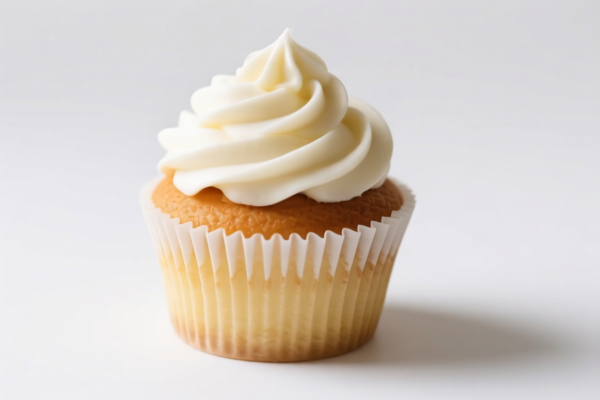
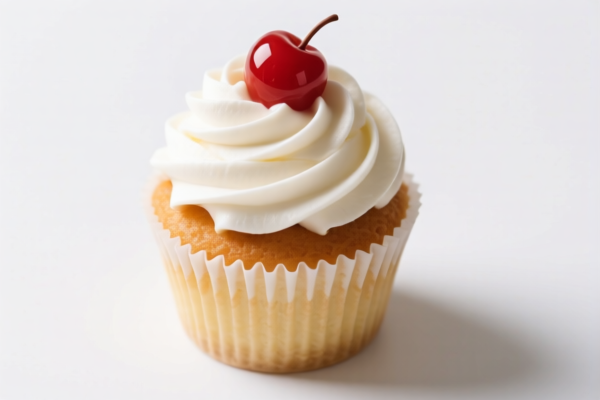
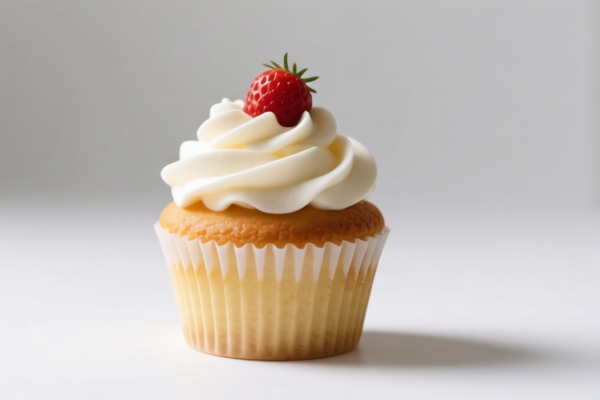
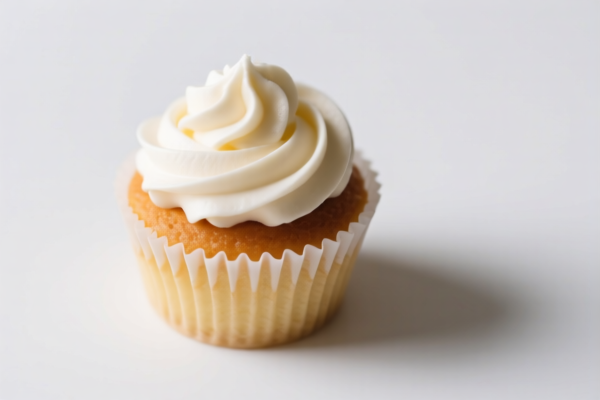
Cake cups, commonly known as paper cake liners or muffin cups, are single-use packaging containers primarily used for baking individual portions of cakes, muffins, or cupcakes. In international trade, their classification depends heavily on whether they are treated as packaging materials or food contact vessels.
- Paper-based Packaging (Classified as Packaging Materials): If the primary function is viewed as a container holding the product (even during baking), they often fall under "Other paper packaging containers."
- Food Containers (Classified as Articles of Paper): If classified specifically as cups or molds for food service, they may fall under "Other articles of paper pulp, paper, cellulose wadding or webs of cellulose fibers."
- The Baked Product (Classified as Food): Note that
1905.90.10.50refers to the actual baked cake/cake ball, not the empty paper cup. This is a critical distinction for clearance.
⚠️ Key Distinction:
- If declaring empty paper cups:归入 4823 or 4819 series.
- If declaring baked goods inside: 归入 1905 series.
- All items below are subject to heavy US tariffs due to US-China trade policies.
📦 2. HS Code Classification Details (2026 Latest Tariff Authority Comparison)
| HS Code | Product Description | Application Scenario | Tax Category |
|---|---|---|---|
4823.69.00.20 |
Paper cake cups; Material: Paper; Form/Use: Cups and food containers | Standard baking liners, unbleached/bleached paper | ✅ Taxable |
4819.50.40.60 |
Paper cake cups; Material: Paper; Form: Packaging container; Category: Other packaging containers | General paper packaging classification | ✅ Taxable |
4823.61.00.20 |
Paper cake cups; Material: Paper; Form: Cups and food containers; Meets usage requirements | Specific paper cup classification for food use | ✅ Taxable |
4819.50.20.00 |
Paper cake cups; Material: Paper; Form: Cup/Container; Use: For cakes | Specific packaging for cake products | ✅ Taxable |
1905.90.10.50 |
Cake balls; Belonging to pastry, cake, and similar sweet baked goods | Baked cake products inside liners (NOT the cup itself) | ✅ Taxable |
🔍 Important Reminder:
- Empty Paper Cups must NOT be declared as "Baked Goods" (1905). They are paper products (48xx).
- Baked Cakes must be declared as1905. Declaring baked goods as paper packaging can lead to severe penalties for misclassification (food safety vs. industrial goods).
- All listed HS codes above incur the same total tax rate due to current trade sanctions.
💰 3. 2026 Latest Tariff Rate Details (Including Surtaxes, Policy Add-ons)
✅ Applicable Country: United States (US)
✅ Origin: China (CN)
✅ Effective Date: November 10, 2025 (and subsequent imports)
🎯 1. 4823.69.00.20 —— Paper Cake Cups (Cups & Food Containers)
| Item | Content |
|---|---|
| Base Tariff | 0.0% (ad valorem) |
| Section 301 Surtax | +25.0% (Added tariff for Chinese goods) |
| Section 122 Tariff | +10.0% (Additional levy under specific trade provisions) |
| Total Tax Rate | 35.0% |
| Tax Calculation | CIF Value × 35% |
| De Minimis Exemption | ❌ Not Available (deny_de_minimis) |
| Legal Basis Path | Section 122: 10% + Section 301: 25% → HS Code: 4823.69.00.20 |
📌 Explanation:
- The 25% comes from the US Trade Act Section 301 investigations targeting Chinese manufacturing.
- The 10% is a specific Section 122 tariff applicable to certain imported goods.
- Combined 35%, which significantly impacts profit margins for low-value items like paper cups.
🎯 2. 4819.50.40.60 —— Paper Cake Cups (Other Packaging Containers)
| Item | Content |
|---|---|
| Base Tariff | 0.0% |
| Section 301 Surtax | +25.0% |
| Section 122 Tariff | +10.0% |
| Total Tax Rate | 35.0% |
| Tax Calculation | CIF × 35% |
| De Minimis Exemption | ❌ Not Available |
| Legal Basis Path | Section 122: 10% + Section 301: 25% → HS Code: 4819.50.40.60 |
📌 Note:
- Same tax structure as above. Classification as "packaging" does not exempt it from trade wars tariffs.
🎯 3. 4823.61.00.20 —— Paper Cake Cups (Specific Paper Cups)
| Item | Content |
|---|---|
| Base Tariff | 0.0% |
| Section 301 Surtax | +25.0% |
| Section 122 Tariff | +10.0% |
| Total Tax Rate | 35.0% |
| Tax Calculation | CIF × 35% |
| De Minimis Exemption | ❌ Not Available |
| Legal Basis Path | Section 122: 10% + Section 301: 25% → HS Code: 4823.61.00.20 |
📌 Note:
- Even if classified more specifically under "paper cups," the origin-based surtaxes remain unchanged.
🎯 4. 4819.50.20.00 —— Paper Cake Cups (Cup/Container for Cakes)
| Item | Content |
|---|---|
| Base Tariff | 0.0% |
| Section 301 Surtax | +25.0% |
| Section 122 Tariff | +10.0% |
| Total Tax Rate | 35.0% |
| Tax Calculation | CIF × 35% |
| De Minimis Exemption | ❌ Not Available |
| Legal Basis Path | Section 122: 10% + Section 301: 25% → HS Code: 4819.50.20.00 |
🎯 5. 1905.90.10.50 —— Cake Balls (Baked Goods)
| Item | Content |
|---|---|
| Base Tariff | 0.0% |
| Section 301 Surtax | +25.0% |
| Section 122 Tariff | +10.0% |
| Total Tax Rate | 35.0% |
| Tax Calculation | CIF × 35% |
| De Minimis Exemption | ❌ Not Available |
| Legal Basis Path | Section 122: 10% + Section 301: 25% → HS Code: 1905.90.10.50 |
📌 Critical Warning:
- This code is for FOOD (the baked cake).
- Food imports are also subject to FDA regulations in addition to tariffs.
- Misdeclaring paper cups as baked goods (or vice versa) violates both tariff codes and food safety laws.
🛠️ 4. Customs Clearance Practical Advice (Battle-Tested Pitfall Avoidance)
✅ 1. Preparation Checklist (Non-negotiable)
| Document | Mandatory? | Description |
|---|---|---|
| ✅ Product Specification | ✔️ | Material (paper type, food-grade coating), dimensions, quantity per box. |
| ✅ Product Photos | ✔️ | Clear images of the cup, showing texture and any food-safe labeling. |
| ✅ Commercial Invoice | ✔️ | Must clearly state "Paper Cake Cups" OR "Baked Cake Products," not generic "Goods." |
| ✅ Packing List | ✔️ | Detail net/gross weight, number of pieces. |
| ✅ FDA Registration | ✔️ | Required for 1905 (Food). Paper cups (48xx) may require FDA facility registration if intended for direct food contact. |
| ✅ Origin Certificate | ✔️ | Essential for proving CN origin to apply (or argue against) specific surtaxes. |
✅ 2. Declaration Tips (Key Mnemonics)
🔥 "Packaging is Paper, Food is Baked. Never Mix Codes, Don't Get Shaken!"
| Scenario | Correct Declaration | Wrong Action |
|---|---|---|
| Empty Paper Liners | 4823.69.00.20 or 4819.50.40.60 |
Declaring as "Food" → FDA Hold + Tariff Confusion |
| Baked Cupcakes in Liners | 1905.90.10.50 |
Declaring as "Paper" → Smuggling/Food Safety Violation |
| Mixed Shipment | Split Invoice: Line 1 (Paper), Line 2 (Baked) | Mixed HS Code → Rejection at Border |
✅ 3. Special Situations
| Situation | Handling Advice |
|---|---|
| Small Package (De Minimis) | ❌ Do not rely on Section 321 ($800 exemption). The data explicitly states deny_de_minimis for these codes. Tariffs apply regardless of value. |
| OEM/Custom Printing | Ensure the invoice describes the product by function, not just "custom print." |
| Food Contact Surface | For HS 48xx, provide a letter of guarantee that the paper is food-grade and complies with FDA 21 CFR standards. |
🌍 5. Global Market Clearance Comparison (2026 Latest)
| Country/Region | Recommended HS Code | Tariff Rate (CN Origin) | Certification | Notes |
|---|---|---|---|---|
| 🇺🇸 USA | 4823.69.00.20 / 1905.90.10.50 |
35% | FDA (for food/contacts) | Highest cost market due to Section 301 + 122. |
| 🇨🇳 China | 4823.69.00.20 |
~5-10% | None | No surtaxes for import into China. |
| 🇪🇺 EU | 4823.69 |
~4-6% | LFGB / Food Contact | No Section 301/122 equivalent. |
| 🇬🇧 UK | 4823.69 |
~4-6% | FSA Standards | Post-Brexit rules apply. |
📌 Conclusion:
- The USA is the most expensive market for Chinese-origin paper cups and baked goods due to the 35% combined tariff.
- Cost Calculation: For a $1,000 shipment, expect $350 in duties.
- Strategy: Consider sourcing from non-China origins (e.g., Vietnam, Mexico) if targeting the US market to avoid Section 301/122 tariffs.
📌 6. Common Mistakes & Pitfall Guide (Lessons Learned)
❌ Mistake 1: Declaring Empty Paper Cups as 1905 (Baked Goods)
👉 Consequence: FDA seizure, accusation of importing undeclared food, fines.
❌ Mistake 2: Declaring Baked Cakes as 4823 (Paper Packaging)
👉 Consequence: Food safety violation, destruction of goods, blacklisting.
❌ Mistake 3: Assuming Small Packages are Tax-Free
👉 Consequence: The data explicitly marks deny_de_minimis. Packages under $800 will still be assessed 35% tax.
❌ Mistake 4: Vague Description "Cake Accessories"
👉 Consequence: Customs officer assigns arbitrary HS Code, likely the highest duty rate.
✅ Correct Practice:
"Paper Baking Cups, Unbleached, Food-Grade, 1000 pcs/box, HS 4823.69.00.20"
OR
"Chocolate Cake Balls, Individually Wrapped, HS 1905.90.10.50"
🎯 7. Conclusion: Professional Declaration, Save Money, Stay Compliant!
🎯 Remember the Mantra:
🔹 "Paper is 48xx, Food is 1905. Never Mix. Never Skip."
🔹 "35% Total Tax in the US. Source Wisely, Declare Precisely."
📌 Pro Tip:
If you are importing Paper Cake Cups, consider if your supplier has facilities in Mexico or Canada. Goods from these countries may avoid the Section 301/122 tariffs (verify current USMCA rules).
For Baked Goods, cold chain logistics and FDA pre-notification are mandatory.
📣 Immediate Action:
📞 Hire a licensed customs broker.
📄 Request a Pre-Ruling from CBP for your specific product description.
🚀 Clear your goods smoothly, avoid the 35% shock, and protect your margins!
✨ Professional Clearance Starts with Precise Classification!
💼 Every dollar of duty is a dollar of profit. Calculate wisely!
Customer Reviews
About HS Code Classification
The Harmonized System (HS) is an internationally standardized nomenclature developed by the World Customs Organization (WCO) to classify traded products. Over 200 countries use the HS system as the basis for customs tariffs, trade statistics, and import/export regulations.
Each HS code follows a hierarchical structure:
- Chapter (2 digits) — Broad category of goods (e.g., Chapter 84: Machinery and Mechanical Appliances)
- Heading (4 digits) — More specific grouping within the chapter
- Subheading (6 digits) — Internationally standardized breakdown, used by all WCO member countries
- National subdivisions (8-10 digits) — Country-specific extensions for further classification, such as US HTSUS 10-digit codes
Correct HS code classification is essential for smooth customs clearance, accurate duty payment, and compliance with trade regulations. Misclassification can lead to customs delays, overpayment of duties, or penalties.
When importing from CN to US, the applicable tariff rates may include:
- Most-Favored-Nation (MFN) rate — The standard duty rate applied to WTO members
- General rate — Applied to countries without trade agreements
- Trade remedy duties — Additional tariffs such as Section 301 (anti-dumping), Section 232 (national security), or countervailing duties
The information provided on this page is for reference purposes only. For official classification, please consult with your local customs authority or a licensed customs broker.