Cake Edging
CN → US| HS Code | Tariff Rate | Origin | Destination | Doc |
|---|---|---|---|---|
| 7018905000 | 41.6% | CN | US | Official Doc |
| 7018105000 | 35.0% | CN | US | Official Doc |
| 3926400010 | 15.3% | CN | US | Official Doc |
| 3926400090 | 15.3% | CN | US | Official Doc |
Product Images
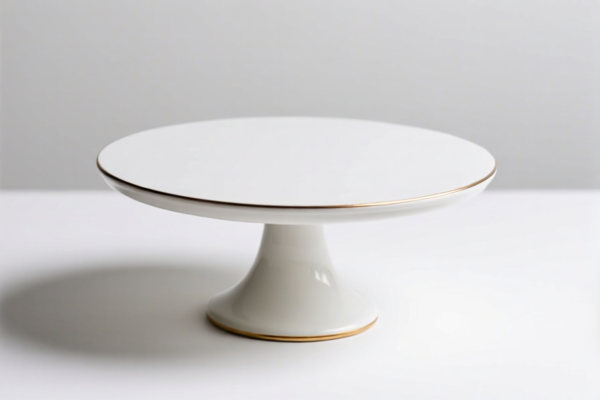

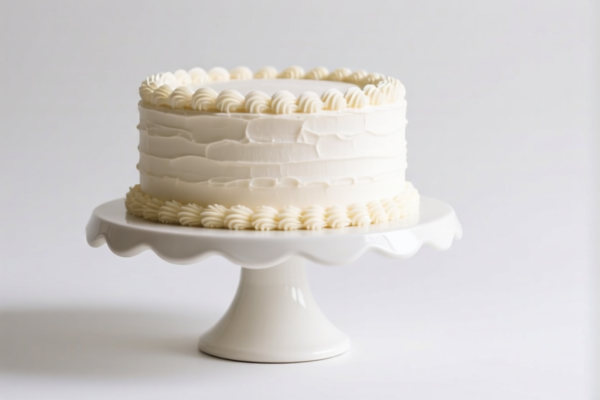
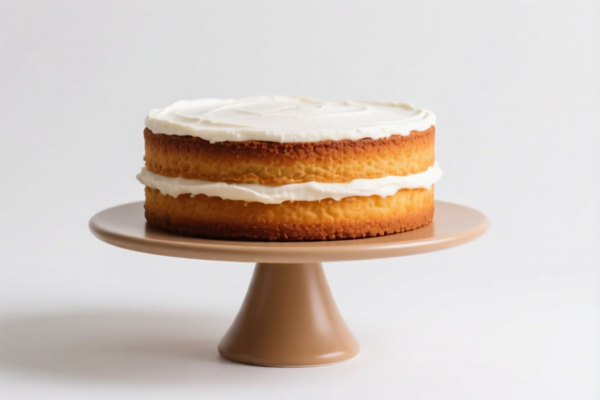
AI Analysis
🎂 Cake Edging (Decorative Edges & Borders)
🌐 HS Code Reference & Clearance Guide | 2026 Latest Tariff Analysis | Professional Customs Strategy
📌 I. Product Definition & Classification: What Exactly is "Cake Edging"?
"Cake Edging" refers to decorative elements applied to the perimeter or surface of cakes to enhance visual appeal. In international trade, these items are typically small, mass-produced decorative accessories. Depending on the material composition and function, they fall into distinct categories.
⚠️ Key Distinction Points:
- Glass/Ceramic Materials: Small glass beads, glass pearls, or glass decorative items → Classified under Chapter 70.
- Plastic/Polymer Materials: Plastic beads, plastic pearls, or similar decorative items → Classified under Chapter 39.
- Note: If the item is an edible substance (e.g., sugar paste, chocolate borders), it would fall under Chapter 17 or 18, but the provided DATA only covers non-edible decorative accessories (Glass & Plastic).
📦 II. HS Code Classification Details (2026 Latest Tariff Authoritative Comparison)
Based on the provided data, here are the four applicable HS Codes for Cake Edging products:
| HS Code | Product Description | Material | Applicability |
|---|---|---|---|
7018.90.50.00 |
Glass beads or small glass decorative articles | Glass | Non-edible glass decorations, pearls, or beads used for cake topping. |
7018.10.50.00 |
Glass beads, artificial pearls, etc. | Glass | Specific glass beads or pearls primarily used for decoration. |
3926.40.00.10 |
Decorative articles of plastics, similar to glass counterparts | Plastic | Plastic beads/pearls used as "fallback" category for decorative purposes. |
3926.40.00.90 |
Other articles of plastics or other materials, for decoration | Plastic | General plastic decorative items for cakes. |
🔍 Important Reminder:
- Glass vs. Plastic: The primary differentiator is the material. Glass items (Chapter 70) generally face higher tariffs (up to 41.6%) due to US trade policies.
- Plastic Items (Chapter 39): Benefit from lower base tariffs, though they are still subject to the "122 Clause" tariff.
- Edible vs. Non-Edible: Ensure the product is non-edible. If it is made of sugar, gum paste, or chocolate, these HS codes are incorrect and may lead to rejection by FDA/Customs.
💰 III. 2026 Latest Tariff Rate Details (Including Surcharges & Policy Add-ons)
✅ Applicable Country: United States (US)
✅ Origin: China (CN)
✅ Effective Time: 2025/2026 (Current Trade Policies)
🎯 1. 7018.90.50.00 – Glass Beads or Small Glass Decorative Articles
| Item | Content |
|---|---|
| Basic Tariff | 6.6% |
| Added Tariff (Section 301) | 25.0% |
| 122 Clause Tariff | 10.0% |
| Total Tariff Rate | 41.6% |
| Tax Calculation | CIF Value × 41.6% |
| De Minimis Exemption | ❌ Not Available (High risk of audit) |
| Legal Basis Path | Base Tariff → Section 301 → IEEPA/122 Clause |
📌 Explanation:
- The 25% Section 301 tariff applies to most Chinese-origin glass products.
- The 10% "122 Clause" tariff is an additional penalty/tariff applied to specific high-risk categories or under specific executive orders.
- Total 41.6% is very high. Importers must carefully consider if the profit margin can absorb this cost.
🎯 2. 7018.10.50.00 – Glass Beads, Artificial Pearls, etc.
| Item | Content |
|---|---|
| Basic Tariff | 0.0% |
| Added Tariff (Section 301) | 25.0% |
| 122 Clause Tariff | 10.0% |
| Total Tariff Rate | 35.0% |
| Tax Calculation | CIF Value × 35.0% |
| De Minimis Exemption | ❌ Not Available |
| Legal Basis Path | Base Tariff → Section 301 → IEEPA/122 Clause |
📌 Note:
- Although the basic tariff is 0%, the added tariffs bring the total to 35.0%.
- This code is specific to "glass beads" and "artificial pearls." If your product is a complex glass shape (not a bead/pearl),7018.90.50.00(41.6%) may be more accurate.
🎯 3. 3926.40.00.10 – Decorative Plastic Articles
| Item | Content |
|---|---|
| Basic Tariff | 5.3% |
| Added Tariff (Section 301) | 0.0% |
| 122 Clause Tariff | 10.0% |
| Total Tariff Rate | 15.3% |
| Tax Calculation | CIF Value × 15.3% |
| De Minimis Exemption | ⚠️ Check Carefully (Often available for low-value items, but high scrutiny on origin) |
| Legal Basis Path | Base Tariff → 122 Clause |
📌 Explanation:
- Significant Savings: Compared to glass products, plastic alternatives enjoy a much lower total tariff of 15.3%.
- No Section 301 Tariff: The 25% surcharge does not apply to this specific plastic subheading (or has been exempted/modified in current datasets).
- 122 Clause: Still applies at 10%, which is a new/additional burden.
🎯 4. 3926.40.00.90 – Other Decorative Articles of Plastic
| Item | Content |
|---|---|
| Basic Tariff | 5.3% |
| Added Tariff (Section 301) | 0.0% |
| 122 Clause Tariff | 10.0% |
| Total Tariff Rate | 15.3% |
| Tax Calculation | CIF Value × 15.3% |
| De Minimis Exemption | ⚠️ Check Carefully |
| Legal Basis Path | Base Tariff → 122 Clause |
📌 Note:
- This is a "catch-all" for plastic decorative items not specifically listed elsewhere.
- Tariff rate is identical to3926.40.00.10(15.3%).
- Use this if the product does not strictly fit the "bead/pearl" description of3926.40.00.10.
🛠️ IV. Clearance Practical Advice (Real-World Pitfall Avoidance)
✅ 1. Required Documentation List (Non-negotiable)
| Document | Must Provide | Description |
|---|---|---|
| ✅ Product Specification Sheet | ✔️ | Detailed material composition (e.g., "100% Plastic, Lead-free"). |
| ✅ Product Photos (High Resolution) | ✔️ | Clear images showing the item is a "decorative edge" and not an edible item. |
| ✅ Commercial Invoice | ✔️ | Must clearly state: "Plastic/Glass Cake Edging, Non-Edible Decorative Accessory." |
| ✅ Certificate of Origin (CO) | ✔️ | To prove origin (China) and apply correct tariff rates. |
| ✅ Packing List | ✔️ | List net/gross weights carefully. |
| ✅ FDA Registration (If applicable) | ⚠️ | Even if non-edible, if it's "food contact" or "decorative for food," FDA registration of the facility may be required. |
✅ 2. Declaration Tips (Key Mantras)
🔥 "Material Matters, Non-Edible Mark, Avoid Glass if Cost Sensitive!"
| Scenario | Correct Declaration | Wrong Practice |
|---|---|---|
| Plastic Cake Edges | Use 3926.40.00.10 or .90 → 15.3% |
Misdeclare as glass → 35-41% |
| Glass Pearls | Use 7018.10.50.00 → 35.0% |
Misdeclare as plastic → Customs Penalty |
| Mixed Materials | Declare primary decorative material | Vague description like "Cake Decor" → Delays/Inspection |
| Non-Edible Statement | Explicitly state "NON-EDIBLE" on invoice | Omitting this → FDA/Customs Hold |
✅ 3. Special Situation Handling
| Situation | Handling Advice |
|---|---|
| Mixed Shipment (Plastic & Glass) | Split the entry or declare accurately. Mixing may trigger higher scrutiny. |
| FDA "Food Contact" Concern | Even if non-edible, if it touches food, ensure it’s labeled "Non-Edible" and complies with FDA food contact substance guidelines. |
| De Minimis ($800) Shipment | For shipments < $800, check if 122 Clause tariffs apply to de minimis entries (often they do for China origin). |
| High-Value Shipments | Consider sourcing plastic alternatives from non-China countries to avoid Section 301 and 122 tariffs. |
🌍 V. Global Market Comparison (2026 Latest)
| Country/Region | Recommended HS Code | Tariff (China Origin) | Notes |
|---|---|---|---|
| 🇺🇸 USA | 3926.40.00.90 |
15.3% | Best option for cost efficiency. |
| 🇺🇸 USA | 7018.90.50.00 |
41.6% | High cost; avoid if plastic alternative exists. |
| 🇨🇳 China | 3926.40.00.90 |
~5-6% | Lower import duty, but export duties may apply. |
| 🇪🇺 EU | 3926.90.97 |
~6.5% | No Section 301 equivalent, but VAT applies. |
| 🇬🇧 UK | 3926.90.99 |
~6.5% | Post-Brexit tariffs apply. |
📌 Conclusion:
- USA is the most tariff-heavy market for Chinese-origin cake edging.
- Plastic alternatives (3926series) save ~20-26% in tariffs compared to glass.
- Clear "Non-Edible" labeling is critical to avoid FDA/Customs confusion.
📌 VI. Common Mistakes & Pitfall Guide (Blood & Tears Lessons)
❌ Mistake 1: Declaring "Cake Edging" without specifying material.
👉 Consequence: Customs officer guesses the worst-case scenario (Glass) → 41.6% tariff + delays.
❌ Mistake 2: Not stating "Non-Edible" on the invoice.
👉 Consequence: FDA holds shipment for food safety inspection → Huge delays & storage fees.
❌ Mistake 3: Using glass products when plastic is acceptable.
👉 Consequence: Paying 41.6% vs. 15.3% → Profit margin wiped out.
❌ Mistake 4: Ignoring the "122 Clause" (10%).
👉 Consequence: Underestimating total landed cost → Unexpected tax bills.
✅ Correct Approach:
"Plastic Cake Decorating Edges, Non-Edible, Decorative Accessory, Material: 100% PVC, Model: XYZ"
🎯 VII. Conclusion: Professional Declaration, Save Cost, Ensure Smooth Clearance!
🎯 Remember the Mantra:
🔹 "Plastic is King: 15.3% vs. 41.6% – Choose Wisely!"
🔹 "Mark Non-Edible, Avoid FDA Hold – Declare Clearly!"
📌 Pro Tip:
If your product is plastic, always prioritize 3926.40.00.10 or .90 to save on tariffs.
If you must use glass, budget for 35-41% total tax.
Always consult a customs broker for pre-classification rulings if the material is ambiguous.
📣 Immediate Action:
📞 Contact a Customs Broker + Provide Product Photos + Request Pre-Classification Ruling
🚀 Ensure your cake edging clears US Customs smoothly, efficiently, and profitably!
✨ Professional Customs Clearance Starts with Precise Classification!
💼 Every cent of your cost deserves accurate calculation!
Customer Reviews
About HS Code Classification
The Harmonized System (HS) is an internationally standardized nomenclature developed by the World Customs Organization (WCO) to classify traded products. Over 200 countries use the HS system as the basis for customs tariffs, trade statistics, and import/export regulations.
Each HS code follows a hierarchical structure:
- Chapter (2 digits) — Broad category of goods (e.g., Chapter 84: Machinery and Mechanical Appliances)
- Heading (4 digits) — More specific grouping within the chapter
- Subheading (6 digits) — Internationally standardized breakdown, used by all WCO member countries
- National subdivisions (8-10 digits) — Country-specific extensions for further classification, such as US HTSUS 10-digit codes
Correct HS code classification is essential for smooth customs clearance, accurate duty payment, and compliance with trade regulations. Misclassification can lead to customs delays, overpayment of duties, or penalties.
When importing from CN to US, the applicable tariff rates may include:
- Most-Favored-Nation (MFN) rate — The standard duty rate applied to WTO members
- General rate — Applied to countries without trade agreements
- Trade remedy duties — Additional tariffs such as Section 301 (anti-dumping), Section 232 (national security), or countervailing duties
The information provided on this page is for reference purposes only. For official classification, please consult with your local customs authority or a licensed customs broker.