Cake Fabric Patch
CN → US| HS Code | Tariff Rate | Origin | Destination | Doc |
|---|---|---|---|---|
| 3919905060 | 40.8% | CN | US | Official Doc |
| 3926400010 | 15.3% | CN | US | Official Doc |
| 3926400090 | 15.3% | CN | US | Official Doc |
| 3919102055 | 40.8% | CN | US | Official Doc |
| 4811413000 | 35.0% | CN | US | Official Doc |
Product Images
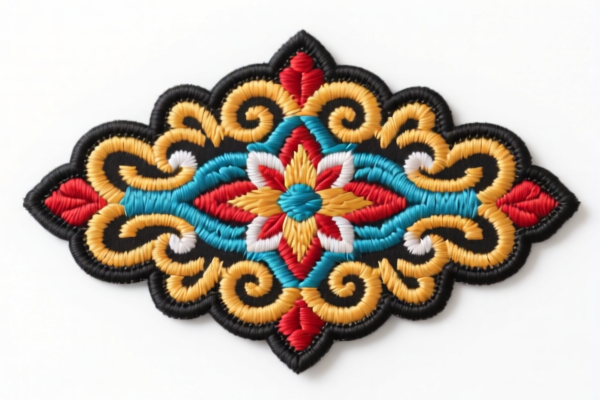
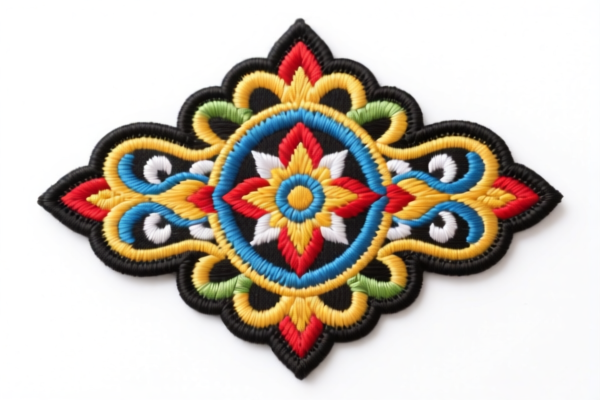
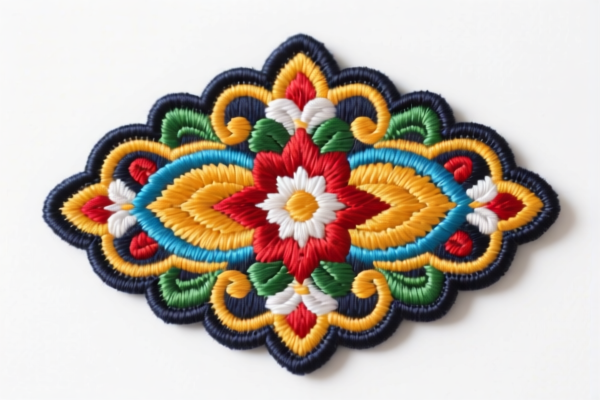
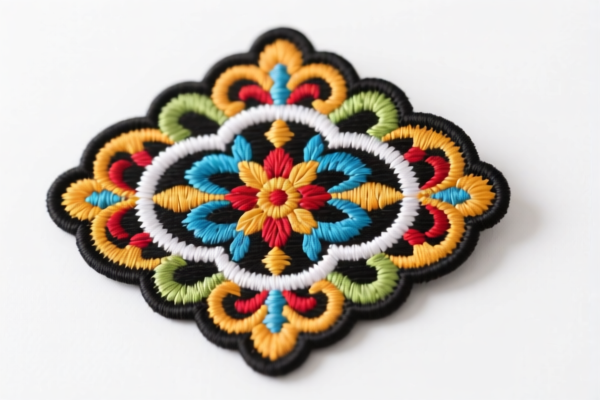
AI Analysis
🎀 Cake Fabric Patch (Decorative Stickers)
🌐 HS Code Reference & Customs Clearance Guide | 2026 Latest Tariff Analysis | Professional Level Clearance Strategy
📌 I. Product Definition & Classification: Do You Really Understand "Cake Fabric Patches"?
"Cake Fabric Patches" (often referred to as decorative stickers, cake toppers, or cake decorations) are primarily used for decorating cakes, party supplies, or general packaging. In international trade, their classification depends heavily on Material and Form.
- Plastic/PVC/PET Stickers: Flat, self-adhesive decorative items made of plastic.
- Paper Stickers: Self-adhesive decorative items made of paper.
⚠️ Key Distinction Point:
- If the material is Plastic (PVC/PET) → Generally falls under Chapter 39 (Plastics).
- If the material is Paper → Generally falls under Chapter 48 (Paper/Paperboard).
- The term "Fabric" in the name is often a marketing term; unless it is woven textile, it is usually not Chapter 50-63. Most "fabric patches" are actually printed plastic or vinyl.
📦 II. HS Code Classification Details (2026 Latest Tariff Authoritative Comparison)
Based on the provided data, here are the four most likely HS Codes for "Cake Fabric Patches":
| HS Code | Product Description | Applicable Scenario | Material Attribute |
|---|---|---|---|
3919.90.50.60 |
Self-adhesive plates, sheets, film, foil, tape, strip and other flat shapes, of plastics, whether or not in rolls, other | Flat plastic stickers (PVC/PET), decorative films | ✅ Plastic (PVC/PET) |
3926.40.00.10 |
Other articles of plastics: Decorations for Christmas trees | Note: Data suggests "Plastic Decorative Products". Often used for general plastic decorations. | ✅ Plastic |
3926.40.00.90 |
Other articles of plastics: Other decorations | Plastic decorative items not specifically classified elsewhere | ✅ Plastic |
3919.10.20.55 |
Self-adhesive plates, sheets, film, foil, tape and other flat shapes, of plastics, in rolls of a width not exceeding 20 cm, other | Narrow strip/roll plastic stickers | ✅ Plastic |
4811.41.30.00 |
Paper, paperboard, cellulose wadding or webs of cellulose fibre, coated, impregnated, covered, surface-coloured, surface-decorated or printed, for packing or other uses: Self-adhesive paper | Paper-based decorative stickers with adhesive backing | ✅ Paper |
🔍 Important Reminder:
- Plastic vs. Paper: The biggest risk is misclassifying plastic stickers as paper (4811) or vice versa. Visual inspection of the material is crucial. - "Fabric" Misnomer: Do not classify as textile (Chapter 63) unless it is genuinely woven/felt. Most cake "fabric" patches are printed vinyl/PVC.
💰 III. 2026 Latest Tariff Rate Details (Including Surtax, Policy Surcharges)
✅ Applicable Country: USA (US)
✅ Origin: China (CN)
✅ Effective Time: Post-November 2025 (Current Trade Policy)
🎯 1. 3919.90.50.60 & 3919.10.20.55 —— Plastic Self-Adhesive Stickers (Plastic Category)
| Item | Content |
|---|---|
| Basic Tariff | 5.8% (ad valorem) |
| Section 301 Surtax | +25.0% (Additional Tariff from USITC Footnote) |
| IEEPA Surtax (122 Clause) | +10% (Targeting China/HK products, effective from late 2025) |
| Total Tax Rate | 40.8% |
| Tax Calculation | CIF Value × 40.8% |
| De Minimis Eligibility | ❌ No (Denied for these HS codes under current enforcement) |
| Legal Basis Path | IEEPA: 9903.01.25 → USITC: 3919.90.50.60 → FOOTNOTE: 301 Section |
📌 Explanation:
- This is the most common classification for PVC/PET cake stickers. - High Tax Alert: The combination of 5.8% base + 25% Section 301 + 10% IEEPA results in a 40.8% total tax burden. - Strict Enforcement: These codes are heavily scrutinized for "de minimis" (small package) evasion. Do not attempt to split shipments to avoid this.
🎯 2. 3926.40.00.10 & 3926.40.00.90 —— Plastic Decorative Articles
| Item | Content |
|---|---|
| Basic Tariff | 5.3% (ad valorem) |
| Section 301 Surtax | 0.0% (Note: Data indicates 0% for this specific subheading in the provided set, but verify with current USITC lists as 301 status for 3926 can vary by specific sub-code and enforcement updates) |
| IEEPA Surtax (122 Clause) | +10% (Targeting China/HK products) |
| Total Tax Rate | 15.3% |
| Tax Calculation | CIF Value × 15.3% |
| De Minimis Eligibility | ❌ No (General rule for Chinese origin plastic goods) |
| Legal Basis Path | IEEPA: 9903.01.24 → USITC: 3926.40.00.xx → 122 Clause |
📌 Note:
- If customs classifies the item as a "General Plastic Decoration" (3926) rather than a "Self-Adhesive Plastic Sheet" (3919), the tariff is significantly lower (15.3% vs 40.8%). - Strategy: If the product is a pre-cut individual patch (not a roll), arguing for3926(Decorations) instead of3919(Adhesive Sheets) might reduce tax, but this requires strong evidence that it's not a "flat shape of plastic" in the context of3919.
🎯 3. 4811.41.30.00 —— Self-Adhesive Paper
| Item | Content |
|---|---|
| Basic Tariff | 0.0% |
| Section 301 Surtax | +25.0% |
| IEEPA Surtax (122 Clause) | +10% |
| Total Tax Rate | 35.0% |
| Tax Calculation | CIF Value × 35.0% |
| De Minimis Eligibility | ❌ No |
| Legal Basis Path | IEEPA: 9903.01.25 → USITC: 4811.41.30.00 |
📌 Explanation:
- Only applies if the sticker is genuinely paper-based with adhesive. - Even with 0% base tariff, the 25% + 10% surtaxes make it expensive. - Risk: Misclassifying plastic as paper can lead to severe penalties for tax evasion.
🛠️ IV. Customs Clearance Practical Advice (Battle-Tested Pitfall Avoidance Guide)
✅ 1. Preparation Material List (All Required)
| Material | Required | Explanation |
|---|---|---|
| ✅ Product Specification Sheet | ✔️ | Must specify material: 100% PVC/PET or 100% Paper. |
| ✅ Material Sample/Photo | ✔️ | Clear photo showing the glossy (plastic) or matte (paper) texture. |
| ✅ Commercial Invoice | ✔️ | Description: "Decorative Plastic Stickers for Cake Decoration" or "Paper Adhesive Labels". Avoid vague terms like "Fabric Patch". |
| ✅ Packing List | ✔️ | Detail quantity, weight, and dimensions. |
| ✅ HS Code Pre-Ruling Request | ✔️ | Highly recommended to lock in either 3919 or 3926. |
✅ 2. Declaration Tips (Key Mantra)
🔥 "Plastic is 3919/3926, Paper is 4811. Name it right, pay the right tax!"
| Scenario | Correct Declaration | Wrong Practice |
|---|---|---|
| PVC/Vinyl Stickers | 3919.90.50.60 or 3926.40.00.90 |
Mislabel as "Textile Patches" → Chapter 63 (Higher Duty/Restrictions) |
| Paper Stickers | 4811.41.30.00 |
Mislabel as "Plastic" → May face lower tax, but if discovered, penalty applies |
| "Fabric" Patches (Plastic) | Declare as Plastic, not Textile | Using "Fabric" in name → Customs may inspect and reclassify to Plastic (3919) with back taxes |
| Rolls vs. Cut | Specify if "Rolls" (3919) or "Cut Shapes" (3926) |
Ambiguous description → Delays for inspection |
✅ 3. Special Situation Handling
| Situation | Handling Advice |
|---|---|
| OEM Custom Designs | Provide design files. Ensure material description matches physical product (e.g., "Polyvinyl Chloride (PVC)"). |
| Mixed Shipment (Paper + Plastic) | Must split declaration. Do not combine. Plastic goes to 39xx, Paper to 48xx. |
| De Minimis (Section 321) Attempt | ❌ Avoid. US Customs actively targets 3919 and 4811 from China under IEEPA 122. Claims of <$800 exemption are likely to be denied, leading to seizure. |
| Argument for 15.3% vs 40.8% | If items are pre-cut, individual shapes, argue they are "Articles of Plastic" (3926) rather than "Flat Shapes/Film" (3919). Success depends on customs discretion. |
🌍 V. Global Main Market Clearance Comparison (2026 Latest)
| Country/Region | Recommended HS Code | Tariff (China Origin) | Certification | Notes |
|---|---|---|---|---|
| 🇺🇸 USA | 3919.90.50.60 / 3926.40.00.90 |
15.3% - 40.8% | None specific | High scrutiny on IEEPA 122. |
| 🇨🇳 China | 3919.90.90 / 4811.41.90 |
0% - 6% | None | Low tax environment. |
| 🇪🇺 EU | 3919.90 / 4823.69 |
0% - 4.7% | REACH | No Section 301 equivalent, but strict on plastic additives. |
| 🇬🇧 UK | 3919.90 / 4811.41 |
0% - 5% | UKCA | Post-Brexit rules apply. |
| 🇯🇵 Japan | 3919.90 / 4823.69 |
0% - 6% | JPIC | Generally low tariffs. |
📌 Conclusion:
- USA is the most challenging market due to the cumulative impact of Section 301 and IEEPA 122 tariffs. - Tariff Arbitrage: The difference between3919(40.8%) and3926(15.3%) is significant. Proper classification as "Decoration" rather than "Adhesive Sheet" can save 25.5% in duty.
📌 VI. Common Errors & Pitfalls Guide (Lessons Learned)
❌ Error 1: Calling the product "Fabric Patch" and classifying under Textile (6307.90)
👉 Consequence: If material is plastic, customs will reclassify to 3919 (40.8%), plus penalties for misdeclaration.
❌ Error 2: Claiming De Minimis ($800 exemption) for shipments via Section 321
👉 Consequence: Seizure. The 122 Clause specifically targets Chinese-origin plastic/paper adhesives from small packages.
❌ Error 3: Using generic description "Party Supplies" without specifying material
👉 Consequence: Customs will hold the shipment for inspection, requiring material testing. Delays of 2-4 weeks.
❌ Error 4: Confusing "Stickers" (3919/4811) with "Textiles"
👉 Consequence: Incorrect tariff rate. Textiles may have different quotas or anti-dumping duties.
✅ Correct Practice:
"Decorative PVC Stickers, Self-Adhesive, for Cake Decoration, Non-Woven, 5cm x 5cm, Colorful Prints"
🎯 VII. Conclusion: Professional Classification Saves Money!
🎯 Remember the Mantra:
🔹 "Plastic Patch: 3919 (40.8%) or 3926 (15.3%). Paper Patch: 4811 (35.0%). Don't Call it Fabric!"
🔹 "Material Matters: PVC is Plastic, Not Textile. Paper is Paper, Not Plastic."
📌 Pro Tip:
If you are shipping to the US, request an Advance Ruling from US Customs and Border Protection (CBP) if your shipment volume is high. This locks in the HS code and prevents disputes at customs. Consider if redesigning the product (e.g., using non-adhesive inserts) could avoid the "self-adhesive" classification, though this is rare for "stickers".
📣 Immediate Action:
📞 Contact a licensed US customs broker + Provide material sample + Request CBP Advance Ruling
🚀 Let your cake patches pass customs smoothly, maximize profit, and avoid penalties!
✨ Professional clearance starts with accurate classification!
💼 Every penny of tax you save is pure profit!
Customer Reviews
About HS Code Classification
The Harmonized System (HS) is an internationally standardized nomenclature developed by the World Customs Organization (WCO) to classify traded products. Over 200 countries use the HS system as the basis for customs tariffs, trade statistics, and import/export regulations.
Each HS code follows a hierarchical structure:
- Chapter (2 digits) — Broad category of goods (e.g., Chapter 84: Machinery and Mechanical Appliances)
- Heading (4 digits) — More specific grouping within the chapter
- Subheading (6 digits) — Internationally standardized breakdown, used by all WCO member countries
- National subdivisions (8-10 digits) — Country-specific extensions for further classification, such as US HTSUS 10-digit codes
Correct HS code classification is essential for smooth customs clearance, accurate duty payment, and compliance with trade regulations. Misclassification can lead to customs delays, overpayment of duties, or penalties.
When importing from CN to US, the applicable tariff rates may include:
- Most-Favored-Nation (MFN) rate — The standard duty rate applied to WTO members
- General rate — Applied to countries without trade agreements
- Trade remedy duties — Additional tariffs such as Section 301 (anti-dumping), Section 232 (national security), or countervailing duties
The information provided on this page is for reference purposes only. For official classification, please consult with your local customs authority or a licensed customs broker.