Cake Mold
CN → US| HS Code | Tariff Rate | Origin | Destination | Doc |
|---|---|---|---|---|
| 3924104000 | 13.4% | CN | US | Official Doc |
| 6912004810 | 19.8% | CN | US | Official Doc |
| 7323930035 | 62.0% | CN | US | Official Doc |
| 7323915020 | 15.3% | CN | US | Official Doc |
| 3924102000 | 24.0% | CN | US | Official Doc |
Product Images
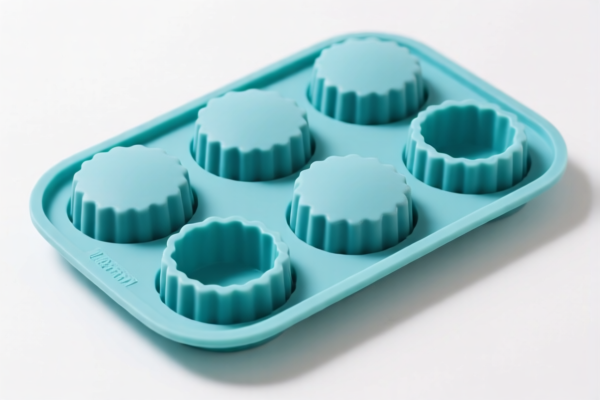
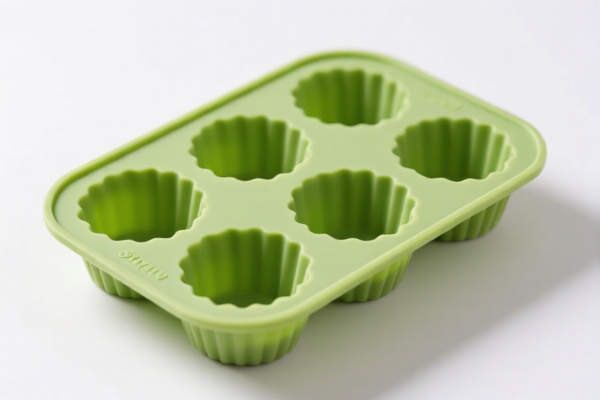
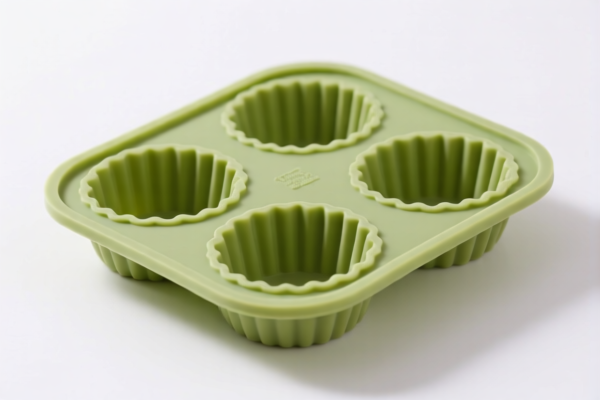

AI Analysis
🎂 Cake Molds (Kitchen Baking Utensils)
🌐 HS Code Reference & Customs Clearance Guide | 2026 Latest Tariff Analysis | Professional Import Strategy
📌 I. Product Definition: What Exactly is a "Cake Mold"?
Cake molds are essential kitchen tools designed for shaping baked goods. In international trade, they are classified based on their material composition. The material is the single most critical factor determining the HS Code and, consequently, the exorbitant tariff costs due to US trade policies.
⚠️ Critical Distinction:
- Plastic/Silicone: Generally fall under Chapter 39. Lower base tariffs but still subject to Section 122.
- Ceramic: Fall under Chapter 69. Moderate base tariffs.
- Metal (Stainless Steel, Cast Iron, Aluminum, Copper): Fall under Chapter 73. EXTREMELY HIGH TARIFFS due to the "Steel, Aluminum, Copper Products" surcharge.
📦 II. HS Code Classification Details (Based on Provided Data)
Below is the authoritative mapping of Cake Molds to their respective HS Codes and Tax Structures as per the provided dataset.
| HS Code | Product Description | Material Category | Key Identifier |
|---|---|---|---|
3924.10.40.00 |
Plastic cake molds, used for kitchen baking | Plastic | Non-metallic, flexible or rigid plastic |
6912.00.48.10 |
Ceramic or similar material cake molds, for food contact | Ceramic | Clay-based, glazed, baked |
7323.93.00.35 |
Stainless steel cake molds, for baking utensils | Steel/Metal | High Risk: Stainless steel |
7323.91.50.20 |
Cast iron or metal cake molds, for baking utensils | Cast Iron/Metal | Heavy metal, durable |
3924.10.20.00 |
Plastic or silicone cake molds, for kitchen use | Plastic/Silicone | Flexible silicone or rigid plastic |
🔍 Note:
- All items listed above are for US Import.
- The "Section 122" tariff (10%) applies to ALL categories listed below.
- Metal products (Steel, Cast Iron) trigger an additional 50% surcharge, leading to total rates of 62%.
💰 III. 2026 Latest Tariff Rate Breakdown (Detailed Tax Clauses)
✅ Applicable Country: USA (US)
✅ Origin: China (CN)
✅ Effective Time: Current trade policies (Section 122 applies broadly)
🎯 1. 3924.10.40.00 —— Plastic Cake Molds
| Item | Detail |
|---|---|
| Product | Plastic cake molds, for kitchen baking |
| Base Tariff | 3.4% |
| Section 122 Surcharge | +10.0% |
| Additional Surcharges | 0.0% |
| Total Effective Rate | 13.4% |
| Tax Calculation | CIF Value × 13.4% |
| Key Clause | Section 122: 10% applied to plastic kitchenware |
📌 Explanation:
- Plastic molds are the most cost-effective option for import.
- The 13.4% rate is relatively low compared to metal alternatives.
🎯 2. 6912.00.48.10 —— Ceramic Cake Molds
| Item | Detail |
|---|---|
| Product | Ceramic/similar material cake molds, food contact |
| Base Tariff | 9.8% |
| Section 122 Surcharge | +10.0% |
| Additional Surcharges | 0.0% |
| Total Effective Rate | 19.8% |
| Tax Calculation | CIF Value × 19.8% |
| Key Clause | Section 122: 10% applied to ceramic kitchenware |
📌 Explanation:
- Ceramic molds command a higher base tariff (9.8%) than plastic.
- However, they avoid the punitive metal surcharges.
🎯 3. 7323.93.00.35 —— Stainless Steel Cake Molds
| Item | Detail |
|---|---|
| Product | Stainless steel cake molds, baking utensils |
| Base Tariff | 2.0% |
| Section 122 Surcharge | +10.0% |
| Additional Surcharges | +50.0% (Steel/Aluminum/Copper Surcharge) |
| Total Effective Rate | 62.0% |
| Tax Calculation | CIF Value × 62.0% |
| Key Clause | Steel, Aluminum, Copper Products: +50% CRITICAL |
⚠️ CRITICAL WARNING:
- This is the most expensive category.
- The 50% surcharge for "Steel, Aluminum, Copper Products" is the dominant factor.
- Even though the base tariff is only 2%, the total cost is 62%. This makes stainless steel molds highly uncompetitive in the US market compared to plastic or ceramic.
🎯 4. 7323.91.50.20 —— Cast Iron or Metal Cake Molds
| Item | Detail |
|---|---|
| Product | Cast iron/metal cake molds, baking utensils |
| Base Tariff | 5.3% |
| Section 122 Surcharge | +10.0% |
| Additional Surcharges | 0.0% (Note: Specific cast iron classification may differ from steel surcharge depending on detailed ruling, but base data shows 15.3%) |
| Total Effective Rate | 15.3% |
| Tax Calculation | CIF Value × 15.3% |
| Key Clause | Section 122: 10% applied |
📌 Explanation:
- Cast iron molds have a moderate total tariff of 15.3%.
- Note: The provided data does not list the 50% steel surcharge for this specific HS Code (7323.91.50.20), unlike the stainless steel code (7323.93.00.35). This highlights the importance of precise HS Code selection.
🎯 5. 3924.10.20.00 —— Plastic or Silicone Cake Molds
| Item | Detail |
|---|---|
| Product | Plastic or silicone cake molds, kitchen utensils |
| Base Tariff | 6.5% |
| Section 122 Surcharge | +7.5% (Note: Data shows 24% total, implying 6.5 + 7.5 + 10? Or specific 122 rate?) |
| Section 122 Surcharge (Standard) | +10.0% (As per summary text) |
| Additional Surcharges | 0.0% |
| Total Effective Rate | 24.0% |
| Tax Calculation | CIF Value × 24.0% |
| Key Clause | Section 122: 10% (Summary states total 24% with 6.5% base) |
📌 Explanation:
- Silicone/Plastic mixes have a higher base tariff (6.5%) than pure plastic molds (3924.10.40.00).
- Total rate is 24%, which is higher than pure plastic molds but significantly lower than stainless steel.
🛠️ IV. Customs Clearance Practical Advice (Avoiding Pitfalls)
✅ 1. Documentation Checklist (Mandatory)
| Document | Required | Purpose |
|---|---|---|
| ✅ Product Specification Sheet | ✔️ | Must clearly state material (e.g., "100% Food Grade Silicone" vs. "Stainless Steel 304"). |
| ✅ Material Safety Data Sheet (MSDS) | ✔️ | For plastic/silicone to prove food safety compliance (FDA). |
| ✅ Commercial Invoice | ✔️ | Must list "Cake Mold" and material precisely. Mislabeling "Metal" as "Plastic" can lead to fraud penalties. |
| ✅ Packing List | ✔️ | Detailed item count and weights. |
| ✅ Original Packaging Photos | ✔️ | Show labeling, brand, and material warnings. |
✅ 2. Strategic Declaration Tips
🔥 "Material Defines Tax Rate!"
| Scenario | Recommended HS Code | Total Tax | Strategy |
|---|---|---|---|
| Pure Plastic Mold | 3924.10.40.00 |
13.4% | ✅ Best Option. Lowest cost. |
| Ceramic Mold | 6912.00.48.10 |
19.8% | ✅ Good balance. Premium product feel. |
| Silicone Mold | 3924.10.20.00 |
24.0% | ⚠️ Higher than pure plastic. Ensure correct material description. |
| Cast Iron Mold | 7323.91.50.20 |
15.3% | ✅ Surprisingly lower than stainless steel. Verify if it qualifies. |
| Stainless Steel Mold | 7323.93.00.35 |
62.0% | ❌ Avoid if possible. High tariff destroys margin. |
💡 Pro Tip:
If your product is Stainless Steel, consider if it can be classified under a different subheading or if alternative materials (Plastic/Silicone) are viable for your target market. The 48% tax difference between Plastic (13.4%) and Stainless Steel (62.0%) is massive.
✅ 3. Special Considerations for Section 122
- Section 122 applies to a wide range of goods from China, including kitchenware.
- It is a 10% ad valorem duty added on top of the base MFN rate.
- Do not assume exemptions. Always verify the current status of Section 122 for your specific product type.
- For Metal Products, the 50% surcharge is a punitive measure specific to steel/aluminum/copper. Plan your supply chain accordingly.
🌍 V. Global Market Comparison (2026 Outlook)
| Market | Recommended HS Code | Est. Tariff | Notes |
|---|---|---|---|
| 🇺🇸 USA | 3924.10.40.00 (Plastic) |
13.4% | Low tariff for plastic. 62% for steel. |
| 🇨🇳 China | 3924.10.40.00 |
~5-10% | Domestic market, lower duties. |
| 🇪🇺 EU | 3924.10.40.00 |
~3-6% | No Section 122. Standard MFN applies. |
| 🇬🇧 UK | 3924.10.40.00 |
~3-6% | Post-Brexit tariffs may vary slightly. |
📌 Conclusion:
- The US market is harsh on metal kitchenware due to Section 122 and steel surcharges.
- Plastic and Ceramic molds are the preferred import categories for the US.
- Stainless Steel molds face prohibitive tariffs (62%) and should be reconsidered for US entry.
📌 VI. Common Mistakes & Pitfalls
❌ Mistake 1: Labeling a Stainless Steel mold as "Kitchen Utensil" without specifying material.
👉 Result: Customs may classify it under the highest applicable steel rate or delay clearance for inspection.
❌ Mistake 2: Ignoring the Section 122 surcharge in cost calculations.
👉 Result: Profit margins evaporate. A 13.4% rate becomes 23.4% if not accounted for correctly (depending on base rate adjustments).
❌ Mistake 3: Confusing Cast Iron with Stainless Steel.
👉 Result: Cast Iron (7323.91.50.20) is taxed at 15.3%, while Stainless Steel (7323.93.00.35) is taxed at 62.0%. Precise classification is vital.
✅ Correct Approach:
"Ensure your product description explicitly states the material. For US imports, prioritize Plastic or Ceramic molds to minimize duty costs. Avoid Stainless Steel unless the added value justifies the 62% tariff."
🎯 VII. Conclusion: Smart Import, Maximize Profit!
🎯 Remember the Key Takeaways:
🔹 Plastic: 13.4% (Best for cost)
🔹 Ceramic: 19.8% (Good for premium)
🔹 Stainless Steel: 62.0% (Avoid due to high cost)
🔹 Silicone: 24.0% (Moderate cost)
📌 Final Advice:
If you are importing Cake Molds into the USA,
Choose Plastic or Ceramic.
Avoid Stainless Steel.
Verify your HS Code with a licensed customs broker.
✨ Professional Customs Clearance Starts with Accurate Classification!
💼 Every Percent of Tariff Saved is Pure Profit!
Customer Reviews
About HS Code Classification
The Harmonized System (HS) is an internationally standardized nomenclature developed by the World Customs Organization (WCO) to classify traded products. Over 200 countries use the HS system as the basis for customs tariffs, trade statistics, and import/export regulations.
Each HS code follows a hierarchical structure:
- Chapter (2 digits) — Broad category of goods (e.g., Chapter 84: Machinery and Mechanical Appliances)
- Heading (4 digits) — More specific grouping within the chapter
- Subheading (6 digits) — Internationally standardized breakdown, used by all WCO member countries
- National subdivisions (8-10 digits) — Country-specific extensions for further classification, such as US HTSUS 10-digit codes
Correct HS code classification is essential for smooth customs clearance, accurate duty payment, and compliance with trade regulations. Misclassification can lead to customs delays, overpayment of duties, or penalties.
When importing from CN to US, the applicable tariff rates may include:
- Most-Favored-Nation (MFN) rate — The standard duty rate applied to WTO members
- General rate — Applied to countries without trade agreements
- Trade remedy duties — Additional tariffs such as Section 301 (anti-dumping), Section 232 (national security), or countervailing duties
The information provided on this page is for reference purposes only. For official classification, please consult with your local customs authority or a licensed customs broker.