Cake Money Box Set
CN → US| HS Code | Tariff Rate | Origin | Destination | Doc |
|---|---|---|---|---|
| 4819504040 | 35.0% | CN | US | Official Doc |
| 3923109000 | 38.0% | CN | US | Official Doc |
| 4819200040 | 35.0% | CN | US | Official Doc |
Product Images
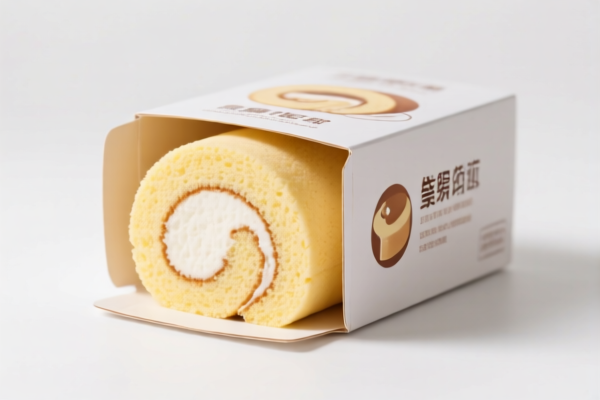
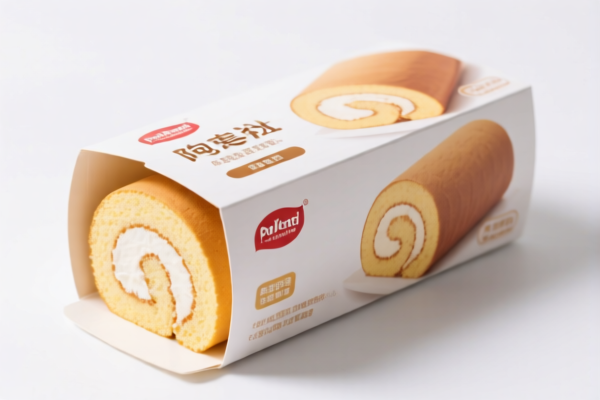
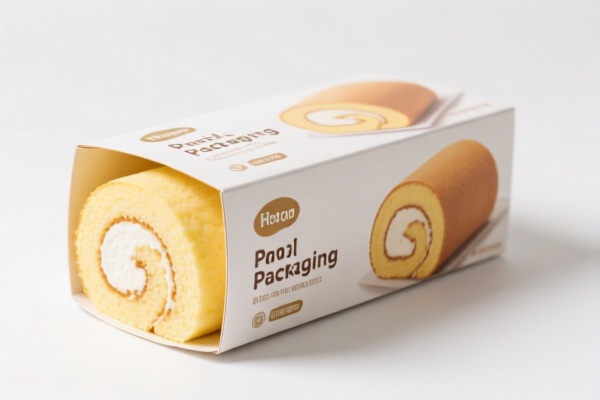
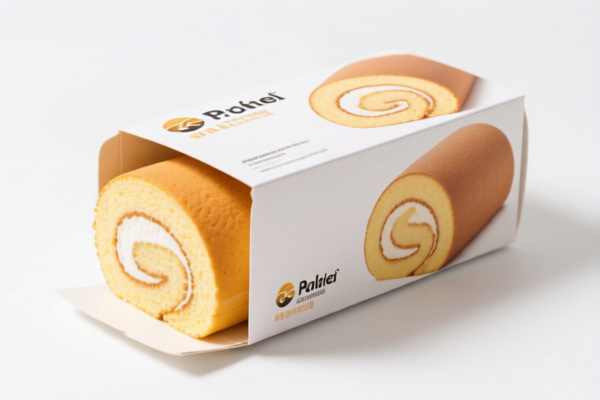
AI Analysis
🍰 Cake Money Box Set (Gift Packaging)
🌐 HS Code Reference & Customs Clearance Guide | 2026 Latest Tariff Analysis | Professional Clearance Strategy
📌 I. Product Definition & Classification: What is a "Cake Money Box Set"?
A "Cake Money Box Set" typically refers to a decorative packaging unit designed to hold cash as a gift, often styled to resemble a cake (using paper or plastic materials to mimic frosting, layers, or candles). In international trade, this item is primarily classified as packaging material or articles of paper/paperboard or plastics, depending on its material composition.
Key Classification Criteria:
- Material: Is it made of paper/cardboard or plastic?
- Form: Is it a rigid box, a folded carton, or a molded article?
- Function: Is it solely for packaging/gifting?
⚠️ Critical Distinction:
- If made of Paper/Cardboard (most common for "cake" shapes): Falls under Chapter 48 (Paper/Paperboard).
- If made of Plastic: Falls under Chapter 39 (Plastics and Articles Thereof).
- Do NOT classify as "Toys" or "Money" unless it contains actual currency (which it doesn't; it holds money). It is a gift packaging item.
📦 II. HS Code Classification Details (2026 Latest Tariff Reference)
Based on the provided data, here are the three most relevant HS Codes for a "Cake Money Box Set," depending on specific material and form:
| HS Code | Product Description | Application Scenario | Material Assumption |
|---|---|---|---|
4819.50.40.40 |
Other boxes, folders, and similar articles, of paper or fibreboard (Rigid boxes) | Gift boxes with rigid structure (e.g., cake-shaped box with hard walls) | Paper/Cardboard (Rigid) |
3923.10.90.00 |
Articles for the conveyance or packaging of goods, of plastics (Boxes/Articles) | Plastic cake-shaped containers or gift sets | Plastic |
4819.20.00.40 |
Folding cartons, boxes, and cases, of non-corrugated paper (Other packaging) | Foldable paper cake boxes (soft structure) | Paper/Cardboard (Non-corrugated/Folded) |
🔍 Key Reminder:
- Rigid vs. Folded: If the box keeps its shape without folding (like a gift tin), use4819.50.40.40.
- Material Matters: If the "cake" is made of plastic (e.g., a plastic mold), use3923.10.90.00.
- Avoid Misclassification: Do not classify as "Toys" (Chapter 95) or "Textiles" (Chapter 63) unless explicitly stated. The primary function is packaging.
💰 III. 2026 Latest Tariff Rate Breakdown (Including Surcharges)
✅ Applicable Country: United States (US)
✅ Origin: China (CN)
✅ Effective Time: 2025/2026 (Includes Section 301 & IEEPA surcharges)
🎯 1. 4819.50.40.40 —— Paper/Cardboard Rigid Gift Boxes
| Item | Details |
|---|---|
| Base Tariff | 0.0% (ad valorem) |
| Section 301 Surcharge | +25.0% (USITC Footnote 9903.88.01) |
| IEEPA Surcharge | +10.0% (针对中国产品, 自2025年11月10日起) |
| Total Tariff Rate | 35.0% |
| Tax Calculation | CIF Value × 35% |
| De Minimis Exemption? | ❌ No (deny_de_minimis) |
| Legal Path | IEEPA:9903.01.25 → USITC:4819.50.40.40 → FOOTNOTE:301 |
📌 Explanation:
- Paper gift boxes are generally low-duty (0%), but Section 301 (25%) and IEEPA (10%) significantly increase the cost for Chinese-origin goods.
- Total 35% is a high effective rate. Plan accordingly.
🎯 2. 3923.10.90.00 —— Plastic Packaging Boxes/Articles
| Item | Details |
|---|---|
| Base Tariff | 3.0% (ad valorem) |
| Section 301 Surcharge | +25.0% |
| IEEPA Surcharge | +10.0% |
| Total Tariff Rate | 38.0% |
| Tax Calculation | CIF Value × 38% |
| De Minimis Exemption? | ❌ No |
| Legal Path | IEEPA:9903.01.24 → USITC:3923.10.90.00 → FOOTNOTE:301 |
📌 Explanation:
- Plastic packaging has a higher base rate (3%) compared to paper.
- With surcharges, the total rate (38%) is even higher than paper rigid boxes.
- Risk: Plastic items are often scrutinized for environmental compliance (though not directly affecting tariff, it affects customs inspection).
🎯 3. 4819.20.00.40 —— Non-Corrugated Paper Folding Cartons
| Item | Details |
|---|---|
| Base Tariff | 0.0% (ad valorem) |
| Section 301 Surcharge | +25.0% |
| IEEPA Surcharge | +10.0% |
| Total Tariff Rate | 35.0% |
| Tax Calculation | CIF Value × 35% |
| De Minimis Exemption? | ❌ No |
| Legal Path | IEEPA:9903.01.24 → USITC:4819.20.00.40 → FOOTNOTE:301 |
📌 Explanation:
- Similar to rigid boxes, but for folded paper boxes.
- Total rate is 35%.
- Note: If the box is made of corrugated paper, it might fall under a different code (e.g., 4819.10), but "Cake Money Boxes" are usually non-corrugated for aesthetic reasons.
🛠️ IV. Customs Clearance Practical Advice (Pitfall Avoidance Guide)
✅ 1. Required Documentation (Must-Have)
| Document | Required | Notes |
|---|---|---|
| ✅ Product Photos | ✔️ | Clear images showing the "cake" shape and material (paper vs. plastic). |
| ✅ Commercial Invoice | ✔️ | Describe as "Paper/Plastic Gift Packaging Box, Not Containing Currency." |
| ✅ Packing List | ✔️ | Detail the quantity of boxes and any inserts (e.g., foam, tissue). |
| ✅ Material Declaration | ✔️ | Explicitly state: "Made of Paper/Cardboard" or "Made of Plastic." |
| ✅ Origin Certificate (CO) | ✔️ | For proving Chinese origin (and thus applying surcharges). |
✅ 2. Declaration Tips (Key Mnemonic)
🔥 "Material First, Shape Second, No Money Inside!"
| Scenario | Correct Declaration | Common Mistake |
|---|---|---|
| Paper Cake Box | "Paper Rigid Gift Box, Cake Shape, for Packaging" | "Cake Toy" → Wrong Chapter (95) |
| Plastic Cake Box | "Plastic Packaging Article, Cake Shape" | "Plastic Toy" → Wrong Chapter |
| Set with Tissue/Inserts | Declare as "Packaging Set" | Split into "Paper" + "Tissue" → Higher risk |
| Contains Actual Money | DO NOT SHIP | "Gift Box with Cash" → Legal Risk! |
📌 Note:
- If the box is empty, it is purely packaging.
- If it contains other items (e.g., a small candle, fake frosting), still classify as packaging if the box is the main component.
- Avoid terms like "Toy" or "Decorative Item" unless necessary; stick to "Packaging" or "Box."
✅ 3. Special Cases
| Situation | Handling Advice |
|---|---|
| Mixed Materials (e.g., Paper Box + Plastic Window) | Classify based on essential character (usually paper if paper dominates). Use 4819.50.40.40. |
| Custom-Printed Boxes | Provide proof of customization. Still classified as paper/plastic packaging. |
| Small Quantities (De Minimis) | Cannot use de minimis (under $800) if total tariff exceeds exemption limits. All shipments subject to 35-38% duty. |
| Return/Replacement Boxes | Declare as "Used Packaging" or "Repair Parts" if applicable, but typically still taxed. |
🌍 V. Global Market Comparison (2026 Latest)
| Country/Region | Recommended HS Code | Tariff Rate (China Origin) | Notes |
|---|---|---|---|
| 🇺🇸 USA | 4819.50.40.40 |
35% (Paper) 38% (Plastic) |
High surcharges (301 + IEEPA) |
| 🇨🇳 China | 4819.50.40.40 |
~5-10% | No surcharges for domestic trade |
| 🇪🇺 EU | 4819.50.40.40 |
~0-6.5% | No Section 301; standard EU duty |
| 🇬🇧 UK | 4819.50.40.40 |
~5-12% | Post-Brexit tariffs apply |
| 🇨🇦 Canada | 4819.50.40.40 |
~5% | CUSMA benefits may apply |
📌 Conclusion:
- USA is the most expensive market for this item due to 30%+ in surcharges.
- Europe and other markets have significantly lower tariffs, making them more cost-effective if exporting globally.
- Plan for 35-38% duty if shipping to the US.
📌 VI. Common Errors & Pitfalls (Lessons Learned)
❌ Error 1: Classifying as "Toy" (HS 9503)
👉 Consequence: Wrong HS Code → Potential fines + delays. Toys may have different duties (often 0-6.5%), but customs will reject if it’s clearly packaging.
❌ Error 2: Claiming "De Minimis" for all shipments
👉 Consequence: If the total value + duty exceeds $800, or if the item is subject to surcharges, de minimis does not apply. All shipments taxed.
❌ Error 3: Not declaring Material Clearly
👉 Consequence: Customs may inspect, delay, or assign a higher default tariff. Always specify Paper vs. Plastic.
❌ Error 4: Using "Gift Set" without context
👉 Consequence: Customs may ask for details. Clearly state "Empty Gift Packaging" or "Packaging Only."
✅ Correct Declaration Example:
"Paper Rigid Gift Box, Cake Shape, Empty, for Packaging Currency Gifting, Model XYZ, Origin: China"
🎯 VII. Conclusion: Professional Declaration, Save Costs, Avoid Risks!
🎯 Remember the Mnemonic:
🔹 "Paper 35%, Plastic 38%, No De Minimis, USA is Hard!"
🔹 "Material First, Shape Second, Declare Clearly, Avoid Fines!"
📌 Tips:
- If your paper boxes are made in Vietnam/Malaysia, you may avoid Section 301 (25%), reducing the total tariff to 10% (IEEPA only).
- Consider transshipment or supplier diversification if shipping large volumes to the US.
- Pre-ruling: Apply for an Advance Ruling with US Customs to confirm the HS Code and duty rate.
📣 Immediate Action:
📞 Contact your customs broker + Provide Product Photos + Confirm Material (Paper/Plastic)
🚀 Accurate Declaration = Smooth Clearance = Cost Savings!
✨ Professional Clearance Starts with Accurate Classification!
💼 Every Dollar Saved in Duties is Pure Profit!
Customer Reviews
About HS Code Classification
The Harmonized System (HS) is an internationally standardized nomenclature developed by the World Customs Organization (WCO) to classify traded products. Over 200 countries use the HS system as the basis for customs tariffs, trade statistics, and import/export regulations.
Each HS code follows a hierarchical structure:
- Chapter (2 digits) — Broad category of goods (e.g., Chapter 84: Machinery and Mechanical Appliances)
- Heading (4 digits) — More specific grouping within the chapter
- Subheading (6 digits) — Internationally standardized breakdown, used by all WCO member countries
- National subdivisions (8-10 digits) — Country-specific extensions for further classification, such as US HTSUS 10-digit codes
Correct HS code classification is essential for smooth customs clearance, accurate duty payment, and compliance with trade regulations. Misclassification can lead to customs delays, overpayment of duties, or penalties.
When importing from CN to US, the applicable tariff rates may include:
- Most-Favored-Nation (MFN) rate — The standard duty rate applied to WTO members
- General rate — Applied to countries without trade agreements
- Trade remedy duties — Additional tariffs such as Section 301 (anti-dumping), Section 232 (national security), or countervailing duties
The information provided on this page is for reference purposes only. For official classification, please consult with your local customs authority or a licensed customs broker.