Cake Printing Mold
CN → US| HS Code | Tariff Rate | Origin | Destination | Doc |
|---|---|---|---|---|
| 3926909989 | 22.8% | CN | US | Official Doc |
| 3926903300 | 16.5% | CN | US | Official Doc |
| 8210000000 | 38.7% | CN | US | Official Doc |
| 7323930035 | 62.0% | CN | US | Official Doc |
| 7615103015 | 70.6% | CN | US | Official Doc |
| 7323915020 | 15.3% | CN | US | Official Doc |
Product Images
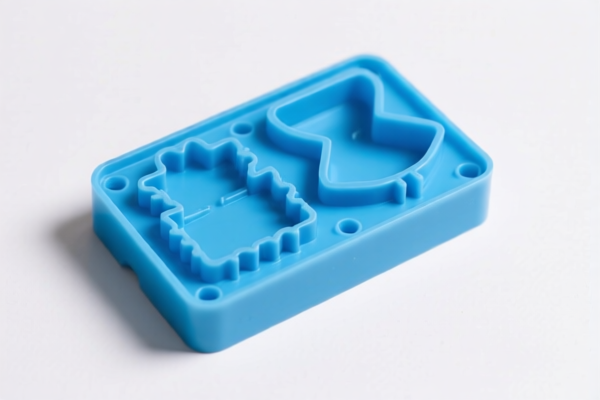
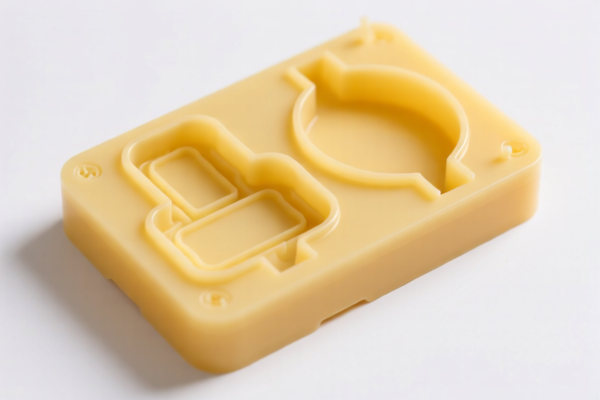
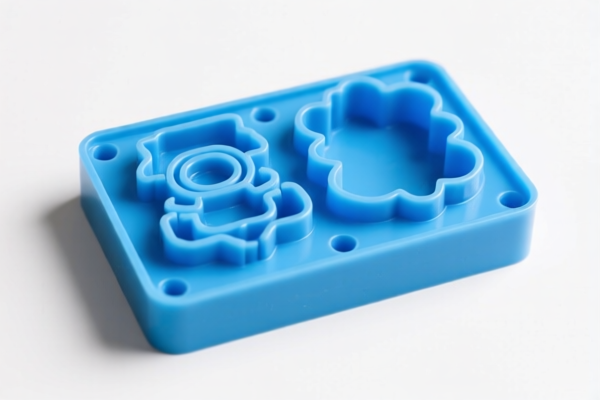
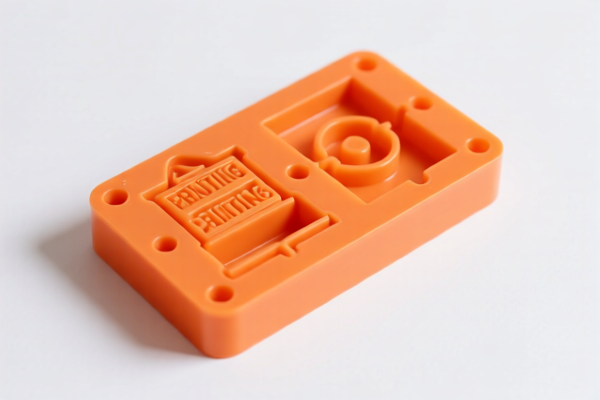
AI Analysis
🎂 Cake Printing Molds: HS Code Classification & US Customs Clearance Strategy
🌐 HS Code Reference & Clearance Guide | 2026 Latest Tariff Structure | Professional Compliance Strategy
📌 I. Product Definition & Classification: What is a "Cake Printing Mold"?
A Cake Printing Mold is a kitchen tool used to emboss or imprint decorative patterns onto the surface of cakes, cookies, or fondant. In international trade, the classification depends entirely on the material composition and function. It is primarily categorized under Chapter 73 (Articles of Iron or Steel), Chapter 76 (Aluminum), or Chapter 39 (Plastics).
Key Distinction:
- Plastic/Silicone Molds: Classified under plastics (Chapter 39).
- Metal Molds: Classified under metal articles (Chapter 73 for Steel/Iron, Chapter 76 for Aluminum).
⚠️ Critical Warning:
- Misclassifying metal molds as plastic can lead to severe penalties and back-tariffs due to significant duty differences.
- "Silicone" is legally treated as a plastic/rubber derivative in many tariff contexts (often grouped with plastics or specific rubber headings, but here grouped under plastics per data).
📦 II. HS Code Classification Details (2026 Latest Tariff Data)
Based on the provided data, here are the applicable HS Codes for Cake Printing Molds:
| HS Code | Product Description | Material | Key Characteristics |
|---|---|---|---|
3926.90.99.89 |
Other plastic articles | Plastic / Silicone | General plastic molds; often higher tax due to 122 Clause. |
3926.90.33.00 |
Other plastic articles | Plastic | Specific plastic category; lower base tariff but subject to 122 Clause. |
8210.00.00.00 |
Hand-operated mechanical appliances | Metal | Treated as a "manual tool" for food preparation. |
7323.93.00.35 |
Tableware and kitchenware | Steel / Stainless Steel | Steel/aluminum products subject to specific metal tariffs. |
7615.10.30.15 |
Tableware and kitchenware | Aluminum | Aluminum baking tools; subject to high metal-specific tariffs. |
7323.91.50.20 |
Tableware and kitchenware | Iron / Steel | Standard steel baking ware; lower overall tax rate in this specific dataset. |
🔍 Focus Point:
- The material is the primary determinant.
- Steel/Iron (7323.9x) and Aluminum (7615.10) face significantly higher total taxes due to the "50% additional tariff on Steel, Aluminum, Copper products" clause.
- Plastic (3926.90) offers two distinct sub-codes with different base rates and tariff structures.
💰 III. 2026 Latest Tariff Rate Breakdown (Including Surtaxes & Policy Surcharges)
✅ Applicable Country: United States (US)
✅ Origin: China (CN)
✅ Effective Time: Current rates as per provided data (includes Section 122 and 301 tariffs)
🎯 1. Plastic Molds: 3926.90.99.89
| Item | Content |
|---|---|
| Base Tariff | 5.3% |
| Section 301 Surcharge | 7.5% |
| Section 122 Surcharge | 10% |
| Total Tax Rate | 22.8% |
| Tax Calculation | CIF Value × 22.8% |
| De Minimis Exemption | ❌ Not Applicable (Section 122/301 usually negate de minimis for China) |
| Legal Basis Path | HTSUS:3926.90.99.89 → Section 301: 7.5% → Section 122: 10% |
📌 Explanation:
- This code attracts a 22.8% total duty.
- The Section 122 (10%) is a specific surcharge on certain textile/apparel/accessories, but here applied to this plastic category in the provided data.
- Section 301 (7.5%) is the standard retaliatory tariff on Chinese goods.
🎯 2. Plastic Molds: 3926.90.33.00
| Item | Content |
|---|---|
| Base Tariff | 6.5% |
| Section 301 Surcharge | 0.0% |
| Section 122 Surcharge | 10% |
| Total Tax Rate | 16.5% |
| Tax Calculation | CIF Value × 16.5% |
| De Minimis Exemption | ❌ Not Applicable |
| Legal Basis Path | HTSUS:3926.90.33.00 → Section 122: 10% |
📌 Note:
- This code has a lower total rate (16.5%) compared to3926.90.99.89.
- It has no Section 301 surcharge, but still carries the 10% Section 122 surcharge.
- Strategic Advantage: If the product fits this subheading, it is 6.3% cheaper in duties than the other plastic code.
🎯 3. Metal Molds: 8210.00.00.00 (Manual Mechanical Appliance)
| Item | Content |
|---|---|
| Base Tariff | 3.7% |
| Section 301 Surcharge | 25.0% |
| Section 122 Surcharge | 10% |
| Total Tax Rate | 38.7% |
| Tax Calculation | CIF Value × 38.7% |
| De Minimis Exemption | ❌ Not Applicable |
| Legal Basis Path | HTSUS:8210.00.00.00 → Section 301: 25% → Section 122: 10% |
📌 Explanation:
- Classified as a "manual tool," it attracts a 25% Section 301 tariff (higher than the 7.5% for plastics).
- Plus 10% Section 122.
- Total 38.7% makes this significantly more expensive than plastic options.
🎯 4. Steel Molds: 7323.93.00.35 (Steel/Stainless Steel)
| Item | Content |
|---|---|
| Base Tariff | 2.0% |
| Section 301 Surcharge | 0.0% |
| Section 122 Surcharge | 10% |
| Special Metal Surcharge | 50% (Steel/Aluminum/Copper specific) |
| Total Tax Rate | 62.0% |
| Tax Calculation | CIF Value × 62.0% |
| De Minimis Exemption | ❌ Not Applicable |
| Legal Basis Path | HTSUS:7323.93.00.35 → Special Metal Tariff: 50% → Section 122: 10% |
📌 Critical Warning:
- This is one of the highest tax rates in the dataset.
- The 50% surcharge is a specific penalty on steel/aluminum products.
- Do not use this code unless absolutely necessary; the cost is prohibitive.
🎯 5. Aluminum Molds: 7615.10.30.15
| Item | Content |
|---|---|
| Base Tariff | 3.1% |
| Section 301 Surcharge | 7.5% |
| Section 122 Surcharge | 10% |
| Special Metal Surcharge | 50% (Steel/Aluminum/Copper specific) |
| Total Tax Rate | 70.6% |
| Tax Calculation | CIF Value × 70.6% |
| De Minimis Exemption | ❌ Not Applicable |
| Legal Basis Path | HTSUS:7615.10.30.15 → Special Metal Tariff: 50% → Section 301: 7.5% → Section 122: 10% |
📌 Note:
- 70.6% is the highest tax rate listed.
- Aluminum is treated similarly to steel in this context, incurring the 50% special surcharge.
🎯 6. Iron/Steel Molds: 7323.91.50.20
| Item | Content |
|---|---|
| Base Tariff | 5.3% |
| Section 301 Surcharge | 0.0% |
| Section 122 Surcharge | 10% |
| Total Tax Rate | 15.3% |
| Tax Calculation | CIF Value × 15.3% |
| De Minimis Exemption | ❌ Not Applicable |
| Legal Basis Path | HTSUS:7323.91.50.20 → Section 122: 10% |
📌 Key Insight:
- Despite being metal, this code has a low total rate of 15.3%.
- It avoids the 50% special metal surcharge and Section 301 surcharge.
- Potential Optimization: If the mold is made of iron/steel but can be classified here (e.g., as specific "tableware" rather than general "steel articles"), it is the cheapest option overall.
🛠️ IV. Customs Clearance Practical Advice (Pitfall Avoidance Guide)
✅ 1. Document Checklist (Essential for Clearance)
| Document | Must Provide | Description |
|---|---|---|
| ✅ Product Specification Sheet | ✔️ | Must clearly state material (Plastic, Silicone, Steel, Aluminum). |
| ✅ Material Safety Data Sheet (MSDS) | ✔️ | For plastics/silicone, to prove food-grade compliance. |
| ✅ Product Photos (Labeled) | ✔️ | Show texture, shape, and any brand markings. |
| ✅ Commercial Invoice | ✔️ | Must match the HS Code description exactly. |
| ✅ Packing List | ✔️ | Detail quantities, weights, and dimensions. |
| ✅ Certificate of Origin (CO) | ✔️ | Required for origin verification. |
| ✅ FCC/CE/RoHS Certificates | ✔️ | If applicable, especially for any electronic components (unlikely for molds, but good practice). |
✅ 2. Declaration Tips (Key Mnemonics)
🔥 "Material Defines Code, Metal Costs More, Plastic is Smarter!"
| Scenario | Correct Declaration | Wrong Practice | Consequence |
|---|---|---|---|
| Plastic/Silicone Mold | 3926.90.33.00 |
3926.90.99.89 |
+6.3% tax increase |
| Steel Mold | 7323.91.50.20 |
7323.93.00.35 |
-46.7% tax savings! |
| Aluminum Mold | 7615.10.30.15 |
N/A (No low-tax alternative) | 70.6% tax unavoidable |
| Metal Hand Tool | 8210.00.00.00 |
7323.9x |
38.7% vs 62%+ |
📌 Optimization Strategy:
- If the mold is metal, check if it qualifies for7323.91.50.20(15.3%) instead of7323.93.00.35(62.0%). The difference is massive.
- If the mold is plastic, try to qualify for3926.90.33.00(16.5%) instead of3926.90.99.89(22.8%).
- Avoid Aluminum if possible due to the 70.6% tax.
✅ 3. Special Situations
| Situation | Handling Advice |
|---|---|
| Silicone vs. Plastic | Silicone is often classified under plastics (3926.90). Ensure the invoice says "Plastic/Silicone" to avoid disputes. |
| Metal Coated Plastic | If coated, it may be classified under metal. Check with a customs broker. Likely to fall under higher metal tariffs. |
| Set of Molds | If sold as a set, declare as a whole if possible. If not, declare each item separately according to its material. |
| Custom Design | Provide design sketches to prove it is a "mold" and not a "toy" or "decoration." |
🌍 V. Global Market Comparison (2026 Latest)
| Country/Region | Recommended HS Code | Tariff Rate | Certification | Notes |
|---|---|---|---|---|
| 🇺🇸 USA | 3926.90.33.00 (Plastic) |
16.5% | FDA, LFGB | Avoid metal codes if possible due to high tariffs. |
| 🇺🇸 USA | 7323.91.50.20 (Steel) |
15.3% | FDA, LFGB | Cheapest metal option. |
| 🇨🇳 China | 3926.90.99.90 |
5-10% | GB Standard | No Section 122/301. |
| 🇪🇺 EU | 3926.90.97 |
4.4% | LFGB, Food Contact | No surcharges. |
| 🇬🇧 UK | 3926.90.90 |
4.4% | FSA Standards | Post-Brexit rules apply. |
📌 Conclusion:
- USA has the highest effective tariffs for China-origin goods due to Section 122 and 301.
- Plastic molds are generally more cost-effective than Aluminum/Steel molds in the US market.
- Strategic Recommendation: Prioritize Plastic (3926.90.33.00) or Specific Steel (7323.91.50.20) for US exports to minimize costs.
📌 VI. Common Mistakes & Pitfalls (Lessons Learned)
❌ Mistake 1: Declaring a Steel Mold as 7323.93.00.35 (62.0%) when it could be 7323.91.50.20 (15.3%).
👉 Result: Overpayment of 46.7% in duties.
Fix: Consult customs broker to verify if the mold fits the lower-tax steel subheading.
❌ Mistake 2: Declaring a Silicone Mold as 4016.99 (Rubber) instead of 3926.90 (Plastic).
👉 Result: Potential reclassification and tax discrepancy.
Fix: Use 3926.90.33.00 for silicone plastics to benefit from lower rates.
❌ Mistake 3: Not declaring Section 122 or Section 301 surcharges.
👉 Result: Customs seizure, fines, and delayed clearance.
Fix: Ensure all surcharges are included in the commercial invoice.
✅ Correct Approach:
"Plastic Cake Printing Mold, Food-Grade Silicone, Model XYZ, Designed for Embossing Patterns, Origin: China"
HS Code:3926.90.33.00
Total Tax: 16.5%
🎯 VII. Conclusion: Professional Declaration, Cost Efficiency!
🎯 Remember the Mnemonic:
🔹 "Plastic is King, Steel is Tricky, Aluminum is Expensive!"
🔹 "Choose3926.90.33.00for plastics (16.5%), and7323.91.50.20for steel (15.3%). Avoid Aluminum!"
📌 Pro Tip:
If your molds are made of Stainless Steel, check if they can be classified under 7323.91.50.20 to save 46.7% in duties compared to other steel codes.
For Plastic/Silicone, ensure they are classified under 3926.90.33.00 to save 6.3% compared to other plastic codes.
📣 Immediate Action:
📞 Contact a licensed customs broker to confirm the exact subheading based on your product's material composition and design.
🚀 Optimize your supply chain by choosing materials that fall under lower-tariff HS Codes.
✨ Precision in Classification Saves Thousands!
💼 Every Percent Matters in International Trade!
Customer Reviews
About HS Code Classification
The Harmonized System (HS) is an internationally standardized nomenclature developed by the World Customs Organization (WCO) to classify traded products. Over 200 countries use the HS system as the basis for customs tariffs, trade statistics, and import/export regulations.
Each HS code follows a hierarchical structure:
- Chapter (2 digits) — Broad category of goods (e.g., Chapter 84: Machinery and Mechanical Appliances)
- Heading (4 digits) — More specific grouping within the chapter
- Subheading (6 digits) — Internationally standardized breakdown, used by all WCO member countries
- National subdivisions (8-10 digits) — Country-specific extensions for further classification, such as US HTSUS 10-digit codes
Correct HS code classification is essential for smooth customs clearance, accurate duty payment, and compliance with trade regulations. Misclassification can lead to customs delays, overpayment of duties, or penalties.
When importing from CN to US, the applicable tariff rates may include:
- Most-Favored-Nation (MFN) rate — The standard duty rate applied to WTO members
- General rate — Applied to countries without trade agreements
- Trade remedy duties — Additional tariffs such as Section 301 (anti-dumping), Section 232 (national security), or countervailing duties
The information provided on this page is for reference purposes only. For official classification, please consult with your local customs authority or a licensed customs broker.