Calculator Folder
CN → US| HS Code | Tariff Rate | Origin | Destination | Doc |
|---|---|---|---|---|
| 4202329900 | 52.6% | CN | US | Official Doc |
| 3926909989 | 22.8% | CN | US | Official Doc |
| 3926908700 | 40.3% | CN | US | Official Doc |
| 4202322000 | 55.0% | CN | US | Official Doc |
| 4820300020 | 35.0% | CN | US | Official Doc |
Product Images
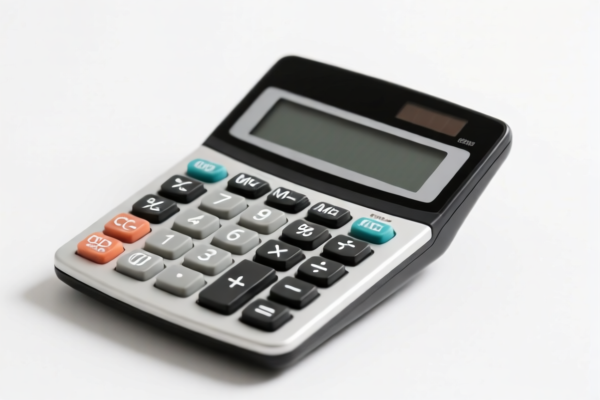
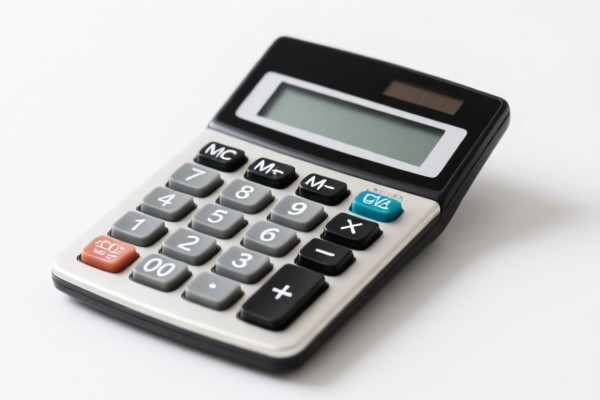
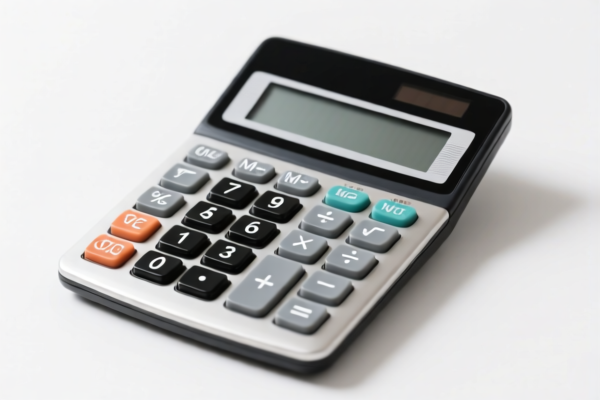
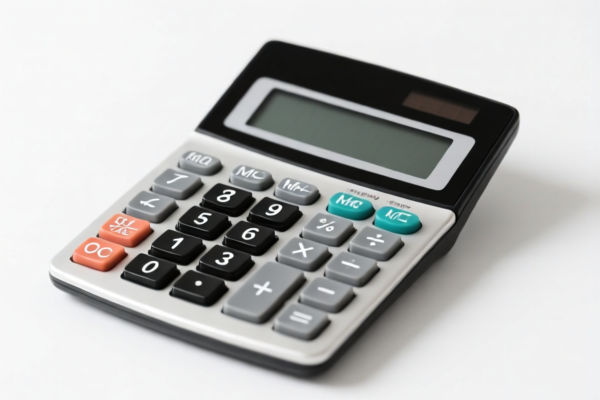
AI Analysis
📂 Calculator Folder (Folders with Integrated Calculator)
🌐 HS Code Reference & Customs Clearance Guide | 2026 Latest Tariff Breakdown | Strategic Classification for "Office Supplies with Electronics"
📌 I. Product Definition & Classification Logic: What Exactly is a "Calculator Folder"?
A "Calculator Folder" is a niche office supply item that combines a stationery container (folder, document holder, or pocket) with a basic electronic calculating device. In international trade, the classification hinges on a critical question: Is the calculator the essential character, or is the folder?
According to general rules of classification (GRI 1 & 3(b)): 1. If the calculator is integral/permanent and defines the product's primary function → It may be considered an electronic device (though rare for simple folders). 2. If the folder is the primary vessel and the calculator is an accessory/attached component → The classification depends heavily on the material of the folder's outer surface.
⚠️ Key Distinction:
- If it's a paper/plastic folder with a glued-on calculator → Classified by folder material (Chapters 39, 42, or 48).
- If it's a high-end leather/durable synthetic folder → Classified as an article of apparel/accessories material (Chapter 42).
- Misclassification Risk: Declaring as "Electronic Equipment" (Ch 85) is usually incorrect unless the device is standalone.
📦 II. HS Code Classification Details (2026 Latest Tariff Alignment)
Based on the provided data, here are the 5 most likely HS Codes depending on the material composition and design logic.
| HS Code | Product Description & Match Logic | Tax Rate (China to US) | Key Determinants |
|---|---|---|---|
| 4202.32.99.00 | Artificial Plastic/Textile Folder: Outer surface made of textile or other materials (non-paper/non-leather). Matches "articles for carrying." | 52.6% | High tariff. Applies if outer material is textile/synthetic fabric (e.g., canvas, nylon folder with calculator). |
| 3926.90.99.89 | Other Plastic Articles: Plastic folder where the calculator is an accessory. "No material conflict." General plastic stationery. | 22.8% | Lowest tariff option. Applies if the folder is generic plastic and not explicitly "plastic sheets" for binding. |
| 3926.90.87.00 | Plastic Folders (Flat): Specifically matches "flat-shaped" plastic folders. Common for plastic sleeve folders with attached calculators. | 40.3% | Medium-High tariff. Applies if the folder is strictly plastic sleeves/sheets (transparent or opaque). |
| 4202.32.20.00 | Plastic Sheets Articles: "Outer surface made of plastic sheets." Matches the logic of plastic-covered folders/pouches. | 55.0% | Highest tariff. Applies if defined as "articles with outer surface of plastic sheets" (e.g., laminated plastic folders). |
| 4820.30.00.20 | Paper/Cardboard Folders: Matches "folders, loose-leaf binders, etc." Made of paper or cardboard. | 35.0% | Moderate tariff. Applies if the folder is standard paper-based stationery. |
🔍 Critical Note:
- The calculator itself does not dictate the HS Code here because it is treated as an integral accessory to the folder.
- The outer material is the deciding factor.
- Chapter 85 (Electronics) is NOT listed in the reference data, implying customs views this primarily as a stationery/folder item, not an electronic device.
💰 III. 2026 Tariff Breakdown Detailed (US-China Trade Context)
✅ Applicable Country: USA (US)
✅ Origin: China (CN)
✅ Effective Date: Post-2025 Trade Policies (Includes Section 301 & IEEPA measures)
🎯 1. 4202.32.99.00 — Textile/Synthetic Folders (High Risk)
| Item | Detail |
|---|---|
| Base Tariff | 17.6% |
| Section 301 Tariff | +25.0% |
| IEEPA Tariff (122 Clauses) | +10.0% |
| Total Effective Rate | 52.6% |
| De Minimis Exemption | ❌ DENIED (Value exceeds $800 threshold often, or categorized as restricted goods) |
| Legal Basis | USITC:4202.32.99.00 → FOOTNOTE:301 → IEEPA:122 |
📌 Interpretation:
- This code attracts ALL additional tariffs.
- 52.6% is a prohibitive rate. Avoid unless the product margin is very high.
🎯 2. 3926.90.99.89 — Other Plastic Articles (Best Value)
| Item | Detail |
|---|---|
| Base Tariff | 5.3% |
| Section 301 Tariff | +7.5% |
| IEEPA Tariff (122 Clauses) | +10.0% |
| Total Effective Rate | 22.8% |
| De Minimis Exemption | ❌ DENIED |
| Legal Basis | USITC:3926.90.99.89 → FOOTNOTE:301 (Lower Bracket) → IEEPA:122 |
📌 Interpretation:
- 22.8% is the most competitive rate among the options.
- This classification assumes the folder is a "generic plastic article" rather than a specific "plastic sheet" folder.
- Strategy: If the folder is made of generic molded plastic, push for this classification.
🎯 3. 3926.90.87.00 — Plastic Folders (Medium Cost)
| Item | Detail |
|---|---|
| Base Tariff | 5.3% |
| Section 301 Tariff | +25.0% |
| IEEPA Tariff (122 Clauses) | +10.0% |
| Total Effective Rate | 40.3% |
| De Minimis Exemption | ❌ DENIED |
| Legal Basis | USITC:3926.90.87.00 → FOOTNOTE:301 → IEEPA:122 |
📌 Interpretation:
- The Base is low (5.3%), but the Section 301 penalty is high (25%).
- Results in 40.3% total. Significant jump from3926.90.99.89.
🎯 4. 4202.32.20.00 — Plastic Sheet Articles (Highest Cost)
| Item | Detail |
|---|---|
| Base Tariff | 20.0% |
| Section 301 Tariff | +25.0% |
| IEEPA Tariff (122 Clauses) | +10.0% |
| Total Effective Rate | 55.0% |
| De Minimis Exemption | ❌ DENIED |
| Legal Basis | USITC:4202.32.20.00 → FOOTNOTE:301 → IEEPA:122 |
📌 Interpretation:
- 55.0% is the worst-case scenario.
- Avoid this if possible. It implies a rigid "plastic sheet" structure (like a binder).
🎯 5. 4820.30.00.20 — Paper Folders (Moderate Cost)
| Item | Detail |
|---|---|
| Base Tariff | 0.0% |
| Section 301 Tariff | +25.0% |
| IEEPA Tariff (122 Clauses) | +10.0% |
| Total Effective Rate | 35.0% |
| De Minimis Exemption | ❌ DENIED |
| Legal Basis | USITC:4820.30.00.20 → FOOTNOTE:301 → IEEPA:122 |
📌 Interpretation:
- 35.0% is moderate.
- Only applicable if the folder is paper/cardboard. If it has any significant plastic coating or structure, this may be challenged.
🛠️ IV. Customs Clearance Practical Advice (Avoiding Pitfalls)
✅ 1. Documentation Checklist (Must-Have)
| Document | Requirement | Purpose |
|---|---|---|
| Product Specification Sheet | ✔️ Mandatory | Clearly state outer material (e.g., "PP Plastic," "Paper," "Polyester"). |
| Commercial Invoice | ✔️ Mandatory | Description must match HS Code logic: "Plastic Document Folder with Attached Calculator, Model XYZ" |
| Photos | ✔️ Mandatory | Show the outer texture/material clearly. Do not obscure the folder material. |
| Composition Breakdown | ✔️ Recommended | List % weight/volume of folder vs. calculator. Helps justify "Folder as Essential Character." |
| Certificate of Origin (CO) | ✔️ Mandatory | To confirm China origin and apply correct Section 301/IEEPA rates. |
✅ 2. Classification Strategy (The "Material Matters" Rule)
🔥 Golden Rule:
"Don't sell the calculator, sell the folder. The material of the folder decides the tax."
| Scenario | Recommended HS Code | Why? |
|---|---|---|
| Standard Plastic Sleeve Folder (Transparent/Clear) | 3926.90.99.89 |
Broadest "Other Plastic Article" bucket → Lowest Duty (22.8%). |
| Rigid Plastic Binder/Case | 4202.32.20.00 or 3926.90.87.00 |
Treated as specific plastic sheet articles → High Duty (40-55%). |
| Paper/Cardboard Folder | 4820.30.00.20 |
Paper base → Moderate Duty (35%). |
| Fabric/Textile Pocket Folder | 4202.32.99.00 |
Textile outer → High Duty (52.6%). |
✅ 3. Common Errors & Avoidance
❌ Error 1: Declaring as "Electronic Organizer" (HS 8517)
👉 Consequence: Customs will reject it because the primary function is storage, not communication/calculation. Delay & Inspection.
❌ Error 2: Misidentifying Material
👉 Consequence: Declaring "Plastic Folder" when it's actually "Textile" → Overpaying Tax (22.8% vs 52.6%) or Underpaying leading to penalties.
❌ Error 3: Ignoring IEEPA Section 122
👉 Consequence: All codes above include a +10% IEEPA tariff. If you forget this, you will face shortage of payment notices and potential fines.
🌍 V. Global Market Comparison (2026 Outlook)
| Region | Recommended HS Code | Est. Duty Rate | Notes |
|---|---|---|---|
| 🇺🇸 USA | 3926.90.99.89 |
22.8% | Best Option. High Section 301 but low base. |
| 🇺🇸 USA | 4202.32.20.00 |
55.0% | Avoid. Highest total burden. |
| 🇪🇺 EU | 4202.32 / 3926.90 |
~5-10% | No Section 301/IEEPA. Standard MFN rates apply. |
| 🇨🇳 China | 4820.30 / 3926.90 |
5-10% | Import duty low, but VAT 13% applies. |
| 🇬🇧 UK | 4202.32 / 3926.90 |
~5% | Post-Brexit tariffs generally lower than US. |
📌 Conclusion for US Importers:
- The US market is the most expensive due to layered tariffs (Base + 301 + IEEPA).
- Optimization Strategy: Choose generic plastic folders (3926.90.99.89) over specific "plastic sheet" or "textile" definitions to minimize the 22.8% rate.
- Paper folders (4820.30.00.20) are a viable alternative at 35.0%, but ensure they are not too "premium" to be reclassified as leather/synthetic.
📌 VI. Final Checklist for Shippers
- Confirm Outer Material: Is it Paper, Generic Plastic, Plastic Sheets, or Textile?
- Select HS Code: Match material to the table above.
- Calculate Landed Cost: Use 22.8% (Best) to 55.0% (Worst) for budgeting.
- Declare Accurately: "Plastic Folder with Calculator" – not "Electronic Device."
- Prepare for Inspection: Have material samples ready if customs questions the "plastic" claim.
✨ Pro Tip:
If you have flexibility in product design, use generic PP plastic for the folder body. This opens the door to
3926.90.99.89, saving you 17.5% to 32.2% in tariffs compared to other classifications.
Small design change = Huge tax savings.
📣 Action Required:
Verify your factory's BOM (Bill of Materials) to confirm the exact outer layer material.
Consult a customs broker to pre-file an Advance Ruling if your volume is high.
Don't let 10% IEEPA or 25% Section 301 eat your profit margin!
Customer Reviews
About HS Code Classification
The Harmonized System (HS) is an internationally standardized nomenclature developed by the World Customs Organization (WCO) to classify traded products. Over 200 countries use the HS system as the basis for customs tariffs, trade statistics, and import/export regulations.
Each HS code follows a hierarchical structure:
- Chapter (2 digits) — Broad category of goods (e.g., Chapter 84: Machinery and Mechanical Appliances)
- Heading (4 digits) — More specific grouping within the chapter
- Subheading (6 digits) — Internationally standardized breakdown, used by all WCO member countries
- National subdivisions (8-10 digits) — Country-specific extensions for further classification, such as US HTSUS 10-digit codes
Correct HS code classification is essential for smooth customs clearance, accurate duty payment, and compliance with trade regulations. Misclassification can lead to customs delays, overpayment of duties, or penalties.
When importing from CN to US, the applicable tariff rates may include:
- Most-Favored-Nation (MFN) rate — The standard duty rate applied to WTO members
- General rate — Applied to countries without trade agreements
- Trade remedy duties — Additional tariffs such as Section 301 (anti-dumping), Section 232 (national security), or countervailing duties
The information provided on this page is for reference purposes only. For official classification, please consult with your local customs authority or a licensed customs broker.