Calender or Roller Machine Parts
CN → US| HS Code | Tariff Rate | Origin | Destination | Doc |
|---|---|---|---|---|
| 8442509000 | 17.5% | CN | US | Official Doc |
| 8479909560 | 35.0% | CN | US | Official Doc |
| 8483908080 | 37.8% | CN | US | Official Doc |
| 8442400000 | 35.0% | CN | US | Official Doc |
| 8479909565 | 35.0% | CN | US | Official Doc |
Product Images
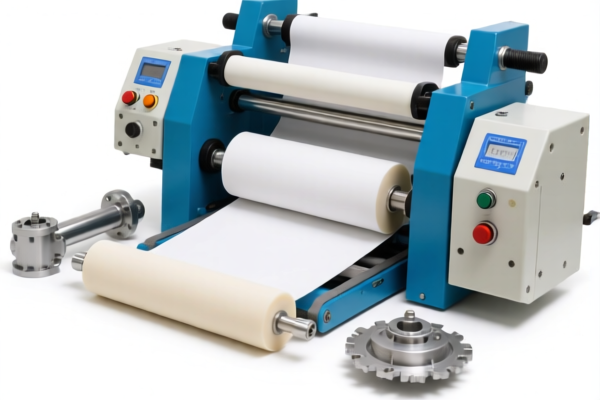
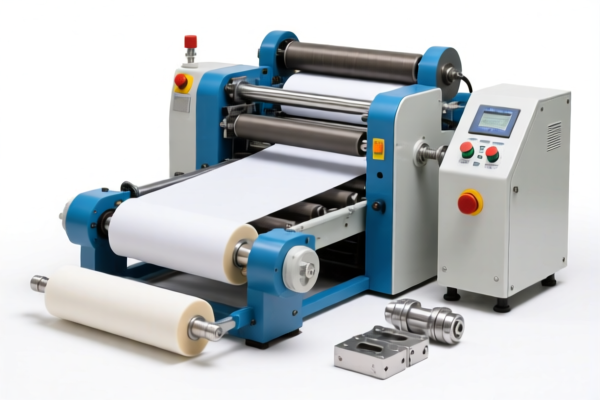
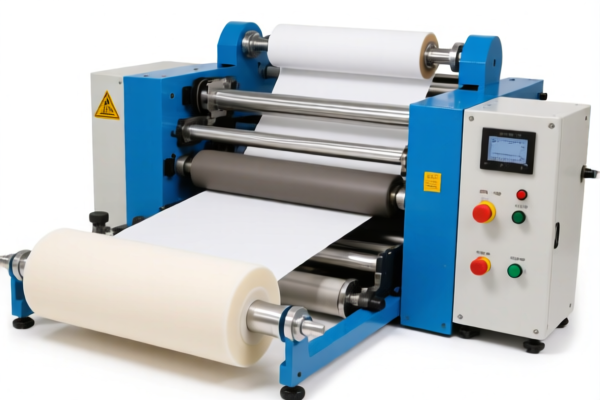
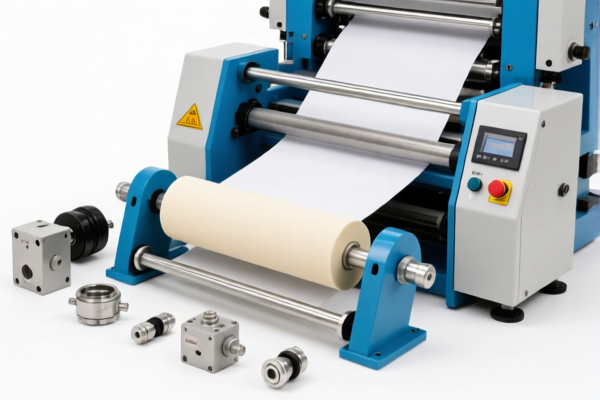
AI Analysis
⚙️ Calender or Roller Machine Parts (压光机或辊筒机零件)
🌐 HS Code Classification & Customs Clearance Guide | 2026 Tax Tariff Analysis | Strategic Compliance Strategy
📌 I. Product Definition & Classification: What Are "Calender or Roller Machine Parts"?
"Calender or Roller Machine Parts" refers to specialized components used in industrial machinery that employ pressure rollers (calenders or rollers) to flatten, smooth, coat, or laminate materials. These machines are critical in industries such as printing, paper manufacturing, metal processing, and wood/fiber treatment.
In international trade, these parts are not classified as a single unit. Instead, their HS Code depends entirely on the function of the part and the specific machine subsystem it belongs to. Misclassification leads to severe tariff penalties, as shown in the data below.
⚠️ Key Distinction:
- Is the part related to the printing/printing component system? → Chapter 8442
- Is the part related to wood/fiber processing or metal processing? → Chapter 8479
- Is the part a mechanical transmission component (gears, shafts)? → Chapter 8483
📦 II. HS Code Classification Details (2026 Latest Tariff对照)
The following table maps the specific HS Codes from your data to their functional categories and tax implications.
| HS Code | Product Description (Summary) | Functional Category | Total Tax Rate |
|---|---|---|---|
8442.50.90.00 |
Parts of printing cylinders and other printing components | Printing Components | 17.5% |
8442.40.00.00 |
Mechanical parts for cylinder making or printing components | Printing Component Machinery | 35.0% |
8479.90.95.60 |
Parts for machinery for working wood or similar materials | Wood/Fiber Machinery Parts | 35.0% |
8479.90.95.65 |
Parts for machines for working metal or metal carbides | Metal Processing Machinery Parts | 35.0% |
8483.90.80.80 |
Parts of transmission shafts, crankshafts, gears, etc. | Mechanical Transmission Parts | 37.8% |
🔍 Critical Analysis:
- Lowest Tax (17.5%): Only applies to parts specifically identified as components of printing cylinders (8442.50.90.00).
- Medium Tax (35.0%): Applies to parts for wood/fiber machinery, metal processing machinery, and printing cylinder making machinery.
- Highest Tax (37.8%): Applies to general mechanical transmission parts (8483.90.80.80), which are taxed at a base rate plus additional duties.
💰 III. 2026 Tariff Rate Detailed Breakdown (Including Surtaxes)
✅ Applicable Region: United States (US)
✅ Origin: China (CN)
✅ Validity: Current rates as per 2026 data provided.
🎯 1. 8442.50.90.00 – Printing Cylinder Parts (Lowest Risk)
| Item | Detail |
|---|---|
| Base Duty | 0.0% |
| Section 301 Surtax | 7.5% |
| Section 122 Tariff | 10.0% |
| Total Effective Rate | 17.5% |
| Tax Calculation | CIF Value × 17.5% |
| De Minimis Eligibility | ❌ No (Denied due to high surtax rates) |
📌 Explanation:
- This is the most favorable classification for calender/roller parts.
- The "Section 301 Surtax" is lower (7.5%) compared to other machinery parts (25%).
- The "Section 122 Tariff" adds an additional 10%.
- Total: 17.5%. This category is ideal if the part is strictly a printing cylinder component.
🎯 2. 8442.40.00.00 – Printing Cylinder Making Machinery Parts
| Item | Detail |
|---|---|
| Base Duty | 0.0% |
| Section 301 Surtax | 25.0% |
| Section 122 Tariff | 10.0% |
| Total Effective Rate | 35.0% |
| Tax Calculation | CIF Value × 35.0% |
| De Minimis Eligibility | ❌ No |
📌 Explanation:
- Although related to printing, this code covers machinery for making cylinders, not the cylinders themselves.
- The Section 301 surtax jumps to 25%, significantly increasing costs.
🎯 3. 8479.90.95.60 – Wood/Fiber Machinery Parts
| Item | Detail |
|---|---|
| Base Duty | 0.0% |
| Section 301 Surtax | 25.0% |
| Section 122 Tariff | 10.0% |
| Total Effective Rate | 35.0% |
| Tax Calculation | CIF Value × 35.0% |
| De Minimis Eligibility | ❌ No |
📌 Explanation:
- If the calender machine is used for paper, cardboard, or wood processing, it falls under "Other Machines" (8479).
- High tariff burden due to the 25% surtax.
🎯 4. 8479.90.95.65 – Metal Processing Machinery Parts
| Item | Detail |
|---|---|
| Base Duty | 0.0% |
| Section 301 Surtax | 25.0% |
| Section 122 Tariff | 10.0% |
| Total Effective Rate | 35.0% |
| Tax Calculation | CIF Value × 35.0% |
| De Minimis Eligibility | ❌ No |
📌 Explanation:
- If the roller is used for metal sheet processing (rolling mills), this code applies.
- Same 35% total rate as wood machinery.
🎯 5. 8483.90.80.80 – Mechanical Transmission Parts (Highest Risk)
| Item | Detail |
|---|---|
| Base Duty | 2.8% |
| Section 301 Surtax | 25.0% |
| Section 122 Tariff | 10.0% |
| Total Effective Rate | 37.8% |
| Tax Calculation | CIF Value × 37.8% |
| De Minimis Eligibility | ❌ No |
📌 Explanation:
- This code covers generic gears, shafts, bearings, or transmission parts.
- It has the highest total tax (37.8%) because it incurs a 2.8% base duty in addition to the surtaxes.
- Warning: Do not use this code unless the part is a standalone transmission component unrelated to the specific machine function.
🛠️ IV. Customs Clearance Practical Advice (Pitfall Avoidance)
✅ 1. Documentation Checklist (Must-Have)
| Document | Required? | Purpose |
|---|---|---|
| ✅ Detailed Product Specification | ✔️ | Must clearly state: "Part for Calender/Roller Machine." |
| ✅ Functional Description | ✔️ | Explain if it is for printing, wood, or metal. |
| ✅ Technical Drawings | ✔️ | Show how the part fits into the machine. |
| ✅ Commercial Invoice | ✔️ | List HS Code explicitly. Do not use generic terms like "Machine Part." |
| ✅ Certificate of Origin | ✔️ | Confirm CN origin to apply correct surtax rates. |
✅ 2. Classification Strategy (Key Takeaway)
🔥 "Function Determines Code, Not Just Name!"
| Scenario | Recommended HS Code | Tax Rate | Why? |
|---|---|---|---|
| Part is a printing cylinder component | 8442.50.90.00 |
17.5% | Lowest tax; specific to printing. |
| Part is for a paper/wood calender | 8479.90.95.60 |
35.0% | Falls under wood/fiber machinery. |
| Part is for a metal rolling mill | 8479.90.95.65 |
35.0% | Falls under metal processing. |
| Part is a gear/shaft (generic) | 8483.90.80.80 |
37.8% | High base duty + surtax. |
| Part is for making printing cylinders | 8442.40.00.00 |
35.0% | Machinery, not the component itself. |
✅ 3. Special Handling Tips
| Situation | Advice |
|---|---|
| OEM Parts | Provide the original machine's manual showing the part number and function. |
| Generic Rollers | If the roller is universal, classify based on the primary machine it is shipped with or intended for. |
| Kit of Parts | If shipped as a set, the essential character determines the HS Code. If the set is mostly transmission parts, 8483 may apply (37.8%). |
| Avoid "Part for Machine" | Do not use vague descriptions. Customs may downgrade to 8483 (37.8%) or penalize for misclassification. |
🌍 V. Global Market Comparison (2026 Overview)
| Region | Recommended HS Code | Approx. Tax (China Origin) | Notes |
|---|---|---|---|
| 🇺🇸 USA | 8442.50.90.00 (Best Case) |
17.5% | Lowest possible. Others are 35-37.8%. |
| 🇺🇸 USA | 8483.90.80.80 (Worst Case) |
37.8% | Highest risk category. |
| 🇨🇳 China | 8442.50.90.00 |
~10-15% | Lower than US, but depends on local tariff schedule. |
| 🇪🇺 EU | 8442.50.90 |
~0-4% | No Section 301/122 equivalent surtaxes. |
📌 Conclusion:
- The USA is the most challenging market for these parts due to Section 301 and Section 122 tariffs.
- Strategic Goal: Aim for8442.50.90.00(17.5%) by clearly defining the part as a printing cylinder component.
- Avoid8483unless necessary, as the 37.8% rate is the highest in the dataset.
📌 VI. Common Mistakes & Pitfalls (Lessons Learned)
❌ Mistake 1: Classifying all roller parts as 8483.90.80.80
👉 Result: 37.8% tax. If the part is actually for printing, you pay 20.3% more than necessary.
❌ Mistake 2: Using "Machine Parts" as a generic description
👉 Result: Customs may classify under 8479 (35%) or 8483 (37.8%) due to lack of specificity.
❌ Mistake 3: Ignoring the "Section 122 Tariff"
👉 Result: Even with 0% base duty, the 10% Section 122 tariff applies to all these codes. Total cost is not just the base rate.
✅ Correct Approach:
"Printing Cylinder Roller, Model XYZ, for Use in Offset Printing Press, CNC Machined Aluminum Alloy."
🎯 VII. Conclusion: Precision Saves Money!
🎯 Remember the Golden Rule:
🔹 "Print = 17.5%, Wood/Metal = 35%, Gears = 37.8%."
🔹 "Describe the Function, Not Just the Shape."
📌 Pro Tip:
If your parts are multi-purpose, consider shipping them separately or providing a detailed end-use declaration to support the lower 17.5% classification. Always seek a Pre-Ruling (Advance Ruling) from US Customs if the value is significant.
📣 Immediate Action:
📞 Verify the HS Code with your supplier based on the machine's primary function.
📄 Update your commercial invoice with precise descriptions.
🚀 Minimize tariff exposure by targeting8442.50.90.00!
✨ Accurate Classification is the First Step to Profitable Trade!
💼 Don't Let Tariffs Eat Your Margins!
Customer Reviews
About HS Code Classification
The Harmonized System (HS) is an internationally standardized nomenclature developed by the World Customs Organization (WCO) to classify traded products. Over 200 countries use the HS system as the basis for customs tariffs, trade statistics, and import/export regulations.
Each HS code follows a hierarchical structure:
- Chapter (2 digits) — Broad category of goods (e.g., Chapter 84: Machinery and Mechanical Appliances)
- Heading (4 digits) — More specific grouping within the chapter
- Subheading (6 digits) — Internationally standardized breakdown, used by all WCO member countries
- National subdivisions (8-10 digits) — Country-specific extensions for further classification, such as US HTSUS 10-digit codes
Correct HS code classification is essential for smooth customs clearance, accurate duty payment, and compliance with trade regulations. Misclassification can lead to customs delays, overpayment of duties, or penalties.
When importing from CN to US, the applicable tariff rates may include:
- Most-Favored-Nation (MFN) rate — The standard duty rate applied to WTO members
- General rate — Applied to countries without trade agreements
- Trade remedy duties — Additional tariffs such as Section 301 (anti-dumping), Section 232 (national security), or countervailing duties
The information provided on this page is for reference purposes only. For official classification, please consult with your local customs authority or a licensed customs broker.