Camera Kit
CN → US| HS Code | Tariff Rate | Origin | Destination | Doc |
|---|---|---|---|---|
| 9006596000 | 16.8% | CN | US | Official Doc |
| 9002119000 | 37.3% | CN | US | Official Doc |
| 9002114000 | 37.45% | CN | US | Official Doc |
| 9006910001 | 23.3% | CN | US | Official Doc |
| 9001904000 | 10.0% | CN | US | Official Doc |
Product Images
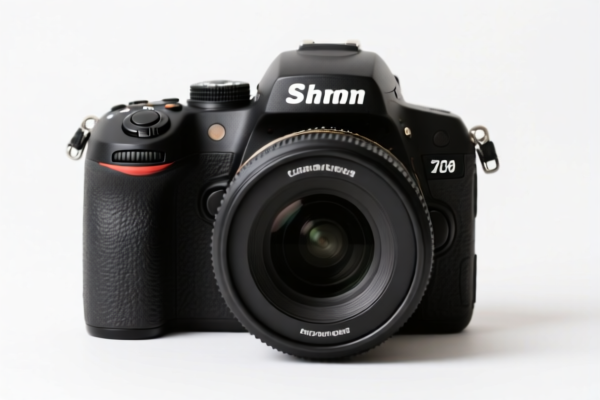
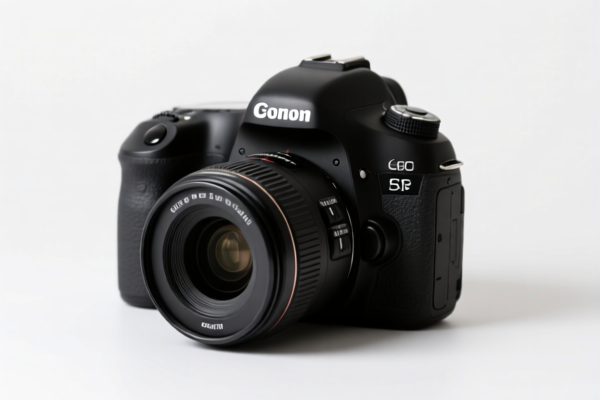
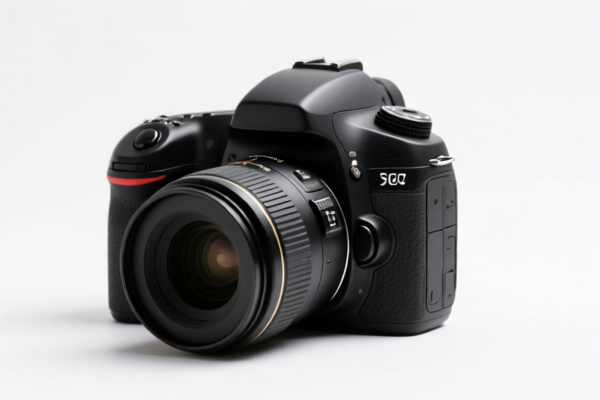
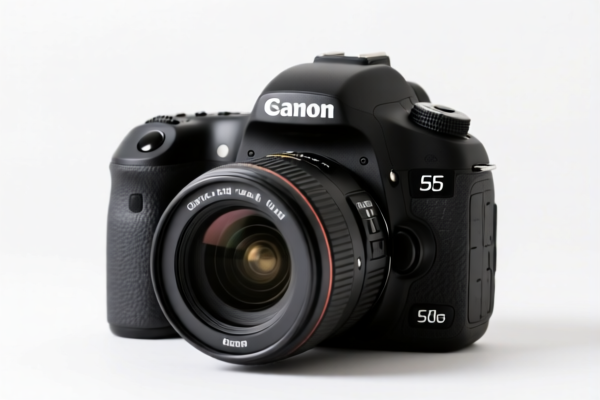
AI Analysis
📸 Camera Kit (镜头相机套装)
🌐 HS Code Reference & Clearance Guide | 2026 Latest Tariff Analysis | Professional Clearance Strategy
📌 I. Product Definition & Classification: Do You Truly Understand "Camera Kits"?
A Camera Kit typically consists of a camera body and one or more lenses, often sold together. In international trade, the classification depends heavily on whether the item is viewed as a complete camera or as separate optical components/parts. This distinction drastically affects the tariff rate due to Section 301 and IEEPA penalties.
⚠️ Key Distinction Point:
- If the kit is classified as a complete camera, it falls under the "catch-all" logic for other cameras, potentially benefiting from lower base tariffs.
- If the kit is deconstructed into lenses (objective lenses) or parts/accessories, it triggers higher base tariffs and significant punitive taxes (Section 122 and Trade Act Section 301).
📦 II. HS Code Classification Details (2026 Latest Tariff Authority)
| HS Code | Product Description | Application Scenario | Total Tax Rate |
|---|---|---|---|
9006.59.60.00 |
Camera Body Set (Camera Category) | Complete camera set, treated as "Other Cameras" | 16.8% |
9002.11.90.00 |
Lens as Objective Lens | Lens corresponds to objective lenses; camera set fits photographic use | 37.3% |
9002.11.40.00 |
Lens as Objective (Video/Camera) | Lens falls under objective lens category; camera set fits video equipment | 37.45% |
9006.91.00.01 |
Camera Parts & Accessories | Lens treated as a part/attachment for cameras | 23.3% |
9001.90.40.00 |
Optical Elements Kit | Camera lens kit contains optical elements (glass/materials) | 10.0% |
🔍 Key Reminder:
-9006.59.60.00offers the lowest effective tax burden (16.8%) by treating the kit as a complete camera unit.
- Classifying the lens separately (9002.11...) significantly increases the tax rate to ~37.4% due to high punitive tariffs.
- Classification as optical materials (9001.90.40.00) has the lowest base rate but is risky if the product is clearly a finished camera accessory.
💰 III. 2026 Latest Tariff Rate Breakdown (Including Surcharge & Policy Add-ons)
✅ Applicable Country: United States (US)
✅ Country of Origin: China (CN)
✅ Effective Date: Current (Subject to ongoing Section 301 and IEEPA regulations)
🎯 1. 9006.59.60.00 — Camera Set (Other Cameras)
| Item | Content |
|---|---|
| Base Tariff | 6.8% |
| Section 301 Surcharge | 0.0% |
| Section 122 Tariff | 10.0% |
| Total Tax Rate | 16.8% |
| Tax Calculation | CIF Value × 16.8% |
| De Minimis Exemption | ❌ Not Applicable (Section 301 items usually excluded or restricted) |
| Legal Basis Path | HTSUS:9006.59.60.00 → Section 122 Authority |
📌 Explanation:
- This classification treats the kit as a complete camera under the "other cameras" catch-all provision.
- The 10% Section 122 tariff applies, but notably, there is 0% Section 301 surcharge listed for this specific subheading in the provided data, making it the most cost-effective option for complete kits.
- Base rate of 6.8% is moderate compared to lens-specific codes.
🎯 2. 9002.11.90.00 — Lens as Objective Lens
| Item | Content |
|---|---|
| Base Tariff | 2.3% |
| Section 301 Surcharge | 25.0% |
| Section 122 Tariff | 10.0% |
| Total Tax Rate | 37.3% |
| Tax Calculation | CIF Value × 37.3% |
| De Minimis Exemption | ❌ Not Applicable |
| Legal Basis Path | HTSUS:9002.11.90.00 → Section 301: Footnote 9903.88.01 → Section 122 |
📌 Note:
- Although the base tariff is low (2.3%), the 25% Section 301 surcharge (Trade Act) drastically increases the cost.
- This applies when the lens is classified independently as an objective lens rather than part of a camera system.
🎯 3. 9002.11.40.00 — Lens as Objective (Video/Camera)
| Item | Content |
|---|---|
| Base Tariff | 2.45% |
| Section 301 Surcharge | 25.0% |
| Section 122 Tariff | 10.0% |
| Total Tax Rate | 37.45% |
| Tax Calculation | CIF Value × 37.45% |
| De Minimis Exemption | ❌ Not Applicable |
| Legal Basis Path | HTSUS:9002.11.40.00 → Section 301 → Section 122 |
📌 Note:
- Very similar to9002.11.90.00, but slightly higher base rate.
- High punitive tariffs make this classification expensive for imports from China.
🎯 4. 9006.91.00.01 — Camera Parts & Accessories
| Item | Content |
|---|---|
| Base Tariff | 5.8% |
| Section 301 Surcharge | 7.5% |
| Section 122 Tariff | 10.0% |
| Total Tax Rate | 23.3% |
| Tax Calculation | CIF Value × 23.3% |
| De Minimis Exemption | ❌ Not Applicable |
| Legal Basis Path | HTSUS:9006.91.00.01 → Section 301 → Section 122 |
📌 Note:
- Classifying the kit as parts/accessories results in a mid-range tax rate.
- The Section 301 surcharge is 7.5% (lower than the 25% for lenses), but still significant.
🎯 5. 9001.90.40.00 — Optical Elements Kit
| Item | Content |
|---|---|
| Base Tariff | 0.0% |
| Section 301 Surcharge | 0.0% |
| Section 122 Tariff | 10.0% |
| Total Tax Rate | 10.0% |
| Tax Calculation | CIF Value × 10.0% |
| De Minimis Exemption | ❌ Not Applicable |
| Legal Basis Path | HTSUS:9001.90.40.00 → Section 122 |
📌 Note:
- This classification applies if the kit is viewed primarily as optical glass/materials rather than a functional camera system.
- Lowest total tax (10%), but high risk of misclassification if the product is clearly a finished camera lens system. Customs may reject this if the product is not merely raw optical elements.
🛠️ IV. Clearance Practical Advice (Best Practices)
✅ 1. Documentation Checklist (Essential)
| Document | Required | Explanation |
|---|---|---|
| ✅ Product Specification Sheet | ✔️ | Must detail components (body, lens, attachments) |
| ✅ Product Photos (Clear) | ✔️ | Show kit contents, branding, and configuration |
| ✅ Commercial Invoice | ✔️ | Clearly state "Camera Kit" or "Photographic Equipment" |
| ✅ Packing List | ✔️ | List all items included in the set |
| ✅ Certificate of Origin | ✔️ | Confirm Country of Origin (China triggers specific surcharges) |
| ✅ Function Description | ✔️ | Explain if it’s a complete camera system or just accessories |
✅ 2. Declaration Strategy (Key Mnemonic)
🔥 "Complete Kit is Camera, Lens Alone is Objective, Parts are Accessories, Optics are Materials!"
| Scenario | Correct Declaration | Incorrect Approach |
|---|---|---|
| Camera Body + Lens together | 9006.59.60.00 (Camera) |
Split into camera + lens → Higher total tax |
| Lens Only | 9002.11.90.00 (Objective Lens) |
Declare as "Camera Part" → Risk of rejection |
| Just Camera Body | 9006.59.60.00 |
Declare as "Optical Glass" → High risk of audit |
| Kit as Optical Materials | 9001.90.40.00 |
Declare as "Camera Kit" → Misclassification penalty |
✅ 3. Special Cases & Pitfalls
| Scenario | Handling Advice |
|---|---|
| OEM Custom Kits | Provide design specs to justify "Camera" classification over "Parts" |
| Mixed Bundles (Lens + Bag + Card) | Declare as main item (Camera/Lens) to avoid per-item high taxes |
| Optical Lens vs. Camera Lens | If it’s a pure scientific lens, use 9002.11...; if for photography, consider 9006.59... if complete |
| Section 122 Impact | Note that all these codes include a 10% Section 122 tariff, so no classification avoids it entirely |
🌍 V. Global Market Clearance Comparison (2026 Latest)
| Country/Region | Recommended HS Code | Tariff | Certification | Notes |
|---|---|---|---|---|
| 🇺🇸 USA | 9006.59.60.00 |
16.8% | FCC, CE | Best rate for complete kits |
| 🇨🇳 China | 9006.59.60.00 |
6.8% | CCC | No Section 122 or 301 |
| 🇪🇺 EU | 9006.59.60.00 |
0%* | CE | No punitive tariffs |
| 🇬🇧 UK | 9006.59.60.00 |
0%* | UKCA | Post-Brexit alignment |
| 🇦🇺 Australia | 9006.59.60.00 |
5% | RCM | Standard FTA rates apply |
📌 Conclusion:
- The USA is the most complex market due to Section 301 and IEEPA surcharges.
- For USA imports,9006.59.60.00is the optimal choice to minimize tax burden (16.8% vs. 37%+ for lenses).
- China-origin goods face significant punitive tariffs; consider supply chain diversification if possible.
📌 VI. Common Errors & Pitfalls (Lessons Learned)
❌ Error 1: Declaring a complete camera kit as "Optical Glass" (9001.90.40.00)
👉 Consequence: Customs may reject the declaration for misclassification → Delays & Penalties
❌ Error 2: Splitting a camera kit into "Camera Body" and "Lens" for separate declaration
👉 Consequence: Lens may be taxed at 37.45% → Total tax exceeds single-item declaration
❌ Error 3: Ignoring Section 122 Tariff
👉 Consequence: All camera-related items from China face an additional 10% → Budget miscalculation
❌ Error 4: Using vague descriptions like "Photography Equipment"
👉 Consequence: Customs lacks clarity → Manual examination & delays
✅ Correct Approach:
"Camera Kit, Model XYZ, Includes Camera Body and 50mm Lens, FCC Certified, for Photographic Use"
🎯 VII. Conclusion: Precision in Classification Saves Money!
🎯 Key Takeaways:
🔹 "Complete Kit = Camera (16.8%)", "Lens Alone = Objective (37.45%)"
🔹 "Section 122 Tariff (10%) applies to all", so optimize the base rate.
🔹 "Avoid splitting kits", as it triggers higher punitive tariffs on lenses.
📌 Pro Tip:
If your camera kit is manufactured in Vietnam, Thailand, or Malaysia, you may qualify for Section 301 exemptions or lower tariffs.
Consider applying for an Advance Ruling from US Customs to confirm the correct HS Code before shipment.
📣 Action Plan:
📞 Consult a licensed customs broker
📄 Provide detailed product specs
🚀 Secure correct HS Code to minimize costs and ensure smooth clearance
✨ Professional Clearance, Start with Accurate Classification!
💼 Every percentage point saved is pure profit!
Customer Reviews
About HS Code Classification
The Harmonized System (HS) is an internationally standardized nomenclature developed by the World Customs Organization (WCO) to classify traded products. Over 200 countries use the HS system as the basis for customs tariffs, trade statistics, and import/export regulations.
Each HS code follows a hierarchical structure:
- Chapter (2 digits) — Broad category of goods (e.g., Chapter 84: Machinery and Mechanical Appliances)
- Heading (4 digits) — More specific grouping within the chapter
- Subheading (6 digits) — Internationally standardized breakdown, used by all WCO member countries
- National subdivisions (8-10 digits) — Country-specific extensions for further classification, such as US HTSUS 10-digit codes
Correct HS code classification is essential for smooth customs clearance, accurate duty payment, and compliance with trade regulations. Misclassification can lead to customs delays, overpayment of duties, or penalties.
When importing from CN to US, the applicable tariff rates may include:
- Most-Favored-Nation (MFN) rate — The standard duty rate applied to WTO members
- General rate — Applied to countries without trade agreements
- Trade remedy duties — Additional tariffs such as Section 301 (anti-dumping), Section 232 (national security), or countervailing duties
The information provided on this page is for reference purposes only. For official classification, please consult with your local customs authority or a licensed customs broker.