Camera Protective Film
CN → US| HS Code | Tariff Rate | Origin | Destination | Doc |
|---|---|---|---|---|
| 3919905040 | 40.8% | CN | US | Official Doc |
| 3919905060 | 40.8% | CN | US | Official Doc |
| 3920991000 | 41.0% | CN | US | Official Doc |
| 3920992000 | 39.2% | CN | US | Official Doc |
Product Images
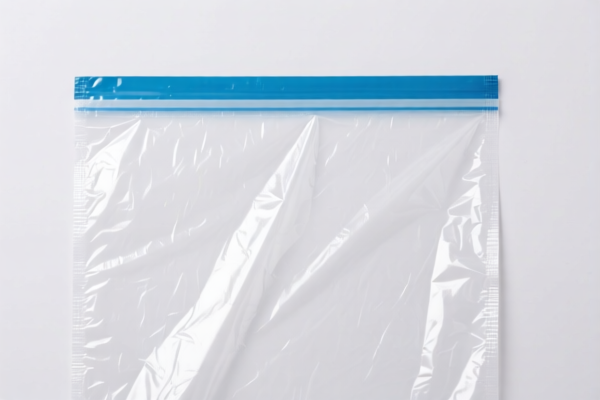
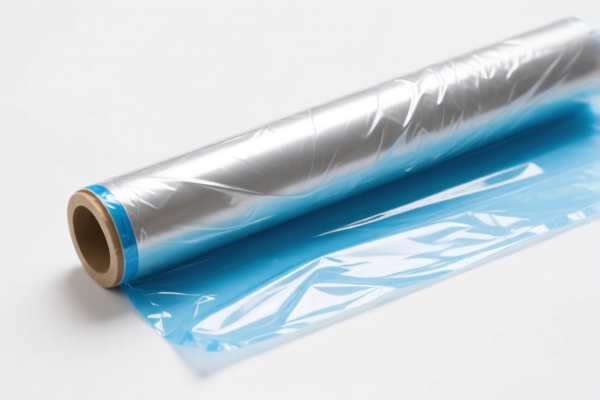
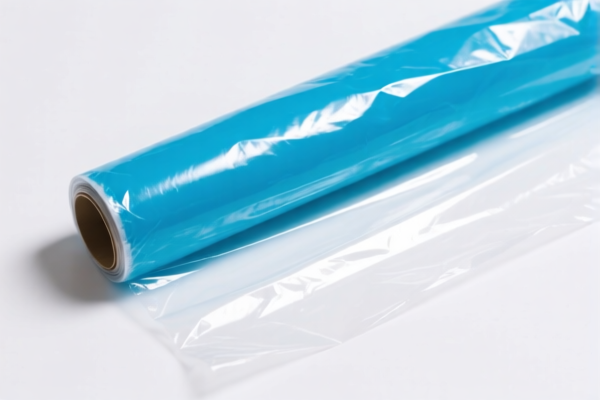
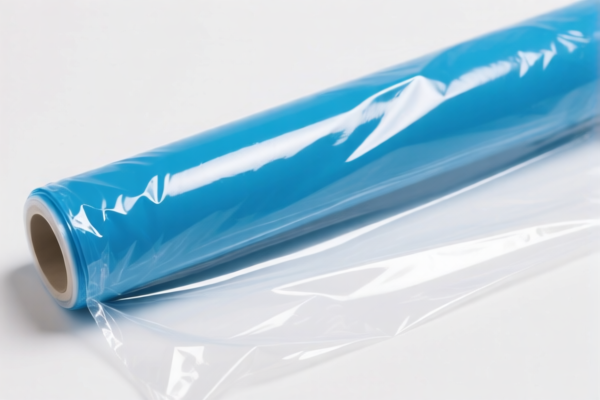
AI Analysis
📸 Camera Protective Film (Screen & Lens Protector)
🌐 HS Code Reference & Customs Clearance Guide | 2026 Latest Tariff Breakdown | Professional-Level Entry Strategy
📌 I. Product Definition & Classification: Do You Really Know "Protective Film"?
Camera Protective Films are specialized self-adhesive layers designed to shield electronic screens (LCD/OLED) or optical lenses from scratches, impacts, and environmental damage. In international trade, these are primarily classified as Plastic Articles due to their material composition (typically PET, TPU, or Polycarbonate), rather than as camera accessories or optical instruments.
The critical distinction lies in the form and function: * Self-Adhesive Plastic Films: Sheets of plastic with a sticky backing, cut to shape but lacking independent structural integrity or electronic components. → Chapter 39 * Parts of Cameras: If the item were a complex mechanical shutter or electronic sensor, it would fall under Chapter 90. However, simple protective films do not qualify.
⚠️ Key Distinction Point:
- If it is a flat, self-adhesive sheet made of plastic (PET/TPU) → It falls under HS Code 3919 (Self-adhesive plates, sheets, film...)
- If it is a non-self-adhesive roll or specific plastic sheeting used for protection → It might fall under HS Code 3920 (Other plates, sheets, film...)
- Crucial Note: Do NOT classify under "Camera Parts" (9006/9007). The film is a plastic product, not a functional part of the camera mechanism.
📦 II. HS Code Classification Details (2026 Latest Tariff Authority Match)
Based on the provided data, here are the precise HS Codes for Camera Protective Films:
| HS Code | Product Description | Material/Form | Applicable Scenario |
|---|---|---|---|
3919.90.50.40 |
Self-adhesive plastic film | PET/Plastic, Adhesive Backing | Screen protectors for DSLR/Mirrorless LCDs, GoPros, or smartphone cameras with adhesive |
3919.90.50.60 |
Other self-adhesive flat shapes | Plastic, Unspecified | General self-adhesive protective films not explicitly listed elsewhere; versatile application |
3920.99.10.00 |
Other plastic plates, sheets, film | PET/TPU, Non-adhesive or generic | Protective films that may not be strictly "self-adhesive" in the legal sense, or generic plastic sheeting used as protection |
3920.99.20.00 |
Other plastic plates, sheets, film | Plastic (PET/TPU), Unspecified | Alternative classification for plastic sheets used for protection, focusing on material properties |
🔍 Focus Reminder:
- All listed codes fall under Chapter 39 (Plastics and Articles Thereof).
- The presence of adhesive (self-adhesive) strongly favors 3919.
- If the product is simply a plastic sheet without adhesive, it falls under 3920.
- Do not assume "Camera Accessory" classification; customs looks at the material and form, not just the end-use.
💰 III. 2026 Latest Tariff Rate Breakdown (Including Surcharges)
✅ Applicable Country: United States (US)
✅ Origin: China (CN)
✅ Effective Time: Current policies including Section 301 and Section 122 measures
🎯 1. 3919.90.50.40 & 3919.90.50.60 —— Self-Adhesive Plastic Films
| Item | Content |
|---|---|
| Basic Tariff | 5.8% (ad valorem) |
| Section 301 Surcharge | +25.0% (USITC Footnote related to China-origin goods) |
| Section 122 Tariff | +10.0% (Specific measure for certain Chinese imports) |
| Total Rate | 40.8% |
| Tax Calculation | CIF Value × 40.8% |
| De Minimis Eligibility | ❌ No (High tariff items often excluded from de minimis benefits depending on current CBP enforcement) |
| Legal Basis Path | Section 301: 9903.88.01 → Section 122: 9903.01.24 → USITC: 3919.90.50.40/60 |
📌 Explanation:
- The 5.8% is the standard Most Favored Nation (MFN) rate for self-adhesive plastic films.
- The 25% is the standard Section 301 tariff for most Chinese plastic products.
- The 10% is an additional layer under Section 122, often applied to specific categories of Chinese goods to restrict unfair trade practices.
- Total Impact: A 40.8% duty burden is significant. This must be factored into your landed cost calculation.
🎯 2. 3920.99.10.00 —— Other Plastic Plates, Sheets, Films
| Item | Content |
|---|---|
| Basic Tariff | 6.0% (ad valorem) |
| Section 301 Surcharge | +25.0% |
| Section 122 Tariff | +10.0% |
| Total Rate | 41.0% |
| Tax Calculation | CIF Value × 41.0% |
| De Minimis Eligibility | ❌ No |
| Legal Basis Path | Section 301: 9903.88.01 → Section 122: 9903.01.24 → USITC: 3920.99.10.00 |
📌 Note:
- Slightly higher base rate (6.0% vs 5.8%) results in a marginally higher total tax.
- Typically used if the film is not classified as "self-adhesive" or falls under "other plastic sheets."
🎯 3. 3920.99.20.00 —— Other Plastic Plates, Sheets, Films (Alternative)
| Item | Content |
|---|---|
| Basic Tariff | 4.2% (ad valorem) |
| Section 301 Surcharge | +25.0% |
| Section 122 Tariff | +10.0% |
| Total Rate | 39.2% |
| Tax Calculation | CIF Value × 39.2% |
| De Minimis Eligibility | ❌ No |
| Legal Basis Path | Section 301: 9903.88.01 → Section 122: 9903.01.24 → USITC: 3920.99.20.00 |
📌 Optimization Tip:
- This code offers the lowest total tariff (39.2%) among the options.
- However, it requires that the product fits the specific description of "other plastic materials" and not strictly "self-adhesive films" under 3919, or that the base rate advantage outweighs classification risk.
- Caution: Misclassification risk exists. Ensure the product description aligns with 3920.99.20.00 criteria (e.g., specific plastic type, non-adhesive nature).
🛠️ IV. Customs Clearance Practical Advice (Battle-Tested Pitfall Guide)
✅ 1. Preparation Checklist (Non-Negotiable)
| Document | Required | Explanation |
|---|---|---|
| ✅ Product Specification Sheet | ✔️ | Must state material (PET/TPU), thickness, adhesive type (if any), and dimensions. |
| ✅ Product Photos | ✔️ | Clear images showing the film, adhesive backing (if visible), and packaging. |
| ✅ Commercial Invoice | ✔️ | Clearly describe as "Camera Screen Protective Film, Plastic, Self-Adhesive." Avoid vague terms like "Accessories." |
| ✅ HS Code Justification | ✔️ | Prepare a brief rationale explaining why it falls under 3919/3920 (material vs. function). |
| ✅ Declaration Statement | ✔️ | Confirm no electronic components are included in the film itself. |
✅ 2. Declaration Tips (Key Mantras)
🔥 "Material First, Adhesive Key, Code 39, Tariff High!"
| Scenario | Correct Declaration | Incorrect Approach |
|---|---|---|
| Self-Adhesive Film | HS 3919.90.50.40 / 50.60 |
Classify as "Camera Part" (9006) → Audit Risk & Penalties |
| Non-Adhesive Plastic Sheet | HS 3920.99.10.00 or 20.00 |
Claim as "Textile" or "Rubber" → Rejection & Seizure |
| Packaging Includes Film + Box | Declare Film separately or as part of the kit | Split the film from the box to avoid tax → Smuggling Flag |
| OEM Custom Cut Film | Specify "Custom Cut" in description | Generic "Plastic Film" → Valuation Disputes |
✅ 3. Special Situations Handling
| Situation | Handling Advice |
|---|---|
| Sample Shipments | Even for samples, declare accurately. De minimis may not apply due to high duty rates and Section 301 status. |
| Multi-Purpose Film (e.g., for Phone & Camera) | Classify based on primary use or design. If primarily for cameras, reference camera protection. If generic, 3919/3920 still apply. |
| Hybrid Products (Film + Cleaning Kit) | If sold together, declare as a set. The film usually dictates the HS code. Ensure the cleaning cloth is included in the description. |
| Origin Shift | If manufactured in Vietnam or Malaysia, IEEPA/Section 301 tariffs may be waived. Source certificates of origin to reduce tax to 0%-5%. |
🌍 V. Global Market Comparison (2026 Latest)
| Country/Region | Recommended HS Code | Duty Rate (China Origin) | Certification | Notes |
|---|---|---|---|---|
| 🇺🇸 USA | 3919.90.50.40 / 3920.99.20.00 |
39.2% - 41.0% | No specific FDA/UL | High Tariff. Consider third-country sourcing. |
| 🇨🇳 China | 3919.90.50.40 |
~5-6% | RoHS (if applicable) | No Section 301 impact for domestic trade. |
| 🇪🇺 EU | 3919.90.90 |
~5-6% | CE (if electronic) | No Section 122 equivalent, but GDPR/data laws may apply if smart. |
| 🇬🇧 UK | 3919.90.90 |
~5-6% | UKCA | Post-Brexit rules apply. |
| 🇦🇺 Australia | 3919.90.90 |
~5% | RCM | GST applies (10%). |
📌 Conclusion:
- The US is the most expensive market for Chinese-made camera protective films due to the 39.2%-41.0% combined tariff.
- Strategic Recommendation: If volume is high, consider supply chain diversification (e.g., produce in Vietnam/Thailand) to leverage FTA benefits and avoid Section 301/122 duties.
📌 VI. Common Errors & Pitfall Guide (Lessons Learned)
❌ Error 1: Classifying as "Camera Accessory" (HS 9006/9007)
👉 Consequence: Customs will reclassify to Chapter 39, apply 40%+ duty, and issue a penalty for misdeclaration.
❌ Error 2: Ignoring Section 122 Tariff
👉 Consequence: Unexpected 10% extra charge at the border, leading to cash flow issues and delayed release.
❌ Error 3: Vague Description ("Plastic Film")
👉 Consequence: CBP requests additional info, causing 15-30 day delays. Be specific: "Self-adhesive PET protective film for camera LCD screens."
❌ Error 4: Assuming De Minimis ($800) Exemption
👉 Consequence: Section 301 and 122 items are often excluded from de minimis benefits for China-origin goods. You must pay duties on every shipment, even small ones.
✅ Correct Practice:
"Protective Film, Camera LCD, Material: PET, Adhesive: Self-Adhesive, HS: 3919.90.50.40, Origin: China"
🎯 VII. Conclusion: Precise Classification, Cost Control, Smooth Clearance
🎯 Remember the Mantra:
🔹 "Plastic Film, Not a Part, Code 39, Tariff High!"
🔹 "3919 for Self-Adhesive, 3920 for Sheets, Check Section 301 & 122!"
🔹 "Misclassification is Expensive, Accuracy Saves Thousands!"
📌 Pro Tip:
If your Camera Protective Films are manufactured in Vietnam, Thailand, or Malaysia, you may qualify for preferential tariffs (0%-5%) under USMCA or other FTAs, avoiding the punitive Section 301/122 taxes.
Recommendation: Apply for an Advance Ruling (CBP Form 5106) before your first shipment to secure tax certainty.
📣 Immediate Action:
📞 Contact your Customs Broker + Provide Product Specs + Verify Origin
🚀 Optimize your supply chain, minimize duty costs, and accelerate market entry!
✨ Professional Clearance Starts with Accurate Classification!
💼 Every Percent of Duty Saved is Pure Profit!
Customer Reviews
About HS Code Classification
The Harmonized System (HS) is an internationally standardized nomenclature developed by the World Customs Organization (WCO) to classify traded products. Over 200 countries use the HS system as the basis for customs tariffs, trade statistics, and import/export regulations.
Each HS code follows a hierarchical structure:
- Chapter (2 digits) — Broad category of goods (e.g., Chapter 84: Machinery and Mechanical Appliances)
- Heading (4 digits) — More specific grouping within the chapter
- Subheading (6 digits) — Internationally standardized breakdown, used by all WCO member countries
- National subdivisions (8-10 digits) — Country-specific extensions for further classification, such as US HTSUS 10-digit codes
Correct HS code classification is essential for smooth customs clearance, accurate duty payment, and compliance with trade regulations. Misclassification can lead to customs delays, overpayment of duties, or penalties.
When importing from CN to US, the applicable tariff rates may include:
- Most-Favored-Nation (MFN) rate — The standard duty rate applied to WTO members
- General rate — Applied to countries without trade agreements
- Trade remedy duties — Additional tariffs such as Section 301 (anti-dumping), Section 232 (national security), or countervailing duties
The information provided on this page is for reference purposes only. For official classification, please consult with your local customs authority or a licensed customs broker.