Camping Backpack
CN → US| HS Code | Tariff Rate | Origin | Destination | Doc |
|---|---|---|---|---|
| 4202923120 | 52.6% | CN | US | Official Doc |
| 6306221000 | 10.0% | CN | US | Official Doc |
| 6306229010 | 26.3% | CN | US | Official Doc |
Product Images
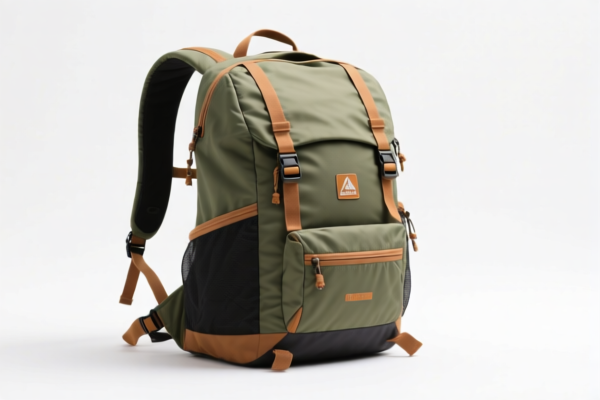
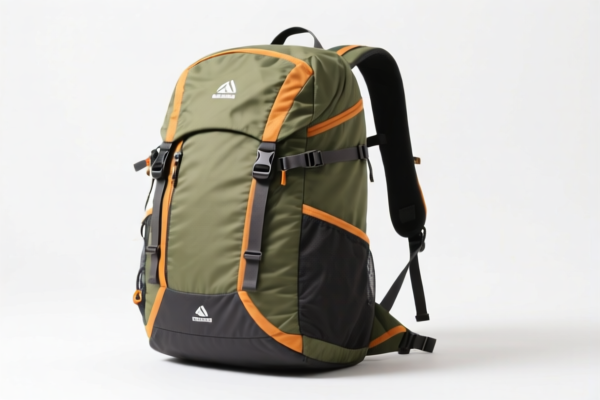
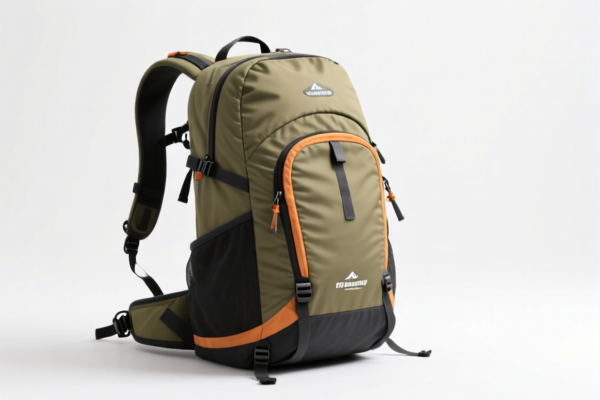
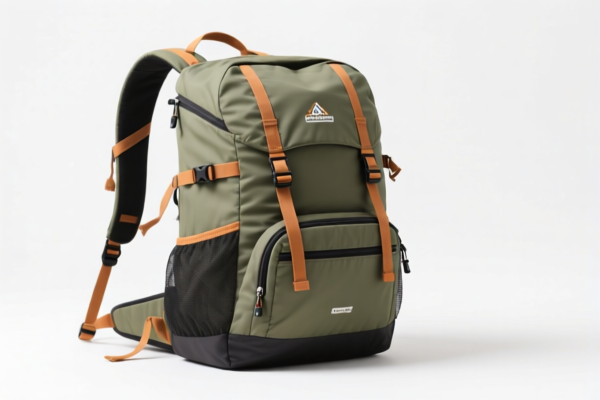
AI Analysis
🎒 Camping Backpack (Backpacks for Outdoor Use)
🌐 HS Code Reference & Customs Clearance Guide | 2026 Latest Tariff Analysis | Strategic Duty Optimization
📌 I. Product Definition & Classification: What Exactly is a "Camping Backpack"?
A camping backpack is a specialized carrier designed for outdoor activities, trekking, and camping. In international trade, its classification hinges on material composition and structural form. While many assume all backpacks fall under one category, US Customs and Border Protection (CBP) draws a sharp line between Textile/Soft Material Backpacks and Other Plastic/Rubber Material Backpacks.
⚠️ Key Distinction Point:
- If the backpack is primarily made of textile materials (nylon, polyester, canvas, woven fabrics) or synthetic fibers → It falls under Chapter 42.
- If it were made of rubber or plastic (non-textile), it would fall under Chapter 39 (not covered in this specific dataset, but crucial for context).
- Note: The structure (straps, compartments) confirms its identity as a "backpack," distinguishing it from handbags or suitcases.
📦 II. HS Code Classification Details (2026 Latest Tariff Alignment)
Based on the provided data, the primary applicable category is Textile/Synthetic Fiber Backpacks.
| HS Code | Product Description | Material Inference | Applicability |
|---|---|---|---|
4202.92.31.20 |
Backpacks, with outer surface of textile materials | Textile or Synthetic Fiber (e.g., Nylon, Polyester) | ✅ Primary Match for most camping backpacks |
🔍 Critical Note:
- The summary states: "Backpack category, form and use match, usually made of textile materials or synthetic fibers."
- This is the standard classification for the vast majority of commercial camping backpacks (e.g., Osprey, The North Face, Deuter made with fabric shells).
- ⛔ Exclusion: Do not misclassify camping tents as backpacks. Tents fall under Chapter 63 (see Data Item 2 & 3).
💰 III. 2026 Latest Tariff Rate Breakdown (Including Additional Duties)
✅ Applicable Country: United States (US)
✅ Origin: China (CN)
✅ Effective Date: Current trade policies (Section 122 & Section 301)
🎯 1. 4202.92.31.20 —— Backpacks (Textile/Synthetic)
| Item | Content |
|---|---|
| Base Tariff Rate | 17.6% (Ad Valorem) |
| Additional Duty (Section 301) | +25.0% (Retaliatory Trade Action) |
| Section 122 Duty | +10.0% (Specific provision for certain textile/apparel items) |
| Total Effective Tax Rate | 52.6% |
| Tax Calculation | CIF Value × 52.6% |
| De Minimis Eligibility | ❌ Not Eligible (Section 301 and Section 122 duties typically bypass the $800 de minimis exemption for China-origin goods in many enforcement scenarios; Note: Policy enforcement varies, but high duty rates make de minimis risky for bulk commercial imports). |
| Legal Basis Path | HTSUS:4202.92.31.20 → USITC Footnote 1 (Section 301) → Section 122 Authority |
📌 Explanation:
- "Base Tariff 17.6%": The standard MFN (Most Favored Nation) rate for backpacks made of textile materials.
- "Additional Duty 25.0%": This is the Section 301 tariff imposed on a wide range of Chinese goods, including luggage and backpacks.
- "Section 122 Duty 10%": This is a specific tariff provision (often linked to Section 232 or specific textile quotas/trade remedies) that adds an additional layer of duty.
- Total 52.6%: This is an extremely high landed cost impact. Importers must factor this into pricing strategies immediately.
🛠️ IV. Customs Clearance Practical Advice (Real-World Pitfall Avoidance)
✅ 1. Documentation Checklist (Non-Negotiable)
| Document | Required | Purpose |
|---|---|---|
| ✅ Commercial Invoice | ✔️ | Must clearly state: "Backpack, Model XYZ, Material: 100% Nylon Polyester, Origin: China" |
| ✅ Packing List | ✔️ | Detail weight, dimensions, and quantity. |
| ✅ Material Test Report | ✔️ | Critical: Prove the outer shell is Textile/Synthetic (not rubber/plastic) to justify 4202.92... classification. |
| ✅ Product Photos | ✔️ | Show zippers, straps, and fabric texture to confirm "Backpack" identity (not handbag or suitcase). |
| ✅ Certificate of Origin (CO) | ✔️ | To confirm China origin, triggering the correct Section 301/122 duties. |
✅ 2. Declaration Strategy (Key Mantra)
🔥 “Material Defines Code, Section 301 Adds 25, Section 122 Adds 10!”
| Scenario | Correct HS Code | Risk of Error |
|---|---|---|
| Nylon/Polyester Camping Backpack | 4202.92.31.20 |
✅ Correct |
| Rubber/Plastic Backpack | 3923.xxx (Different Data) |
⚠️ Misclassification → Wrong Duty Rate |
| Handbag/Tote Bag | 4202.22... or 4202.92.45 |
⚠️ Structural difference → Wrong Duty Rate |
📌 Important:
- Do not confuse "Camping Backpacks" with "Camping Tents".
- Tents are not backpacks, even if small enough to carry. Tents fall under 6306.22.10.00 or 6306.22.90.10 (see Data below for contrast).
🌍 V. Comparative Analysis: Backpacks vs. Tents (From Data)
It is common to import both. Here is why they are classified differently:
| Product | HS Code | Total Tax | Reason for Different Classification |
|---|---|---|---|
| Camping Backpack | 4202.92.31.20 |
52.6% | Textile/Synthetic Material → Chapter 42. High tariffs due to Section 301 + 122. |
| Camping Tent | 6306.22.10.00 |
10.0% | Synthetic Fiber Tent → Chapter 63. Lower base tariff (0%), only Section 122 (10%) applies. |
| Camping Tent (Fallback) | 6306.22.90.10 |
26.3% | Synthetic Fiber Tent (Other) → Chapter 63. Base (8.8%) + Section 301 (7.5%) + Section 122 (10%). |
💡 Strategic Insight:
If you are importing a "Sleeping Bag Backpack" (a compact tent system), ensure the primary function is declared correctly. If it's a backpack, it’s 52.6%. If it’s a tent, it’s 10-26.3%. Do not bundle them incorrectly; CBP may split the value, applying higher duties to the backpack portion.
📌 VI. Common Errors & Pitfalls (Lessons Learned)
❌ Error 1: Declaring a Textile Backpack as "Travel Bag" or "Suitcase"
👉 Consequence: Misclassification. Suitcases (4202.92.90) may have different duty rates, leading to underpayment penalties or delayed customs release.
❌ Error 2: Ignoring Section 122 Duty (10%)
👉 Consequence: Many importers calculate only the 17.6% + 25% = 42.6%, forgetting the additional 10%. This results in unexpected cost overruns and cash flow issues.
❌ Error 3: Confusing Material Composition
👉 Consequence: If the backpack has a heavy rubber/PU coating that makes it non-textile, it might fall under Chapter 39. However, per the data, most camping backpacks are textiles. Provide material specs to avoid disputes.
✅ Correct Approach:
"Backpack, Camping Style, Outer Material: 210D Nylon, Lining: Polyester, Straps: Foam Padded, Origin: China, HS Code: 4202.92.31.20"
🎯 VII. Conclusion: Professional Declaration Saves Money!
🎯 Remember the Mantra:
🔹 "Textile Backpack = 4202.92.31.20"
🔹 "Total Tax = 52.6% (17.6 + 25 + 10)"
🔹 "Tents are NOT Backpacks – Check Chapter 63!"
📌 Pro Tip:
Given the 52.6% total duty rate, consider:
1. Value Engineering: Reducing product value (e.g., simpler materials) to lower ad valorem tax.
2. Supply Chain Diversification: If possible, sourcing from non-China countries may avoid Section 301 (25%) and Section 122 (10%), potentially reducing duty to just the base 17.6% or lower.
3. Pre-Ruling: Apply for an Advance Ruling from CBP to confirm the HS Code and duty applicability before shipment.
📣 Immediate Action:
📞 Consult a Customs Broker to verify material composition.
📄 Prepare Detailed Material Specs to justify the 17.6% base + 25% + 10% structure.
🚀 Avoid Surprises: 52.6% is steep! Plan your margins accordingly.
✨ Professional Customs Clearance Starts with Accurate Classification!
💼 Every Percentage Point of Duty Impacts Your Bottom Line!
Customer Reviews
About HS Code Classification
The Harmonized System (HS) is an internationally standardized nomenclature developed by the World Customs Organization (WCO) to classify traded products. Over 200 countries use the HS system as the basis for customs tariffs, trade statistics, and import/export regulations.
Each HS code follows a hierarchical structure:
- Chapter (2 digits) — Broad category of goods (e.g., Chapter 84: Machinery and Mechanical Appliances)
- Heading (4 digits) — More specific grouping within the chapter
- Subheading (6 digits) — Internationally standardized breakdown, used by all WCO member countries
- National subdivisions (8-10 digits) — Country-specific extensions for further classification, such as US HTSUS 10-digit codes
Correct HS code classification is essential for smooth customs clearance, accurate duty payment, and compliance with trade regulations. Misclassification can lead to customs delays, overpayment of duties, or penalties.
When importing from CN to US, the applicable tariff rates may include:
- Most-Favored-Nation (MFN) rate — The standard duty rate applied to WTO members
- General rate — Applied to countries without trade agreements
- Trade remedy duties — Additional tariffs such as Section 301 (anti-dumping), Section 232 (national security), or countervailing duties
The information provided on this page is for reference purposes only. For official classification, please consult with your local customs authority or a licensed customs broker.