Camping Mat
CN → US| HS Code | Tariff Rate | Origin | Destination | Doc |
|---|---|---|---|---|
| 6306404900 | 13.7% | CN | US | Official Doc |
| 6306404100 | 21.2% | CN | US | Official Doc |
| 3926907500 | 14.2% | CN | US | Official Doc |
| 9404308000 | 19.0% | CN | US | Official Doc |
| 9404210095 | 38.0% | CN | US | Official Doc |
Product Images
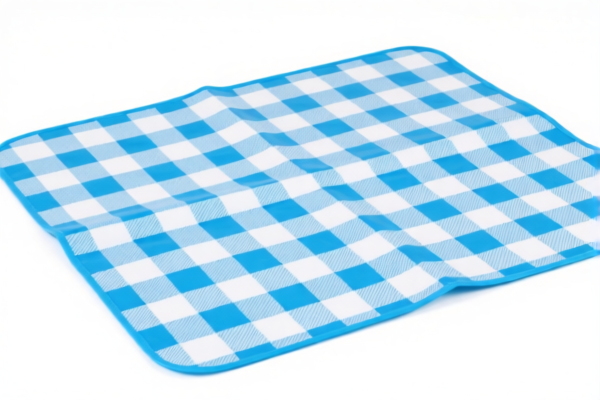


AI Analysis
⛺ Camping Mat (Camping Sleeping Pad)
🌐 HS Code Reference & Customs Clearance Guide | 2026 Latest Tariff Analysis | Professional Transit Strategy
📌 I. Product Definition and Classification: Do You Really Understand "Camping Mats"?
A Camping Mat (also known as a sleeping pad or mat) is essential outdoor gear used for insulation and comfort during camping, hiking, and backpacking. In international trade, its classification depends heavily on its material composition and specific use case, leading to different HS Codes and tax liabilities.
Based on common sense and product morphology, these items are generally categorized under textiles, plastics, or furniture depending on whether they are fabric-based, inflatable plastic, or foam-based.
⚠️ Key Distinction Point:
- Fabric/Textile Mats (Traditional rolled mats, quilted pads) → Chapter 63
- Inflatable/Plastic Mats (PVC, TPU air mattresses) → Chapter 39 or 94
- Foam/Bedding Mats (Closed-cell foam pads, pillow-like camping mats) → Chapter 94
📦 II. HS Code Classification Details (2026 Latest Tariff Authority对照)
| HS Code | Product Description | Application Scenario | Material Inference |
|---|---|---|---|
6306.40.49.00 |
Tarpaulins, tents, awnings and sunprotections; Other camping goods | General camping mats, non-specific textile pads | Textile/Fabric (Inferred) |
6306.40.41.00 |
Tarpaulins, tents, awnings and sunprotections; Other camping goods | Camping mats with significant cotton content | Cotton/Cotton-blend (Inferred) |
3926.90.75.00 |
Other articles of plastics and articles of other materials of heading 3901 to 3914 | Inflatable camping mats, air beds | Plastic/PVC/TPU (Inferred) |
9404.30.80.00 |
Mattress supports; articles of bedding and similar furnishing (e.g. mattresses, quilts, eiderdowns, pillows and cushions) of any material or of any fillings | Sleeping pads similar to bedding,兜底 (Catch-all) for bedding-like camping mats | General/Mixed (Bedding category) |
9404.21.00.95 |
Mattress supports; Articles of bedding... of cellular rubber or of plastic (other than foam), whether or not covered with coverings | Foam plastic camping mats, closed-cell foam pads | Foam Plastic (Inferred) |
🔍 Focus Reminder:
- Textile mats fall under 6306.40. The exact sub-code depends on the fiber content (Cotton vs. Other Textiles). - Inflatable mats made of plastic materials often fall under 3926 (Other plastic articles) or potentially 9404 if considered "bedding." - Foam mats are typically classified under 9404.21 as "articles of bedding of cellular plastic."
💰 III. 2026 Latest Tariff Rate Breakdown (Including Surtaxes & Policy Add-ons)
✅ Applicable Country: USA (US)
✅ Origin: China (CN)
✅ Effective Date: Includes imports from Nov 10, 2025 onwards
🎯 1. 6306.40.49.00 — Other Camping Goods (Textile Material)
| Item | Content |
|---|---|
| Base Duty Rate | 3.7% |
| Section 301 Surcharge | 0.0% (Note: Some textile categories may have different statuses, but per data: 0.0%) |
| Section 122 Tariff | +10% (Specific import surcharge) |
| Total Rate | 13.7% |
| Tax Calculation | CIF Value × 13.7% |
| De Minimis Eligibility | ❌ No (Denied for Section 122/High-risk categories) |
| Legal Basis Path | Base: 3.7% + Sec301: 0.0% + Sec122: 10.0% |
📌 Explanation:
- This code is used for camping mats that do not primarily consist of cotton but are still textile-based. - Total Tax: 13.7%. While lower than foam/plastic options, it is still subject to the 10% Section 122 surcharge.
🎯 2. 6306.40.41.00 — Camping Goods (Cotton Content)
| Item | Content |
|---|---|
| Base Duty Rate | 3.7% |
| Section 301 Surcharge | +7.5% (Specific to certain cotton/textile origins/categories) |
| Section 122 Tariff | +10% |
| Total Rate | 21.2% |
| Tax Calculation | CIF Value × 21.2% |
| De Minimis Eligibility | ❌ No |
| Legal Basis Path | Base: 3.7% + Sec301: 7.5% + Sec122: 10.0% |
📌 Note:
- If the mat is made of Cotton or contains significant cotton fibers, this code applies. - Total Tax: 21.2%. Higher than non-cotton textiles due to the additional 7.5% Section 301 surcharge.
🎯 3. 3926.90.75.00 — Other Articles of Plastics
| Item | Content |
|---|---|
| Base Duty Rate | 4.2% |
| Section 301 Surcharge | 0.0% |
| Section 122 Tariff | +10% |
| Total Rate | 14.2% |
| Tax Calculation | CIF Value × 14.2% |
| De Minimis Eligibility | ❌ No |
| Legal Basis Path | Base: 4.2% + Sec301: 0.0% + Sec122: 10.0% |
📌 Explanation:
- Applies to Inflatable Camping Mats made of PVC, TPU, or other plastics. - Total Tax: 14.2%. A competitive rate compared to cotton versions, subject only to the 10% Section 122 surcharge.
🎯 4. 9404.30.80.00 — Other Bedding Articles
| Item | Content |
|---|---|
| Base Duty Rate | 9.0% |
| Section 301 Surcharge | 0.0% |
| Section 122 Tariff | +10% |
| Total Rate | 19.0% |
| Tax Calculation | CIF Value × 19.0% |
| De Minimis Eligibility | ❌ No |
| Legal Basis Path | Base: 9.0% + Sec301: 0.0% + Sec122: 10.0% |
📌 Note:
- Used as a catch-all for camping mats that resemble bedding (e.g., thick, pillow-like pads) but don't fit other specific bedding codes. - Total Tax: 19.0%.
🎯 5. 9404.21.00.95 — Cellular Plastic or Foam Articles of Bedding
| Item | Content |
|---|---|
| Base Duty Rate | 3.0% |
| Section 301 Surcharge | +25% (High risk category for plastics/foams) |
| Section 122 Tariff | +10% |
| Total Rate | 38.0% |
| Tax Calculation | CIF Value × 38.0% |
| De Minimis Eligibility | ❌ No |
| Legal Basis Path | Base: 3.0% + Sec301: 25.0% + Sec122: 10.0% |
📌 Warning:
- This is the most expensive classification. - Applies to Foam Plastic Camping Mats (e.g., closed-cell foam pads). - Total Tax: 38.0%. The 25% Section 301 surcharge significantly increases costs. Avoid this code unless the product is strictly defined as such.
🛠️ IV. Customs Clearance Practical Advice (Evading Pitfalls)
✅ 1. Preparation Checklist (缺一不可)
| Material | Mandatory? | Description |
|---|---|---|
| ✅ Product Specification Sheet | ✔️ | Must detail material (e.g., "100% Polyester," "PVC," "EVA Foam"), dimensions, weight. |
| ✅ Material Composition Report | ✔️ | Critical for distinguishing between 6306 (Textile), 3926 (Plastic), and 9404 (Foam). |
| ✅ Product Photos (Clear) | ✔️ | Show the mat inflated/rolled, labels, and texture. |
| ✅ Commercial Invoice | ✔️ | Must clearly state "Camping Mat," HS Code, and Country of Origin. |
| ✅ Packing List | ✔️ | Include gross/net weight, number of pieces. |
✅ 2. Declaration Tips (Key Mantras)
🔥 "Material is King! Misclassification leads to 38% tax!"
| Scenario | Correct Declaration | Wrong Action |
|---|---|---|
| Inflatable Plastic Mat | HS 3926.90.75.00 (14.2%) |
Misdeclare as Foam (9404.21) → 38% Tax! |
| Cotton/Fabric Mat | HS 6306.40.41.00 (21.2%) |
Misdeclare as Plastic → Risk of Penalty |
| Foam Pad | HS 9404.21.00.95 (38.0%) |
Misdeclare as Textile → Risk of Penalty |
| Generic "Sleeping Mat" | Specify Material (e.g., "PVC Inflatable Mat") | Vague description "Mat" → Customs Hold |
✅ 3. Special Circumstances
| Situation | Handling Suggestion |
|---|---|
| Mixed Material Mat | If it has a fabric cover and plastic inner layer, determine the essential character. Usually, if the plastic/inflatable part is dominant, consider 3926 or 9404. |
| OEM Custom Mats | Provide design specs to prove material composition. |
| Low-Value Shipments | ❌ Do not rely on De Minimis (Section 321). All codes listed above are NOT eligible for de minimis exemption due to Section 122 and 301 surcharges. |
🌍 V. Global Market Comparison (2026 Latest)
| Country/Region | Recommended HS Code | Tariff (China Origin) | Certifications | Notes |
|---|---|---|---|---|
| 🇺🇸 USA | 3926.90.75.00 (Plastic) |
14.2% | No specific | Avoid 9404.21 (38%) |
| 🇺🇸 USA | 6306.40.49.00 (Textile) |
13.7% | No specific | Check cotton content |
| 🇪🇺 EU | 6306.40 or 9404 |
~0-5% (Varies) | CE (if applicable) | No Section 301/122 |
| 🇨🇳 China | 6306.40 or 9404 |
~3-7% | No | Import duty only |
📌 Conclusion:
- USA is the highest cost market due to Section 122 (10%) and Section 301 (up to 25%) surcharges. - Plastic Inflatable Mats (3926) offer a better tax rate (14.2%) than Foam Mats (38.0%). - Textile Mats (6306) range from 13.7% to 21.2% depending on cotton content.
📌 VI. Common Errors & Pitfalls (Blood & Tears Lessons)
❌ Error 1: Declaring a Foam Mat as a "Textile Mat"
👉 Consequence: Customs inspection reveals foam → Retroactive Tax (38%) + Penalty!
❌ Error 2: Ignoring Section 122 Surcharge
👉 Consequence: Assuming 0% or low base duty → Unexpected 10% charge at border.
❌ Error 3: Vague Description "Sleeping Pad"
👉 Consequence: Customs cannot determine material → Delays and potential seizure.
✅ Correct Practice:
"Camping Mat, Inflatable, PVC Material, 72x20 inches, Red, Model CAM-01"
→ HS Code: 3926.90.75.00 → Tax: 14.2%
🎯 VII. Conclusion: Precise Classification Saves Money!
🎯 Remember the Mantra:
🔹 "Plastic Inflatables: 14.2% (Best Balance)"
🔹 "Textile Mats: 13.7%-21.2% (Check Cotton)"
🔹 "Foam Mats: 38.0% (Avoid if Possible!)"
🔹 "No De Minimis! All Taxes Apply!"
📌 Pro Tip:
If your product is not made in China (e.g., Vietnam, Thailand), you may avoid Section 301 surcharges, reducing the effective rate significantly.
Recommendation: Apply for an Advance Ruling (Pre-classification) with US Customs (CBP) before shipping to confirm the HS Code.
📣 Immediate Action:
📞 Contact your freight forwarder + Provide Material Spec Sheet + Confirm HS Code
🚀 Ensure your Camping Mats pass customs smoothly, maximize profit margins!
✨ Professional Clearance Starts with Precise Classification!
💼 Every Cent Saved is Pure Profit!
Customer Reviews
About HS Code Classification
The Harmonized System (HS) is an internationally standardized nomenclature developed by the World Customs Organization (WCO) to classify traded products. Over 200 countries use the HS system as the basis for customs tariffs, trade statistics, and import/export regulations.
Each HS code follows a hierarchical structure:
- Chapter (2 digits) — Broad category of goods (e.g., Chapter 84: Machinery and Mechanical Appliances)
- Heading (4 digits) — More specific grouping within the chapter
- Subheading (6 digits) — Internationally standardized breakdown, used by all WCO member countries
- National subdivisions (8-10 digits) — Country-specific extensions for further classification, such as US HTSUS 10-digit codes
Correct HS code classification is essential for smooth customs clearance, accurate duty payment, and compliance with trade regulations. Misclassification can lead to customs delays, overpayment of duties, or penalties.
When importing from CN to US, the applicable tariff rates may include:
- Most-Favored-Nation (MFN) rate — The standard duty rate applied to WTO members
- General rate — Applied to countries without trade agreements
- Trade remedy duties — Additional tariffs such as Section 301 (anti-dumping), Section 232 (national security), or countervailing duties
The information provided on this page is for reference purposes only. For official classification, please consult with your local customs authority or a licensed customs broker.