Camping Pillow
CN → US| HS Code | Tariff Rate | Origin | Destination | Doc |
|---|---|---|---|---|
| 3926907500 | 14.2% | CN | US | Official Doc |
| 9404909670 | 17.3% | CN | US | Official Doc |
| 3926909989 | 22.8% | CN | US | Official Doc |
| 9404902090 | 23.5% | CN | US | Official Doc |
| 6306404900 | 13.7% | CN | US | Official Doc |
Product Images
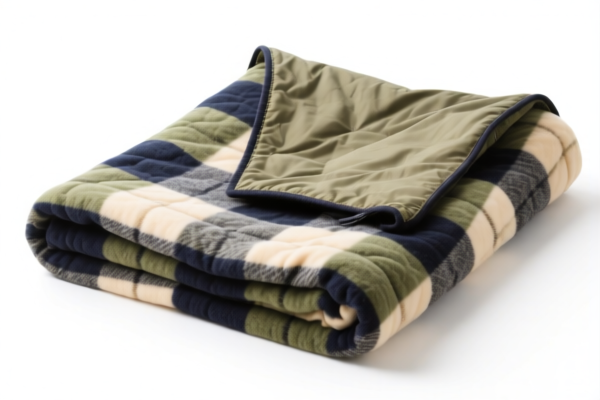
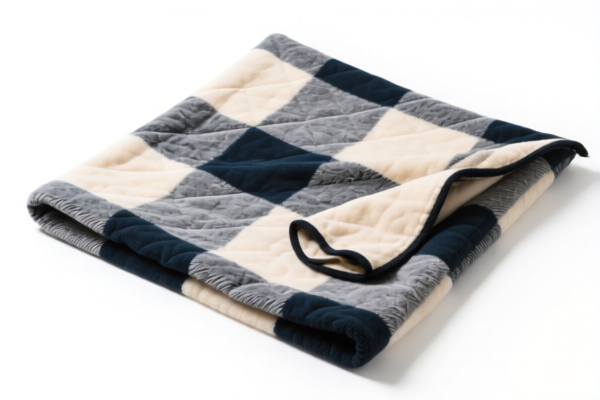
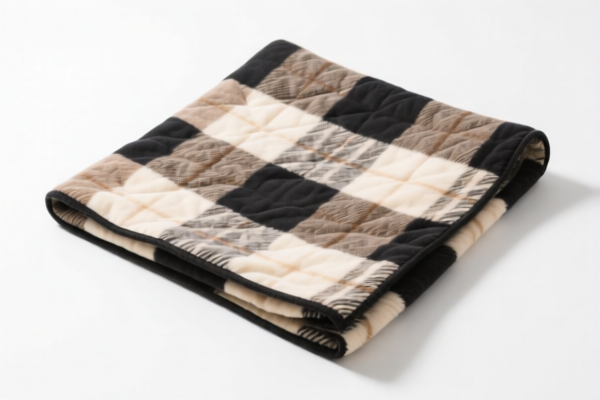
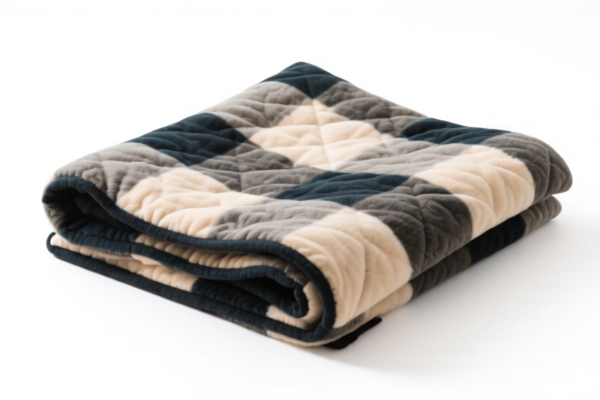
AI Analysis
🏕️ Camping Pillow (充气野营枕头) & Sleeping Mat (露营垫)
🌐 HS Code Reference & Customs Clearance Guide | 2026 Latest Tariff Analysis | Professional Clearance Strategy
📌 I. Product Definition & Classification: Do You Really Understand "Camping Gear"?
Camping pillows and sleeping mats are essential components of the outdoor recreation industry. In international trade, they are often misclassified due to ambiguity between "textile products," "plastic articles," and "mattress accessories." Accurate classification is critical because the tariff rates vary significantly (from 13.7% to 23.5%), and incorrect declarations can lead to severe penalties or delays.
Key Distinctions: * Inflatable Camping Pillow: Primarily an air-filled plastic/PVC or textile-encased product. * Camping Mat: A sleeping surface, often made of textile, foam, or inflatable plastic.
⚠️ Critical Classification Point:
- If it is an inflatable pillow made mostly of PVC/plastic → Look at Chapter 39.
- If it is a pillow with textile covering or specific bedding characteristics → Look at Chapter 94 (Bedding).
- If it is a mat/cushion made of textile material → Look at Chapter 63 (Other made-up textile articles).
📦 II. HS Code Classification Details (2026 Latest Tariff Authority Comparison)
Based on the provided data, here are the specific HS Codes and their corresponding tax implications for Camping Pillows and Camping Mats.
| HS Code | Product Description | Basis for Classification | Material Composition | Total Tax Rate |
|---|---|---|---|---|
3926.90.75.00 |
Inflatable Camping Pillow | Classified as "Inflatable Article" | Plastic / PVC | 14.2% |
9404.90.96.70 |
Inflatable Camping Pillow | Classified under "Pillow" category | Plastic or Synthetic Fiber | 17.3% |
3926.90.99.89 |
Inflatable Camping Pillow | Classified as "Other Plastic Articles" | Plastic | 22.8% |
9404.90.20.90 |
Inflatable Camping Pillow | Classified as "Pillow" (Air/Plastic fill) | Air or Plastic/Polymer | 23.5% |
6306.40.49.00 |
Camping Mat | Classified as "Camping Gear / Mat" | Textile Material | 13.7% |
🔍 Key Insight:
- Lowest Tax Option: For camping mats,6306.40.49.00offers the lowest rate at 13.7%.
- Highest Tax Option: Inflatable pillows classified as "Pillows with plastic fill" (9404.90.20.90) face the highest rate at 23.5%.
- Misclassification Risk: Declaring a PVC inflatable pillow as a standard textile pillow (9404) increases your tax burden by ~9-10% compared to the plastic article classification (3926).
💰 III. Detailed Tariff Rate Breakdown (Including Surtaxes & Policy Add-ons)
✅ Applicable Country: United States (US)
✅ Origin: China (CN)
✅ Effective Time: Current 2026 Tariff Structure
🎯 1. 3926.90.75.00 — Inflatable Camping Pillow (Plastic/PVC Basis)
| Item | Content |
|---|---|
| Base Tariff | 4.2% |
| Section 301 / Surtax | 0.0% |
| Section 122 Surtax | +10.0% |
| Total Tax Rate | 14.2% |
| Calculation | CIF Value × 14.2% |
| De Minimis Exemption | ❌ Not Eligible (High risk for low-value shipments) |
| Legal Basis Path | USITC:3926.90.75.00 → 122Clause:10% |
📌 Explanation:
- This code benefits from 0% Section 301 surtax, which is a significant advantage.
- The 10% Section 122 tariff is applied on top of the base rate.
- Recommendation: This is often the most cost-effective classification for PVC-based inflatable items if customs accepts the "Inflatable Article" description.
🎯 2. 9404.90.96.70 — Inflatable Camping Pillow (Pillow Category)
| Item | Content |
|---|---|
| Base Tariff | 7.3% |
| Section 301 / Surtax | 0.0% |
| Section 122 Surtax | +10.0% |
| Total Tax Rate | 17.3% |
| Calculation | CIF Value × 17.3% |
| De Minimis Exemption | ❌ Not Eligible |
| Legal Basis Path | USITC:9404.90.96.70 → 122Clause:10% |
📌 Note:
- Slightly higher than3926due to a higher base rate (7.3% vs 4.2%).
- Still avoids Section 301 tariffs, making it a viable alternative if the product is clearly marketed as a "Pillow" rather than a "Plastic Article."
🎯 3. 3926.90.99.89 — Inflatable Camping Pillow (Other Plastic Articles)
| Item | Content |
|---|---|
| Base Tariff | 5.3% |
| Section 301 / Surtax | +7.5% |
| Section 122 Surtax | +10.0% |
| Total Tax Rate | 22.8% |
| Calculation | CIF Value × 22.8% |
| De Minimis Exemption | ❌ Not Eligible |
| Legal Basis Path | USITC:3926.90.99.89 → 301Clause:7.5% + 122Clause:10% |
📌 Warning:
- This is a high-risk code due to the combined 7.5% Section 301 and 10% Section 122 surcharges.
- Only use this if the product cannot be classified under the specific "Inflatable Article" (3926.90.75.00) or other pillow codes.
🎯 4. 9404.90.20.90 — Inflatable Camping Pillow (Pillow with Plastic Fill)
| Item | Content |
|---|---|
| Base Tariff | 6.0% |
| Section 301 / Surtax | +7.5% |
| Section 122 Surtax | +10.0% |
| Total Tax Rate | 23.5% |
| Calculation | CIF Value × 23.5% |
| De Minimis Exemption | ❌ Not Eligible |
| Legal Basis Path | USITC:9404.90.20.90 → 301Clause:7.5% + 122Clause:10% |
📌 Critical Alert:
- This is the highest tax rate among the options.
- The "Plastic/Polymer" fill triggers the Section 301 surtax.
- Avoid this code unless absolutely necessary. It results in nearly double the tax cost of3926.90.75.00.
🎯 5. 6306.40.49.00 — Camping Mat (Textile Material)
| Item | Content |
|---|---|
| Base Tariff | 3.7% |
| Section 301 / Surtax | 0.0% |
| Section 122 Surtax | +10.0% |
| Total Tax Rate | 13.7% |
| Calculation | CIF Value × 13.7% |
| De Minimis Exemption | ❌ Not Eligible |
| Legal Basis Path | USITC:6306.40.49.00 → 122Clause:10% |
📌 Advantage:
- Lowest base rate (3.7%) and 0% Section 301 surtax.
- Ideal for textile-based camping mats (e.g., foam mats with fabric covers, or woven sleeping pads).
- Ensure the product description emphasizes "Textile Material" to avoid reclassification to plastic codes.
🛠️ IV. Customs Clearance Practical Advice (Avoiding Pitfalls)
✅ 1. Documentation Checklist (Mandatory)
| Document | Required | Notes |
|---|---|---|
| ✅ Product Specification Sheet | ✔️ | Must detail material (PVC, Polyester, Foam) and filling (Air, Plastic beads). |
| ✅ Product Photos (Clear) | ✔️ | Show inflation mechanism, fabric texture, and packaging. |
| ✅ Commercial Invoice | ✔️ | Explicitly state: "Inflatable Pillow, PVC Material" OR "Camping Mat, Textile Material." |
| ✅ Packing List | ✔️ | Include dimensions, weight, and number of units. |
| ✅ Material Declaration | ✔️ | Confirm % of plastic vs. textile to support HS Code choice. |
✅ 2. Declaration Strategy (Key Mantra)
🔥 "Material Defines Code, Avoid Section 301!"
| Scenario | Correct Declaration | Incorrect Practice | Consequence |
|---|---|---|---|
| PVC Inflatable Pillow | 3926.90.75.00 (14.2%) |
Misdeclare as Pillow (9404.90.20.90) |
Tax jumps to 23.5% + Penalty |
| Textile Camping Mat | 6306.40.49.00 (13.7%) |
Misdeclare as Plastic Mat (3926) |
Potential 7.5% surtax if deemed plastic |
| Mixed Material Pillow | Analyze dominant material | Vague description "Sleeping Gear" | Customs intervention → Delay + Re-classification |
✅ 3. Special Case Handling
| Scenario | Recommendation |
|---|---|
| Inflatable Pillow with Fabric Cover | If the plastic/PVC content is dominant, use 3926.90.75.00. If the fabric is the primary value driver, consult 9404.90.96.70. |
| Camping Mat with Foam Core | If covered in textile, use 6306.40.49.00. If it's pure foam/plastic, use 3926 codes. |
| Section 122 Clause Awareness | All listed codes include a 10% Section 122 surtax. This is non-negotiable for Chinese-origin goods. Plan for this in cost models. |
🌍 V. Global Market Comparison (2026 Update)
| Market | Recommended HS Code | Est. Total Tax | Key Requirement |
|---|---|---|---|
| 🇺🇸 USA | 3926.90.75.00 / 6306.40.49.00 |
13.7% - 14.2% | Section 122 (10%) applies. Avoid 9404.90.20.90. |
| 🇨🇳 China | Local HS Code | ~5-10% | No Section 301/122. Focus on accurate description. |
| 🇪🇺 EU | 9404.90 / 6306.29 |
0-4% | No Section 122. CE marking may be required. |
| 🇬🇧 UK | 9404.90 / 6306.29 |
0-4% | Post-Brexit rules apply. No Section 301/122. |
📌 Conclusion:
- The US market is the most complex due to Section 122 and potential Section 301 tariffs.
- Strategic Choice: For US exports, prioritize3926.90.75.00(14.2%) or6306.40.49.00(13.7%) to minimize tax liability.
- Avoid9404.90.20.90(23.5%) unless the product structure strictly mandates it under "Pillow" rules with plastic fill.
📌 VI. Common Errors & Pitfalls (Lessons Learned)
❌ Error 1: Labeling an inflatable PVC pillow simply as "Pillow"
👉 Consequence: Customs may classify it under 9404.90.20.90 (23.5%) instead of 3926.90.75.00 (14.2%).
Fix: Always specify "Inflatable" and "PVC/Plastic Material" in the description.
❌ Error 2: Ignoring the Section 122 Clause
👉 Consequence: Underpaying tax by 10%.
Fix: Remember that ALL Chinese-origin goods in the provided list are subject to the 10% Section 122 surtax.
❌ Error 3: Misidentifying Camping Mats
👉 Consequence: Using plastic codes for textile mats.
Fix: If the mat is woven or fabric-covered, use 6306.40.49.00 for the lowest rate.
🎯 VII. Conclusion: Professional Declaration Saves Money!
🎯 Remember the Mantra:
🔹 "PVC Inflatable = 3926 (14.2%) | Textile Mat = 6306 (13.7%) | Plastic Pillow = 9404 (23.5%)"
🔹 "Section 122 is Always 10% | Avoid Section 301!"
📌 Pro Tip:
For Inflatable Camping Pillows, the most cost-effective and safest HS Code is
3926.90.75.00(14.2%) because it avoids the 7.5% Section 301 surtax.
For Camping Mats, use6306.40.49.00(13.7%) for textile-based mats to achieve the lowest total tax burden.
📣 Immediate Action:
📞 Verify Material Composition: Is it PVC, Plastic, or Textile?
📄 Update Product Descriptions: Ensure "Inflatable," "PVC," or "Textile" is explicit.
💼 Apply for Advance Rulings: If unsure, request a binding ruling from CBP to avoid post-clearance audits.
✨ Professional Customs Clearance Starts with Accurate Classification!
💼 Every 1% Tax Saving is Pure Profit!
Customer Reviews
About HS Code Classification
The Harmonized System (HS) is an internationally standardized nomenclature developed by the World Customs Organization (WCO) to classify traded products. Over 200 countries use the HS system as the basis for customs tariffs, trade statistics, and import/export regulations.
Each HS code follows a hierarchical structure:
- Chapter (2 digits) — Broad category of goods (e.g., Chapter 84: Machinery and Mechanical Appliances)
- Heading (4 digits) — More specific grouping within the chapter
- Subheading (6 digits) — Internationally standardized breakdown, used by all WCO member countries
- National subdivisions (8-10 digits) — Country-specific extensions for further classification, such as US HTSUS 10-digit codes
Correct HS code classification is essential for smooth customs clearance, accurate duty payment, and compliance with trade regulations. Misclassification can lead to customs delays, overpayment of duties, or penalties.
When importing from CN to US, the applicable tariff rates may include:
- Most-Favored-Nation (MFN) rate — The standard duty rate applied to WTO members
- General rate — Applied to countries without trade agreements
- Trade remedy duties — Additional tariffs such as Section 301 (anti-dumping), Section 232 (national security), or countervailing duties
The information provided on this page is for reference purposes only. For official classification, please consult with your local customs authority or a licensed customs broker.