Camping Pot
CN → US| HS Code | Tariff Rate | Origin | Destination | Doc |
|---|---|---|---|---|
| 7323997000 | 65.3% | CN | US | Official Doc |
| 7615107155 | 63.1% | CN | US | Official Doc |
| 6911108010 | 38.3% | CN | US | Official Doc |
| 6911101000 | 42.5% | CN | US | Official Doc |
| 7615107180 | 63.1% | CN | US | Official Doc |
Product Images
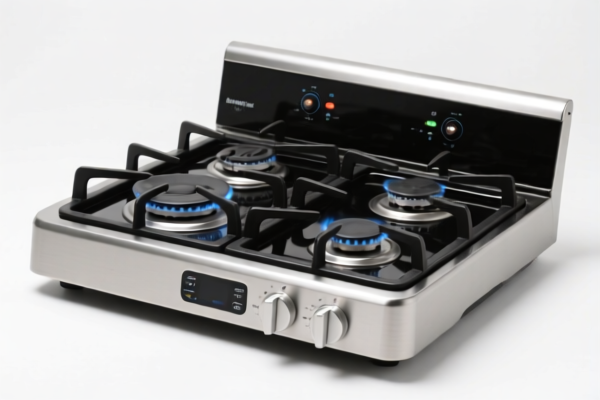
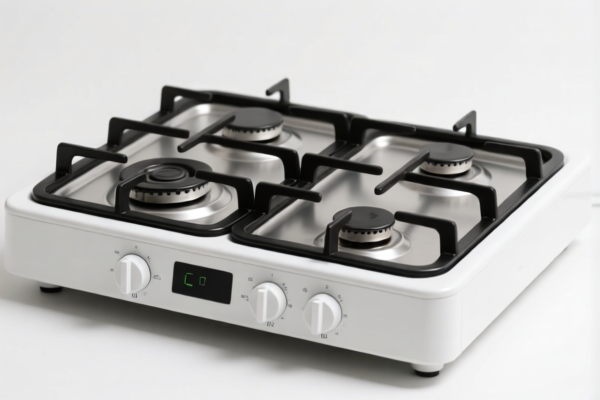
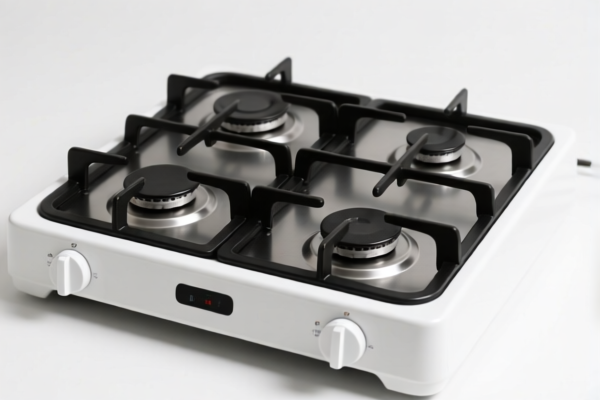

AI Analysis
🏕️ Camping Pot (Camper Cookware)
🌐 HS Code Reference & Customs Clearance Guide | 2026 Latest Tariff Analysis | Professional通关 Strategy
📌 Part 1: Product Definition & Classification – What Exactly is a "Camping Pot"?
A Camping Pot is a specialized cookware item designed for outdoor use, including camping, hiking, and RVing. In international trade, its classification depends heavily on material composition (Ceramic vs. Metal) and specific usage context (Household vs. Outdoor/Non-household).
Key Classification Divergence: * Ceramic/Metal Cookware (General): If classified as general kitchenware or tableware, it often falls under Chapter 69 (Ceramics) or Chapter 73/76 (Base Metals) with lower base tariffs but significant Section 301/122 additional duties. * Specific Metal Alloys (Aluminum/Steel): If strictly defined by material (e.g., Aluminum sheetware), it may face higher base tariffs due to specific steel/aluminum trade restrictions (Section 232).
⚠️ Critical Distinction Point:
- Ceramic Material: Falls under HS 6911 (Ceramic Tableware/Kitchenware).
- Aluminum Material: Falls under HS 7615 (Aluminum Sanitaryware/Cookware).
- Steel/Iron Material: Falls under HS 7323 (Steel/Tableware) or similar subheadings.
- Non-Household/Octopus Design: If deemed "non-household" due to specific outdoor design features, it may be forced into a different subheading with higher base tariffs.
📦 Part 2: HS Code Classification Details (2026 Latest Tariff Authority Comparison)
| HS Code | Product Description | Material/Context | Why This Code? |
|---|---|---|---|
6911.10.80.10 |
Ceramic tableware/kitchenware, suitable for food contact | Ceramic | Classified as ceramic utensils for camping. "Camping" here is treated as general kitchen use. |
6911.10.10.00 |
Non-household kitchen utensils, outdoor use scenario | Ceramic/Metal | Classified as "non-household" due to outdoor-specific design, triggering higher base duty. |
7615.10.71.80 |
Aluminum cookware, unglazed/uncoated | Aluminum | Strictly aluminum material. Uncertificated/uncoated surface triggers specific subheading. |
7323.93.00.45 |
Stainless steel or iron cookware | Stainless Steel/Iron | Classified as steel/iron kitchenware. High additional duties apply for steel products. |
7615.10.71.55 |
Aluminum or stainless steel kitchen utensils | Aluminum/Steel | General metal kitchenware classification. Subject to steel/aluminum specific tariffs. |
🔍 Key Insight:
- Ceramic codes (6911) generally have lower base tariffs (20.8%–25.0%) but suffer from Section 122 tariffs. - Metal codes (7615/7323) have low base tariffs (2.0%–3.1%) but face massive additional tariffs (Section 232 Steel/Aluminum + Section 301). - Total Tax Burden: Metal pots can end up with 60%+ total tax due to specific metal trade wars, whereas ceramic pots are ~38-42%.
💰 Part 3: 2026 Latest Tariff Rate Breakdown (Including Surcharges & Policy Add-ons)
✅ Applicable Country: United States (US)
✅ Origin: China (CN)
✅ Effective Date: Current trade policies (Section 301 & 232 active)
🎯 1. 6911.10.80.10 — Ceramic Camping Pot (Food Contact Safe)
| Item | Content |
|---|---|
| Base Tariff | 20.8% |
| Section 301 Surcharge | 7.5% |
| Section 122 Tariff | 10.0% |
| Total Tariff | 38.3% |
| Tax Calculation | CIF Value × 38.3% |
| De Minimis Eligibility | ❌ No (Typically excluded for ceramic kitchenware from China) |
| Legal Basis Path | HTSUS:6911.10.80.10 → USITC Footnote → Section 122 |
📌 Explanation:
- Section 122 Tariff (10%): Applies to certain goods from specific countries, often affecting kitchenware. - Section 301 (7.5%): Standard additional tariff on Chinese goods in this category. - Total: 38.3%. This is the lowest total tax option among the choices provided, making ceramic pots the most cost-effective for market entry.
🎯 2. 6911.10.10.00 — Non-Household Ceramic/Metal Pot (Outdoor Specific)
| Item | Content |
|---|---|
| Base Tariff | 25.0% |
| Section 301 Surcharge | 7.5% |
| Section 122 Tariff | 10.0% |
| Total Tariff | 42.5% |
| Tax Calculation | CIF Value × 42.5% |
| De Minimis Eligibility | ❌ No |
| Legal Basis Path | HTSUS:6911.10.10.00 → Non-household classification → Section 122 |
📌 Explanation:
- Higher Base Duty (25%): Because it is classified as "non-household," it loses the preferential "household utensil" rate. - Why it happens: Customs may deem "camping-specific" designs as industrial or non-domestic, increasing the tax burden by 4.2% compared to the standard ceramic code.
🎯 3. 7615.10.71.80 — Aluminum Camping Pot (Unglazed/Uncoated)
| Item | Content |
|---|---|
| Base Tariff | 3.1% |
| Section 301 Surcharge | 0.0% (Note: Check specific aluminum exclusions) |
| Section 122 Tariff | 10.0% |
| Section 232 Tariff (Steel/Aluminum) | 50.0% |
| Total Tariff | 63.1% |
| Tax Calculation | CIF Value × 63.1% |
| De Minimis Eligibility | ❌ No |
| Legal Basis Path | HTSUS:7615.10.71.80 → Section 232 (25% or 50% depending on origin/product) → Section 122 |
📌 Explanation:
- Section 232 Tariff (50%): CRITICAL WARNING. Aluminum products from China often face 25%–50% additional tariffs under the Section 232 investigation (National Security). - Low Base, High Penalty: Although the base tariff is only 3.1%, the 50% metal surcharge makes this the most expensive option. - Note: The "0.0%" Section 301 might apply if specific aluminum exclusions exist, but the 50% Section 232 is the dominant cost driver.
🎯 4. 7323.93.00.45 — Stainless Steel/Iron Camping Pot
| Item | Content |
|---|---|
| Base Tariff | 2.0% |
| Section 301 Surcharge | 0.0% (Check specific steel exclusions) |
| Section 122 Tariff | 10.0% |
| Section 232 Tariff (Steel/Aluminum) | 50.0% |
| Total Tariff | 62.0% |
| Tax Calculation | CIF Value × 62.0% |
| De Minimis Eligibility | ❌ No |
| Legal Basis Path | HTSUS:7323.93.00.45 → Section 232 (Steel) → Section 122 |
📌 Explanation:
- Steel Tariff (50%): Similar to aluminum, stainless steel from China incurs significant Section 232 duties. - Total: 62.0%. Slightly better than aluminum due to a lower base (2% vs 3.1%), but still prohibitively high for most budget brands.
🎯 5. 7615.10.71.55 — Aluminum/Stainless Steel Kitchen Utensils
| Item | Content |
|---|---|
| Base Tariff | 3.1% |
| Section 301 Surcharge | 0.0% |
| Section 122 Tariff | 10.0% |
| Section 232 Tariff (Steel/Aluminum) | 50.0% |
| Total Tariff | 63.1% |
| Tax Calculation | CIF Value × 63.1% |
| De Minimis Eligibility | ❌ No |
| Legal Basis Path | HTSUS:7615.10.71.55 → Section 232 → Section 122 |
📌 Explanation:
- This is a general metal kitchenware code. It suffers from the same 50% Section 232 penalty as the other metal codes. - Recommendation: Avoid if ceramic alternatives are viable.
🛠️ Part 4: Customs Clearance Practical Advice (Real-World Pitfall Guide)
✅ 1. Preparation Checklist (Non-Negotiable)
| Document | Mandatory? | Description |
|---|---|---|
| ✅ Material Specification Sheet | ✔️ | Must explicitly state Aluminum, Stainless Steel, or Ceramic. Vague terms like "Metal" cause delays. |
| ✅ Product Photos (Internal/External) | ✔️ | Show coating/uncoated status. Critical for 7615.10.71.80 (uncoated) vs coated. |
| ✅ FDA Compliance Statement | ✔️ | If claiming "Food Contact," provide FDA compliance letter. Required for 6911 and 7323/7615. |
| ✅ Commercial Invoice | ✔️ | Must clearly describe: "Camping Pot, Material: [Specific], Use: Outdoor/Camping." |
| ✅ Packaging List | ✔️ | Ensure no household items are mixed if claiming "Non-Household" status. |
✅ 2. Declaration Tactics (Key Mnemonics)
🔥 "Material First, Coating Second, Use Case Last!"
| Scenario | Correct Declaration | Wrong Practice |
|---|---|---|
| Ceramic Pot | "Ceramic Camping Pot, Food Contact Safe" | "Kitchen Utensil" → Risk of misclassification to higher base duty |
| Aluminum Pot (Uncoated) | "Aluminum Camping Pot, Unglazed/Uncoated" | "Coated Aluminum" → May trigger different subheading or rejection |
| Steel Pot | "Stainless Steel Camping Cookware" | "Iron Pot" → Customs may reclassify to higher duty iron code |
| Mixed Material | Declare main material. If >50% steel, use 7323. |
Hide material → Seizure and penalties |
✅ 3. Special Case Handling
| Situation | Handling Advice |
|---|---|
| OEM Custom Pot | Provide design file showing material thickness. Thin-wall aluminum may be seen as "sheet" not "pot." |
| Non-Stick Coating | If coated, DO NOT use 7615.10.71.80 (uncoated). Use coated subheading if available, or ensure description matches "uncoated" if true. |
| Gift Sets | If pot is part of a set, declare based on the essential character item. Usually the pot. |
| Origin Marking | Ensure "Made in China" is permanently marked on the product for Section 301/232 compliance. |
🌍 Part 5: Global Market Comparison (2026 Latest)
| Country/Region | Recommended HS Code | Tariff (China Origin) | Certification Required | Notes |
|---|---|---|---|---|
| 🇺🇸 USA | 6911.10.80.10 (Ceramic) |
38.3% | FDA + Prop 65 (if CA) | Best Value. Metal pots face 62%+ |
| 🇺🇸 USA | 7615.10.71.80 (Aluminum) |
63.1% | FDA + Prop 65 | Avoid if possible due to Section 232 |
| 🇨🇳 China | 6911.10.10.00 |
5%–10% | CCC (if applicable) | Lower export duty, but US import duty is the bottleneck |
| 🇪🇺 EU | 7615.10.71 |
5.5% | LFGB (Food Safety) | No Section 301/232. EU is much cheaper for metal pots |
| 🇬🇧 UK | 7615.10.71 |
5.5% | UKCA | Similar to EU |
📌 Conclusion:
- USA Market: Ceramic pots (6911) are significantly more profitable than metal pots due to Section 232 tariffs on steel/aluminum. - EU/UK Market: Metal pots are highly competitive due to lower tariffs. - Strategy: If targeting the US, prioritize ceramic or coated aluminum (if exemptions exist) over bare aluminum/steel.
📌 Part 6: Common Mistakes & Pitfall Guide (Lessons Learned)
❌ Mistake 1: Declaring Aluminum Pot as "Cookware" without specifying material
👉 Consequence: Customs reclassifies to highest applicable duty (63.1%) or demands additional testing.
❌ Mistake 2: Claiming "Food Contact" without FDA letter for Ceramic
👉 Consequence: Shipment held at border, potential fine for false declaration.
❌ Mistake 3: Ignoring Section 232 for Steel/Aluminum
👉 Consequence: Unexpected 50% tariff bill. Buyer refuses delivery. Total loss.
❌ Mistake 4: Using "Kitchen Utensil" instead of "Camping Pot"
👉 Consequence: May trigger "Non-Household" classification (6911.10.10.00), increasing tax from 38.3% to 42.5%.
✅ Correct Practice:
"Camping Pot, 2L, Uncoated Aluminum, Made in China, For Outdoor Use Only. FDA Compliant."
🎯 Part 7: Conclusion – Professional Declaration, Save Money, Save Time!
🎯 Remember These Mantras:
🔹 "Ceramic is King in the US, Metal is a Minefield!"
🔹 "Section 232 is the Enemy: Avoid Bare Steel/Aluminum if You Can."
🔹 "Declare Material Precisely: 'Aluminum' ≠ 'Metal'. 'Uncoated' Changes Everything."
📌 Pro Tip:
If you must sell aluminum/steel pots to the US:
1. Check Exclusion Lists: Verify if your specific HS Code has a Section 232 exclusion (rare but possible).
2. Consider Transshipment: Route through a third country (e.g., Vietnam, Malaysia) with proper transformation, but be aware of Rules of Origin audits.
3. Pre-Ruling: Apply for an Advance Ruling from CBP to confirm the tariff rate before shipping.
📣 Call to Action:
📞 Contact a Customs Broker + Provide Material Spec Sheet
🚀 Optimize for6911.10.80.10(Ceramic) for Maximum Profit in the US Market!
✨ Professional Clearance Starts with Accurate Classification!
💼 Every Percent of Tariff Counts. Don't Let Section 232 Eat Your Margins!
Customer Reviews
About HS Code Classification
The Harmonized System (HS) is an internationally standardized nomenclature developed by the World Customs Organization (WCO) to classify traded products. Over 200 countries use the HS system as the basis for customs tariffs, trade statistics, and import/export regulations.
Each HS code follows a hierarchical structure:
- Chapter (2 digits) — Broad category of goods (e.g., Chapter 84: Machinery and Mechanical Appliances)
- Heading (4 digits) — More specific grouping within the chapter
- Subheading (6 digits) — Internationally standardized breakdown, used by all WCO member countries
- National subdivisions (8-10 digits) — Country-specific extensions for further classification, such as US HTSUS 10-digit codes
Correct HS code classification is essential for smooth customs clearance, accurate duty payment, and compliance with trade regulations. Misclassification can lead to customs delays, overpayment of duties, or penalties.
When importing from CN to US, the applicable tariff rates may include:
- Most-Favored-Nation (MFN) rate — The standard duty rate applied to WTO members
- General rate — Applied to countries without trade agreements
- Trade remedy duties — Additional tariffs such as Section 301 (anti-dumping), Section 232 (national security), or countervailing duties
The information provided on this page is for reference purposes only. For official classification, please consult with your local customs authority or a licensed customs broker.