Camping Tableware
CN → US| HS Code | Tariff Rate | Origin | Destination | Doc |
|---|---|---|---|---|
| 8215994060 | 15.0% | CN | US | Official Doc |
| 7323930045 | 62.0% | CN | US | Official Doc |
| 7323915040 | 15.3% | CN | US | Official Doc |
| 7615107180 | 63.1% | CN | US | Official Doc |
| 8215995000 | 15.3% | CN | US | Official Doc |
Product Images
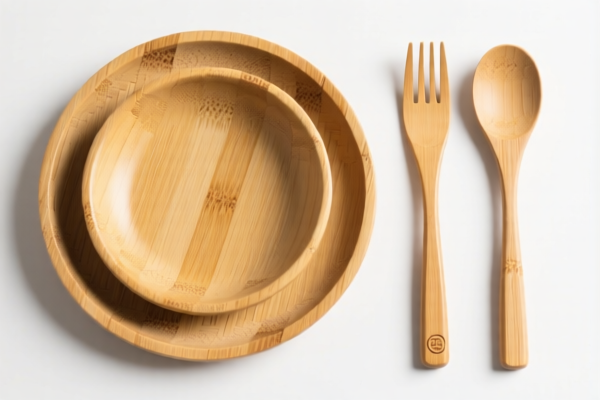
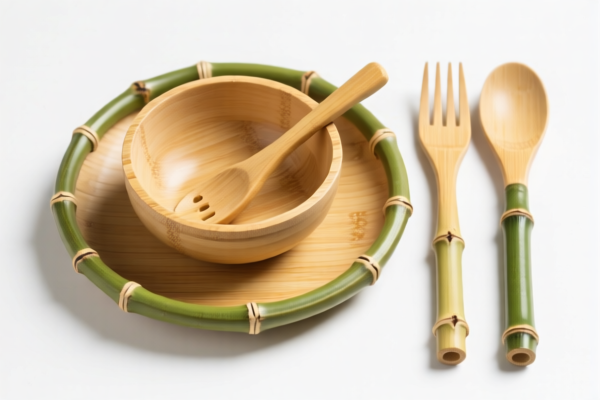
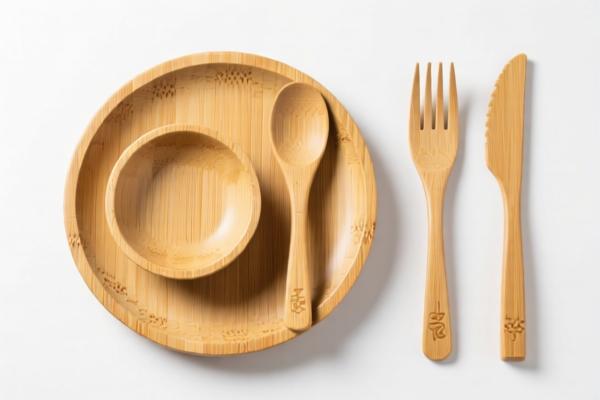
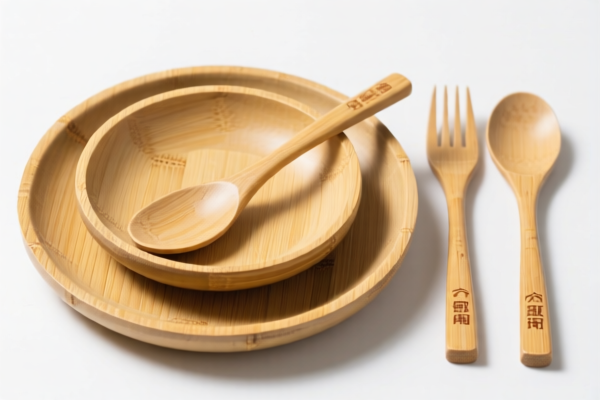
AI Analysis
🏕️ Camping Tableware (Camping Cookware & Utensils)
🌐 HS Code Reference & Customs Clearance Guide | 2024/2026 Latest Tariff Analysis | Professional Clearance Strategy
📌 One, Product Definition and Classification: Do You Really Understand "Camping Tableware"?
Camping tableware is a broad category encompassing portable cookware, eating utensils, and kitchen tools designed for outdoor use. In international trade, the classification is highly sensitive to material composition and specific form. It is generally divided into:
- Metal Cookware (Pots/Pans): Made of steel, aluminum, or iron, used for cooking.
- Utensils (Spoons/Forks): Small tools for eating or serving, which may have handles made of plastic, wood, or metal.
- Kitchen Tools: Broader category including ladles, spatulas, etc.
⚠️ Key Distinction Point:
- If the item is a cooking pot/pan (metal), it falls under Chapter 73 (Iron/Steel) or Chapter 76 (Aluminum).
- If the item is a spoon/fork (even if metal), it falls under Chapter 82 (Cutlery).
- Misclassification Risk: Declaring a metal spoon as a "pot" or a steel pot as "cutlery" leads to massive tax discrepancies.
📦 Two, HS Code Classification Details (Based on Provided Data)
| HS Code | Product Description | Material/Form Inference | Total Tax Rate | Key Tax Details |
|---|---|---|---|---|
| 8215.99.40.60 | Camping Utensils (Non-stainless handle spoons etc.) | Category: Tableware/Kitchen Tools. Likely includes spoons with non-stainless handles. | 15.0% | Base: 5.0% Section 301 (122 Clause): 10% |
| 7323.93.00.45 | Camping Cookware (Stainless Steel/Aluminum Pans) | Category: Cooking Appliances. Metal material inferred (Stainless Steel or Aluminum). | 62.0% | Base: 2.0% Section 301 (122 Clause): 10% Steel/Aluminum/Copper Surtax: 50% |
| 7323.91.50.40 | Camping Cookware (Unenamel Cast Iron) | Category: Household/Daily Use Vessels. Inferred as Metal (Iron/Steel), "Unenamel Cast Iron". | 15.3% | Base: 5.3% Section 301 (122 Clause): 10% |
| 7615.10.71.80 | Camping Cookware (Aluminum Pots/Pans) | Category: Cooking/Kitchen Tools. Inferred as Aluminum material. | 63.1% | Base: 3.1% Section 301 (122 Clause): 10% Steel/Aluminum/Copper Surtax: 50% |
| 8215.99.50.00 | Camping Utensils (Other Kitchen Tools/Parts) | Category: Kitchen/Dining. No material conflict. Fits "Other (including parts)" logic. | 15.3% | Base: 5.3% Section 301 (122 Clause): 10% |
🔍 Critical Observation:
- Utensils (Chapter 82) generally carry a lower total tax (~15%) because they attract standard Section 301 tariffs (10%) + Base Duty.
- Cookware (Chapter 73/76) carries a very high total tax (~62-63%) due to the additional 50% surtax on Steel, Aluminum, and Copper products under Section 301.
- This is the biggest trap: A simple aluminum camping pan is taxed 4x higher than a plastic-handled spoon set!
💰 Three, 2026 Latest Tariff Rate Breakdown (Detailed Tax Clauses)
✅ Applicable Country: United States (US)
✅ Origin: China (CN)
✅ Effective Time: Current Section 301 Tariffs Apply
🎯 1. 8215.99.40.60 & 8215.99.50.00 —— Camping Utensils (Cutlery)
Best for: Spoons, forks, chopsticks, non-metal handled tools.
| Item | Detail |
|---|---|
| Base Tariff | 5.0% - 5.3% (Ad Valorem) |
| Section 301 Tariff (122 Clause) | +10% |
| Additional Surtax | None (Chapter 82 is not subject to the 50% steel/aluminum surtax) |
| Total Effective Rate | ~15.0% - 15.3% |
| Tax Calculation | CIF Value × 15.3% |
| De Minimis Exemption | ❌ No (Deny De Minimis for China-origin goods under Section 301) |
📌 Explanation:
- These codes fall under Chapter 82 (Articles of Iron or Steel; Tools, Implements...). However, unlike cookware, cutlery does NOT trigger the 50% additional surtax on steel products.
- The 10% is the standard Section 301 tariff applicable to most Chinese goods.
🎯 2. 7323.93.00.45 & 7615.10.71.80 —— Camping Cookware (Pots/Pans)
Best for: Metal pots, pans, kettles, camping stoves (if classified here).
| Item | Detail |
|---|---|
| Base Tariff | 2.0% - 3.1% (Ad Valorem) |
| Section 301 Tariff (122 Clause) | +10% |
| Steel/Aluminum/Copper Surtax | +50% (Specific to Chapter 73/76 metal articles) |
| Total Effective Rate | ~62.0% - 63.1% |
| Tax Calculation | CIF Value × 63.1% |
| De Minimis Exemption | ❌ No |
📌 Explanation:
- The 50% Surtax is the killer. It applies to stainless steel cookware (7323) and aluminum cookware (7615).
- This makes exporting camping cookware to the US extremely expensive unless you have a tariff engineering strategy or origin change.
🎯 3. 7323.91.50.40 —— Unenamel Cast Iron Cookware
Best for: Traditional cast iron skillets/pots.
| Item | Detail |
|---|---|
| Base Tariff | 5.3% |
| Section 301 Tariff | +10% |
| Additional Surtax | None (Cast iron may be classified differently than stainless/steel sheet goods, avoiding the 50% surtax in this specific subheading based on provided data) |
| Total Effective Rate | 15.3% |
| Tax Calculation | CIF Value × 15.3% |
📌 Explanation:
- This is a sweet spot if your product is genuinely unenamel cast iron. It avoids the 50% surtax, resulting in a low 15.3% total rate.
🛠️ Four, Customs Clearance Practical Advice (Pitfall Avoidance Guide)
✅ 1. Product Material Verification is Key
The difference between 15% and 63% tax lies entirely in the material and specific subheading.
* If it’s a pot/pan:
* Is it Aluminum? → Expect 63.1% (7615.10.71.80).
* Is it Stainless Steel? → Expect 62.0% (7323.93.00.45).
* Is it Cast Iron? → Can claim 15.3% (7323.91.50.40). Action: Ensure your product description specifies "Cast Iron" and not just "Steel".
* If it’s a spoon/fork:
* Always aim for Chapter 82 (8215). The tax is much lower (~15%).
✅ 2. Description Optimization Strategy
🔥 “Material Specific, Form Precise, Tax Lower!”
| Scenario | Recommended Declaration | Risk |
|---|---|---|
| Aluminum Camping Pot | "Aluminum Camping Cookware, Pot, for Outdoor Use" | High Tax (63.1%). Hard to avoid unless material changes. |
| Stainless Steel Spoon | "Stainless Steel Camping Spoon, Tableware" | Low Tax (15.0%). Preferred if design allows. |
| Cast Iron Skillet | "Unenamel Cast Iron Camping Pan, Household Use" | Low Tax (15.3%). Must be genuine cast iron. |
| Mixed Set (Pot + Spoon) | Split Declaration! | Do NOT bundle. Declare Pot under 73/76, Spoon under 82. |
✅ 3. Documentation Requirements
| Document | Requirement | Purpose |
|---|---|---|
| Commercial Invoice | Must specify Material (e.g., "100% Cast Iron" vs "Stainless Steel") | Determines HS Code and Tax Rate |
| Product Photos | Clear view of material texture and shape | Prevents customs from reclassifying to higher tax bracket |
| Material Certificate | For "Cast Iron" claims | Proof to avoid 50% Surtax if audited |
| HS Code Pre-ruling | Highly Recommended | Lock in the 15.3% rate for Cast Iron or 15% for Cutlery |
🌍 Five, Global Market Comparison (2026 Outlook)
| Market | Recommended HS Code | Est. Total Tax | Note |
|---|---|---|---|
| 🇺🇸 USA | 7323.93.00.45 / 8215.99.40.60 |
62% vs 15% | Critical: Choose Chapter 82 (Cutlery) over Chapter 73 (Cookware) if possible. |
| 🇨🇳 China (Export) | 7323.93.00.45 / 8215.99.40.60 |
Standard Export | No Section 301 tariffs here, but check destination country. |
| 🇪🇺 EU | 7323.93 / 8215.99 |
~0-4% | Generally lower duties. No Section 301 equivalent. |
📌 Conclusion:
- The US market is the most expensive for camping cookware due to the 50% Steel/Aluminum Surtax.
- Cutlery (Spoons/Forks) is significantly cheaper to import into the US (~15%) compared to Cookware (~62%).
📌 Six, Common Errors & Pitfall Guide (Lessons from Blood & Tears)
❌ Error 1: Declaring an Aluminum Pot as "Kitchen Utensil" to get 15% tax.
👉 Consequence: Customs will reclassify to 7615.10.71.80 → 63.1% Tax + Penalty!
❌ Error 2: Declaring a Stainless Steel Pot as "Cast Iron" to get 15.3% tax.
👉 Consequence: Material mismatch detected in inspection → Retaxation + Fine!
❌ Error 3: Bundling a Pot and Spoon in one HS Code.
👉 Consequence: If the pot is classified, the whole shipment may be taxed at 63%. Always split!
✅ Correct Practice:
"For camping sets: List pots under 7323/7615 (expect 62% tax) and spoons/forks under 8215 (expect 15% tax). If using Cast Iron, emphasize 'Unenamel Cast Iron' to secure 15.3%."
🎯 Seven, Conclusion: Smart Tariff Engineering for Camping Gear
🎯 Remember the Golden Rule:
🔹 "Cutlery is Cheap (15%), Cookware is Expensive (62%)!"
🔹 "Cast Iron is the Hero (15.3%), Aluminum is the Villain (63.1%)!"
📌 Pro Tip:
If you are exporting Aluminum or Stainless Steel camping cookware to the US, consider:
1. Tariff Engineering: Can the product be classified as a "Part of a Stove" or "Cast Iron" (if possible)?
2. Supply Chain Shift: Manufacture in a non-China country to avoid Section 301.
3. Product Mix: Focus on Utensils (Chapter 82) where the tax burden is 75% lower.
📣 Immediate Action:
📞 Verify Material: Is it Cast Iron, Steel, or Aluminum?
📑 Separate Line Items: Never mix Cookware and Cutlery in one HS Code.
🚀 Secure Pre-Ruling: Get official HS Code confirmation before shipping to the US.
✨ Professional Clearance Starts with Accurate Classification!
💼 Your Bottom Line Depends on These 2 Digits: 82 vs 73!
Customer Reviews
About HS Code Classification
The Harmonized System (HS) is an internationally standardized nomenclature developed by the World Customs Organization (WCO) to classify traded products. Over 200 countries use the HS system as the basis for customs tariffs, trade statistics, and import/export regulations.
Each HS code follows a hierarchical structure:
- Chapter (2 digits) — Broad category of goods (e.g., Chapter 84: Machinery and Mechanical Appliances)
- Heading (4 digits) — More specific grouping within the chapter
- Subheading (6 digits) — Internationally standardized breakdown, used by all WCO member countries
- National subdivisions (8-10 digits) — Country-specific extensions for further classification, such as US HTSUS 10-digit codes
Correct HS code classification is essential for smooth customs clearance, accurate duty payment, and compliance with trade regulations. Misclassification can lead to customs delays, overpayment of duties, or penalties.
When importing from CN to US, the applicable tariff rates may include:
- Most-Favored-Nation (MFN) rate — The standard duty rate applied to WTO members
- General rate — Applied to countries without trade agreements
- Trade remedy duties — Additional tariffs such as Section 301 (anti-dumping), Section 232 (national security), or countervailing duties
The information provided on this page is for reference purposes only. For official classification, please consult with your local customs authority or a licensed customs broker.