Candy colored plastic satin 1cm hair tie
CN → US| HS Code | Tariff Rate | Origin | Destination | Doc |
|---|---|---|---|---|
| 6217109530 | 32.1% | CN | US | Official Doc |
| 6217108500 | 24.6% | CN | US | Official Doc |
| 3926909989 | 22.8% | CN | US | Official Doc |
| 3926909905 | 22.8% | CN | US | Official Doc |
| 9615196000 | 21.0% | CN | US | Official Doc |
Product Images
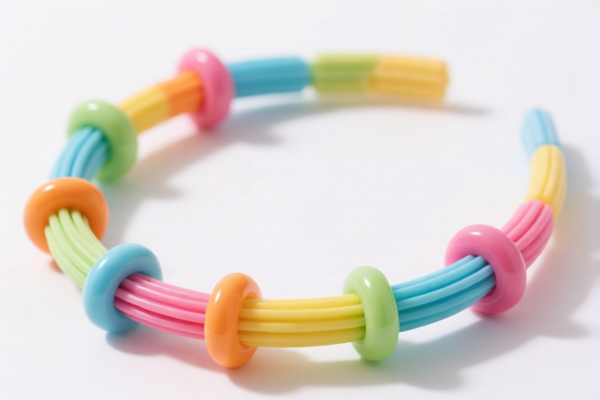
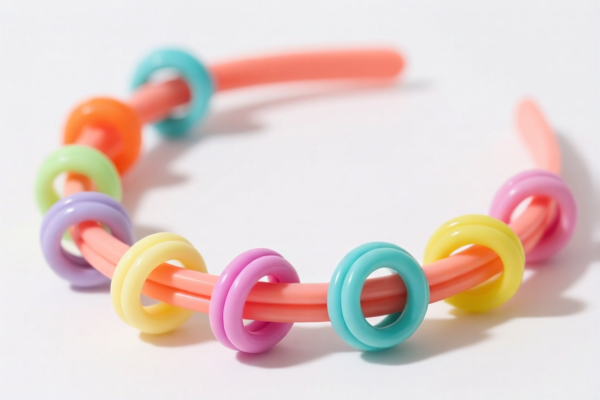
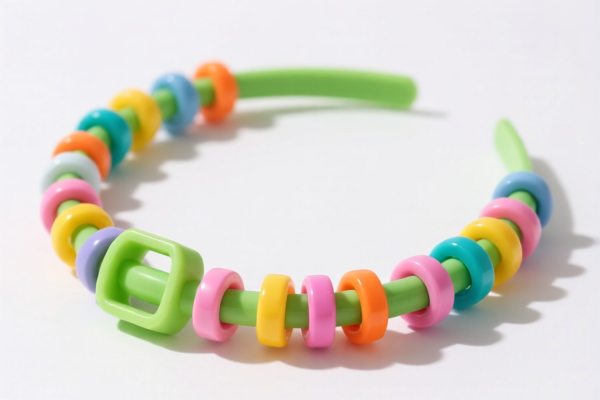
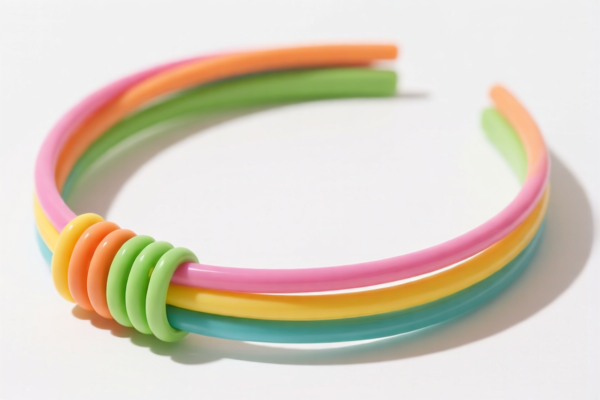
AI Analysis
🎀 Candy Colored Plastic Satin 1cm Hair Tie (The Ultimate Accessory Guide)
🌐 HS Code Reference & Customs Clearance Guide | 2024/2025 Latest Tariff Analysis | Professional Compliance Strategy
📌 I. Product Definition & Classification: What Exactly Are You Shipping?
"Candy colored plastic satin 1cm hair tie" describes a small, elastic accessory used for holding hair. In international trade, classification depends heavily on the material composition and the specific form (whether it's considered a "garment accessory" or a "plastic good").
Key characteristics identified from your input: * Item: Hair tie / Ponytail holder (Emu tie/ponytail扣) * Material: Plastic (polyester/synthetic fiber often referred to as "plastic satin" in lay terms, or actual plastic coating) * Color: Candy colored * Size: 1cm (width/size indicator)
⚠️ Critical Distinction Point:
- Is it primarily a textile/garment accessory (Chapter 62) made of synthetic fibers?
- Or is it primarily a plastic article (Chapter 39)?
- Or is it a toiletry/hair accessory (Chapter 96)?
The provided data suggests multiple valid classifications depending on how customs interprets "plastic satin."
📦 II. HS Code Classification Details (Based on Provided Data)
Below are the 5 potential HS Codes derived from your input, ranked by relevance and tax impact according to the provided dataset.
| HS Code | Product Description | Tax Category Logic | Total Tax Rate |
|---|---|---|---|
| 6217.10.95.30 | Other made up clothing accessories, of man-made fibers | Garment Accessory: Classifies as a synthetic fiber accessory (plastic satin = man-made fiber). | 32.1% |
| 6217.10.85.00 | Other made up clothing accessories (Other) | Garment Accessory: "Ponytail holder/Emu tie" fits under "Other accessories." Material conflict less severe. | 24.6% |
| 3926.90.99.89 | Other articles of plastics | Plastic Good: Classified as a general plastic article. "Plastic" is the dominant keyword. | 22.8% |
| 3926.90.99.05 | Other articles of plastics | Plastic Good: Similar to above; "Plastic satin/tie" interpreted as plastic带状物 (strip/ribbon). | 22.8% |
| 9615.19.60.00 | Combs, hair-slides and similar articles | Toiletry/Hair Tool: Explicitly includes "Hairbands." Plastic/Satin materials fit here. | 21.0% |
🔍 Key Insight:
- Lowest Tax Rate:9615.19.60.00(21.0%)
- Highest Tax Rate:6217.10.95.30(32.1%)
- Mid-Range:6217.10.85.00(24.6%) and Plastic codes (22.8%)
💰 III. Detailed Tax Rate Breakdown (Including Additional Duties)
✅ Applicable Market: USA (US)
✅ Origin: China (CN) – Implied by "122 Section" and high tariffs
✅ Effective Date: Current (2024/2025)
🎯 1. 9615.19.60.00 — The Most Cost-Effective Option?
Description: Combs, hair-slides, and similar articles (Hairbands/Ties).
Total Tax: 21.0%
| Item | Content |
|---|---|
| Base Duty | 11.0% |
| Section 301 / Additional Duty | 0.0% |
| Section 122 Duty | 10.0% |
| Total | 21.0% |
📌 Explanation:
- This code is often preferred for hair accessories because it explicitly covers "hair-slides" and "hairbands."
- Savings: Compared to6217.10.95.30, you save 11.1% on duties.
- Risk: Customs may challenge if the item is strictly a "tie" rather than a "slide" or "comb," but "hair tie" is often grouped under general hair accessories in Chapter 96.
🎯 2. 6217.10.85.00 — The "Other Accessory" Route
Description: Other made up clothing accessories (Ponytail holders).
Total Tax: 24.6%
| Item | Content |
|---|---|
| Base Duty | 14.6% |
| Section 301 / Additional Duty | 0.0% |
| Section 122 Duty | 10.0% |
| Total | 24.6% |
📌 Explanation:
- This code assumes the hair tie is a "clothing accessory" (Part of a garment ensemble).
- Savings: Lower than the highest textile rate.
- Logic: "Emu tie" (ponytail holder) is explicitly mentioned in many customs rulings as a garment accessory.
🎯 3. 3926.90.99.89 & 3926.90.99.05 — The "Plastic" Route
Description: Other plastic articles.
Total Tax: 22.8%
| Item | Content |
|---|---|
| Base Duty | 5.3% |
| Section 301 / Additional Duty | 7.5% |
| Section 122 Duty | 10.0% |
| Total | 22.8% |
📌 Explanation:
- Low Base Duty: Only 5.3%, but Section 301 adds 7.5%.
- Risk: High. If customs determines the item is primarily textile (nylon/polyester elastic), they may reclassify to Chapter 62, leading to higher taxes and penalties. Use only if the item is rigid plastic or heavily coated.
🎯 4. 6217.10.95.30 — The Highest Tax Risk
Description: Other made up clothing accessories, of man-made fibers.
Total Tax: 32.1%
| Item | Content |
|---|---|
| Base Duty | 14.6% |
| Section 301 / Additional Duty | 7.5% |
| Section 122 Duty | 10.0% |
| Total | 32.1% |
📌 Explanation:
- Avoid if possible. This is the most expensive classification. It treats the item as a generic textile accessory.
🛠️ IV. Customs Clearance Practical Advice (Pitfall Avoidance Guide)
✅ 1. Preparation Checklist (Must-Haves)
| Document | Required? | Notes |
|---|---|---|
| Product Photos | ✔️ | Clear images showing the "candy colored" aspect and the "1cm" width. Show texture (satin vs. plastic). |
| Material Composition Statement | ✔️ | Crucial! Specify: "100% Polyester Elastic" or "Plastic Coated Fabric." This determines Chapter 62 vs. 39 vs. 96. |
| Commercial Invoice | ✔️ | Description: "Candy Colored Satin Hair Ties, 1cm Width, Synthetic Material." |
| Packing List | ✔️ | Include quantity per pack and total cartons. |
| Brand/Logo Info | ✔️ | If branded, ensure IP rights are cleared in the US. |
✅ 2. Declaration Strategy (Key Tips)
🔥 Golden Rule: "Be Specific, Don't Just Say 'Accessory'!"
| Scenario | Recommended Description | HS Code Suggestion | Why? |
|---|---|---|---|
| Soft, Elastic Tie | "Hair Tie, Made of Elasticized Satin Fabric (Polyester)" | 9615.19.60.00 or 6217.10.85.00 |
Highlights hair accessory function. Lower tax than generic textile. |
| Rigid Plastic Clip/Tie | "Plastic Hair Clip, Candy Color" | 3926.90.99.89 |
If it's hard plastic, not fabric. |
| Mixed Material | "Fabric Hair Tie with Plastic Elastic Core" | 9615.19.60.00 |
Best balance of tax and accuracy. |
⚠️ Warning:
- Do NOT use generic terms like "Crafts" or "Toys" unless it's a children's toy.
- Do NOT misdeclare plastic items as textiles to save tax; customs can test material and penalize.
✅ 3. Special Considerations for "Candy Colored"
- Safety Standards: If marketed to children, ensure compliance with CPSIA (Consumer Product Safety Improvement Act) in the US. Lead content and phthalates in "plastic satin" must be tested.
- Labeling: Clearly state "Not a Toy" if it's an accessory to avoid confusion with children's products.
🌍 V. Global Market Comparison (Quick Reference)
| Market | Recommended HS Code | Est. Duty (China Origin) | Notes |
|---|---|---|---|
| USA | 9615.19.60.00 |
~21.0% | Best rate among options. |
| USA | 6217.10.85.00 |
~24.6% | Acceptable alternative. |
| EU | 9615.19.60.00 |
~0-5% | Generally lower duties for hair accessories. |
| China | 9615.19.60.00 |
~10-15% | Varies by specific classification. |
📌 Conclusion for US Importers:
- Target9615.19.60.00for the lowest duty (21.0%).
- Ensure your supplier provides a material test report confirming if it's plastic or textile to support your classification.
📌 VI. Common Mistakes & Pitfalls (Lessons Learned)
❌ Mistake 1: Declaring as "Textile Garment Accessory" (6217) without specifying material.
👉 Consequence: Customs may apply the higher rate of 32.1% if they assume worst-case material.
❌ Mistake 2: Calling it a "Plastic Toy" for lower tax.
👉 Consequence: Violation of safety laws (CPSIA) + Misclassification penalties.
❌ Mistake 3: Ignoring Section 122 Duty (10%).
👉 Consequence: Unexpected cost increase. All options above include this 10% surcharge.
✅ Best Practice:
Use the description: "Hair Accessories, Hair Ties, Candy Color, 1cm Width, Synthetic Material"
→ File under9615.19.60.00(if soft/fabric) or3926.90.99.89(if rigid plastic).
🎯 VII. Conclusion: Optimize Your Clearance!
🎯 Remember:
🔹 "Hair Tie = Chapter 96 (Best Tax)"
🔹 "Plastic Tie = Chapter 39 (Mid Tax)"
🔹 "Textile Tie = Chapter 62 (Worst Tax)"
📌 Action Step:
- Confirm material with supplier (Plastic vs. Polyester Satin).
- Choose
9615.19.60.00if possible.- Prepare CPSIA documentation if for children.
🚀 Clear, compliant, and cost-effective clearance starts with accurate classification!
✨ Professional Customs Clearance, Starts with the Right HS Code!
💼 Save 11% on duties by choosing the right code!
Customer Reviews
About HS Code Classification
The Harmonized System (HS) is an internationally standardized nomenclature developed by the World Customs Organization (WCO) to classify traded products. Over 200 countries use the HS system as the basis for customs tariffs, trade statistics, and import/export regulations.
Each HS code follows a hierarchical structure:
- Chapter (2 digits) — Broad category of goods (e.g., Chapter 84: Machinery and Mechanical Appliances)
- Heading (4 digits) — More specific grouping within the chapter
- Subheading (6 digits) — Internationally standardized breakdown, used by all WCO member countries
- National subdivisions (8-10 digits) — Country-specific extensions for further classification, such as US HTSUS 10-digit codes
Correct HS code classification is essential for smooth customs clearance, accurate duty payment, and compliance with trade regulations. Misclassification can lead to customs delays, overpayment of duties, or penalties.
When importing from CN to US, the applicable tariff rates may include:
- Most-Favored-Nation (MFN) rate — The standard duty rate applied to WTO members
- General rate — Applied to countries without trade agreements
- Trade remedy duties — Additional tariffs such as Section 301 (anti-dumping), Section 232 (national security), or countervailing duties
The information provided on this page is for reference purposes only. For official classification, please consult with your local customs authority or a licensed customs broker.