Cane Ornament
CN → US| HS Code | Tariff Rate | Origin | Destination | Doc |
|---|---|---|---|---|
| 9703900000 | 17.5% | CN | US | Official Doc |
| 9703100000 | 17.5% | CN | US | Official Doc |
| 4421919880 | 38.3% | CN | US | Official Doc |
| 4421999880 | 38.3% | CN | US | Official Doc |
| 4602124500 | 41.6% | CN | US | Official Doc |
Product Images
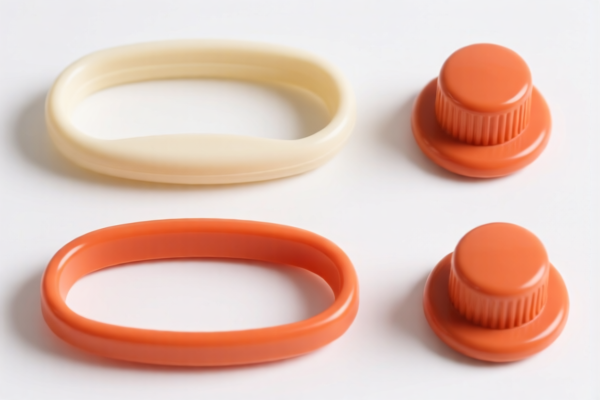
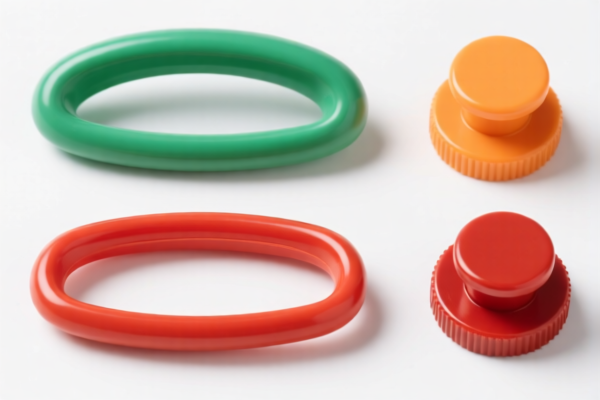

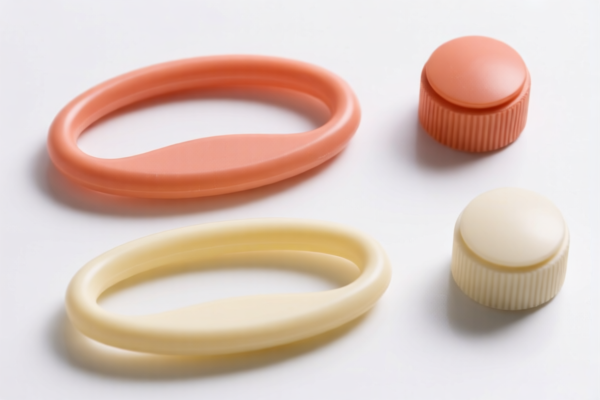
AI Analysis
🌿 Cane Ornament (藤条装饰)
🌐 HS Code Reference & Customs Clearance Guide | 2026 Latest Tariff Analysis | Professional Customs Strategy
📌 I. Product Definition & Classification: Do You Really Understand "Cane Ornament"?
Cane Ornament, in the context of international trade, typically refers to decorative items made from natural plant fibers (rattan, bamboo, willow, etc.). Depending on their specific material composition, artistic nature, and manufacturing process, they fall into different HS Code categories. This distinction is critical because the tariff rates vary significantly, especially for imports into the United States from China.
⚠️ Key Distinction Points:
- Artistic Sculpture: If the item is crafted with high artistic value, resembling a statue or sculpture, it may fall under Chapter 97.
- Woven Product: If the item is primarily defined by its weaving technique (rattan weaving), it falls under Chapter 46.
- Wood/Wicker Product: If the item is classified broadly as wood or wicker decoration without specific artistic status, it falls under Chapter 44.
📦 II. HS Code Classification Details (2026 Latest Tariff Authority Comparison)
| HS Code | Product Description | Application Scenario | Tax Rate (Total) |
|---|---|---|---|
9703.90.00.00 |
Artistic Sculpture/Statue (Other Materials) | Cane decoration inferred as cane material, fitting the "other materials" catch-all category for sculptures/statues. | 17.5% |
9703.10.00.00 |
Artistic Sculpture/Statue (Natural Plant Material) | Cane decoration belonging to natural plant materials, fitting the artistic form of sculptures/statues. | 17.5% |
4602.12.45.00 |
Woven Products (Plant Materials) | Cane decoration, belonging to plant materials, inferred as woven products or similar articles. | 41.6% |
4421.91.98.80 |
Wooden/Wicker Decorations (Plant Fiber) | Cane decoration, material is plant fiber-based wood products, used for other items. | 38.3% |
4421.99.98.80 |
Wooden/Wicker Products (Non-Specific Use) | Cane decoration, material is wood fiber-based, belonging to wood products for non-specific uses. | 38.3% |
🔍 Critical Reminder:
- Chapter 97 (Artistic Goods) offers the lowest tax burden (17.5%) but requires proof of artistic nature (e.g., unique design, hand-crafted sculpture status).
- Chapter 46 (Woven Goods) and Chapter 44 (Wood/Wicker) are subject to higher tariffs (38.3%-41.6%) due to additional duties.
- Misclassification can lead to significant cost differences (up to 24%!).
💰 III. 2026 Latest Tariff Rate Details (Including Additional Taxes & Policy Add-ons)
✅ Applicable Country: United States (US)
✅ Origin: China (CN)
✅ Effective Time: 2025/2026 Tariff Schedule
🎯 1. 9703.90.00.00 & 9703.10.00.00 —— Artistic Sculptures/Statues (Lowest Tax Option)
| Item | Details |
|---|---|
| Base Tariff | 0.0% |
| Section 301 (Additional) Tariff | +7.5% |
| 122 Clause Tariff (IEEPA) | +10% |
| Total Tax Rate | 17.5% |
| Tax Calculation | CIF Value × 17.5% |
| De Minimis Eligibility | ❌ Not Eligible (Deny De Minimis for Section 301/122 goods) |
| Legal Basis Path | USITC:9703.10.00.00 / 9703.90.00.00 → SECTION301:7.5% → IEEPA:122:10% |
📌 Explanation:
- Base Tariff 0%: Artistic sculptures often enjoy zero base tariffs.
- Section 301 +7.5%: This is the standard additional tariff for many Chinese artistic/goods imports.
- 122 Clause +10%: Imposed under the International Emergency Economic Powers Act (IEEPA) on specific Chinese imports.
- Total 17.5%: This is the most favorable rate among the options provided.
🎯 2. 4602.12.45.00 —— Woven Products (Highest Tax Option)
| Item | Details |
|---|---|
| Base Tariff | 6.6% |
| Section 301 (Additional) Tariff | +25.0% |
| 122 Clause Tariff (IEEPA) | +10% |
| Total Tax Rate | 41.6% |
| Tax Calculation | CIF Value × 41.6% |
| De Minimis Eligibility | ❌ Not Eligible |
| Legal Basis Path | USITC:4602.12.45.00 → SECTION301:25% → IEEPA:122:10% |
📌 Explanation:
- Base Tariff 6.6%: Woven plant products have a higher base tariff.
- Section 301 +25%: Standard high additional tariff for woven goods from China.
- 122 Clause +10%: Additional surcharge.
- Total 41.6%: This is the highest rate in the dataset. Significant cost impact.
🎯 3. 4421.91.98.80 & 4421.99.98.80 —— Wooden/Wicker Decorations (High Tax Option)
| Item | Details |
|---|---|
| Base Tariff | 3.3% |
| Section 301 (Additional) Tariff | +25.0% |
| 122 Clause Tariff (IEEPA) | +10% |
| Total Tax Rate | 38.3% |
| Tax Calculation | CIF Value × 38.3% |
| De Minimis Eligibility | ❌ Not Eligible |
| Legal Basis Path | USITC:4421.91.98.80 / 4421.99.98.80 → SECTION301:25% → IEEPA:122:10% |
📌 Explanation:
- Base Tariff 3.3%: Lower base than woven goods, but higher than sculptures.
- Section 301 +25%: Same high additional tariff as woven goods.
- 122 Clause +10%: Additional surcharge.
- Total 38.3%: High tax burden, similar to woven goods.
🛠️ IV. Customs Clearance Practical Advice (Battle-Tested Pitfall Avoidance Guide)
✅ 1. Required Documentation Checklist (Non-Negotiable)
| Document | Required? | Description |
|---|---|---|
| ✅ Product Specifications | ✔️ | Material composition (e.g., 100% Natural Rattan), dimensions, weight. |
| ✅ Product Photos | ✔️ | Clear images showing the item as a sculpture/art piece vs. a woven basket/decor. |
| ✅ Commercial Invoice | ✔️ | Accurate description: "Hand-crafted Rattan Sculpture" vs. "Woven Rattan Decoration". |
| ✅ Origin Certificate | ✔️ | Proof of Chinese origin. |
| ✅ Packing List | ✔️ | Detailed breakdown of items. |
| ✅ Artistic Proof (If Claiming Ch. 97) | ✔️ | Design sketches, artist statement, or proof of hand-crafting to justify HS Code 9703.xxxx. |
✅ 2. Declaration Tips (Key Mantra)
🔥 “Art is 17.5%, Weave is 41.6%! Describe as Art, Avoid Weave!”
| Scenario | Correct Declaration | Wrong Action |
|---|---|---|
| Hand-crafted Sculpture/Statue | 9703.10.00.00 or 9703.90.00.00 |
Misdeclare as "Woven Decor" → 41.6% |
| Mass-produced Wicker Basket | 4602.12.45.00 or 4421.99.98.80 |
Misdeclare as "Sculpture" → Risk of audit & back taxes |
| Generic Wooden Decoration | 4421.91.98.80 |
N/A (Correct if not artistic/woven) |
📌 Strategy:
- If your cane ornament is unique, artistic, and resembles a statue, strongly advocate for Chapter 97 to save ~20-24% in taxes.
- Provide visual evidence (photos, design concepts) to support the "Artistic" classification.
- If it is a standard woven basket or tray, expect the 38-41% tax rate. Do not attempt to misclassify as art.
✅ 3. Special Case Handling
| Scenario | Handling Advice |
|---|---|
| Custom Art Piece | Provide artist bio, design process, and photos to prove artistic intent → Eligible for 9703 (17.5%). |
| Mass-Produced Decor | Accept the higher tax rate (38-41%). Focus on cost optimization in supply chain. |
| Mixed Materials | If cane is combined with metal/wood, classify based on essential character. If weaving is dominant → Ch. 46. If sculpture is dominant → Ch. 97. |
🌍 V. Global Market Comparison (2026 Latest)
| Country/Region | Recommended HS Code | Tariff (China Origin) | Notes |
|---|---|---|---|
| 🇺🇸 USA | 9703.xxxx |
17.5% (Art) vs 38-41% (Non-Art) | High Section 301 & 122 tariffs. Art classification is key. |
| 🇨🇳 China | 9703.xxxx |
~5-10% | Lower tariffs, no Section 301. |
| 🇪🇺 EU | 9703.xxxx |
~0-4.5% | No Section 301/122. CE/RoHS if applicable. |
| 🇬🇧 UK | 9703.xxxx |
~0-5% | Post-Brexit tariffs. No US-style add-ons. |
📌 Conclusion:
- USA is the most challenging market due to high additional tariffs.
- Artistic classification (Ch. 97) is the #1 strategy to reduce US import costs for cane ornaments.
- Woven/Wood classifications (Ch. 44/46) are tax-heavy in the US. Consider alternative markets or supplier diversification if margins are tight.
📌 VI. Common Errors & Pitfall Avoidance (Blood & Tears Lessons)
❌ Error 1: Declaring a mass-produced woven basket as a sculpture
👉 Consequence: Customs audit, penalty, back taxes + interest.
✅ Solution: Only claim Ch. 97 for items with clear artistic/sculptural value.
❌ Error 2: Ignoring the 122 Clause (10%)
👉 Consequence: Underpayment of taxes, shipment delay.
✅ Solution: Always include the 10% IEEPA surcharge in cost calculations for Ch. 97, 44, and 46 goods.
❌ Error 3: Misusing "Woven" vs. "Wooden"
👉 Consequence: 4602 (41.6%) vs 4421 (38.3%) → 3.3% difference per shipment.
✅ Solution: Define material process accurately. Rattan weaving → Ch. 46. Solid wood carving → Ch. 44.
🎯 VII. Conclusion: Smart Classification, Maximize Profit!
🎯 Remember the Mantra:
🔹 “Art is 17.5%, Weave is 41.6%! HS Code is destiny!”
🔹 “If it’s art, call it art. If it’s woven, pay the price.”
📌 Pro Tip:
If your cane ornaments are hand-crafted and unique, gather photos, design sheets, and artist statements to support an HS Code
9703declaration. This can save you 20-24% in US import duties.
For mass-produced items, factor in the 38-41% tax rate and adjust pricing accordingly.
📣 Immediate Action:
📞 Consult a Customs Broker + Provide Product Photos + Apply for Advance Ruling if possible.
🚀 Optimize your HS Code classification to ensure smooth clearance and maximum profit!
✨ Professional Customs Clearance Starts with Precise Classification!
💼 Every Dollar of Duty Saved is Pure Profit!
Customer Reviews
About HS Code Classification
The Harmonized System (HS) is an internationally standardized nomenclature developed by the World Customs Organization (WCO) to classify traded products. Over 200 countries use the HS system as the basis for customs tariffs, trade statistics, and import/export regulations.
Each HS code follows a hierarchical structure:
- Chapter (2 digits) — Broad category of goods (e.g., Chapter 84: Machinery and Mechanical Appliances)
- Heading (4 digits) — More specific grouping within the chapter
- Subheading (6 digits) — Internationally standardized breakdown, used by all WCO member countries
- National subdivisions (8-10 digits) — Country-specific extensions for further classification, such as US HTSUS 10-digit codes
Correct HS code classification is essential for smooth customs clearance, accurate duty payment, and compliance with trade regulations. Misclassification can lead to customs delays, overpayment of duties, or penalties.
When importing from CN to US, the applicable tariff rates may include:
- Most-Favored-Nation (MFN) rate — The standard duty rate applied to WTO members
- General rate — Applied to countries without trade agreements
- Trade remedy duties — Additional tariffs such as Section 301 (anti-dumping), Section 232 (national security), or countervailing duties
The information provided on this page is for reference purposes only. For official classification, please consult with your local customs authority or a licensed customs broker.