Canvas Drawstring Bag
CN → US| HS Code | Tariff Rate | Origin | Destination | Doc |
|---|---|---|---|---|
| 4202929100 | 52.6% | CN | US | Official Doc |
| 6307909891 | 24.5% | CN | US | Official Doc |
| 4202329100 | 52.6% | CN | US | Official Doc |
| 6307909875 | 24.5% | CN | US | Official Doc |
| 4202329300 | 52.6% | CN | US | Official Doc |
Product Images
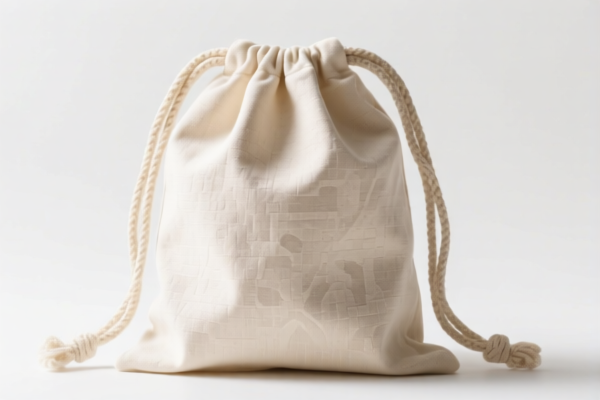
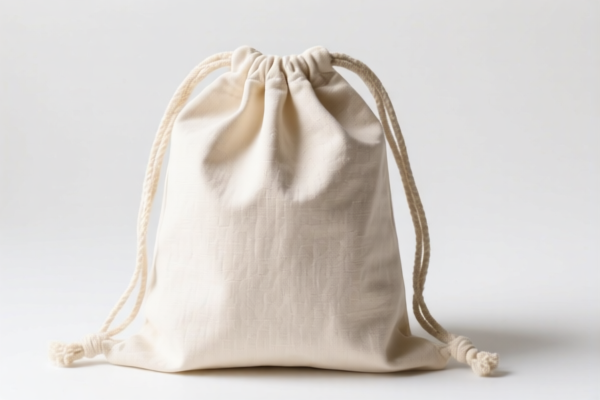
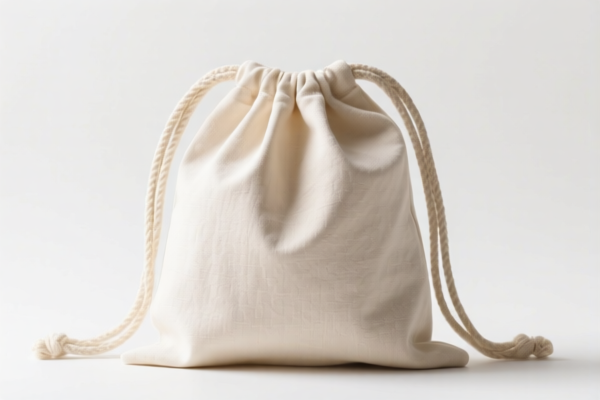
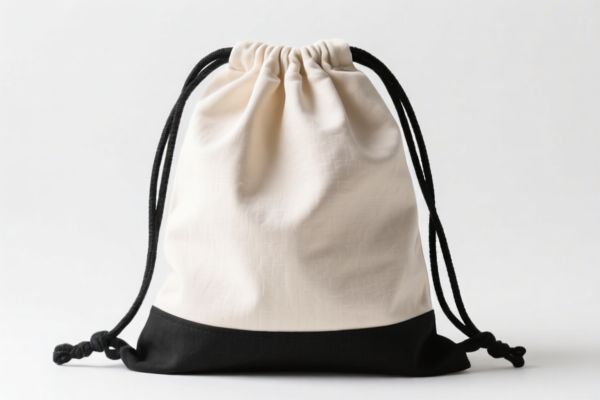
AI Analysis
🎒 Canvas Drawstring Bag (Gym Sack / Sports Sack)
🌐 HS Code Reference & Clearance Guide | 2026 Latest Tariff Breakdown | Professional Entry Strategy
📌 I. Product Definition & Classification: What Exactly is a "Canvas Bag"?
The Canvas Drawstring Bag is a ubiquitous accessory used for sports, gym storage, casual carry, and retail packaging. In international trade, "canvas" is primarily viewed as a textile material (cotton, linen, or synthetic blend). However, customs classification hinges heavily on the finished form and intended use:
Type A: Finished Container (Bag/Pouch)
If the canvas is sewn into a specific shape with handles or a drawstring mechanism intended for carrying items, it is classified as an article of luggage or handbag (Chapter 42).
Type B: General Textile Article
If the item is considered a "made-up article" not specifically described as a bag in Chapter 42, or if it is classified based on its material composition without a specific bag heading, it may fall under Other Made-up Textile Articles (Chapter 63).
⚠️ Critical Distinction Point:
- If it has a specific identity as a "bag," "pouch," or "sack" for carrying goods → Chapter 42 (Luggage/Bags)
- If it is a generic textile item or lacks specific bag features → Chapter 63 (Other Textile Articles)
- Note: In practice, drawstring bags are often contested. Chapter 42 usually attracts higher tariffs due to "bag" classification, while Chapter 63 is treated as a general textile product.
📦 II. HS Code Classification Matrix (Based on Provided Data)
According to the provided dataset, there are 5 potential HS Codes depending on how the customs authority interprets the bag's material and function. The tax burden varies significantly between Chapter 42 (Bags) and Chapter 63 (Other Textiles).
| HS Code | Product Description & Logic | Total Tax Rate | Key Tariff Components |
|---|---|---|---|
| 4202.92.91.00 | Other Containers: Canvas is textile material, classified as a "sack/bag" under general containers. | 52.6% | Base: 17.6% + Sec 301: 25% + Sec 122: 10% |
| 6307.90.98.91 | Other Made-up Articles: Canvas is textile material, classified as a generic finished textile good, not a specific bag. | 24.5% | Base: 7.0% + Sec 301: 7.5% + Sec 122: 10% |
| 4202.32.91.00 | Pouches/Handbag Linings: Canvas is textile, classified as a container typically carried in pockets or handbags (small pouch). | 52.6% | Base: 17.6% + Sec 301: 25% + Sec 122: 10% |
| 6307.90.98.75 | Non-Metallic Articles: Specific Note: Described as "non-metallic material" classified as other made-up articles. | 24.5% | Base: 7.0% + Sec 301: 7.5% + Sec 122: 10% |
| 4202.32.93.00 | Similar Containers: Canvas is textile, classified as a "similar container" to those carried in pockets/handbags. | 52.6% | Base: 17.6% + Sec 301: 25% + Sec 122: 10% |
🔍 Key Insight:
- Chapter 42 Codes (ending in .91, .91, .93) are treated as Bags/Containers. They incur the maximum tax rate of 52.6%.
- Chapter 63 Codes (ending in .91, .75) are treated as General Textile Articles. They incur the lower tax rate of 24.5%.
- The difference is 28.1%, which is a massive cost variance!
💰 III. 2026 Tariff Breakdown (Detailed Analysis)
✅ Applicable Market: United States (US)
✅ Origin: China (CN)
✅ Effective Time: Ongoing (Post-2025 adjustments)
🎯 1. High-Tariff Route: Chapter 42 (The "Bag" Classification)
Applicable HS Codes: 4202.92.91.00, 4202.32.91.00, 4202.32.93.00
| Component | Rate | Legal Basis | Explanation |
|---|---|---|---|
| Base Duty | 17.6% | HTSUS General Rate | Standard tariff for articles of luggage/handbags. |
| Section 301 (Trade War) | +25.0% | USITC Footnote 9903.88.01 | Additional duty on Chinese-made bags/textiles. |
| Section 122 / IEEPA | +10.0% | Executive Order / IEEPA | Additional surcharge on specific Chinese goods. |
| Total Effective Rate | 52.6% | Extremely High. |
📌 Why is it so high?
Customs views a canvas drawstring bag as a luxury or consumer good (Chapter 42) rather than a raw textile. The "Bag" classification attracts the highest Section 301 penalty (25%) compared to general textiles.
🎯 2. Low-Tariff Route: Chapter 63 (The "Textile Article" Classification)
Applicable HS Codes: 6307.90.98.91, 6307.90.98.75
| Component | Rate | Legal Basis | Explanation |
|---|---|---|---|
| Base Duty | 7.0% | HTSUS General Rate | Standard tariff for "Other made-up textile articles." |
| Section 301 (Trade War) | +7.5% | USITC Footnote 9903.88.01 | Lower additional duty for general textile products. |
| Section 122 / IEEPA | +10.0% | Executive Order / IEEPA | Same surcharge as above. |
| Total Effective Rate | 24.5% | Moderate. |
📌 Why is it lower?
By classifying the bag as a "made-up textile article" (Chapter 63) rather than a "bag" (Chapter 42), you avoid the steep 17.6% base duty and the 25% Section 301 penalty. Instead, you pay 7.0% base + 7.5% Section 301.
🛠️ IV. Clearance Practical Advice (Avoiding the "Bag" Trap)
✅ 1. Material & Design Documentation
To justify the lower Chapter 63 classification (24.5%), you must prove the item is not primarily defined as a "bag" in the trade sense.
| Document | Requirement | Tip |
|---|---|---|
| Product Spec Sheet | List material composition (e.g., "100% Cotton Canvas") | Emphasize "Textile Fabric" over "Luggage." |
| Construction Diagram | Show simple sewn seams, no complex hardware | Avoid metal clasps, heavy lining, or rigid structures. |
| Usage Description | "Sports sack," "Gym pouch," "Shopping bag" | Do NOT use words like "Handbag," "Suitcase," or "Luggage." |
| Photos | Clear front/back view | Show the drawstring closure clearly. |
✅ 2. Strategic Classification Arguments
🔥 "Textile Article vs. Bag: The 28% Difference!"
| Scenario | Recommended HS Code | Tax Rate | Risk Level |
|---|---|---|---|
| Simple Canvas Sack | 6307.90.98.91 |
24.5% | ✅ Low Risk (if no rigid structure) |
| Bag with Metal Hardware | 4202.92.91.00 |
52.6% | ⚠️ High Risk (triggers Chapter 42) |
| Small Pouch (Pocket-sized) | 4202.32.91.00 |
52.6% | ⚠️ High Risk (classified as accessory) |
| Generic Textile Item | 6307.90.98.75 |
24.5% | ✅ Low Risk (Non-metallic focus) |
✅ 3. Critical Clearance Tips
- Avoid "Bag" in HS Description: Use terms like "Drawstring Pouch," "Textile Sack," or "Made-up Article" in commercial invoices. Avoid "Handbag" or "Luggage."
- Material Focus: Highlight that the primary value is in the textile fabric, not the "bag" construction.
- No Metal Hardware: If the bag contains metal grommets, zippers, or heavy clasps, customs may reclassify it to Chapter 42. Keep it simple: just canvas and drawstring.
- Pre-Ruling Recommendation: For large shipments, apply for an Advance Ruling from CBP to confirm classification under
6307.90.98.91. This protects you from retroactive penalties.
🌍 V. Market Comparison (Quick Reference)
| Market | Recommended HS Code | Est. Tax Rate | Notes |
|---|---|---|---|
| 🇺🇸 USA | 6307.90.98.91 |
24.5% | Best option. Avoid Chapter 42 (52.6%). |
| 🇨🇳 China | 6307.90.98.91 |
7.0% | No additional Section 301 tariffs. |
| 🇪🇺 EU | 6307.90.98.91 |
~4-6% | Generally low duty for textiles. |
| 🇬🇧 UK | 6307.90.98.91 |
~6-9% | Post-Brexit tariffs apply. |
📌 Conclusion for US Importers:
Chapter 63 is your friend. Fighting for6307.90.98.91saves you 28.1% in taxes. However, be prepared for customs scrutiny. Ensure your product is a simple, soft-sided textile sack without rigid features.
📌 VI. Common Mistakes & Pitfalls
❌ Mistake 1: Declaring as "Handbag" or "Bag"
👉 Result: Customs assigns 4202.92.91.00 → 52.6% tax.
💡 Fix: Use "Textile Sack" or "Pouch."
❌ Mistake 2: Including metal hardware (zippers, eyelets)
👉 Result: May trigger Chapter 42 classification.
💡 Fix: Use plastic drawstring tips or sewn ends.
❌ Mistake 3: Ignoring Section 122 (10%)
👉 Result: Unexpected tax bill.
💡 Fix: Factor in the 10% IEEPA/Sec 122 surcharge in all calculations. It applies to both chapters.
✅ Correct Declaration Example:
"Cotton Canvas Drawstring Sack, No Hardware, For Gym/Sports Use, HTS 6307.90.98.91"
🎯 VII. Conclusion: Smart Classification Saves Money
🎯 Remember the Golden Rule:
"Soft Textile = Chapter 63 (24.5%)
Structured Bag = Chapter 42 (52.6%)"
The difference is $28.10 per $100 of goods. For a $10,000 shipment, that’s $2,810 saved.
📌 Pro Tip:
If your canvas bag is lined with a different material (e.g., nylon) or has complex pockets, you may be forced into Chapter 42. Keep designs simple for Chapter 63 eligibility.
📣 Action Plan:
1. Audit your design: Remove all metal hardware.
2. Update Invoice: Use "Textile Sack" instead of "Bag."
3. Confirm HS Code: Use 6307.90.98.91 for the lowest tax rate.
4. Consult Custom Broker: Verify eligibility for Chapter 63.
✨ Precision Classification = Maximum Profit!
💼 Don't let customs turn your 24.5% into 52.6%!
Customer Reviews
About HS Code Classification
The Harmonized System (HS) is an internationally standardized nomenclature developed by the World Customs Organization (WCO) to classify traded products. Over 200 countries use the HS system as the basis for customs tariffs, trade statistics, and import/export regulations.
Each HS code follows a hierarchical structure:
- Chapter (2 digits) — Broad category of goods (e.g., Chapter 84: Machinery and Mechanical Appliances)
- Heading (4 digits) — More specific grouping within the chapter
- Subheading (6 digits) — Internationally standardized breakdown, used by all WCO member countries
- National subdivisions (8-10 digits) — Country-specific extensions for further classification, such as US HTSUS 10-digit codes
Correct HS code classification is essential for smooth customs clearance, accurate duty payment, and compliance with trade regulations. Misclassification can lead to customs delays, overpayment of duties, or penalties.
When importing from CN to US, the applicable tariff rates may include:
- Most-Favored-Nation (MFN) rate — The standard duty rate applied to WTO members
- General rate — Applied to countries without trade agreements
- Trade remedy duties — Additional tariffs such as Section 301 (anti-dumping), Section 232 (national security), or countervailing duties
The information provided on this page is for reference purposes only. For official classification, please consult with your local customs authority or a licensed customs broker.