Canvas Gift Bag
CN → US| HS Code | Tariff Rate | Origin | Destination | Doc |
|---|---|---|---|---|
| 4202926091 | 41.3% | CN | US | Official Doc |
| 4202929100 | 52.6% | CN | US | Official Doc |
| 6305200000 | 23.7% | CN | US | Official Doc |
| 6305900000 | 23.7% | CN | US | Official Doc |
| 4202329100 | 52.6% | CN | US | Official Doc |
Product Images
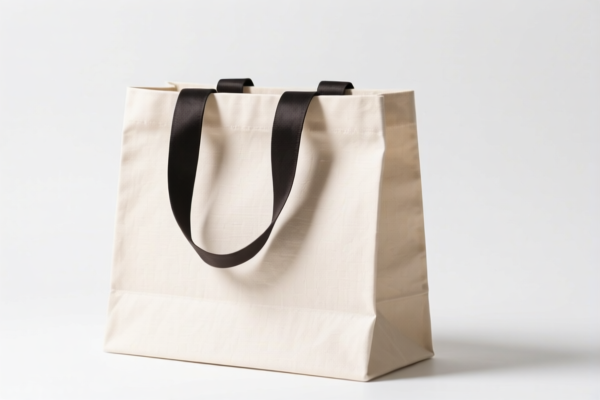
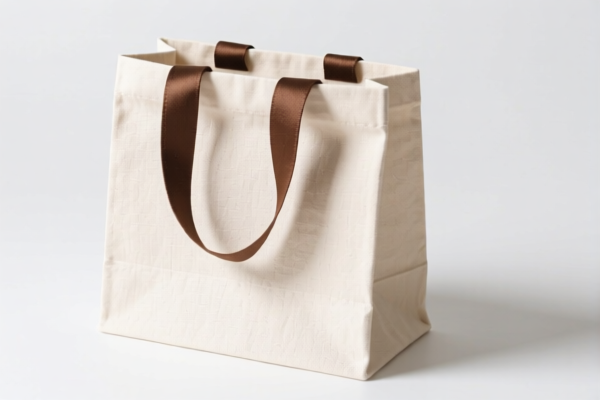
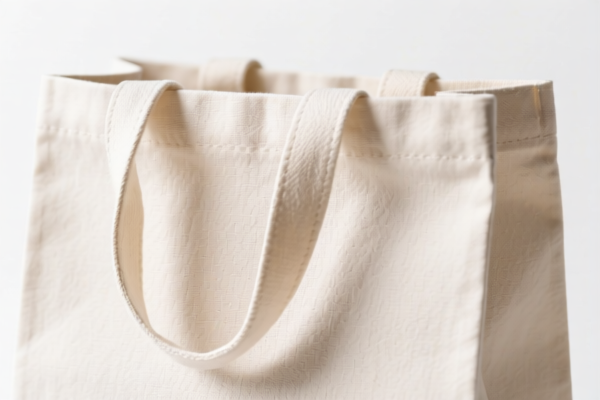
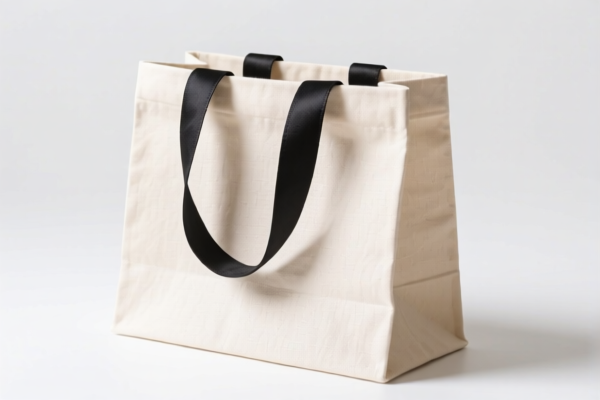
AI Analysis
🎁 Canvas Gift Bag (帆布礼品袋)
🌐 HS Code Reference & Customs Clearance Guide | 2026 Latest Tariff Analysis | Strategic Clearance Strategies
📌 I. Product Definition & Classification: Do You Truly Understand "Canvas Gift Bags"?
A Canvas Gift Bag is a textile-based container primarily made of cotton or canvas fabric, designed for gifting, retail packaging, or general storage. In international trade, the classification depends heavily on its specific use, material composition, and structure. Is it a generic textile sack? Or is it a structured handbag/artisan container?
⚠️ Key Classification Distinctions:
- If it is a simple sack for goods storage → 6305.20 / 6305.90
- If it is a structured container resembling a handbag/purse → 4202.92
- ⚠️ Risk: Misclassification leads to massive tariff differences (23.7% vs 52.6%+).
📦 II. HS Code Classification Details (2026 Latest Tariff Authority Comparison)
| HS Code | Product Description | Application Scenario | Material Logic |
|---|---|---|---|
4202.92.60.91 |
Other containers, outer surface of cotton (non-jewelry boxes) | Retail gift bags, cosmetic pouches | Canvas considered "Cotton" |
4202.92.91.00 |
Other containers, outer surface of man-made fibers | Structured bags, artisan containers | Canvas treated as "Textile Man-made" |
6305.20.00.00 |
Sacks and bags, for packaging, of cotton | Bulk gift bags, plain cotton sacks | Pure Cotton Material |
6305.90.00.00 |
Other sacks and bags, for packaging, of textile materials | Cotton-Linen blend bags, mixed textile bags | Cotton/Linen Mix |
4202.32.91.00 |
Purses, pocket-books, etc., with outer surface of textile materials | Small pouches, wallet-style gift bags | Textile Surface |
🔍 Critical Reminder:
- "Canvas" is often interpreted differently: If deemed "Cotton," it may fall under 6305 (lower tax) or 4202.92.60 (higher tax).
- If deemed "Man-made" or structured like a handbag, it falls under 4202.92.91 (Highest Tax).
- Structure Matters: A stiff, shaped bag is more likely4202; a soft, collapsible sack is more likely6305.
💰 III. 2026 Latest Tariff Rate Breakdown (Including Additional Duties & Policy Surcharges)
✅ Applicable Country: United States (US)
✅ Origin: China (CN)
✅ Effective Date: 2025 November 10 onwards (including subsequent imports)
🎯 1. 4202.92.60.91 —— Other Containers, Cotton Surface
| Item | Details |
|---|---|
| Base Tariff | 6.3% (ad valorem) |
| Section 301 Surcharge | +25.0% |
| Section 122 Surcharge | +10.0% |
| Total Tariff Rate | 41.3% |
| Tax Calculation | CIF Value × 41.3% |
| De Minimis Eligibility | ❌ No (deny_de_minimis) |
| Legal Basis Path | USITC:4202.92.60.91 → FOOTNOTE:301 → FOOTNOTE:122 |
📌 Interpretation:
- This code assumes the canvas is classified as Cotton and the bag is an artisan container.
- The 41.3% total rate is high due to the combination of base duty + Section 301 + Section 122.
- Avoid: Do not misclassify as6305if the bag has rigid structures typical of handbags.
🎯 2. 4202.92.91.00 —— Other Containers, Man-made Fiber Surface
| Item | Details |
|---|---|
| Base Tariff | 17.6% (ad valorem) |
| Section 301 Surcharge | +25.0% |
| Section 122 Surcharge | +10.0% |
| Total Tariff Rate | 52.6% |
| Tax Calculation | CIF Value × 52.6% |
| De Minimis Eligibility | ❌ No (deny_de_minimis) |
| Legal Basis Path | USITC:4202.92.91.00 → FOOTNOTE:301 → FOOTNOTE:122 |
📌 Warning:
- Highest Risk Code. If CBP determines the canvas is "man-made" or the bag is a structured "handbag," this 52.6% rate applies.
- Even if the bag is cotton, if it’s structured like a purse, it may be forced into this category.
🎯 3. 6305.20.00.00 —— Sacks/Bags for Packaging, Cotton
| Item | Details |
|---|---|
| Base Tariff | 6.2% (ad valorem) |
| Section 301 Surcharge | +7.5% |
| Section 122 Surcharge | +10.0% |
| Total Tariff Rate | 23.7% |
| Tax Calculation | CIF Value × 23.7% |
| De Minimis Eligibility | ❌ No (deny_de_minimis) |
| Legal Basis Path | USITC:6305.20.00.00 → FOOTNOTE:301 → FOOTNOTE:122 |
📌 Optimal Choice (if eligible):
- This is the most cost-effective classification for simple, unstructured cotton sacks.
- Condition: Must be clearly a "packaging sack" (soft, collapsible, no rigid handles/structures).
- Section 301 is lower here (7.5% vs 25%) compared to handbag categories.
🎯 4. 6305.90.00.00 —— Other Sacks/Bags, Textile Materials
| Item | Details |
|---|---|
| Base Tariff | 6.2% (ad valorem) |
| Section 301 Surcharge | +7.5% |
| Section 122 Surcharge | +10.0% |
| Total Tariff Rate | 23.7% |
| Tax Calculation | CIF Value × 23.7% |
| De Minimis Eligibility | ❌ No (deny_de_minimis) |
| Legal Basis Path | USITC:6305.90.00.00 → FOOTNOTE:301 → FOOTNOTE:122 |
📌 Applicability:
- Use for Cotton-Linen blends or other textile materials that are not purely cotton but are used as packaging sacks.
- Same 23.7% total rate as6305.20.
🎯 5. 4202.32.91.00 —— Purses/Wallets, Textile Surface
| Item | Details |
|---|---|
| Base Tariff | 17.6% (ad valorem) |
| Section 301 Surcharge | +25.0% |
| Section 122 Surcharge | +10.0% |
| Total Tariff Rate | 52.6% |
| Tax Calculation | CIF Value × 52.6% |
| De Minimis Eligibility | ❌ No (deny_de_minimis) |
| Legal Basis Path | USITC:4202.32.91.00 → FOOTNOTE:301 → FOOTNOTE:122 |
📌 Niche Use:
- For small pouches or wallet-style gift bags.
- Same high-risk 52.6% rate as handbags. Avoid unless the product is structurally identical to a purse.
🛠️ IV. Customs Clearance Practical Advice (Battle-Proven Pitfall Guide)
✅ 1. Required Documentation List (None of These Are Optional)
| Document | Must Provide | Explanation |
|---|---|---|
| ✅ Product Specifications | ✔️ | Include dimensions, closure type, handle material, lining |
| ✅ Product Photos | ✔️ | Clear images of front, back, interior, and structure (rigid vs. soft) |
| ✅ Material Certificate | ✔️ | Specify % Cotton, % Linen, or other fibers. Crucial for 6305 vs 4202 |
| ✅ Commercial Invoice | ✔️ | Use precise description: "Cotton Canvas Sack for Packaging" |
| ✅ Packing List | ✔️ | Show quantity, weight, and dimensions |
| ✅ Supply Chain Info | ✔️ | Proof of Origin (if claiming exemptions) |
✅ 2. Declaration Strategy (Key Mantras)
🔥 "Structure defines Code, Material defines Rate!"
| Scenario | Correct Declaration | Wrong Practice |
|---|---|---|
| Simple Cotton Sack | 6305.20.00.00 (23.7%) |
Misdeclare as 4202.92.91 → 52.6% |
| Structured Gift Bag | 4202.92.60.91 (41.3%) |
Misdeclare as 6305 → Audit risk |
| Cotton-Linen Bag | 6305.90.00.00 (23.7%) |
Misdeclare as pure cotton |
| Purse-shaped Bag | 4202.32.91.00 (52.6%) |
Try to hide structure |
📌 Crucial Tip:
- If the bag has woven handles, lining, and rigid shape, CBP will likely classify it as 4202.
- If it is a simple sack with a drawstring or open top,6305is defensible.
✅ 3. Special Cases & Handling
| Case | Handling Advice |
|---|---|
| OEM Gift Bags | Provide customer POs to prove "packaging" use, not "handbag" use |
| Mixed Materials | Declare the principal material (e.g., "Cotton Canvas with Linen Trim") |
| High-Value Luxury Bags | If heavily branded, CBP may view as "luxury handbag" → 4202.92.91 (52.6%) |
| Small Quantity Samples | Still subject to tariffs; De Minimis does not apply for Section 301/122 |
🌍 V. Global Market Customs Comparison (2026 Latest)
| Country/Region | Recommended HS Code | Tariff | Certification | Notes |
|---|---|---|---|---|
| 🇺🇸 USA | 6305.20.00.00 |
23.7% (China) | No special certs | Avoid 4202 if possible |
| 🇨🇳 China | 6305.20.00.00 |
5-9% | No special certs | Low tariff for export |
| 🇪🇺 EU | 6305.20.00.00 |
0-12% | CE/RoHS (if applicable) | No Section 301/122 |
| 🇬🇧 UK | 6305.20.00.00 |
0-12% | UKCA | Post-Brexit rules |
| 🇦🇺 Australia | 6305.20.00.00 |
5% | No special certs | No additional surcharges |
📌 Conclusion:
- USA is the most punitive market due to Section 301 (25%) and Section 122 (10%).
- European/Australian markets have no such surcharges, making 23.7% or lower feasible.
- Strategy: For US exports, aggressively argue for 6305 (packaging sack) if the bag is simple.
📌 VI. Common Mistakes & Pitfall Guide (Lessons Learned)
❌ Mistake 1: Calling a structured bag a "sack" to get 23.7%
👉 Consequence: CBP reclassifies to 4202 → Back duties + penalties.
❌ Mistake 2: Using "Canvas" without specifying material %
👉 Consequence: CBP assumes worst-case (man-made) → 52.6% rate.
❌ Mistake 3: Ignoring Section 122
👉 Consequence: Underpayment of 10% → Seizure or delay.
❌ Mistake 4: Declaring "Gift Box" when it’s a Bag
👉 Consequence: Wrong classification entirely → 89.5% or higher.
✅ Correct Practice:
"Cotton Canvas Drawstring Sack, Unlined, For Packaging, Model XYZ, No Rigid Handles"
🎯 VII. Conclusion: Professional Declaration, Save Money, Ensure Clearance!
🎯 Remember the Mantra:
🔹 "Soft Sack = 6305 (23.7%) | Structured Bag = 4202 (41.3% - 52.6%)"
🔹 "Material Matters: Cotton vs. Man-made changes the base rate!"
🔹 "Section 301 + 122 = Double Jeopardy for US Imports!"
📌 Pro Tip:
If your canvas bags are sourced from Vietnam, Mexico, or Thailand, you may avoid Section 301/122, reducing tariffs to 0-12%.
Apply for Advance Ruling if the bag’s structure is ambiguous.
📣 Take Action Now:
📞 Contact a licensed customs broker + Provide product photos + Request Pre-Ruling for HS Code 6305.20
🚀 Ensure your Canvas Gift Bags clear customs smoothly, minimize tax, and maximize profit!
✨ Professional Clearance Starts with Accurate Classification!
💼 Every cent saved is a cent earned!
Customer Reviews
About HS Code Classification
The Harmonized System (HS) is an internationally standardized nomenclature developed by the World Customs Organization (WCO) to classify traded products. Over 200 countries use the HS system as the basis for customs tariffs, trade statistics, and import/export regulations.
Each HS code follows a hierarchical structure:
- Chapter (2 digits) — Broad category of goods (e.g., Chapter 84: Machinery and Mechanical Appliances)
- Heading (4 digits) — More specific grouping within the chapter
- Subheading (6 digits) — Internationally standardized breakdown, used by all WCO member countries
- National subdivisions (8-10 digits) — Country-specific extensions for further classification, such as US HTSUS 10-digit codes
Correct HS code classification is essential for smooth customs clearance, accurate duty payment, and compliance with trade regulations. Misclassification can lead to customs delays, overpayment of duties, or penalties.
When importing from CN to US, the applicable tariff rates may include:
- Most-Favored-Nation (MFN) rate — The standard duty rate applied to WTO members
- General rate — Applied to countries without trade agreements
- Trade remedy duties — Additional tariffs such as Section 301 (anti-dumping), Section 232 (national security), or countervailing duties
The information provided on this page is for reference purposes only. For official classification, please consult with your local customs authority or a licensed customs broker.