Canvas Handbag
CN → US| HS Code | Tariff Rate | Origin | Destination | Doc |
|---|---|---|---|---|
| 4202929100 | 52.6% | CN | US | Official Doc |
| 4202926091 | 41.3% | CN | US | Official Doc |
| 4202923120 | 52.6% | CN | US | Official Doc |
| 4202921500 | 41.3% | CN | US | Official Doc |
| 4202329300 | 52.6% | CN | US | Official Doc |
Product Images
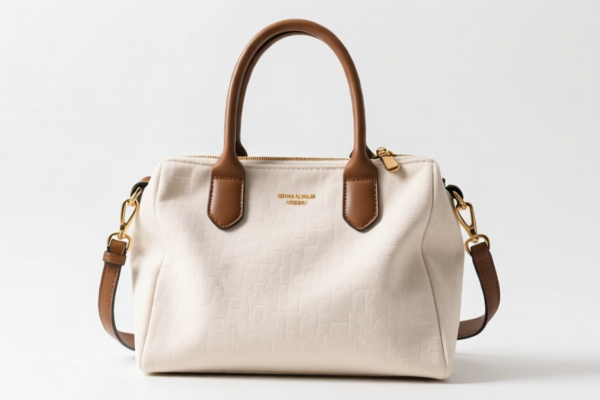
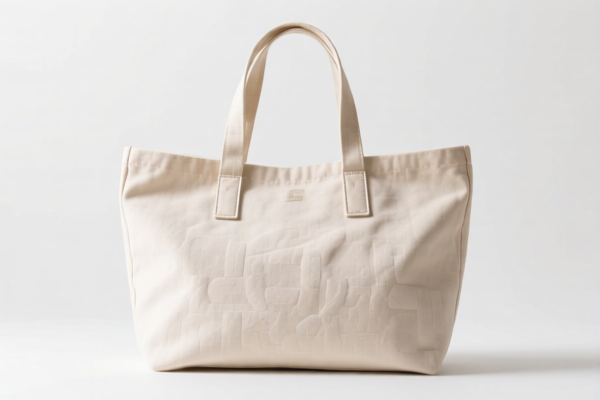
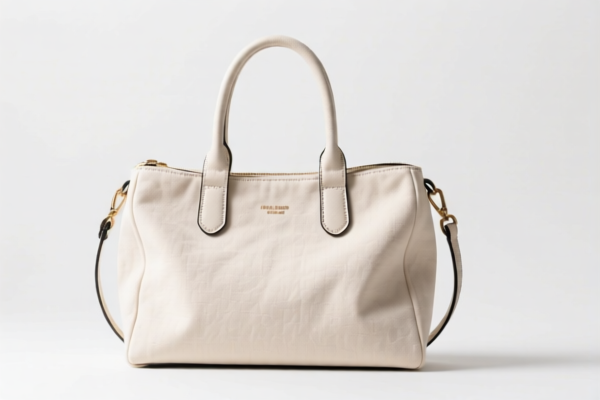
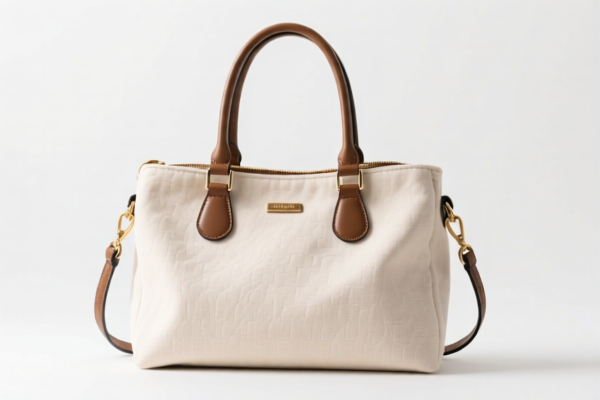
AI Analysis
👜 Canvas Handbags (Textile Bags of Various Materials)
🌐 HS Code Reference & Customs Clearance Guide | 2026 Latest Tariff Analysis | Professional Clearance Strategy for Textile Accessories
📌 I. Product Definition & Classification: Do You Really Know "Canvas Handbags"?
In international trade, "Canvas Handbags" is a broad term covering various bag types made from textile materials (such as cotton or man-made fibers). The classification depends heavily on the specific shape (handbag, backpack, wallet) and the exact material composition (pure cotton vs. other textiles).
Misclassification here leads to significant duty differences (ranging from 41.3% to 52.6%).
⚠️ Key Distinction Point:
- If it is a Handbag or Wallet: Usually falls under 4202.92.91.00 or 4202.32.93.00 (Higher Base Duty).
- If it is made of Pure Cotton and fits specific "container" definitions: May fall under 4202.92.60.91 (Lower Base Duty).
- If it is a Backpack: Falls under 4202.92.31.20 or 4202.92.15.00.
📦 II. HS Code Classification Details (2026 Latest Tariff Authority Comparison)
| HS Code | Product Description | Application Scenario | Total Duty Rate* |
|---|---|---|---|
4202.92.91.00 |
Canvas Handbag, material textile (e.g., cotton/synthetic), form: Handbag/Bag | General canvas tote, shopping bags, shoulder bags | 52.6% |
4202.92.60.91 |
Canvas Handbag, material Cotton, form: Container (other than jewelry boxes) | Pure cotton bags, generic textile containers | 41.3% |
4202.92.31.20 |
Canvas Backpack, material textile/synthetic, form: Backpack | Daily use backpacks, school bags, hiking packs | 52.6% |
4202.92.15.00 |
Canvas Backpack, material Cotton, form: Travel/Sports bags | Cotton travel backpacks, sports bags | 41.3% |
4202.32.93.00 |
Canvas Wallet, material textile, form: Wallet/Container | Wallets, coin purses, card holders made of canvas | 52.6% |
🔍 Key Reminder:
- Material Matters: "Canvas" is often technically classified as "Textile." If the fabric is 100% Cotton, it may qualify for the lower 6.3% base duty category (e.g.,4202.92.60.91), saving 11.3% in total duty.
- Shape Matters: Handbags, Wallets, and Backpacks are distinct sub-categories under Chapter 42. Do not mix them.
💰 III. 2026 Latest Tariff Rate Details (Including Additional Taxes & Policy Surcharges)
✅ Applicable Country: United States (US)
✅ Origin: China (CN)
✅ Effective Date: Current rates include Section 301 and Section 122 surcharges.
🎯 1. 4202.92.91.00 & 4202.92.31.20 & 4202.32.93.00
(Standard Textile/Non-Cotton Specific Categories: Handbags, Backpacks, Wallets)
| Item | Content |
|---|---|
| Base Duty Rate | 17.6% (Ad Valorem) |
| Section 301 Surcharge | +25.0% (High-tech/Manufacturing goods) |
| Section 122 Surcharge | +10.0% (Trade remedy measures) |
| Total Effective Rate | 52.6% |
| Tax Calculation | CIF Value × 52.6% |
| De Minimis Eligibility | ❌ No (Deny De Minimis for textile articles from China) |
| Legal Basis Path | HTS:4202.92.91.00 → USITC:301_Footnote → Section_122 |
📌 Explanation:
- The 17.6% is the standard Most Favored Nation (MFN) duty for textile bags not specifically listed elsewhere.
- The 25% is the standard Section 301 tariff for Chinese goods in this category.
- The 10% is an additional Section 122 duty applied to certain textile imports.
- Total 52.6% is extremely high. Cost calculation must include this full percentage.
🎯 2. 4202.92.60.91 & 4202.92.15.00
(Cotton-Specific Categories: Pure Cotton Bags/Backpacks)
| Item | Content |
|---|---|
| Base Duty Rate | 6.3% (Ad Valorem) |
| Section 301 Surcharge | +25.0% |
| Section 122 Surcharge | +10.0% |
| Total Effective Rate | 41.3% |
| Tax Calculation | CIF Value × 41.3% |
| De Minimis Eligibility | ❌ No (Deny De Minimis) |
| Legal Basis Path | HTS:4202.92.60.91 → USITC:301_Footnote → Section_122 |
📌 Note:
- If your "Canvas" bag is 100% Cotton (even if dyed or printed), you MUST verify if it fits subheading4202.92.60.91(Handbags) or4202.92.15.00(Backpacks).
- This saves 11.3% in total duty compared to other textile categories.
- Proof Required: Fabric composition certificate or mill test report proving 100% cotton content.
🛠️ IV. Customs Clearance Practical Advice (Real-World Pitfall Avoidance Guide)
✅ 1. Preparation Checklist (No Omissions Allowed)
| Document | Required | Explanation |
|---|---|---|
| ✅ Fabric Composition Label | ✔️ | Must clearly state "100% Cotton" or "Cotton/Polyester Blend". Critical for choosing 6.3% vs 17.6% base rate. |
| ✅ Product Photos | ✔️ | Show shape (Handbag vs Backpack vs Wallet). Shape determines the HS Code prefix. |
| ✅ Commercial Invoice | ✔️ | Declare exact material composition. Avoid vague terms like "Textile Bag" if possible; use "Canvas Cotton Handbag". |
| ✅ Bill of Lading/Air Waybill | ✔️ | Standard shipping documents. |
| ✅ Section 301 Exemption Proof | ❌ | Currently, most textile bags do not qualify for exclusions. Assume full tax applies. |
✅ 2. Declaration Tips (Key Mantra)
🔥 “Material Determines Base, Shape Determines Code, 100% Cotton Saves 11%!”
| Scenario | Correct Declaration | Wrong Practice |
|---|---|---|
| Generic Canvas Bag | 4202.92.91.00 (52.6%) |
Calling it "Cotton Bag" without proof → Audited → Penalty |
| 100% Cotton Bag | 4202.92.60.91 (41.3%) |
Calling it "Synthetic Canvas" → Overpaying tax |
| Backpack | 4202.92.31.20 (52.6%) |
Calling it "Handbag" → Classification Error → Delay |
| Wallet | 4202.32.93.00 (52.6%) |
Merging with Bags → Wrong HS Code |
✅ 3. Special Handling
| Situation | Handling Advice |
|---|---|
| "Canvas" is ambiguous | In customs terms, "Canvas" is a weave structure, not a fiber. You must declare the fiber content (e.g., Cotton, Polyester). |
| Mixed Material Bags | If the bag has leather handles or lining, the principal material determines classification. If textile is principal, use 4202.92.xxxx. |
| Samples vs. Bulk | Even commercial samples from China are subject to the 52.6%/41.3% duties. Do not mark "No Value" or "Sample Only" to evade tax; CBP is strict on textile de minimis. |
| Origin Marking | All bags must be marked "Made in China" to prove origin for Section 301/122 application. |
🌍 V. Global Market Comparison (2026 Latest)
| Country/Region | Recommended HS Code | Duty Rate (China Origin) | Certification | Notes |
|---|---|---|---|---|
| 🇺🇸 USA | 4202.92.91.00 / 4202.92.60.91 |
52.6% or 41.3% | N/A (Textiles) | Highest effective rate due to 301+122. |
| 🇨🇳 China | 4202.92.91.00 |
17.6% or 6.3% | N/A | Export from China does not pay these import duties (only origin country pays). |
| 🇪🇺 EU | 4202.32.00 / 4202.92.00 |
12% (Standard) | CE (if applicable) | No Section 301/122 equivalent. Lower than US. |
| 🇬🇧 UK | 4202.32.00 |
12% | N/A | Post-Brexit tariff structure similar to EU. |
📌 Conclusion:
- USA is the most expensive market for Chinese canvas bags due to cumulative surcharges.
- Cost Optimization: If exporting to the US, verify if your bag can be classified under the 6.3% base duty category by ensuring 100% cotton composition and correct subheading.
📌 VI. Common Errors & Pitfall Guide (Lessons Learned)
❌ Error 1: Declaring all "Canvas" bags as 4202.92.91.00 without checking material.
👉 Consequence: You pay 52.6% when you could pay 41.3%. Loss: 11.3% of CIF value.
❌ Error 2: Using "Handbag" for a Backpack.
👉 Consequence: CBP may reject or reclassify, causing delays. Even if duty is same, it signals non-compliance.
❌ Error 3: Assuming "De Minimis" ($800) applies.
👉 Consequence: Textiles from China are EXCLUDED from De Minimis. Every shipment, even small parcels, must clear customs and pay full duty. Attempting to bypass leads to seizure.
❌ Error 4: Vague Material Description ("Textile Bag").
👉 Consequence: CBP will assign the highest possible duty rate or demand expensive lab tests to determine composition.
✅ Correct Practice:
"100% Cotton Canvas Handbag, Model XYZ, US Style, No Leather Components"
OR
"Polyester Canvas Backpack, Water Resistant, Model ABC"
🎯 VII. Conclusion: Professional Declaration, Cost Control, Risk Avoidance!
🎯 Remember the Mantra:
🔹 "Cotton is King: 6.3% Base vs 17.6% Base!"
🔹 "Shape Determines Code: Handbag ≠ Backpack ≠ Wallet!"
🔹 "No De Minimis for Textiles: Pay Full 52.6% or 41.3%!"
📌 Pro Tip:
If your bags are made in Vietnam or Cambodia, you may avoid the Section 301 and Section 122 surcharges, reducing the effective duty to just the Base Rate (6.3% or 17.6%). Consider supply chain diversification if volume is high.
📣 Immediate Action:
📞 Check Fabric Certificates: Are they 100% Cotton?
📦 Verify Shape: Is it truly a handbag, or a backpack?
📝 Apply for Advance Ruling: If uncertain, request a pre-classification ruling from CBP to avoid penalties.
✨ Professional Customs Clearance Starts with Precise Classification!
💼 Your Profit Margin Depends on Getting the HS Code Right!
Customer Reviews
About HS Code Classification
The Harmonized System (HS) is an internationally standardized nomenclature developed by the World Customs Organization (WCO) to classify traded products. Over 200 countries use the HS system as the basis for customs tariffs, trade statistics, and import/export regulations.
Each HS code follows a hierarchical structure:
- Chapter (2 digits) — Broad category of goods (e.g., Chapter 84: Machinery and Mechanical Appliances)
- Heading (4 digits) — More specific grouping within the chapter
- Subheading (6 digits) — Internationally standardized breakdown, used by all WCO member countries
- National subdivisions (8-10 digits) — Country-specific extensions for further classification, such as US HTSUS 10-digit codes
Correct HS code classification is essential for smooth customs clearance, accurate duty payment, and compliance with trade regulations. Misclassification can lead to customs delays, overpayment of duties, or penalties.
When importing from CN to US, the applicable tariff rates may include:
- Most-Favored-Nation (MFN) rate — The standard duty rate applied to WTO members
- General rate — Applied to countries without trade agreements
- Trade remedy duties — Additional tariffs such as Section 301 (anti-dumping), Section 232 (national security), or countervailing duties
The information provided on this page is for reference purposes only. For official classification, please consult with your local customs authority or a licensed customs broker.