Canvas Handbag Wallet
CN → US| HS Code | Tariff Rate | Origin | Destination | Doc |
|---|---|---|---|---|
| 4202329100 | 52.6% | CN | US | Official Doc |
| 4202329300 | 52.6% | CN | US | Official Doc |
| 6217109550 | 32.1% | CN | US | Official Doc |
| 4202929100 | 52.6% | CN | US | Official Doc |
| 4202926091 | 41.3% | CN | US | Official Doc |
Product Images
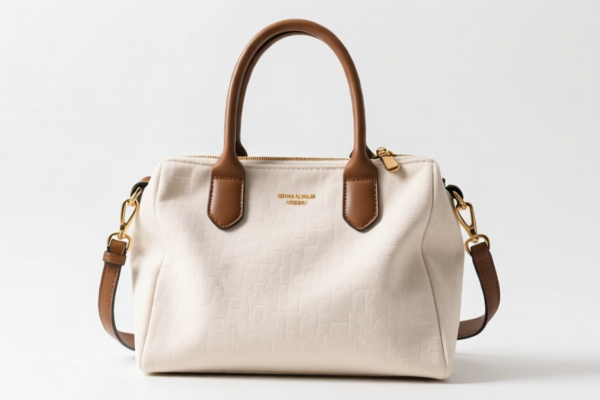
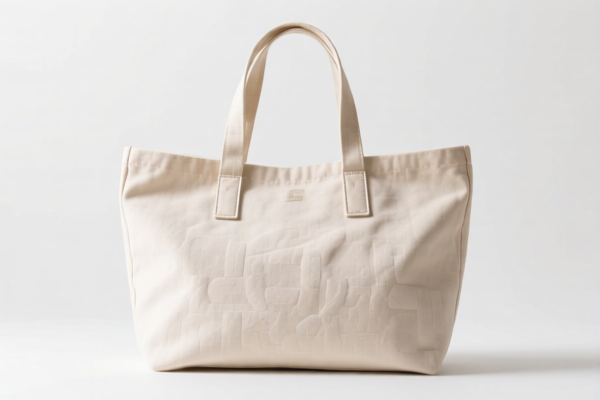
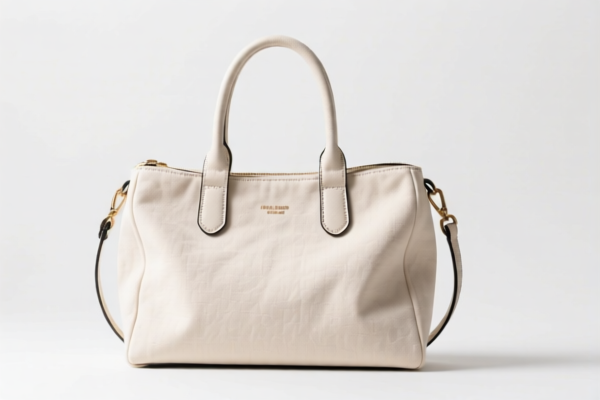
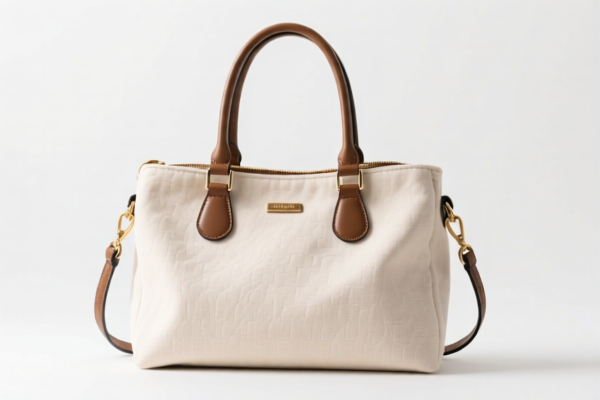
AI Analysis
👜 Canvas Handbag Wallet
🌐 HS Code Reference & Customs Clearance Guide | 2026 Latest Tariff Analysis | Professional Strategy for Textile Accessories
📌 Part 1: Product Definition & Classification: Do You Really Know What a "Canvas Wallet" Is?
A "Canvas Handbag Wallet" is a versatile textile accessory that bridges the gap between everyday carry items and storage containers. In international trade, its classification depends heavily on material composition, structure, and intended use. It is generally categorized under Chapter 42 (Articles of Leather; Travel Goods, Handbags) or Chapter 62 (Articles of Apparel and Clothing Accessories, Not Knitted or Crocheted).
Key Distinctions: * Pure Canvas/Texile Wallets (Chapter 42): If the item is primarily constructed from textile materials (cotton, synthetic fibers) and functions as a wallet or small bag, it often falls under Heading 4202. * Textile Bags (Chapter 42/62): Larger canvas bags or totes are classified based on whether they are "travel goods" or "other containers." * Specific Features: The presence of closures (magnetic snaps, zippers) or specific material blends (e.g., 100% cotton vs. mixed fibers) can shift the HS Code and significantly alter the tax rate.
⚠️ Critical Classification Point:
- If it is a small wallet/pouch made of textile materials → Likely 4202.32 or 4202.92.
- If it is a larger bag/tote made of textile materials → Likely 4202.92.
- If it has specific textile accessories (like magnetic snaps) but is still a wallet → May fall under 6217.10 (Made-up accessories) depending on local interpretation, but often 4202 prevails for wallets.
📦 Part 2: HS Code Classification Details (2026 Latest Tariff Authority Cross-Reference)
Based on the provided data, here are the exact HS Codes applicable to Canvas Handbag Wallets and their corresponding tax structures.
| HS Code | Product Description | Application Scenario | Material/Feature | Total Tax Rate |
|---|---|---|---|---|
4202.32.91.00 |
Canvas Wallet, Textile Material | Standard canvas wallets | Textile material | 52.6% |
4202.32.93.00 |
Canvas Wallet, Container | Generic canvas wallets/containers | Artificial fiber or textile | 52.6% |
6217.10.95.50 |
Canvas Magnetic Snap Wallet | Finished textile wallets with snaps | Cotton/Fiber blend, finished product | 32.1% |
4202.92.91.00 |
Canvas Bag, Handbag | Larger canvas bags/totes | Textile material | 52.6% |
4202.92.60.91 |
Canvas Bag, Cotton | Cotton-specific canvas bags | 100% Cotton or cotton-dominant | 41.3% |
🔍 Important Note:
- Codes4202.32.91.00and4202.32.93.00represent the highest tax burden (52.6%). These apply to general canvas wallets and bags made of various textile materials.
- Code6217.10.95.50offers a lower tax rate (32.1%) specifically for wallets with magnetic snaps made of cotton/fiber. This highlights the importance of declaring specific features.
- Code4202.92.60.91provides a moderate rate (41.3%) if the bag is explicitly made of cotton.
💰 Part 3: Detailed 2026 Tariff Rate Breakdown (Including Surtaxes & Policy Add-ons)
✅ Applicable Country: United States (US)
✅ Origin: China (CN)
✅ Effective Date: From November 10, 2025 (and subsequent imports)
🎯 1. High-Tax Category: 4202.32.91.00 & 4202.32.93.00 (Canvas Wallets/Bags)
| Item | Detail |
|---|---|
| Base Tariff | 17.6% |
| Section 301 Surcharge | +25.0% (USITC Footnote for Chinese textile goods) |
| Section 122 Tariff | +10.0% (Specific surcharge for certain textile/consumer goods) |
| Total Tax Rate | 52.6% |
| Tax Calculation | CIF Value × 52.6% |
| De Minimis Exemption | ❌ Not Eligible (Deny de minimis for Section 301 and 122 goods) |
| Legal Basis Path | USITC:4202.32 → Section 301: 17.6% base + 25% surcharge → Section 122: +10% |
📌 Explanation:
- The 17.6% is the standard Most Favored Nation (MFN) duty.
- The 25% is the aggressive Section 301 tariff imposed on Chinese imports.
- The 10% is an additional Section 122 tariff, often applied to goods deemed to compete with domestic industries or under specific trade actions.
- Total: 52.6%. This is a very high tariff, significantly impacting profit margins.
🎯 2. Moderate-Tax Category: 4202.92.60.91 (Cotton Canvas Bags)
| Item | Detail |
|---|---|
| Base Tariff | 6.3% |
| Section 301 Surcharge | +25.0% |
| Section 122 Tariff | +10.0% |
| Total Tax Rate | 41.3% |
| Tax Calculation | CIF Value × 41.3% |
| De Minimis Exemption | ❌ Not Eligible |
| Legal Basis Path | USITC:4202.92.60 → Section 301: 25% → Section 122: 10% |
📌 Explanation:
- Cotton-based goods sometimes enjoy a lower base tariff (6.3%) compared to mixed textiles (17.6%).
- However, the Section 301 (25%) and Section 122 (10%) surcharges remain the same.
- Total: 41.3%. While lower than 52.6%, it is still substantial.
🎯 3. Lower-Tax Category: 6217.10.95.50 (Canvas Magnetic Snap Wallets)
| Item | Detail |
|---|---|
| Base Tariff | 14.6% |
| Section 301 Surcharge | +7.5% |
| Section 122 Tariff | +10.0% |
| Total Tax Rate | 32.1% |
| Tax Calculation | CIF Value × 32.1% |
| De Minimis Exemption | ❌ Not Eligible |
| Legal Basis Path | USITC:6217.10 → Section 301: 7.5% → Section 122: 10% |
📌 Explanation:
- This code (6217.10) is for made-up clothing accessories.
- It benefits from a lower Section 301 surcharge (7.5%) instead of 25%.
- Total: 32.1%. This is the most cost-effective classification if the product can be legitimately described as a "wallet with magnetic snaps" made of cotton/fiber.
🛠️ Part 4: Practical Customs Clearance Advice (Avoiding Pitfalls)
✅ 1. Documentation Checklist (Non-Negotiable)
| Document | Required | Notes |
|---|---|---|
| ✅ Product Description | ✔️ | Must specify "Canvas," "Wallet/Bag," and material composition (e.g., "100% Cotton Canvas"). |
| ✅ Material Composition | ✔️ | Crucial for distinguishing between 4202.32 (mixed/textile) and 4202.92.60 (cotton). |
| ✅ Photos | ✔️ | Show closure type (zipper, magnetic snap, open). Magnetic snaps support 6217.10. |
| ✅ Commercial Invoice | ✔️ | Clearly state HS Code and CIF value. |
| ✅ Packing List | ✔️ | Detail contents to avoid ambiguity. |
| ✅ Origin Certificate | ✔️ | Proof of Chinese origin is assumed; verify if any third-country processing applies. |
✅ 2. Declaration Strategies (Key Tips)
🔥 "Be Specific: Material & Feature Dictate Rate!"
| Scenario | Recommended Declaration | HS Code | Tax Rate | Risk |
|---|---|---|---|---|
| Generic Canvas Wallet | "Canvas Wallet, Textile Material" | 4202.32.91.00 |
52.6% | High tax |
| Cotton Canvas Bag | "Canvas Bag, Cotton Material" | 4202.92.60.91 |
41.3% | Moderate tax |
| Wallet with Magnetic Snap | "Canvas Wallet, Cotton, with Magnetic Snap Closure" | 6217.10.95.50 |
32.1% | Lowest Tax |
| Synthetic Fiber Wallet | "Wallet, Artificial Fiber, Canvas-like" | 4202.32.93.00 |
52.6% | High tax |
✅ 3. Critical Warning Points
- ❌ Do Not Misclassify Cotton as General Textile: If your bag is 100% cotton, use
4202.92.60.91. Using4202.92.91.00(52.6%) when you qualify for4202.92.60.91(41.3%) means you are overpaying taxes. - ❌ Leverage the "Magnetic Snap" Feature: If your wallet uses magnetic snaps, consider
6217.10.95.50. The Section 301 rate is only 7.5% vs. 25%. This can save 20.5% in total tax. Ensure the product description highlights this feature. - ❌ No De Minimis Exemption: All these codes are subject to Section 301 and/or Section 122 tariffs. Do not attempt to use the $800 de minimis exemption for these goods, as they will be seized or assessed full duties.
- ❌ Section 122 Applies Universally: Note that all listed codes have a +10% Section 122 tariff. This is a fixed cost for these textile goods from China.
🌍 Part 5: Global Market Comparison (2026)
| Country/Region | Recommended HS Code | Base Tariff | Surcharge (US) | Total Effective Tax | Notes |
|---|---|---|---|---|---|
| 🇺🇸 USA | 4202.32.91.00 |
17.6% | +35% (301+122) | 52.6% | Highest burden. |
| 🇺🇸 USA | 6217.10.95.50 |
14.6% | +17.5% (301+122) | 32.1% | Best for magnetic wallets. |
| 🇪🇺 EU | 4202.32.91.00 |
12% | 0% | 12% | No Section 301/122. |
| 🇨🇳 China | 4202.32.91.00 |
20% | 0% | 20% | Import into China. |
| 🇬🇧 UK | 4202.32.91.00 |
12% | 0% | 12% | Post-Brexit tariff. |
📌 Conclusion:
- USA is the most challenging market due to Section 301 and 122 tariffs.
- EU/UK offer significantly lower rates (~12%) if the goods qualify.
- Optimization Strategy: For US imports, strictly define products as Cotton (4202.92.60.91) or Magnetic Snap Wallets (6217.10.95.50) to minimize tax.
📌 Part 6: Common Mistakes & Pitfalls (Lessons Learned)
❌ Mistake 1: Declaring all canvas items as "General Textile Bags" (4202.32.91.00) when they are actually cotton or have magnetic snaps.
👉 Result: Paying 52.6% instead of 41.3% or 32.1%.
❌ Mistake 2: Omitting the closure type (e.g., magnetic snap) in the description.
👉 Result: Customs may not recognize the lower-rate 6217.10 code, leading to higher duties.
❌ Mistake 3: Assuming "Canvas" means "General Textile" and ignoring the base tariff difference.
👉 Result: Overpaying base duty (17.6% vs 6.3% for cotton).
✅ Correct Approach:
"Canvas Wallet, Cotton, Magnetic Snap Closure, Model XYZ, HS: 6217.10.95.50"
"Canvas Bag, 100% Cotton, Handle Type, Model ABC, HS: 4202.92.60.91"
🎯 Part 7: Conclusion: Precision Classification Saves Money!
🎯 Key Takeaway:
🔹 "Specify Material & Feature: Cotton saves 11.3%, Magnetic Snaps save 20.5%!"
🔹 "HS Code is Not Generic: 'Canvas' is not enough. Be specific!"
📌 Pro Tip:
If you are importing 100% Cotton Canvas Bags, ensure your supplier’s certificate confirms the material composition. Use 4202.92.60.91 to benefit from the lower base tariff.
If your product has magnetic closures, use 6217.10.95.50 to drastically reduce Section 301 surcharges.
📣 Immediate Action:
📞 Consult with a customs broker to validate your product’s material composition and features.
📄 Update product descriptions to highlight "Cotton" or "Magnetic Snap" where applicable.
🚀 Optimize your HS Code to save thousands in duties!
✨ Professional Customs Clearance Starts with Accurate Classification!
💼 Every percentage point saved is pure profit!
Customer Reviews
About HS Code Classification
The Harmonized System (HS) is an internationally standardized nomenclature developed by the World Customs Organization (WCO) to classify traded products. Over 200 countries use the HS system as the basis for customs tariffs, trade statistics, and import/export regulations.
Each HS code follows a hierarchical structure:
- Chapter (2 digits) — Broad category of goods (e.g., Chapter 84: Machinery and Mechanical Appliances)
- Heading (4 digits) — More specific grouping within the chapter
- Subheading (6 digits) — Internationally standardized breakdown, used by all WCO member countries
- National subdivisions (8-10 digits) — Country-specific extensions for further classification, such as US HTSUS 10-digit codes
Correct HS code classification is essential for smooth customs clearance, accurate duty payment, and compliance with trade regulations. Misclassification can lead to customs delays, overpayment of duties, or penalties.
When importing from CN to US, the applicable tariff rates may include:
- Most-Favored-Nation (MFN) rate — The standard duty rate applied to WTO members
- General rate — Applied to countries without trade agreements
- Trade remedy duties — Additional tariffs such as Section 301 (anti-dumping), Section 232 (national security), or countervailing duties
The information provided on this page is for reference purposes only. For official classification, please consult with your local customs authority or a licensed customs broker.