Canvas Magnetic Wallet
CN → US| HS Code | Tariff Rate | Origin | Destination | Doc |
|---|---|---|---|---|
| 6307909891 | 24.5% | CN | US | Official Doc |
| 6307908940 | 17.0% | CN | US | Official Doc |
| 3926903300 | 16.5% | CN | US | Official Doc |
| 3926905900 | 37.4% | CN | US | Official Doc |
| 8505191000 | 39.9% | CN | US | Official Doc |
| 8505192000 | 39.9% | CN | US | Official Doc |
Product Images
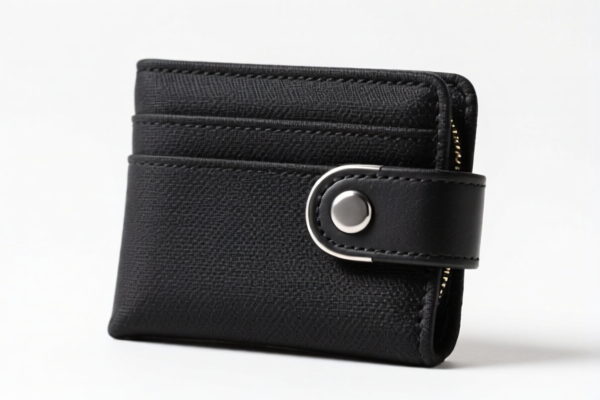
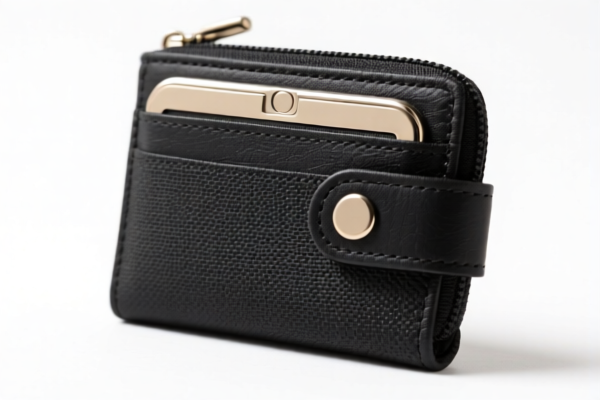
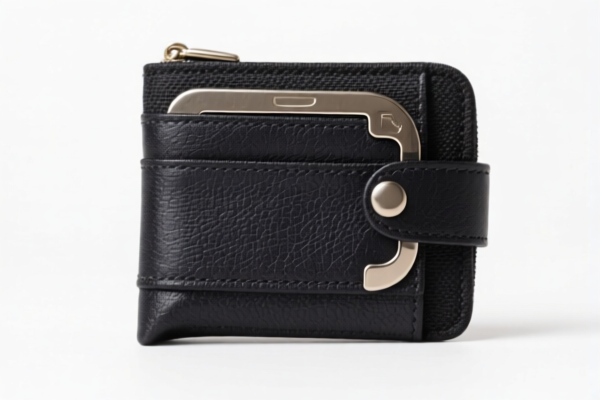
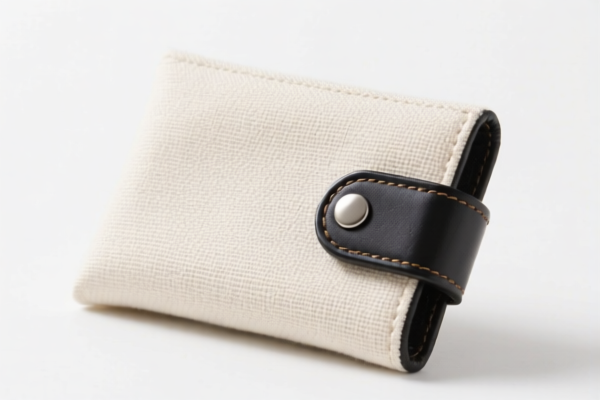
AI Analysis
🧲 Canvas Magnetic Wallet (and similar textile/plastic combos)
🌐 HS Code Reference & Customs Clearance Guide | 2026 Latest Tariff Analysis | Professional Compliance Strategy
📌 I. Product Definition & Classification: What exactly is a "Canvas Magnetic Wallet"?
A "Canvas Magnetic Wallet" is a hybrid accessory. It is not a simple leather wallet, nor is it just a plastic case. It typically consists of: 1. Primary Material: Canvas (Cotton or Cotton-blend textile) for the body/pouch. 2. Functional Component: Flexible magnets (often embedded in the flap or closure) to secure the wallet. 3. Potential Add-ons: Plastic hardware (zippers, snap buttons) or plastic-coated interiors.
In international trade, classification depends heavily on whether the textile aspect (canvas) or the electronic/magnetic aspect (flexible magnets) dominates the product's essential character, or if it is treated as a "made up article."
⚠️ Critical Distinction:
- If the product is primarily a storage pouch made of canvas with a magnetic closure → It is generally treated as a Textile Article (Headings 62 or 63).
- If the product is primarily a functional magnetic component (e.g., a sheet of flexible magnet with canvas backing, sold as a raw material or component) → It may fall under Flexible Magnets (Heading 8505).
- If it is a handbag/clutch style wallet made largely of plastic-coated canvas or considered an accessory of plastic → It may fall under Plastics (Heading 3926).
📦 II. HS Code Classification Details (Based on Provided Data)
The following HS Codes are extracted from the provided dataset. Note that "Canvas Magnetic Wallets" do not have a single universal code; the correct code depends on the exact material composition and primary function as determined by customs authorities.
| HS Code | Product Description (from Data) | Applicable Scenario for Wallets | Material Dominance | Tax Rate (Total) |
|---|---|---|---|---|
6307.90.98.91 |
Other made up articles, including dress patterns: Other: Other: Other: Other | Generic Textile Wallets/Pouches: If classified as a "made up textile article" not elsewhere specified (e.g., a simple canvas pouch with magnetic strip). | Textile (Canvas) | 14.5% |
6307.90.89.40 |
Other made up articles... Surgical towels... Cotton towels of pile or tufted construction | Unlikely for Wallets: This code specifically mentions cotton towels and pillow shells. A canvas wallet is NOT a towel or pillow shell. | ❌ Not Applicable | 0.0% |
8505.19.10.00 |
Electromagnets... Flexible magnets | Components Only: If the "wallet" is actually just a sheet of flexible magnet with a canvas backing, sold as a raw material for manufacturing other wallets, not a finished retail wallet. | Magnet | 0.0% |
8505.19.20.00 |
Electromagnets... Composite good containing flexible magnets | Hybrid Components: If the item is a composite good where flexible magnets are a key functional component, but not a finished "wallet" in the traditional sense (e.g., a magnetic organizer panel). | Magnet + Composite | 0.0% |
3926.90.33.00 |
Other articles of plastics... Handbags | Plastic-Coated Canvas Wallets: If the canvas is heavily coated with PVC/Plastic, or if the wallet is considered a "Handbag" (clutch style) made largely of plastic materials. | Plastic | 6.5% |
3926.90.59.00 |
Other articles of plastics... Belting and belts, for machinery | Unlikely for Wallets: This is for industrial machinery belts. Do not use for wallets unless misclassified. | ❌ Not Applicable | 27.4% |
🔍 Key Insight for "Canvas Magnetic Wallets":
- Most Common Classification:6307.90.98.91(as a "made up textile article") or3926.90.33.00(if deemed a "Handbag" with significant plastic content).
- Avoid:6307.90.89.40(towels) and3926.90.59.00(industrial belts) as they are factually incorrect for wallets.
- Magnet Codes (8505): Only apply if the product is a component (e.g., a flexible magnet sheet with fabric backing), not a finished retail wallet.
💰 III. 2026 Latest Tariff Rate Details (Detailed Breakdown)
✅ Applicable Country: United States (US)
✅ Origin: China (CN) (Assuming origin based on typical high-tax context in examples)
✅ Effective Date: Current regulations apply
🎯 1. 6307.90.98.91 —— Other Made Up Textile Articles (Most Likely for Canvas Wallets)
| Item | Content |
|---|---|
| Base Tariff | 7.0% |
| Section 301 Additional Tariff | 7.5% |
| Total Tax Rate | 14.5% |
| Tax Calculation | CIF Value × 14.5% |
| De Minimis Eligibility | ❌ No (Generally, articles >$800 may be exempt, but for commercial imports, full duties apply) |
| Legal Basis | HTSUS 6307.90.98.91 + Section 301 Footnote |
📌 Explanation:
- This is the "catch-all" for textile articles not specifically listed (like bags or handbags in other headings).
- A "canvas pouch" with a magnetic closure often falls here if it doesn't meet the definition of a "handbag" (which requires handles/straps).
- Cost Impact: Moderate. 14.5% is manageable but significant for low-margin goods.
🎯 2. 3926.90.33.00 —— Handbags (If Classified as Plastic/Plastic-Coated)
| Item | Content |
|---|---|
| Base Tariff | 6.5% |
| Section 301 Additional Tariff | 0.0% |
| Total Tax Rate | 6.5% |
| Tax Calculation | CIF Value × 6.5% |
| De Minimis Eligibility | ❌ No |
| Legal Basis | HTSUS 3926.90.33.00 |
📌 Explanation:
- If the wallet is a "clutch" or "handbag" style and made largely of plastic-coated canvas or synthetic materials, it may be classified under "Handbags" in Chapter 39.
- Cost Impact: Lower than textile classification (6.5% vs 14.5%).
- Risk: Customs may challenge this if the canvas (textile) component is >50% by weight/value.
🎯 3. 8505.19.10.00 & 8505.19.20.00 —— Flexible Magnets (Components Only)
| Item | Content |
|---|---|
| Base Tariff | 0.0% |
| Section 301 Additional Tariff | 0.0% |
| Total Tax Rate | 0.0% |
| Tax Calculation | CIF Value × 0.0% |
| De Minimis Eligibility | ❌ No (for commercial shipments) |
| Legal Basis | HTSUS 8505.19 |
📌 Explanation:
- Only for raw materials: If you are importing "flexible magnet sheets with canvas backing" to be cut and sewn into wallets later, this code applies.
- NOT for finished wallets: Do not use this for finished retail wallets. Misclassification can lead to severe penalties.
🛠️ IV. Customs Clearance Practical Advice (Avoid Pitfalls)
✅ 1. Preparation Checklist (Mandatory)
| Document | Required? | Explanation |
|---|---|---|
| ✅ Product Description | ✔️ | Must specify: "Canvas Magnetic Wallet" or "Flexible Magnet Sheet with Canvas Backing". Be precise. |
| ✅ Material Composition | ✔️ | % of Canvas (Cotton), % of Plastic (PVC/PU), % of Magnets. Critical for classification. |
| ✅ Product Photos | ✔️ | Clear images showing: (1) Exterior, (2) Interior, (3) Magnetic closure mechanism, (4) Label/Tag. |
| ✅ Function Test | ✔️ | If claiming "Flexible Magnet" code, prove it is a component, not a finished article. |
| ✅ Commercial Invoice | ✔️ | Must match HS Code description. Avoid vague terms like "Accessory". |
| ✅ Packing List | ✔️ | List quantity, weight, and dimensions. |
✅ 2. Declaration Strategy (Key Tips)
🔥 "Material Matters, Function Defines, Be Specific!"
| Scenario | Correct Declaration | Incorrect Declaration |
|---|---|---|
| Finished Canvas Wallet with Magnetic Flap | 6307.90.98.91 - "Made up textile article: Canvas pouch with magnetic closure" |
"Wallet" (Too vague) or 8505.19.10.00 (Incorrect) |
| Plastic-Coated Canvas Clutch | 3926.90.33.00 - "Handbags: Plastic-coated canvas clutch" |
"Handbag" without material detail |
| Raw Flexible Magnet Sheet with Canvas Backing | 8505.19.10.00 - "Flexible magnets, composite with textile backing" |
"Wallet parts" or "Canvas sheet" |
✅ 3. Special Cases
| Case | Recommendation |
|---|---|
| High-Value Luxury Wallets | Ensure material % is accurate. If >50% canvas, 6307 is safer. If >50% plastic, 3926 may apply. |
| Magnetic Closure vs. Full Magnet Body | Most wallets use magnets only for closure. This does not make the entire product a "magnet" (8505). It remains a textile/plastic article. |
| OEM/Private Label | Provide design specs showing who owns the design. Helps in valuation. |
| Mixed Shipments | Declare each item separately. Do not group "canvas wallets" with "plastic bags" under one HS code. |
🌍 V. Global Market Comparison (2026)
| Country/Region | Recommended HS Code | Tariff (China Origin) | Notes |
|---|---|---|---|
| 🇺🇸 USA | 6307.90.98.91 |
14.5% | Most common for textile wallets. |
| 🇺🇸 USA | 3926.90.33.00 |
6.5% | If classified as plastic handbag. |
| 🇨🇳 China | 6307.90.99.90 |
~7-10% | Domestic import/export. |
| 🇪🇺 EU | 6307.90.98 |
~4-7% | Check for anti-dumping duties. |
| 🇬🇧 UK | 6307.90.98 |
~4-7% | Post-Brexit tariffs. |
📌 Conclusion:
- USA is the most complex market due to Section 301 tariffs.
- Classification is critical: Misclassifying a canvas wallet as a "magnet" (8505) to avoid 14.5% tax can lead to audits and fines.
- Best Practice: Use6307.90.98.91for canvas wallets unless you can prove plastic content >50% (for3926).
📌 VI. Common Errors & Pitfalls (Blood Lessons)
❌ Error 1: Declaring a finished canvas wallet as 8505.19.10.00 (Flexible Magnet) to get 0% tax.
👉 Consequence: Customs will reject as "Finished Article, not Component". Back duties + penalties.
❌ Error 2: Calling it a "Handbag" (3926.90.33.00) when it’s a small pouch without handles.
👉 Consequence: Misclassification. Pouches are often "Other Made Up Articles" (6307).
❌ Error 3: Vague Description: "Canvas Wallet".
👉 Consequence: Customs examiners may assign a higher rate or delay shipment for clarification.
❌ Error 4: Ignoring Material Composition.
👉 Consequence: If 60% of the value is plastic coating, 3926 might be correct. If you use 6307, you underpay. If you use 3926 for a 10% plastic product, you overpay (or face scrutiny).
✅ Correct Declaration Example:
"Canvas Magnetic Wallet, Cotton Canvas Body, PVC Coated Interior, Flexible Magnet Closure, For Personal Use, Model XYZ"
🎯 VII. Conclusion: Accurate Classification Saves Money!
🎯 Remember:
🔹 "Material First, Function Second."
🔹 "Finished Wallet ≠ Magnet."
🔹 "Canvas → 14.5%, Plastic Handbag → 6.5%."
🔹 "Be Specific, Avoid Audits."
📌 Pro Tip:
If your wallet is primarily a storage pouch with a magnetic flap,
6307.90.98.91(14.5%) is the safest and most common classification.
If you want lower taxes (6.5%), you must prove it qualifies as a "Handbag" under Chapter 39 (plastic content dominant).
Consult a customs broker before shipping large volumes to confirm the best classification for your specific design.
📣 Act Now:
📞 Verify material % → 📝 Choose Correct HS Code → 📦 Declare Accurately
🚀 Clear Customs Smoothly, Maximize Profits!
✨ Professional Clearance Starts with Precision!
💼 Every Dollar Saved is a Dollar Earned!
Customer Reviews
About HS Code Classification
The Harmonized System (HS) is an internationally standardized nomenclature developed by the World Customs Organization (WCO) to classify traded products. Over 200 countries use the HS system as the basis for customs tariffs, trade statistics, and import/export regulations.
Each HS code follows a hierarchical structure:
- Chapter (2 digits) — Broad category of goods (e.g., Chapter 84: Machinery and Mechanical Appliances)
- Heading (4 digits) — More specific grouping within the chapter
- Subheading (6 digits) — Internationally standardized breakdown, used by all WCO member countries
- National subdivisions (8-10 digits) — Country-specific extensions for further classification, such as US HTSUS 10-digit codes
Correct HS code classification is essential for smooth customs clearance, accurate duty payment, and compliance with trade regulations. Misclassification can lead to customs delays, overpayment of duties, or penalties.
When importing from CN to US, the applicable tariff rates may include:
- Most-Favored-Nation (MFN) rate — The standard duty rate applied to WTO members
- General rate — Applied to countries without trade agreements
- Trade remedy duties — Additional tariffs such as Section 301 (anti-dumping), Section 232 (national security), or countervailing duties
The information provided on this page is for reference purposes only. For official classification, please consult with your local customs authority or a licensed customs broker.