Canvas Outer Insulated Beverage Bag
CN → US| HS Code | Tariff Rate | Origin | Destination | Doc |
|---|---|---|---|---|
| 3923900080 | 38.0% | CN | US | Official Doc |
| 6305390000 | 25.9% | CN | US | Official Doc |
| 6305330080 | 25.9% | CN | US | Official Doc |
| 3923290000 | 38.0% | CN | US | Official Doc |
| 4202920809 | 42.0% | CN | US | Official Doc |
Product Images
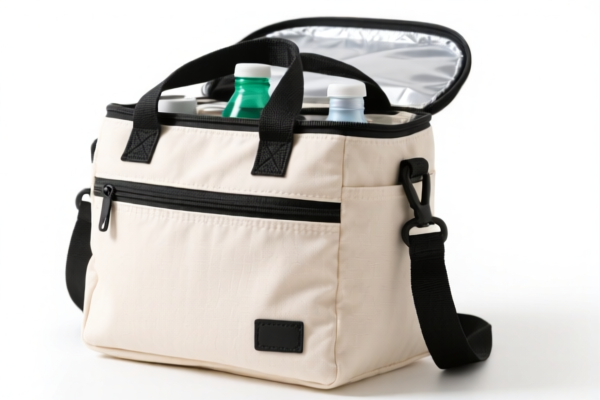
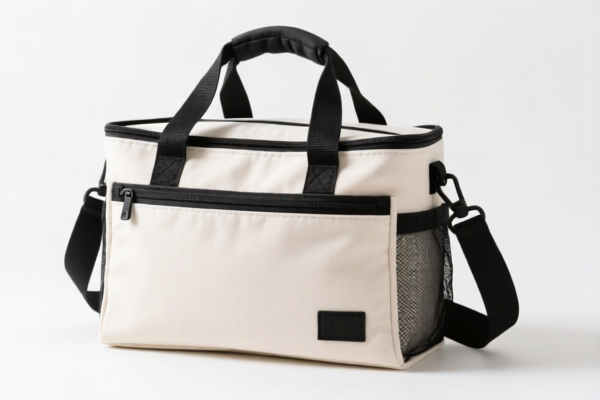
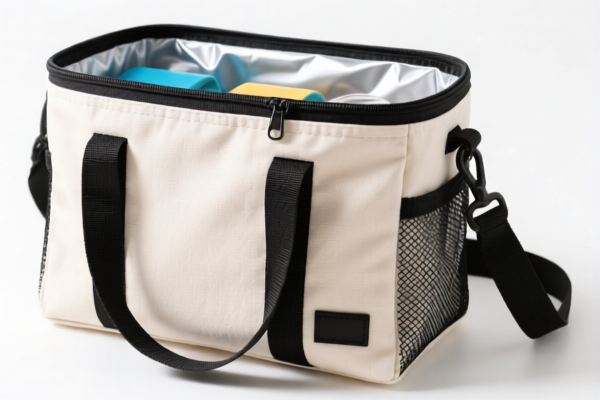
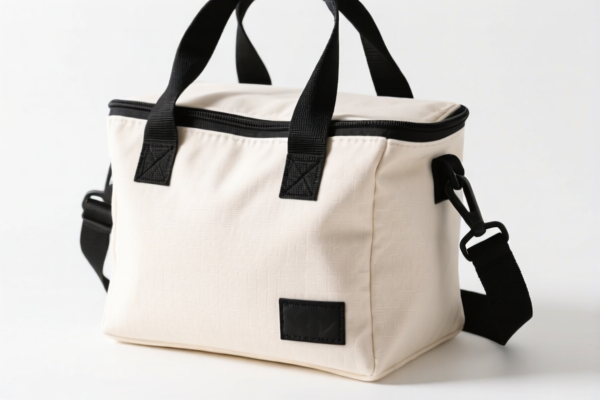
AI Analysis
🧊 Canvas Outer Insulated Beverage Bag
🌐 HS Code Reference & Customs Clearance Guide | 2026 Latest Tariff Analysis | Professional Entry Strategy
📌 I. Product Definition & Classification: Do You Really Know Your "Beverage Bag"?
A Canvas Outer Insulated Beverage Bag is a portable packaging solution designed to maintain the temperature of beverages (hot or cold). In international trade, its classification depends critically on two factors:
1. Outer Material: Is it plastic film, textile (canvas/fabric), or a composite?
2. Structure: Is it a simple bag, a shaped container, or a specialized packaging article?
⚠️ Key Distinction Point:
- If the outer layer is plastic or plastic-coated → It falls under Chapter 39 (Plastics).
- If the outer layer is textile (like canvas, synthetic fiber) or composite textile → It falls under Chapter 63 (Other Made-up Textile Articles) or Chapter 42 (Articles of Leather/Travel Goods).
📦 II. HS Code Classification Details (2026 Latest Tariff Authority Comparison)
| HS Code | Product Description | Applicable Scenario | Key Material Feature |
|---|---|---|---|
3923.90.00.80 |
Insulated beverage bag, material: Plastic film or composite plastic material | Basic plastic thermal bags | ✅ Plastic Outer |
6305.39.00.00 |
Insulated beverage bag, material: Artificial textile material (e.g., aluminum foil composite film or synthetic fiber) | Textile-based thermal bags | ✅ Textile Outer |
6305.33.00.80 |
Insulated beverage bag, material: Artificial textile or composite, other polyethylene/polypropylene strips | Specialized textile/composite bags | ✅ Textile/Composite Outer |
3923.29.00.00 |
Insulated beverage bag, material: Plastic composite material | Other plastic packaging articles | ✅ Plastic Outer |
4202.92.08.09 |
Insulated beverage bag, outer surface: Textile material | Specialized textile bags for thermal packaging | ✅ Textile Outer |
🔍 Critical Reminder:
- "Canvas" is a textile material. Therefore, bags with a visible canvas exterior should generally be classified under Textile Articles (Chapter 63) or Travel Goods (Chapter 42), NOT plastics.
- If the "canvas" is merely a thin coating on a plastic base, customs may argue for Chapter 39.
- Composite materials require careful declaration: If the textile character is predominant, use 63xx; if plastic is predominant, use 39xx.
💰 III. 2026 Latest Tariff Rate Details (Including Surcharges & Policy Add-ons)
✅ Applicable Country: USA (US)
✅ Country of Origin: China (CN)
✅ Effective Date: From Nov 10, 2025 (and subsequent imports)
🎯 1. 3923.90.00.80 & 3923.29.00.00 —— Plastic-based Insulated Bags
| Item | Detail |
|---|---|
| Basic Tariff | 3.0% (ad valorem) |
| Additional Tariff (Section 301) | +25.0% |
| 122 Section Tariff (IEEPA) | +10.0% |
| Total Effective Rate | 38.0% |
| Tax Calculation | CIF Value × 38.0% |
| De Minimis Exemption | ❌ Not Eligible (Due to Section 301/122 tariffs) |
| Legal Basis Path | USITC:3923.90.00.80 → Section301:Footnote9903.08.01 → IEEPA:9903.01.24 |
📌 Explanation:
- 3.0% is the standard MFN rate for plastic packaging articles.
- 25% is the Section 301 tariff for most Chinese plastic products.
- 10% is the additional "122 Section" tariff targeting specific Chinese imports.
- Total 38% is a high barrier, significantly impacting profitability.
🎯 2. 6305.39.00.00 & 6305.33.00.80 —— Textile-based Insulated Bags (Most Likely for "Canvas")
| Item | Detail |
|---|---|
| Basic Tariff | 8.4% (ad valorem) |
| Additional Tariff (Section 301) | +7.5% |
| 122 Section Tariff (IEEPA) | +10.0% |
| Total Effective Rate | 25.9% |
| Tax Calculation | CIF Value × 25.9% |
| De Minimis Exemption | ❌ Not Eligible |
| Legal Basis Path | USITC:6305.39.00.00 → Section301:Footnote9903.04.01 → IEEPA:9903.01.24 |
📌 Explanation:
- 8.4% is the basic rate for other made-up textile articles (sacks, bags).
- 7.5% is the Section 301 rate for textile packaging articles.
- 10% is the 122 Section tariff.
- Total 25.9% is lower than plastic equivalents, making this a more cost-effective classification if the product truly qualifies as textile.
🎯 3. 4202.92.08.09 —— Specialized Textile Outer Bags
| Item | Detail |
|---|---|
| Basic Tariff | 7.0% (ad valorem) |
| Additional Tariff (Section 301) | +25.0% |
| 122 Section Tariff (IEEPA) | +10.0% |
| Total Effective Rate | 42.0% |
| Tax Calculation | CIF Value × 42.0% |
| De Minimis Exemption | ❌ Not Eligible |
| Legal Basis Path | USITC:4202.92.08.09 → Section301:Footnote9903.06.01 → IEEPA:9903.01.24 |
📌 Explanation:
- 7.0% is the basic rate for articles of leather or materials substitute for leather (Chapter 42).
- 25% is the high Section 301 rate for Chapter 42 goods.
- 10% is the 122 Section tariff.
- Total 42% is the highest among the options, so avoid this unless the bag is clearly defined as a "travel good" or "fashion accessory" rather than a packaging item.
🛠️ IV. Customs Clearance Practical Advice (Real-World Pitfall Avoidance)
✅ 1. Required Documentation Checklist (Non-negotiable)
| Document | Must Provide | Description |
|---|---|---|
| ✅ Product Specification Sheet | ✔️ | Must clearly state: Outer Material (e.g., 100% Cotton Canvas, Polyester), Inner Lining (Aluminum foil/PE), Insulation Layer (EPE foam/Reflective film). |
| ✅ Product Photos (Clear) | ✔️ | Show the textile texture of the outer layer. Zoom in on seams and zippers. |
| ✅ Commercial Invoice | ✔️ | Describe as "Insulated Bag for Beverages, Textile Exterior" not just "Bag". |
| ✅ Packing List | ✔️ | Weight and dimensions of each bag. |
| ✅ Declaration of Origin | ✔️ | Confirm Country of Origin (China) for tariff calculation. |
✅ 2. Classification Strategy (Key Mantra)
🔥 "Textile Out = Chapter 63, Plastic Out = Chapter 39, Fashion Look = Chapter 42 (Expensive)!"
| Scenario | Correct HS Code | Why? |
|---|---|---|
| Outer is clearly Canvas/Fabric | 6305.39.00.00 |
Primary characteristic is textile. Lower tariff (25.9%). |
| Outer is Plastic-coated Fabric | 6305.39.00.00 or 3923.90.00.80 |
Disputed. If coating is light, text dominates (63xx). If heavy plastic, plastic dominates (39xx). |
| Outer is Pure Plastic Film | 3923.90.00.80 |
Plastic character dominates. Higher tariff (38.0%). |
| Bag looks like a Luxury Pouch | 4202.92.08.09 |
High tariff (42.0%). Avoid unless marketed as fashion accessory. |
✅ 3. Special Case Handling
| Situation | Handling Advice |
|---|---|
| "Canvas" is actually synthetic fiber | Declare as "Artificial Textile" (Synthetic). Still qualifies for 6305 category. |
| Composite Material (Foil + Textile + Plastic) | Emphasize Textile Outer. Provide material breakdown: "Outer: 50% Polyester, 50% Aluminum Foil; Inner: PE Foam." |
| Customs Challenges Classification | Provide a material sample or detailed cross-section diagram showing layers. |
| De Minimis (Section 321) Clearance | ❌ Not Applicable. All listed HS codes are subject to Section 301 and 122 tariffs, so they exceed the $800 de minimis exemption threshold for tariff purposes. |
🌍 V. Global Main Market Customs Comparison (2026 Latest)
| Country/Region | Recommended HS Code | Tariff (China Origin) | Notes |
|---|---|---|---|
| 🇺🇸 USA | 6305.39.00.00 (Textile) |
25.9% | Lowest among options if textile. |
| 🇺🇸 USA | 3923.90.00.80 (Plastic) |
38.0% | Avoid if possible. |
| 🇨🇳 China | 6305.39.00.00 |
8.4% | No additional tariffs. |
| 🇪🇺 EU | 6305.39.00.00 |
0% | Generally duty-free for textile bags. |
| 🇬🇧 UK | 6305.39.00.00 |
0% | Post-Brexit alignment with EU. |
📌 Conclusion:
- For US Market, classifying as Textile (6305.39.00.00) saves 12.1% in tariffs compared to Plastic (3923.90.00.80).
- For EU/UK, tariffs are generally low or zero, making classification less critical for cost, but accuracy is still key for compliance.
📌 VI. Common Errors & Pitfall Guide (Blood-Tea Lessons)
❌ Error 1: Declaring a Canvas bag as 3923.90.00.80 (Plastic)
👉 Consequence: Overpayment of 12.1% in duties. You paid more than necessary!
❌ Error 2: Declaring a Plastic bag as 6305.39.00.00 (Textile)
👉 Consequence: Customs Penalty. Misclassification leads to fines, audit, and potential seizure.
❌ Error 3: Vague Description: "Beverage Bag"
👉 Consequence: Customs delays. They cannot determine the HS code without material details.
👉 Fix: Use "Insulated Bag, Outer: Canvas, Inner: Foil".
❌ Error 4: Ignoring "122 Section" Tariff
👉 Consequence: Unexpected 10% tax bill at port.
👉 Fix: Include 10% in your cost calculation from day one.
✅ Correct Declaration Example:
"Insulated Beverage Bag, Model X100, Outer Material: 100% Cotton Canvas, Lining: Aluminum Foil & PE Foam, Size: 30x20cm, For Keeping Drinks Cold/Hot"
🎯 VII. Conclusion: Smart Classification, Higher Profits!
🎯 Remember the Mantra:
🔹 "Canvas is Textile (63xx), Plastic is Plastic (39xx)."
🔹 "Textile Tariff 25.9%, Plastic Tariff 38.0%."
🔹 "Save 12% by Choosing the Right HS Code!"
📌 Pro Tip:
If your bag is a hybrid (e.g., canvas handle with plastic body), the principal material dictates the classification. If the outer surface is textile, Chapter 63 is your friend.
Recommend Advance Ruling if your product is highly composite.
📣 Immediate Action:
📞 Consult a Customs Broker + Provide Material Samples + Verify "Textile" Dominance
🚀 Clear Your Goods, Save Your Money, Export Efficiently!
✨ Professional Clearance Starts with Accurate Classification!
💼 Every Percent of Tariff Saved is Pure Profit!
Customer Reviews
About HS Code Classification
The Harmonized System (HS) is an internationally standardized nomenclature developed by the World Customs Organization (WCO) to classify traded products. Over 200 countries use the HS system as the basis for customs tariffs, trade statistics, and import/export regulations.
Each HS code follows a hierarchical structure:
- Chapter (2 digits) — Broad category of goods (e.g., Chapter 84: Machinery and Mechanical Appliances)
- Heading (4 digits) — More specific grouping within the chapter
- Subheading (6 digits) — Internationally standardized breakdown, used by all WCO member countries
- National subdivisions (8-10 digits) — Country-specific extensions for further classification, such as US HTSUS 10-digit codes
Correct HS code classification is essential for smooth customs clearance, accurate duty payment, and compliance with trade regulations. Misclassification can lead to customs delays, overpayment of duties, or penalties.
When importing from CN to US, the applicable tariff rates may include:
- Most-Favored-Nation (MFN) rate — The standard duty rate applied to WTO members
- General rate — Applied to countries without trade agreements
- Trade remedy duties — Additional tariffs such as Section 301 (anti-dumping), Section 232 (national security), or countervailing duties
The information provided on this page is for reference purposes only. For official classification, please consult with your local customs authority or a licensed customs broker.