Canvas Shopping Tote Bag
CN → US| HS Code | Tariff Rate | Origin | Destination | Doc |
|---|---|---|---|---|
| 4202929100 | 52.6% | CN | US | Official Doc |
| 4202926091 | 41.3% | CN | US | Official Doc |
| 4202923120 | 52.6% | CN | US | Official Doc |
| 4202921500 | 41.3% | CN | US | Official Doc |
| 4202329300 | 52.6% | CN | US | Official Doc |
Product Images
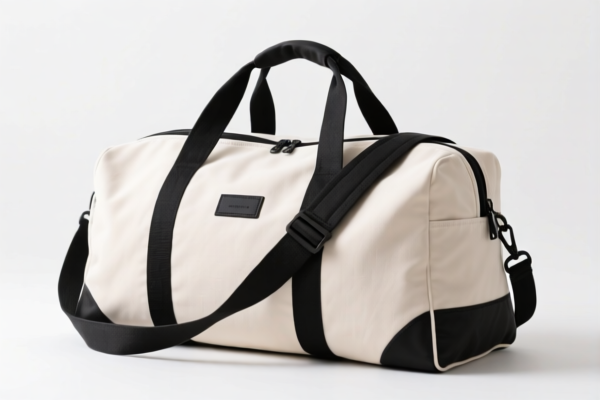
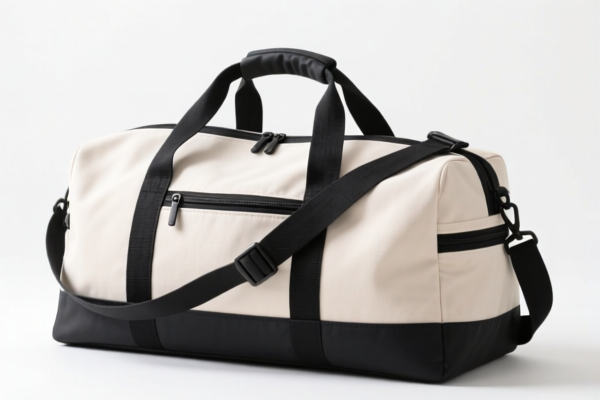
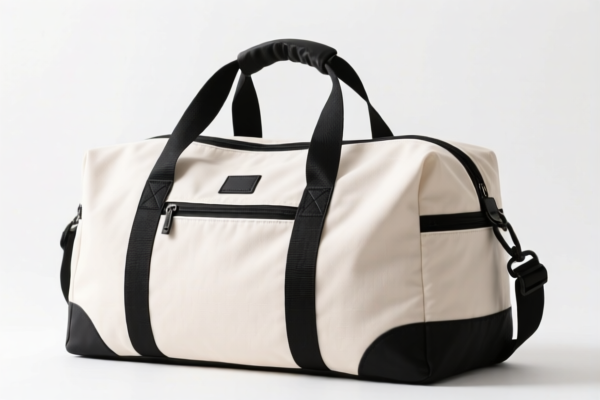
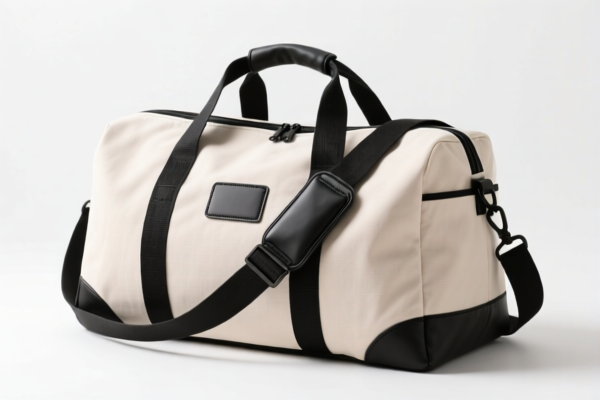
AI Analysis
👜 Canvas Shopping Tote Bags (Textile Shopping Bags)
🌐 HS Code Reference & Customs Clearance Guide | 2026 Latest Tariff Analysis | Professional Entry Strategy
📌 I. Product Definition & Classification: Do You Truly Understand "Canvas Totes"?
Canvas shopping bags, in international trade, are primarily classified under Chapter 42 (Articles of leather; saddle harness and harness for any animal; travel goods, handbags and similar containers). However, the exact HS Code depends heavily on three critical factors: 1. Material Composition (100% Cotton vs. Synthetic/Man-made Fibers). 2. Bag Shape/Function (Handheld vs. Backpack/Shoulder Strap). 3. Specific Use Case (Travel/Sports vs. General Retail).
⚠️ Key Distinction Points: - Material matters: "Canvas" is often used colloquially for cotton, but if it contains polyester, nylon, or other synthetic fibers, it falls under different subheadings with higher base tariffs. - Shape matters: A simple handheld tote differs from a structured backpack or shoulder bag. - Tax Impact: The tariff difference between 41.3% (Cotton) and 52.6% (Synthetic) is massive. Misclassification can lead to severe underpayment penalties.
📦 II. HS Code Classification Details (2026 Latest Authorized Reference)
Based on the provided data for "Canvas Shopping Tote Bags", here are the 5 specific classifications and their tax implications for imports from China to the US.
| HS Code | Product Description (Summary) | Material Specification | Bag Form/Shape | Total Tariff Rate |
|---|---|---|---|---|
4202.92.60.91 |
Canvas Shopping Bag | Cotton-based | Other containers (non-jewelry boxes) | 41.3% |
4202.92.15.00 |
Canvas Shopping Bag | Cotton/Plant Fiber | Travel, sports, and similar bags | 41.3% |
4202.92.91.00 |
Canvas Shopping Bag | Textile (e.g., Man-made Fiber) | Handbags/purses | 52.6% |
4202.92.31.20 |
Canvas Shopping Bag | Textile/Man-made Fiber | Backpacks or similar bags | 52.6% |
4202.32.93.00 |
Canvas Shopping Bag | Textile (Man-made) | Other containers meeting textile reqs | 52.6% |
🔍 Critical Analysis: - Lowest Tariff (41.3%): Requires Cotton content. Look at codes
4202.92.60.91and4202.92.15.00. - Highest Tariff (52.6%): Applies to Synthetic/Man-made Fibers (Polyester, Nylon, etc.) regardless of whether it's a handbag, backpack, or other container. Look at codes4202.92.91.00,4202.92.31.20, and4202.32.93.00.
💰 III. 2026 Latest Tariff Rate Breakdown (Including Surtaxes & Policy Add-ons)
✅ Applicable Country: United States (US)
✅ Origin: China (CN)
✅ Effective Time: Current 2026 Tariff Regime (Including Section 301 & Section 122 Surtaxes)
🎯 1. Category A: Cotton-Based Canvas Bags (Codes: 4202.92.60.91, 4202.92.15.00)
Total Tariff: 41.3%
| Item | Detail |
|---|---|
| Base Tariff (MFN) | 6.3% |
| Section 301 Surtax (China) | +25.0% |
| Section 122 Surtax (China) | +10.0% |
| Total Effective Rate | 41.3% |
| Tax Calculation | CIF Value × 41.3% |
| De Minimis Exemption | ❌ Not Applicable (Deny De Minimis for Section 301/122 goods) |
| Legal Basis Path | USITC:4202.92.60.91 → Footnote:301-25% → Footnote:122-10% |
📌 Explanation:
- If your canvas bag is made of 100% Cotton (or primarily cotton), you benefit from the lower base tariff (6.3%) compared to synthetics. - However, you still face the heavy 25% (Section 301) and 10% (Section 122) surcharges. - Total: 41.3%.
🎯 2. Category B: Synthetic/Man-Made Fiber Canvas Bags (Codes: 4202.92.91.00, 4202.92.31.20, 4202.32.93.00)
Total Tariff: 52.6%
| Item | Detail |
|---|---|
| Base Tariff (MFN) | 17.6% |
| Section 301 Surtax (China) | +25.0% |
| Section 122 Surtax (China) | +10.0% |
| Total Effective Rate | 52.6% |
| Tax Calculation | CIF Value × 52.6% |
| De Minimis Exemption | ❌ Not Applicable (Deny De Minimis) |
| Legal Basis Path | USITC:4202.92.91.00 → Footnote:301-25% → Footnote:122-10% |
📌 Explanation:
- If your "canvas" bag is made of Polyester, Nylon, or blended synthetic fibers, the base tariff jumps to 17.6%. - Adding the 25% and 10% surcharges results in a total of 52.6%. - This is a 11.3% higher cost than cotton bags.
🛠️ IV. Customs Clearance Operational Advice (Real-World Pitfall Avoidance)
✅ 1. Preparation Checklist (Mandatory)
| Document | Required? | Description |
|---|---|---|
| ✅ Product Specification Sheet | ✔️ | Must explicitly state Fiber Composition (e.g., "100% Cotton" vs. "100% Polyester"). |
| ✅ Material Test Report | ✔️ | Third-party lab report proving cotton content if claiming the 41.3% rate. |
| ✅ Product Photos | ✔️ | Clear images of the bag, including logo, handle structure, and interior lining. |
| ✅ Commercial Invoice | ✔️ | Must match the HS Code description precisely. |
| ✅ Packing List | ✔️ | Detailed item count and dimensions. |
✅ 2. Declaration Strategy (Crucial Tips)
🔥 "Composition is King, Shape is Queen, Mislabeling is Ruin!"
| Scenario | Correct Declaration | Risk of Error |
|---|---|---|
| 100% Cotton Bag | Use 4202.92.60.91 or 4202.92.15.00 |
Declaring as synthetic (52.6%) → Overpay 11.3% unnecessarily |
| 100% Polyester Bag | Use 4202.92.91.00 or 4202.92.31.20 |
Declaring as cotton (41.3%) → Underpayment Penalty + Back Taxes |
| Blended Fabric | Check the primary material by weight. If >50% cotton, use cotton code. | Ambiguous description → Customs Audit Delay |
| "Canvas" General Term | Never use just "Canvas Bag" in HS Code field. Use specific textile code. | Vague description → Red Flag for Customs |
✅ 3. Special Considerations
- "Canvas" Terminology: Customs does not classify by the word "Canvas." They classify by fiber content. A polyester bag is often called "canvas" by retailers but is taxed as synthetic.
- Shape Classification:
- Handheld/Tote: Typically
4202.92.91.00(Synthetic) or4202.92.60.91(Cotton). - Backpack/School Bag:
4202.92.31.20(Synthetic). - Travel/Sports Bag:
4202.92.15.00(Cotton). - Section 122 & 301: These surcharges apply to all textile bags from China. There is no exemption for small shipments (De Minimis does not apply).
🌍 V. Global Market Comparison (2026 Snapshot)
| Country/Region | Recommended HS Code | Base Tariff | Total Tariff (China Origin) | Notes |
|---|---|---|---|---|
| 🇺🇸 USA | 4202.92.60.91 (Cotton) |
6.3% | 41.3% | Includes 25% Sec 301 + 10% Sec 122 |
| 🇺🇸 USA | 4202.92.91.00 (Synthetic) |
17.6% | 52.6% | Includes 25% Sec 301 + 10% Sec 122 |
| 🇨🇳 China | 4202.92.60.91 |
6.3% | 6.3% | Export from China (if importing back, rare) |
| 🇪🇺 EU | 4202.92 Series |
Varies (0-12%) | 0-12% | No Section 301/122 equivalents. Check specific fiber rules. |
| 🇬🇧 UK | 4202.92 Series |
Varies (0-12%) | 0-12% | Post-Brexit tariffs apply. |
📌 Conclusion:
- The US market is the most expensive for Chinese-made textile bags due to additional surcharges. - Cotton vs. Synthetic is the biggest lever for cost control. A 11.3% difference on high-volume items is significant.
📌 VI. Common Errors & Pitfall Guide (Blood & Tears Lessons)
❌ Error 1: Declaring a Polyester bag as Cotton to save tax.
👉 Consequence: Customs tests the fabric, finds 100% polyester, assesses 52.6% instead of 41.3%. You pay the difference + penalties + legal fees.
❌ Error 2: Using "Shopping Bag" without specifying material.
👉 Consequence: Customs defaults to the highest possible tariff or holds the shipment for inspection.
❌ Error 3: Assuming "De Minimis" ($800) applies.
👉 Consequence: It does not. Section 301 and 122 goods are explicitly excluded from de minimis. Every single unit is taxed.
❌ Error 4: Ignoring the "Backpack" vs. "Handbag" distinction.
👉 Consequence: If you declare a backpack as a handbag, you might use the wrong code (4202.92.91.00 vs 4202.92.31.20), though the rate is the same (52.6%), the legal description must be accurate to avoid audits.
✅ Correct Practice:
"Canvas Tote Bag, 100% Cotton, Handheld, Plain White, No Logo, HS Code 4202.92.60.91"
🎯 VII. Conclusion: Professional Declaration, Cost Efficiency
🎯 Remember the Rule:
🔹 "Check the Fiber: Cotton = 41.3%, Synthetic = 52.6%"
🔹 "No De Minimis: Tax every single unit"
🔹 "Be Precise: 'Canvas' is not a HS Code; 'Cotton' and 'Polyester' are"
📌 Pro Tip:
If you are importing large volumes, consider sourcing from Vietnam, Cambodia, or Bangladesh for synthetic bags to avoid the 25% Section 301 tariff entirely (though Section 122 may still apply depending on current regulations, usually 301 is the main blocker). For cotton, the rate is lower, but verification is key.
📣 Immediate Action:
📞 Get a Fabric Test Report before shipment.
📝 Declare with exact material composition.
🚀 Save 11.3% by choosing the right material declaration!
✨ Professional Clearance Starts with Accurate Classification!
💼 Your profit margin depends on this 11.3% difference!
Customer Reviews
About HS Code Classification
The Harmonized System (HS) is an internationally standardized nomenclature developed by the World Customs Organization (WCO) to classify traded products. Over 200 countries use the HS system as the basis for customs tariffs, trade statistics, and import/export regulations.
Each HS code follows a hierarchical structure:
- Chapter (2 digits) — Broad category of goods (e.g., Chapter 84: Machinery and Mechanical Appliances)
- Heading (4 digits) — More specific grouping within the chapter
- Subheading (6 digits) — Internationally standardized breakdown, used by all WCO member countries
- National subdivisions (8-10 digits) — Country-specific extensions for further classification, such as US HTSUS 10-digit codes
Correct HS code classification is essential for smooth customs clearance, accurate duty payment, and compliance with trade regulations. Misclassification can lead to customs delays, overpayment of duties, or penalties.
When importing from CN to US, the applicable tariff rates may include:
- Most-Favored-Nation (MFN) rate — The standard duty rate applied to WTO members
- General rate — Applied to countries without trade agreements
- Trade remedy duties — Additional tariffs such as Section 301 (anti-dumping), Section 232 (national security), or countervailing duties
The information provided on this page is for reference purposes only. For official classification, please consult with your local customs authority or a licensed customs broker.