Canvas Sneakers with Plastic Sole
CN → US| HS Code | Tariff Rate | Origin | Destination | Doc |
|---|---|---|---|---|
| 6404112030 | 20.5% | CN | US | Official Doc |
| 6402999005 | 37.5% | CN | US | Official Doc |
| 6402919005 | 37.5% | CN | US | Official Doc |
| 6403996040 | 18.5% | CN | US | Official Doc |
| 6403916040 | 18.5% | CN | US | Official Doc |
Product Images
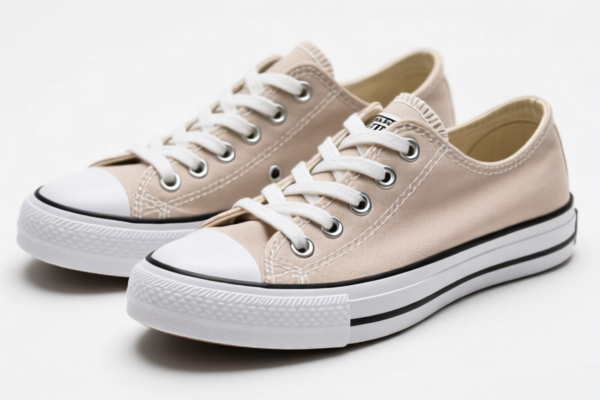
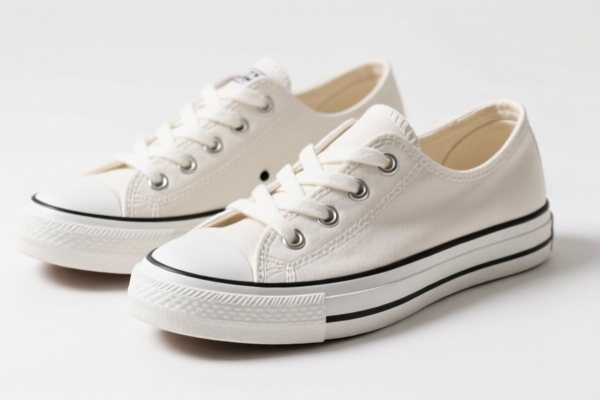
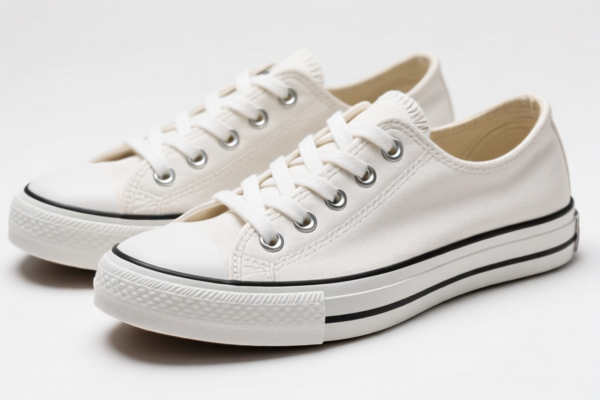
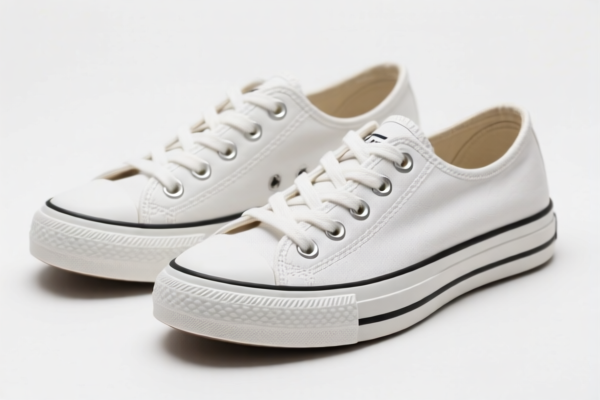
AI Analysis
👟 Canvas Sneakers with Plastic Sole: HS Code Classification & Tariff Deep Dive
🌐 HS Code Reference & Customs Clearance Guide | 2026 Latest Tariff Analysis | Professional Strategy for U.S. Importers
📌 I. Product Definition & Classification: What Exactly Is a "Plastic-Sole Canvas Sneaker"?
Canvas sneakers with plastic soles are versatile footwear combining a textile upper (canvas) with a durable synthetic sole (plastic/rubber). In international trade, the classification hinges on two critical factors:
1. Outer Sole Material: Defined as "plastic" (synthetic polymers) or "rubber" (natural/synthetic).
2. Specific Use: Whether it is designated for sports (e.g., basketball) or general wear.
⚠️ Critical Distinction:
- If the shoe is explicitly for basketball or other specific sports, it falls under Chapter 64.02 (Footwear with Outer Sole of Rubber/Plastic) → Higher tariffs.
- If the shoe is general-purpose or uses textile uppers with plastic soles, it may fall under Chapter 64.03 (Footwear with Outer Sole of Plastic) → Lower tariffs.
- Misclassification Risk: Labeling a general sneaker as "basketball shoe" can trigger a 17% tariff increase (from 20.5% to 37.5%).
📦 II. HS Code Classification Matrix (2026 Latest Tariff Rules)
| HS Code | Product Description | Applicable Scenario | Key Material/Use Criteria |
|---|---|---|---|
6404.11.20.30 |
Footwear with textile upper, rubber/plastic sole | General canvas sneakers, non-sports specific | Outer sole: Rubber/Plastic Upper: Textile (Canvas) Use: General |
6402.99.90.05 |
Sports footwear, outer sole of rubber/plastic | Basketball shoes, running shoes | Specific Use: Basketball/Sports Outer sole: Rubber/Plastic |
6402.91.90.05 |
Sports footwear, outer sole of rubber/plastic | Basketball shoes (explicit plastic material) | Specific Use: Basketball Material: Explicit Plastic |
6403.99.60.40 |
Other footwear, outer sole of plastic | General plastic-soled sneakers (non-textile upper conflict) | Outer sole: Plastic No conflict: Plastic sole is primary |
6403.91.60.40 |
Other footwear, outer sole of plastic | Basketball-style shoes with plastic sole | Specific Use: Basketball Material: Plastic sole |
🔍 Key Takeaway:
- Basketball shoes are classified under 6402 or 6403.91, incurring 37.5% total tax.
- General canvas sneakers are classified under 6404 or 6403.99, incurring 18.5%–20.5% total tax.
- Do not declare general sneakers as "basketball shoes" unless they meet official sports standards (e.g., specific tread, ankle support).
💰 III. 2026 Latest Tariff Rate Breakdown (Including Surtaxes & Policy Add-ons)
✅ Applicable Country: United States (US)
✅ Origin: China (CN)
✅ Effective Date: 2025-11-10 (and subsequent imports)
🎯 1. 6404.11.20.30 – Footwear with Textile Upper, Rubber/Plastic Sole
(Best for general canvas sneakers)
| Item | Details |
|---|---|
| Base Tariff | 10.5% (ad valorem) |
| Additional Tariff (Section 301) | 0.0% |
| Section 122 Tariff | +10.0% |
| Total Tariff Rate | 20.5% |
| Tax Calculation | CIF Value × 20.5% |
| De Minimis Exemption Eligible? | ❌ No (deny_de_minimis) |
| Legal Path | USITC:6404.11.20.30 → FOOTNOTE:122 |
📌 Explanation:
- Base Rate 10.5%: Standard Most Favored Nation (MFN) rate for textile-upper footwear.
- Section 122 Tariff 10%: Applied under U.S. Trade Act Section 301/122 for certain Chinese imports.
- Total 20.5%: Lowest applicable rate for canvas sneakers if not classified as sports footwear.
🎯 2. 6402.99.90.05 & 6402.91.90.05 – Sports Footwear (Basketball Shoes)
(Highest Tariff Risk)
| Item | Details |
|---|---|
| Base Tariff | 20.0% (ad valorem) |
| Additional Tariff (Section 301) | +7.5% |
| Section 122 Tariff | +10.0% |
| Total Tariff Rate | 37.5% |
| Tax Calculation | CIF Value × 37.5% |
| De Minimis Exemption Eligible? | ❌ No (deny_de_minimis) |
| Legal Path | USITC:6402.99.90.05 → FOOTNOTE:122 |
📌 Explanation:
- Base Rate 20.0%: Higher base for sports-specific footwear.
- Section 301 Surcharge 7.5%: Additional penalty for Chinese sports goods.
- Section 122 Tariff 10%: Same as above.
- Total 37.5%: 17% higher than general sneakers. Critical to avoid misclassification.
🎯 3. 6403.99.60.40 & 6403.91.60.40 – Other Footwear with Plastic Sole
(Middle Ground)
| Item | Details |
|---|---|
| Base Tariff | 8.5% (ad valorem) |
| Additional Tariff (Section 301) | 0.0% |
| Section 122 Tariff | +10.0% |
| Total Tariff Rate | 18.5% |
| Tax Calculation | CIF Value × 18.5% |
| De Minimis Exemption Eligible? | ❌ No (deny_de_minimis) |
| Legal Path | USITC:6403.99.60.40 → FOOTNOTE:122 |
📌 Explanation:
- Base Rate 8.5%: Low base for plastic-soled non-sports footwear.
- Section 301 Surcharge 0%: No additional penalty for this subheading.
- Section 122 Tariff 10%: Standard 10% add-on.
- Total 18.5%: Lowest possible rate if the product is not a textile-upper shoe (i.e., if the upper is not primarily canvas/textile, or if classified under "other footwear").
- ⚠️ Note: If the upper is canvas,6404is more accurate. Use6403only if the upper material does not fit6404definitions or if customs allows it based on primary function.
🛠️ IV. Customs Clearance Practical Advice (Avoid Pitfalls)
✅ 1. Required Documentation Checklist
| Document | Mandatory? | Notes |
|---|---|---|
| ✅ Product Specification Sheet | ✔️ | Must detail upper material (Canvas), sole material (Plastic/Rubber), and intended use (General vs. Sports). |
| ✅ Product Photos (Front, Side, Sole) | ✔️ | Show tread pattern, stitching, and any sports-specific features (e.g., ankle support). |
| ✅ Commercial Invoice | ✔️ | Clearly state "Canvas Sneakers, General Use" NOT "Basketball Shoes" unless certified. |
| ✅ Packing List | ✔️ | Detail quantity, weight, and dimensions. |
| ✅ Origin Certificate (CO) | ✔️ | Required for U.S. import; confirms Chinese origin. |
| ✅ Third-Party Test Report | ✔️ | Optional but recommended: Prove sole material is plastic/rubber, not leather. |
✅ 2. Declaration Strategy (Key Mnemonic)
🔥 “Define Use, Check Sole, Avoid Sports Label Unless Certified!”
| Scenario | Correct HS Code | Wrong Approach | Consequence |
|---|---|---|---|
| General Canvas Sneakers | 6404.11.20.30 |
Declare as "Basketball Shoes" | 20.5% → 37.5% (Loss of $17 per $100 value) |
| Sports-Specific Canvas Shoes | 6402.99.90.05 |
Declare as "General Sneakers" | Misclassification Penalty + 17% Surcharge |
| Plastic-Upper Sneakers (No Canvas) | 6403.99.60.40 |
Declare as "Textile Upper" | Class Error |
| Mixed Materials (Textile + Plastic) | 6404.11.20.30 |
Split declaration (Upper + Sole) | Higher total tariff + delays |
✅ 3. Special Cases & Handling
| Case | Advice |
|---|---|
| OEM Custom Sneakers | Provide design drawings to prove if they are "sports-specific" or "general fashion." |
| Basketball-Style Fashion Sneakers | Do not declare as "Sports Footwear" unless they meet ANSI/ASTM sports standards. Use 6404 for lower tax. |
| Plastic Sole with Textile Upper | Ensure the primary character is the textile upper (→ 6404) or plastic sole (→ 6403). Customs prefers 6404 for canvas. |
| Small Batch (<$800) | ❌ No De Minimis: Even under $800, these goods are subject to full tariff due to deny_de_minimis status. |
🌍 V. Global Market Comparison (2026 Latest)
| Country/Region | Recommended HS Code | Total Tariff (China Origin) | Notes |
|---|---|---|---|
| 🇺🇸 USA | 6404.11.20.30 |
20.5% | High scrutiny on "sports" claims. |
| 🇨🇳 China | 6404.11.20.30 |
5% | Low import tax for re-export. |
| 🇪🇺 EU | 6404.11 |
8–12% | No Section 122 surcharge. |
| 🇦🇺 Australia | 6404.11 |
5% | No additional tariffs. |
| 🇯🇵 Japan | 6404.11 |
6–10% | Varies by material composition. |
📌 Conclusion:
- USA is the most expensive market due to Section 301 and Section 122 tariffs.
- EU, AU, and JP offer significantly lower tariffs, but may have stricter environmental standards (e.g., REACH, RoHS).
📌 VI. Common Errors & Pitfalls (Lessons Learned)
❌ Mistake 1: Declaring general sneakers as "Basketball Shoes"
👉 Result: 37.5% tariff instead of 20.5%. Overpayment by 17%.
❌ Mistake 2: Not providing material details
👉 Result: Customs delays for inspection, potential reclassification to higher-tariff codes.
❌ Mistake 3: Assuming "De Minimis" applies
👉 Result: No exemption. All shipments, regardless of value, are subject to tariffs.
❌ Mistake 4: Using vague descriptions like "Footwear"
👉 Result: Customs may assign the highest applicable rate due to lack of specificity.
✅ Correct Declaration Example:
"Men's Canvas Sneakers, General Purpose, Rubber Outer Sole, Model XYZ, Not for Specific Sports Use"
🎯 VII. Conclusion: Precise Classification Saves Money!
🎯 Key Mnemonic:
🔹 "General Use = 20.5%, Sports = 37.5%, No De Minimis!"
🔹 "Textile Upper + Plastic Sole = 6404, Not 6402!"
📌 Pro Tip:
If your sneakers are not officially certified for sports (e.g., no ANSI/ASTM compliance), always declare them as "General Purpose Footwear" to save 17% in tariffs.
Consider applying for a Binding Tariff Ruling (BTR) for large volumes to ensure certainty.
📣 Action Item:
📞 Consult a licensed customs broker.
📄 Prepare material specs and photos.
🚀 Optimize your HS code and cut tariff costs!
✨ Professional clearance starts with precise classification!
💼 Every percentage point saved is pure profit!
Customer Reviews
About HS Code Classification
The Harmonized System (HS) is an internationally standardized nomenclature developed by the World Customs Organization (WCO) to classify traded products. Over 200 countries use the HS system as the basis for customs tariffs, trade statistics, and import/export regulations.
Each HS code follows a hierarchical structure:
- Chapter (2 digits) — Broad category of goods (e.g., Chapter 84: Machinery and Mechanical Appliances)
- Heading (4 digits) — More specific grouping within the chapter
- Subheading (6 digits) — Internationally standardized breakdown, used by all WCO member countries
- National subdivisions (8-10 digits) — Country-specific extensions for further classification, such as US HTSUS 10-digit codes
Correct HS code classification is essential for smooth customs clearance, accurate duty payment, and compliance with trade regulations. Misclassification can lead to customs delays, overpayment of duties, or penalties.
When importing from CN to US, the applicable tariff rates may include:
- Most-Favored-Nation (MFN) rate — The standard duty rate applied to WTO members
- General rate — Applied to countries without trade agreements
- Trade remedy duties — Additional tariffs such as Section 301 (anti-dumping), Section 232 (national security), or countervailing duties
The information provided on this page is for reference purposes only. For official classification, please consult with your local customs authority or a licensed customs broker.