Canvas Wallet with Snap Closure
CN → US| HS Code | Tariff Rate | Origin | Destination | Doc |
|---|---|---|---|---|
| 4202329100 | 52.6% | CN | US | Official Doc |
| 4202329300 | 52.6% | CN | US | Official Doc |
| 4202929100 | 52.6% | CN | US | Official Doc |
| 4202926091 | 41.3% | CN | US | Official Doc |
| 4202329100 | 52.6% | CN | US | Official Doc |
Product Images
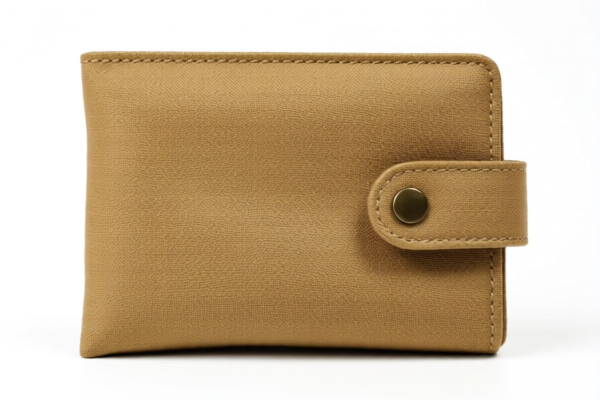
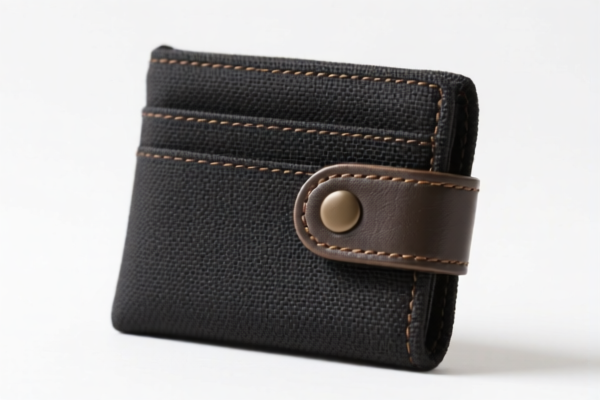
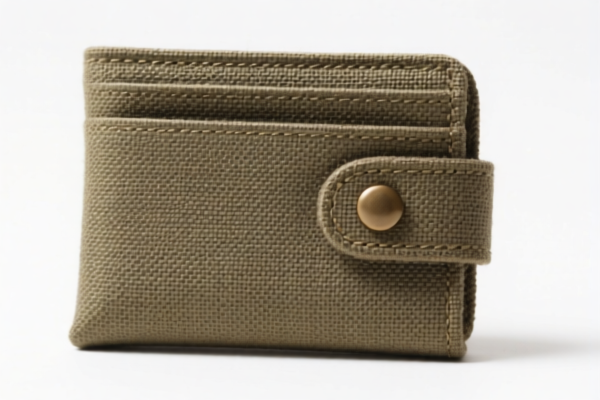
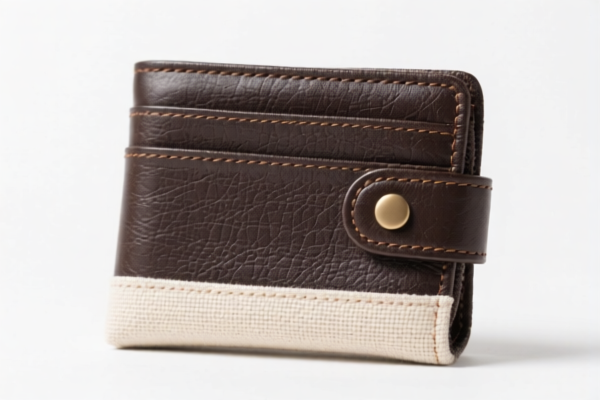
AI Analysis
👜 Canvas Wallet with Snap Closure: Precision HS Code Classification & 2026 Tariff Strategy
🌐 HS Code Reference & Customs Clearance Guide | 2026 Latest Tariff Analysis | Professional-Level Clearance Strategy 📌 I. Product Definition: Why is a "Canvas Wallet" Special?
A Canvas Wallet with Snap Closure is a small personal accessory designed to hold cards, cash, and coins. In international trade, its classification depends entirely on the surface material composition and its form factor.
While "Canvas" generally implies a textile material, customs authorities strictly differentiate between: 1. Textile-based Canvas (Cotton, Synthetic Fibers, Blends): Falls under Chapter 42 (Articles of leather; articles of travel goods, handbags...). 2. Leather-based Canvas: Falls under different subheadings if the surface is primarily leather.
⚠️ Critical Distinction: - If the outer surface is fabric/textile (even if called "canvas") → Chapter 42. - If the outer surface is leather → Different subheadings (not in this specific dataset). - Snap Closure is a functional detail that does not change the primary classification but confirms it is a finished article, not a raw material.
📦 II. HS Code Classification Details (2026 Latest Tariff Alignment)
Based on the provided data, the product falls under HS Code 4202 (Articles of leather or of composition leather, of plastic sheeting, or of textile materials, with outer surface of textile materials).
| HS Code | Product Description (Summary) | Material Composition | Total Tax Rate | Tax Breakdown |
|---|---|---|---|---|
| 4202.32.91.00 | Canvas Wallet, outer surface made of textile material | Textile Materials | 52.6% | Base: 17.6% + Section 301: 25.0% + Section 122: 10% |
| 4202.32.93.00 | Canvas Wallet, made of man-made fibers or textile materials | Synthetic/Man-made Fibers | 52.6% | Base: 17.6% + Section 301: 25.0% + Section 122: 10% |
| 4202.92.91.00 | Canvas Bag (Container Form), made of man-made fibers | Synthetic/Man-made Fibers | 52.6% | Base: 17.6% + Section 301: 25.0% + Section 122: 10% |
| 4202.92.60.91 | Canvas Bag (Container Form), made of Cotton | Cotton | 41.3% | Base: 6.3% + Section 301: 25.0% + Section 122: 10% |
| 4202.32.91.00 | Canvas Wallet, Container Form, Textile Material | Textile Materials | 52.6% | Base: 17.6% + Section 301: 25.0% + Section 122: 10% |
🔍 Key Insight: - Wearables/Purses (4202.32): Wallets, purses, and similar articles are classified under 4202.32. - Bags (4202.92): If the "wallet" is larger and functions more like a small bag or pouch, it may fall under 4202.92. - Material Matters: Cotton canvas enjoys a lower base tariff (6.3%) compared to Synthetic/Man-made or other textile blends (17.6%).
💰 III. 2026 Tariff Rate Detailed Analysis (US Imports from China)
✅ Applicable Country: United States (US)
✅ Origin: China (CN)
✅ Effective Date: Rates include Section 301, Section 122, and Base Duties.
🎯 1. HS Code 4202.32.91.00 & 4202.32.93.00
Product: Canvas Wallet (Textile or Synthetic Surface)
| Component | Rate | Legal Basis | Explanation |
|---|---|---|---|
| Base Duty | 17.6% | HTSUS General Rate | Standard ad valorem duty for textile articles in Chapter 42. |
| Section 301 Duty | +25.0% | 19 CFR § 122.13 | Additional duty on Chinese imports under Trade Act Section 301. |
| Section 122 Duty | +10.0% | 19 U.S.C. § 1671j | Additional duty under Section 122 of the Trade Act (specific to certain textiles/apparel). |
| Total Effective Rate | 52.6% | - | High Cost Barrier |
📌 Explanation: - This is the standard rate for most synthetic or blended canvas wallets. - No de minimis exemption applies for Section 301/122 duties on most commercial shipments. - Warning: The 25% Section 301 tariff is stable, but Section 122 is subject to executive adjustment. Always verify current status.
🎯 2. HS Code 4202.92.91.00
Product: Canvas Bag (Man-made Fiber)
| Component | Rate | Legal Basis | Explanation |
|---|---|---|---|
| Base Duty | 17.6% | HTSUS General Rate | Similar base rate for textile bags. |
| Section 301 Duty | +25.0% | 19 CFR § 122.13 | Additional duty on Chinese imports. |
| Section 122 Duty | +10.0% | 19 U.S.C. § 1671j | Additional duty under Section 122. |
| Total Effective Rate | 52.6% | - | High Cost Barrier |
📌 Explanation: - Even if classified as a "Bag" rather than a "Wallet," the tax burden remains identical to the synthetic wallet due to the same material composition (man-made fibers).
🎯 3. HS Code 4202.92.60.91
Product: Canvas Bag (Cotton)
| Component | Rate | Legal Basis | Explanation |
|---|---|---|---|
| Base Duty | 6.3% | HTSUS General Rate | Lower base rate for cotton textile articles. |
| Section 301 Duty | +25.0% | 19 CFR § 122.13 | Additional duty on Chinese imports. |
| Section 122 Duty | +10.0% | 19 U.S.C. § 1671j | Additional duty under Section 122. |
| Total Effective Rate | 41.3% | - | Savings of 11.3% |
📌 Explanation: - This is the most cost-effective option in the dataset. - If your "Canvas Wallet" is primarily made of Cotton (not polyester/nylon), you can save 11.3% on the total tax burden. - Requirement: Must prove the outer surface is >50% cotton or meet the specific subheading definition for cotton.
🛠️ IV. Customs Clearance Practical Advice (Avoiding Pitfalls)
✅ 1. Documentation Checklist (Non-Negotiable)
| Document | Required? | Critical Details |
|---|---|---|
| Commercial Invoice | ✅ Yes | Clearly state: "Canvas Wallet with Snap Closure." Specify material: 100% Cotton vs. Polyester/Blends. |
| Product Photos | ✅ Yes | Show the outer surface texture clearly. Must demonstrate it is textile, not leather. |
| Bill of Materials (BOM) | ✅ Yes | List fabric composition percentages. Critical for distinguishing between 4202.32.91 (Textile) and 4202.92.60.91 (Cotton). |
| Country of Origin Certificate | ✅ Yes | Must state "Made in China." |
| Packing List | ✅ Yes | Include weight and dimensions. |
✅ 2. Classification Strategy: Wallet vs. Bag
🔥 "Form Follows Function: Wallet vs. Bag"
| Scenario | Correct HS Code | Risk if Misclassified |
|---|---|---|
| Small, handheld, card/cash focused | 4202.32.xxxx (Wallet/Purse) |
Low risk, standard rates. |
| Larger, shoulder strap, multi-compartment | 4202.92.xxxx (Bag) |
If misclassified as wallet, may face scrutiny for "misleading description." |
| Cotton Material | 4202.92.60.91 |
MUST specify "Cotton." If labeled "Synthetic," you pay 52.6%. If labeled "Cotton" but is synthetic, you face fraud penalties. |
| Synthetic/Blended Material | 4202.32.91.00 / 93.00 |
Standard rate 52.6%. |
✅ 3. Special Considerations for "Snap Closure"
- Functionality: The snap closure is a minor component. It does not trigger a different HS code (like metal hardware).
- Material: Ensure the snap itself is not the primary feature. The classification is driven by the outer surface material (Canvas).
✅ 4. Mitigation Strategies
-
Material Optimization:
- If possible, switch to 100% Cotton Canvas to utilize HS Code 4202.92.60.91 and save 11.3% in duties.
- Note: Ensure the cotton content is documented and verifiable.
-
Country of Origin Diversification:
- High tariffs (52.6% / 41.3%) are China-specific.
- Alternative Sourcing: Manufacturing in Vietnam, Mexico, or Thailand may qualify for 0% Section 301/122 duties, reducing total tax to just the Base Rate (6.3% - 17.6%).
- Action: Evaluate supply chain shift if volume justifies it.
-
De Minimis Exemption Check:
- For shipments under $800 (Section 321), all duties and taxes may be exempt for most HTSUS codes, including 4202.32 and 4202.92, IF the carrier complies with CBP's de minimis rules.
- Warning: This exemption is under political review. Always confirm current CBP enforcement status for de minimis shipments of textiles.
📌 V. Common Mistakes & Avoidance Guide
❌ Mistake 1: Classifying "Canvas" as "Leather" 👉 Consequence: Incorrect HS Code (4202.11/21/31) → Potential fraud investigation if not leather.
❌ Mistake 2: Ignoring Material Composition 👉 Consequence: Labeling as "Canvas" without specifying Cotton vs. Polyester. - If Customs determines it's Polyester but you declared Cotton → Back taxes + Penalties. - If Customs determines it's Cotton but you declared Polyester → Overpaid taxes.
❌ Mistake 3: Assuming "Wallet" Always = 4202.32 👉 Consequence: If the item is large enough to be a "bag" (e.g., large tote-style wallet), it may fall under 4202.92. Ensure description matches physical form.
✅ Best Practice:
Use precise terminology: - "Wallet, Canvas, Cotton, Snap Closure" →
4202.92.60.91(if large/pouch-like) or4202.32.91.00(if small/purse-like). - "Wallet, Canvas, Synthetic, Snap Closure" →4202.32.93.00.
🎯 VI. Conclusion: Smart Classification Saves Money
🎯 Key Takeaways: 1. Cotton Canvas is Cheaper: Use 4202.92.60.91 (41.3%) if your canvas is cotton. 2. Synthetic is Expensive: Use 4202.32.91.00 (52.6%) for polyester/blends. 3. Snap Closure is Irrelevant for Tax: It's a functional detail, not a classification driver. 4. Verify Material: Accurate BOM is critical. Misdeclaration leads to severe penalties.
🔹 "Material Defines Duty: Cotton 41%, Synthetic 53%. Know your fabric!" 🔹 "Section 301 & 122 are Permanent Costs for China Origin. Plan for 52.6% or Sourcing Shift."
📌 Pro Tip: If your shipment volume is high, consider Pre-Ruling (CBP Ruling Letter) to confirm the exact HS Code for your specific canvas composition. This provides legal certainty and avoids post-import audits.
📣 Immediate Action:
📞 Audit your Bill of Materials (BOM) for Cotton %. 🚀 If >50% Cotton, target 4202.92.60.91. 🛡️ If Synthetic, accept 52.6% or explore non-China sourcing.
✨ Precise Classification, Predictable Costs! 💼 Your Supply Chain Strategy Starts with Accurate HS Codes!
Customer Reviews
About HS Code Classification
The Harmonized System (HS) is an internationally standardized nomenclature developed by the World Customs Organization (WCO) to classify traded products. Over 200 countries use the HS system as the basis for customs tariffs, trade statistics, and import/export regulations.
Each HS code follows a hierarchical structure:
- Chapter (2 digits) — Broad category of goods (e.g., Chapter 84: Machinery and Mechanical Appliances)
- Heading (4 digits) — More specific grouping within the chapter
- Subheading (6 digits) — Internationally standardized breakdown, used by all WCO member countries
- National subdivisions (8-10 digits) — Country-specific extensions for further classification, such as US HTSUS 10-digit codes
Correct HS code classification is essential for smooth customs clearance, accurate duty payment, and compliance with trade regulations. Misclassification can lead to customs delays, overpayment of duties, or penalties.
When importing from CN to US, the applicable tariff rates may include:
- Most-Favored-Nation (MFN) rate — The standard duty rate applied to WTO members
- General rate — Applied to countries without trade agreements
- Trade remedy duties — Additional tariffs such as Section 301 (anti-dumping), Section 232 (national security), or countervailing duties
The information provided on this page is for reference purposes only. For official classification, please consult with your local customs authority or a licensed customs broker.