Car Accessories
CN → US| HS Code | Tariff Rate | Origin | Destination | Doc |
|---|---|---|---|---|
| 8708295160 | 0.0% | CN | US | Official Doc |
| 8512202080 | 35.0% | CN | US | Official Doc |
| 8708106050 | 87.5% | CN | US | Official Doc |
| 8512909000 | 37.5% | CN | US | Official Doc |
| 8302496055 | 90.7% | CN | US | Official Doc |
Product Images
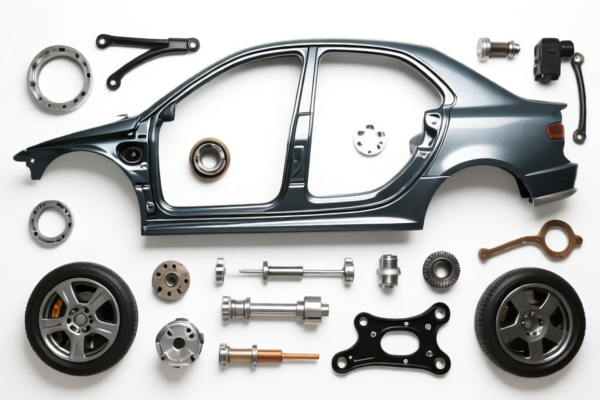
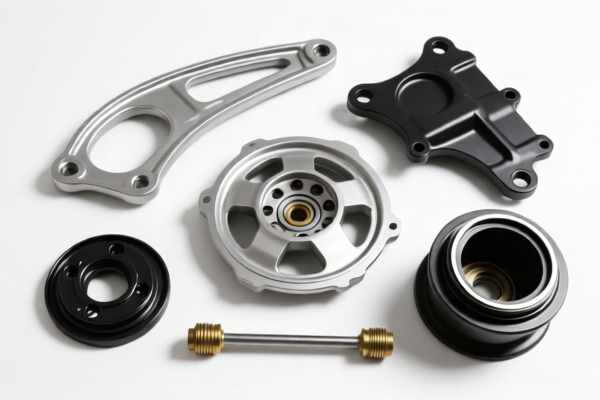
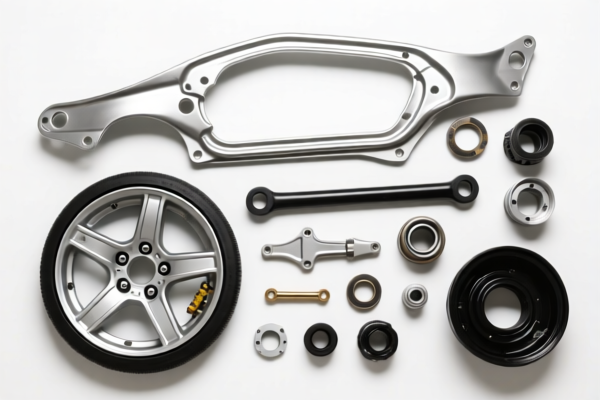
AI Analysis
🚗 Car Accessories (Auto Parts)
🌐 HS Code Reference & Customs Clearance Guide | 2026 Latest Tariff Analysis | Professional Entry Strategy
📌 I. Product Definition & Classification: Do You Really Understand "Car Accessories"?
Car accessories, broadly defined in international trade, refer to various parts, attachments, and components used in motor vehicles. These range from body parts and lighting equipment to installation fittings. The classification depends heavily on the specific function, material composition, and specific application (e.g., body vs. electrical vs. general chassis).
⚠️ Key Distinction Points:
- Body Parts vs. General Parts: If it’s a structural or aesthetic body component (like a fender or bumper), it often falls under 8708.29. If it’s a general mechanical part, it may fall under 8708.10 or other "other parts" categories.
- Electrical vs. Mechanical: Lighting, signals, and electrical components fall under Chapter 85 (e.g., 8512), not Chapter 87.
- Material Conflicts: Steel, aluminum, and copper components attract significant Section 232 tariffs (122 Clause).
📦 II. HS Code Classification Details (2026 Latest Tariff Authoritative Comparison)
Based on the provided data, here are the four potential HS Codes for "Car Accessories," each with specific tax implications:
| HS Code | Product Description | Application Scenario | Material/Type Conflict? |
|---|---|---|---|
8708.10.60.50 |
Auto Parts (General) | General vehicle parts and accessories. "Other" category fallback. | ✅ No material conflict. High tax due to multiple add-ons. |
8512.90.90.00 |
Auto Parts (Electrical Fallback) | Other electrical parts/accessories for motor vehicles. | ✅ No material conflict. Moderate-High tax. |
8708.29.51.60 |
Body Parts & Attachments | Body parts, attachments, and similar accessories. | ⚠️ Yes: If made of steel, aluminum, or copper, it triggers Section 232 tariffs. |
8512.20.20.80 |
Lighting/Signal Devices | Lighting, visual or audible signaling devices for vehicles. | ✅ No material conflict. Low base tax, but high add-ons. |
8302.49.60.55 |
Bicycle Accessories (Installation/Fitting) | Mounting fittings, brackets, and similar accessories (often used in mixed shipments or misclassified auto parts). | ⚠️ Yes: If metallic (steel/aluminum/copper), it triggers Section 232 tariffs. |
🔍 Important Note:
- The data includes8302.49.60.55which is technically for Bicycle Accessories. However, in customs practice, if "Car Accessories" are misclassified or if the shipment contains mixed goods, this code might appear. Ensure accurate classification to avoid discrepancies.
- Section 232 Tariffs (122 Clause) apply significantly to steel, aluminum, and copper products, adding 50% to certain codes.
💰 III. 2026 Latest Tariff Rate Detailed Explanation (Including Additional Taxes & Policy Add-ons)
✅ Applicable Country: United States (US)
✅ Country of Origin: China (CN)
✅ Effective Date: 2025 November 10 onwards (including subsequent imports)
🎯 1. 8708.10.60.50 —— General Auto Parts (Fallback Category)
| Item | Content |
|---|---|
| Base Tariff | 2.5% (ad valorem) |
| Section 301 Additional Tariff | +25% |
| Section 232 (122 Clause) Tariff | +10% (Steel/Aluminum/Copper products) + 50% (Additional for specific materials) |
| Total Tariff Rate | 87.5% |
| Tax Calculation | CIF Value × 87.5% |
| De Minimis Exemption? | ❌ No (deny_de_minimis) |
| Legal Basis Path | USITC:8708.10.60.50 → Section 301 → Section 232 (122 Clause) |
📌 Explanation:
- This is a "catch-all" for auto parts not specified elsewhere.
- The 87.5% total rate is extremely high due to the combination of Section 301 (25%) and Section 232 (10% + 50% for metal components).
- Warning: If the part is metal (steel, aluminum, copper), the 122 Clause adds 60% total (10% + 50%).
🎯 2. 8512.90.90.00 —— Other Electrical Auto Parts (Fallback)
| Item | Content |
|---|---|
| Base Tariff | 2.5% |
| Section 301 Additional Tariff | +25% |
| Section 232 (122 Clause) Tariff | +10% (Note: Data indicates 122 clause applies, but typically electrical parts are less prone to Section 232 unless they contain significant metal components) |
| Total Tariff Rate | 37.5% |
| Tax Calculation | CIF Value × 37.5% |
| De Minimis Exemption? | ❌ No |
| Legal Basis Path | USITC:8512.90.90.00 → Section 301 → Section 232 (122 Clause) |
📌 Note:
- This code is for electrical accessories (e.g., wipers, horns, wiper blades, general electrical fittings).
- The rate is 37.5%, significantly lower than general mechanical parts if they are non-metallic or if Section 232 doesn't fully apply.
- Clarification: The data mentions "122 Clause Tariff 10%". If the product contains steel/aluminum/copper, the total could be higher, but the summary states 37.5%, implying the 10% might be the only add-on or the 50% doesn't apply here.
🎯 3. 8708.29.51.60 —— Body Parts & Attachments
| Item | Content |
|---|---|
| Base Tariff | 2.5% |
| Section 301 Additional Tariff | +25% |
| Section 232 (122 Clause) Tariff | +10% (Steel/Aluminum/Copper products) + 50% (Additional for specific materials) |
| Total Tariff Rate | 85.0% |
| Tax Calculation | CIF Value × 85.0% |
| De Minimis Exemption? | ❌ No |
| Legal Basis Path | USITC:8708.29.51.60 → Section 301 → Section 232 (122 Clause) |
📌 Warning:
- This code is for body parts (e.g., bumpers, fenders, doors).
- Since these are often made of steel, aluminum, or plastic-coated metal, they are highly susceptible to Section 232 tariffs.
- The 85.0% rate reflects the heavy burden of metal tariffs.
- Critical: If the body part is not steel/aluminum/copper (e.g., plastic, carbon fiber), Section 232 might not apply, but the data explicitly includes it, suggesting metal content is assumed.
🎯 4. 8512.20.20.80 —— Lighting/Signal Devices
| Item | Content |
|---|---|
| Base Tariff | 0.0% |
| Section 301 Additional Tariff | +25% |
| Section 232 (122 Clause) Tariff | +10% (Note: Data lists 122 clause, but base is 0%, so total is 35%) |
| Total Tariff Rate | 35.0% |
| Tax Calculation | CIF Value × 35.0% |
| De Minimis Exemption? | ❌ No |
| Legal Basis Path | USITC:8512.20.20.80 → Section 301 → Section 232 (122 Clause) |
📌 Advantage:
- This is the lowest tariff rate among the options at 35.0%.
- Applicable to headlights, taillights, turn signals, wiper systems.
- Strategy: If your "Car Accessory" is a lighting or signaling device, this is the optimal HS Code to minimize costs.
🛠️ IV. Customs Clearance Practical Advice (Real-World Pitfall Avoidance Guide)
✅ 1. Preparation Checklist (Must-Haves)
| Document | Required | Note |
|---|---|---|
| ✅ Product Specification Sheet | ✔️ | Must detail dimensions, material (crucial for Section 232), voltage, function. |
| ✅ Material Declaration | ✔️ | Explicitly state if it contains Steel, Aluminum, or Copper. This triggers/avoids Section 232. |
| ✅ Product Photos | ✔️ | Clear images of the part, labeling, and packaging. |
| ✅ Commercial Invoice | ✔️ | Must clearly state "Auto Part: [Specific Name]" and correct HS Code. |
| ✅ Packing List | ✔️ | List all items to avoid missing components that might be classified separately. |
| ✅ Third-Party Test Report | ✔️ | DOT, SAE, or other relevant safety certifications for auto parts. |
✅ 2. Classification Strategy (Key Mantras)
🔥 "Function First, Material Second, Lighting is King!"
| Scenario | Recommended HS Code | Reason |
|---|---|---|
| Lighting/Signal Device (e.g., LED Headlight) | 8512.20.20.80 |
Lowest Tax (35%). Electrical parts have lower base rates. |
| General Mechanical Part (e.g., Bracket, Hose) | 8708.10.60.50 |
High tax (87.5%), but if no other specific code fits, use this. |
| Body Part (e.g., Bumper, Mirror Housing) | 8708.29.51.60 |
High tax (85%) if metal. Avoid if possible; consider if it's purely plastic/non-metal. |
| Electrical Accessory (e.g., Wiper, Horn) | 8512.90.90.00 |
Moderate tax (37.5%). Good for non-lighting electrical parts. |
| Mounting/Bracket (Misclassified as Bicycle) | 8302.49.60.55 |
Avoid unless it's truly a bicycle part. High tax (90.7%) and risk of misclassification penalty. |
✅ 3. Special Handling Tips
| Situation | Advice |
|---|---|
| Metal Content | If your part is Steel, Aluminum, or Copper, expect Section 232 tariffs. Use plastic, carbon fiber, or composite materials where possible to reduce tax. |
| Lighting vs. General | If it’s a light, always try to classify under 8512.20 for the 35% rate instead of 8708. |
| Mixed Shipments | Separate lighting from body parts in your documentation to apply the correct lower rate to lighting items. |
| De Minimis | ❌ No de minimis exemption for China-origin auto parts under these HS codes. Even small shipments are subject to full tax. |
🌍 V. Global Market Clearance Comparison (2026 Latest)
| Country/Region | Recommended HS Code | Tariff (China Origin) | Certification | Note |
|---|---|---|---|---|
| 🇺🇸 USA | 8512.20.20.80 |
35% | DOT, SAE, EPA | Lowest among options. Avoid 8708.10 (87.5%) if possible. |
| 🇨🇳 China | 8708 series |
5-10% | CCC | No Section 301/232 add-ons. |
| 🇪🇺 EU | 8708 series |
0-4.5% | ECE, CE | No Section 301/232. |
| 🇯🇵 Japan | 8708 series |
0-5% | JIS, PSE | No Section 301/232. |
📌 Conclusion:
- The US market is the most challenging due to Section 301 and Section 232 tariffs.
- Strategy: Optimize product design to use non-metallic materials for body parts and prioritize electrical/lighting classification (8512) to benefit from lower base rates.
- USA is the ONLY major market with these punitive additional tariffs.
📌 VI. Common Mistakes & Pitfall Guide (Blood & Tears Lessons)
❌ Mistake 1: Classifying Headlights under 8708 (General Parts)
👉 Result: Tax jumps from 35% to 87.5%. Waste of money!
👉 Fix: Always use 8512.20.20.80 for lighting devices.
❌ Mistake 2: Ignoring Material Composition for Body Parts
👉 Result: Underestimating Section 232 tariffs. If you declare "Plastic Bumper" but it’s Steel-reinforced, you face 85% tax + penalties.
👉 Fix: Declare exact material. If 100% plastic, ensure documentation proves it to avoid Section 232.
❌ Mistake 3: Misclassifying Auto Brackets as 8302 (Bicycle Fittings)
👉 Result: High tax (90.7%) and potential misclassification audit.
👉 Fix: Use 8708.10 or 8708.29 for auto brackets.
❌ Mistake 4: Assuming De Minimis applies to small shipments
👉 Result: Package seized, taxes levied, and storage fees incurred.
👉 Fix: Prepare for full tax payment on all China-origin auto parts to the US.
✅ Correct Declaration Example:
"LED Headlight Assembly for Automotive Use, Model XYZ, 12V DC, 55W, Compliant with DOT/SAE Standards, Plastic Housing, No Steel/Aluminum Components"
🎯 VII. Conclusion: Professional Classification Saves Money!
🎯 Remember the Mantras:
🔹 "Lighting is King: Use 8512 for 35%!"
🔹 "Metal Means Pain: Section 232 adds 60%!"
🔹 "Don't Guess: Material and Function Determine HS Code!"
🔹 "No De Minimis: Every Dollar Counts in US Customs!"
📌 Pro Tip:
If your auto accessories are originating from Vietnam, Mexico, or Thailand, you may avoid Section 301 and 232 tariffs.
Recommendation:
- Apply for Pre-Ruling from US Customs (CBP) for ambiguous parts.
- Optimize Supply Chain: Consider sourcing metal-heavy parts from non-China countries to bypass the 85-87.5% tariff.
- Design for Tax: Use plastic/composite materials for body parts to avoid Section 232.
📣 Take Action Now:
📞 Consult a licensed customs broker.
📦 Provide detailed material specs and function descriptions.
🚀 Minimize Tax, Maximize Profit, Clear Customs Smoothly!
✨ Professional Customs Clearance Starts with Precise Classification!
💼 Your Cost is Worth Every Cent, Calculated Precisely!
Customer Reviews
About HS Code Classification
The Harmonized System (HS) is an internationally standardized nomenclature developed by the World Customs Organization (WCO) to classify traded products. Over 200 countries use the HS system as the basis for customs tariffs, trade statistics, and import/export regulations.
Each HS code follows a hierarchical structure:
- Chapter (2 digits) — Broad category of goods (e.g., Chapter 84: Machinery and Mechanical Appliances)
- Heading (4 digits) — More specific grouping within the chapter
- Subheading (6 digits) — Internationally standardized breakdown, used by all WCO member countries
- National subdivisions (8-10 digits) — Country-specific extensions for further classification, such as US HTSUS 10-digit codes
Correct HS code classification is essential for smooth customs clearance, accurate duty payment, and compliance with trade regulations. Misclassification can lead to customs delays, overpayment of duties, or penalties.
When importing from CN to US, the applicable tariff rates may include:
- Most-Favored-Nation (MFN) rate — The standard duty rate applied to WTO members
- General rate — Applied to countries without trade agreements
- Trade remedy duties — Additional tariffs such as Section 301 (anti-dumping), Section 232 (national security), or countervailing duties
The information provided on this page is for reference purposes only. For official classification, please consult with your local customs authority or a licensed customs broker.