Car Air Intake Pipe
CN → US| HS Code | Tariff Rate | Origin | Destination | Doc |
|---|---|---|---|---|
| 7307995045 | 89.3% | CN | US | Official Doc |
| 8708925000 | 37.5% | CN | US | Official Doc |
| 8708925000 | 37.5% | CN | US | Official Doc |
| 7307933040 | 91.2% | CN | US | Official Doc |
Product Images
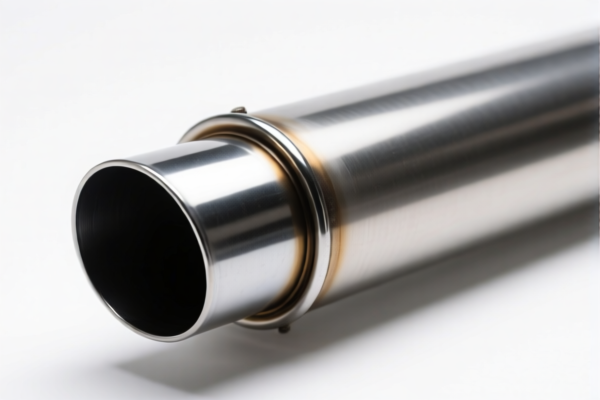
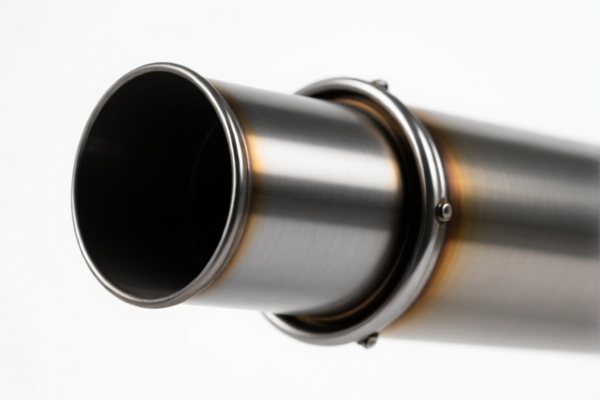
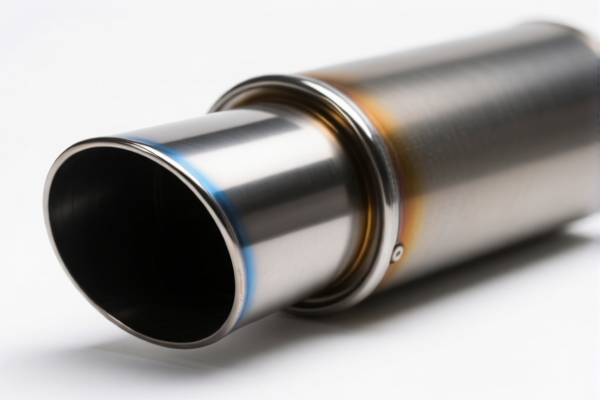

AI Analysis
🚗 Car Air Intake Pipe (Automotive Intake System Components)
🌐 HS Code Reference & Customs Clearance Guide | 2026 Latest Tariff Analysis | Professional Entry Strategy
📌 I. Product Definition & Classification: Do You Really Understand "Air Intake Pipes"?
The Car Air Intake Pipe is a critical component of the engine's air induction system, responsible for directing filtered air into the engine cylinder. In international trade, its classification depends heavily on its material and specific design purpose.
Two Main Classification Paths: 1. As a Vehicle Part (Finished Assembly Context): If the pipe is specifically designed for a specific car model or part of a finished intake assembly, it is classified under Chapter 87 (Vehicles). 2. As a Metallic Fitting (Raw Material Context): If the pipe is made of iron/steel and is a generic fitting not specifically identifiable as a vehicle part, it may be classified under Chapter 73 (Articles of Iron or Steel).
⚠️ Key Distinction Point:
- If the product is a specialized automotive part (e.g., specific flanges, sensors, or molded plastic/metal for intake) → Classify under 8708.92 (Parts of Motor Vehicles).
- If the product is a generic steel pipe/fitting used in cars but also widely used in other industries → Classify under 7307.99 or 7307.93 (Fittings of Iron/Steel).
📦 II. HS Code Classification Details (2026 Latest Tariff Authority Comparison)
Based on the provided data, here are the four potential HS Codes and their rationales:
| HS Code | Product Description | Application Scenario | Tax Rate (Total) |
|---|---|---|---|
8708.92.50.00 |
Parts of Motor Vehicles (Specifically matching the vehicle category) | Preferred Classification if the pipe is a dedicated auto part. Covers "Intake Pipes" as vehicle components. | 37.5% |
7307.99.50.45 |
Fittings of Iron/Non-alloy Steel (General category) | Generic steel pipes/fittings. High tax due to Section 232 (Steel/Aluminum) penalties. | 89.3% |
7307.93.30.40 |
Fittings of Iron/Non-alloy Steel (Other fittings) | Generic steel fittings. High tax due to Section 232 penalties. | 91.2% |
8708.92.50.00 |
Parts of Motor Vehicles (Direct correspondence) | Reiteration of 8708.92: "Car Air Intake Pipe" directly corresponds to vehicle spare parts. | 37.5% |
🔍 Key Takeaway:
- 8708.92.50.00 is the optimal HS Code for dedicated car intake pipes, with a total tax of 37.5%.
- 7307.99.50.45 and 7307.93.30.40 result in significantly higher taxes (89.3% and 91.2%) due to additional "Section 232" tariffs on steel/aluminum products.
- Avoid classifying auto-specific parts as generic fittings unless they are truly generic and not identifiable as vehicle parts.
💰 III. 2026 Latest Tariff Rate Breakdown (Including Additional Taxes & Policy Surcharges)
✅ Applicable Country: United States (US)
✅ Origin: China (CN)
✅ Effective Date: From November 10, 2025 (and subsequent imports)
🎯 1. 8708.92.50.00 – Parts of Motor Vehicles (Intake Pipes)
| Item | Content |
|---|---|
| Base Tariff | 2.5% |
| Section 301 Additional Tariff | +25.0% |
| "122" Clause Tariff | +10% |
| Total Tax Rate | 37.5% |
| Tax Calculation | CIF Value × 37.5% |
| De Minimis Exemption | ❌ Not Applicable (deny_de_minimis) |
| Legal Basis Path | USITC:8708.92.50.00 → Section 301: 25% → Section 122: 10% |
📌 Explanation:
- This code benefits from being classified as a vehicle part rather than a raw steel product.
- The 25% is the standard Section 301 tariff on Chinese goods.
- The 10% is the additional "122 Clause" tariff.
- No Section 232 (Steel) penalty applies here because it is classified as a vehicle part, not a steel fitting.
🎯 2. 7307.99.50.45 – Fittings of Iron/Non-alloy Steel (General)
| Item | Content |
|---|---|
| Base Tariff | 4.3% |
| Section 301 Additional Tariff | +25.0% |
| "122" Clause Tariff | +10% |
| Section 232 Tariff (Steel/Aluminum) | +50% |
| Total Tax Rate | 89.3% |
| Tax Calculation | CIF Value × 89.3% |
| De Minimis Exemption | ❌ Not Applicable |
| Legal Basis Path | IEEPA:9903.01.25 → Section 232: 50% → USITC:7307.99.50.45 → FOOTNOTE:9903.88.01 |
📌 Warning:
- The 50% Section 232 tariff is the primary driver of the high tax rate.
- This classification applies if the pipe is considered a generic steel fitting.
- High Risk: Misclassifying a vehicle part as a steel fitting can lead to massive duty shocks.
🎯 3. 7307.93.30.40 – Fittings of Iron/Non-alloy Steel (Other)
| Item | Content |
|---|---|
| Base Tariff | 6.2% |
| Section 301 Additional Tariff | +25.0% |
| "122" Clause Tariff | +10% |
| Section 232 Tariff (Steel/Aluminum) | +50% |
| Total Tax Rate | 91.2% |
| Tax Calculation | CIF Value × 91.2% |
| De Minimis Exemption | ❌ Not Applicable |
| Legal Basis Path | IEEPA:9903.01.25 → Section 232: 50% → USITC:7307.93.30.40 |
📌 Warning:
- Similar to the above, this classification incurs the 50% Section 232 tariff.
- This is the most expensive option.
- Only use if the product is truly a generic steel fitting with no automotive specificity.
🛠️ IV. Customs Clearance Practical Advice (Avoiding Pitfalls)
✅ 1. Documentation Checklist (All are Mandatory)
| Document | Required? | Notes |
|---|---|---|
| ✅ Product Specification Sheet | ✔️ | Must specify material (e.g., "Carbon Steel", "Stainless Steel"), dimensions, and intended use (e.g., "For Toyota Camry 2020"). |
| ✅ Technical Drawings | ✔️ | Show flange shapes, sensor ports, and bends to prove automotive specificity. |
| ✅ Product Photos | ✔️ | Clear images of the pipe, including any embossed part numbers or logos. |
| ✅ Commercial Invoice | ✔️ | Describe as "Auto Part: Air Intake Pipe" not "Steel Pipe Fitting". |
| ✅ Packing List | ✔️ | Detail the quantity and packaging. |
| ✅ Certificate of Origin (CO) | ✔️ | If applicable, to verify origin for Section 301/232 calculations. |
✅ 2. Declaration Strategy (Key Mantra)
🔥 “Classify as Auto Part, Avoid Steel Penalty!”
| Scenario | Correct Declaration | Incorrect Action |
|---|---|---|
| Dedicated Car Intake Pipe | 8708.92.50.00 (37.5%) |
Misclassify as 7307.99 (89.3%) → Save 51.8%! |
| Generic Steel Pipe (No Auto Specificity) | 7307.99.50.45 (89.3%) |
N/A |
| Plastic Intake Pipe (Not in Data) | Not in Data | Do not use Steel Codes |
✅ 3. Special Handling
| Situation | Recommendation |
|---|---|
| OEM Parts | Provide OEM part numbers and customer POs to prove automotive use. |
| Aftermarket Parts | Provide compatibility lists (e.g., "Fits 2015-2020 Ford F-150"). |
| Mixed Materials | If the pipe has plastic/rubber parts, still likely 8708.92 if primarily for vehicle use. |
| Steel Content | Do not hide steel content; instead, emphasize function (air intake for engine) over material. |
🌍 V. Global Market Comparison (2026 Latest)
| Country/Region | Recommended HS Code | Total Tax (China Origin) | Notes |
|---|---|---|---|
| 🇺🇸 USA | 8708.92.50.00 |
37.5% | Optimal. Avoids 50% Steel Tariff. |
| 🇺🇸 USA | 7307.99.50.45 |
89.3% | High Tax due to Section 232. |
| 🇨🇳 China | Same Code | Lower Rates | Domestic tax structure differs. |
| 🇪🇺 EU | 8708.92 |
Varies | Generally lower base rates, but check EU-specific duties. |
| 🇬🇧 UK | 8708.92 |
Varies | Post-Brexit rules apply. |
📌 Conclusion:
- USA is the most critical market for this classification due to Section 301 and Section 232 tariffs.
- Correctly classifying as 8708.92 saves over 50% in duties compared to generic steel fitting codes.
📌 VI. Common Errors & Pitfalls (Lessons Learned)
❌ Error 1: Declaring "Car Air Intake Pipe" as "Steel Pipe Fitting"
👉 Consequence: Tax jumps from 37.5% to 89.3% → Huge Cost Increase!
❌ Error 2: Not providing technical drawings for automotive specificity
👉 Consequence: Customs may reclassify as generic steel → Additional 50% Section 232 Tariff.
❌ Error 3: Using vague descriptions like "Metal Pipe"
👉 Consequence: High risk of audit, delays, and misclassification.
❌ Error 4: Assuming all steel parts in cars are exempt from Section 232
👉 Consequence: Only finished vehicle parts (Chapter 87) are exempt. Raw fittings (Chapter 73) are not.
✅ Correct Approach:
“Automotive Air Intake Pipe, Model XYZ, Designed for [Specific Car Model], Material: Carbon Steel, HS Code: 8708.92.50.00”
🎯 VII. Conclusion: Precise Classification, Maximize Profit!
🎯 Remember the Mantra:
🔹 “Auto Part = 37.5%, Steel Fitting = 89.3%+”
🔹 “Function over Material: Prove it’s for a Car, Not a Factory!”
🔹 “Save 50% by Choosing 8708 over 7307!”
📌 Tip:
- If your intake pipes are made of plastic or aluminum (and not steel), check for different codes.
- Always apply for an Advance Ruling from US Customs if the classification is uncertain.
- Supplier Documentation must clearly state "Automotive Use" to support 8708.92.
📣 Immediate Action:
📞 Contact your customs broker + Provide Part Numbers + Submit Advance Ruling Request
🚀 Ensure Smooth Customs Clearance, Save Costs, and Boost Margins!
✨ Professional Clearance Starts with Accurate Classification!
💼 Every Dollar Saved on Duties is Pure Profit!
Customer Reviews
About HS Code Classification
The Harmonized System (HS) is an internationally standardized nomenclature developed by the World Customs Organization (WCO) to classify traded products. Over 200 countries use the HS system as the basis for customs tariffs, trade statistics, and import/export regulations.
Each HS code follows a hierarchical structure:
- Chapter (2 digits) — Broad category of goods (e.g., Chapter 84: Machinery and Mechanical Appliances)
- Heading (4 digits) — More specific grouping within the chapter
- Subheading (6 digits) — Internationally standardized breakdown, used by all WCO member countries
- National subdivisions (8-10 digits) — Country-specific extensions for further classification, such as US HTSUS 10-digit codes
Correct HS code classification is essential for smooth customs clearance, accurate duty payment, and compliance with trade regulations. Misclassification can lead to customs delays, overpayment of duties, or penalties.
When importing from CN to US, the applicable tariff rates may include:
- Most-Favored-Nation (MFN) rate — The standard duty rate applied to WTO members
- General rate — Applied to countries without trade agreements
- Trade remedy duties — Additional tariffs such as Section 301 (anti-dumping), Section 232 (national security), or countervailing duties
The information provided on this page is for reference purposes only. For official classification, please consult with your local customs authority or a licensed customs broker.