Car Box
CN → US| HS Code | Tariff Rate | Origin | Destination | Doc |
|---|---|---|---|---|
| 4202926010 | 41.3% | CN | US | Official Doc |
| 3926909989 | 22.8% | CN | US | Official Doc |
| 3926901000 | 20.9% | CN | US | Official Doc |
| 4420908000 | 38.2% | CN | US | Official Doc |
| 4202999000 | 55.0% | CN | US | Official Doc |
Product Images
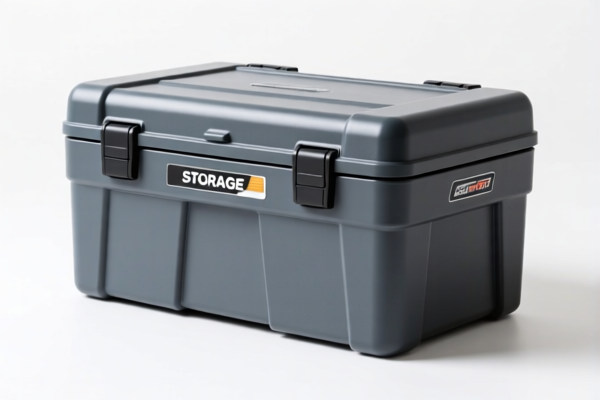
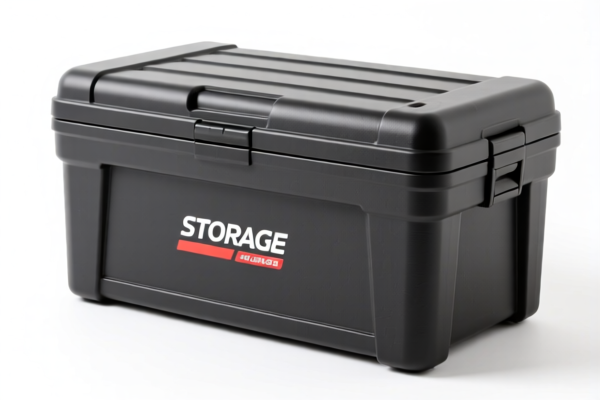
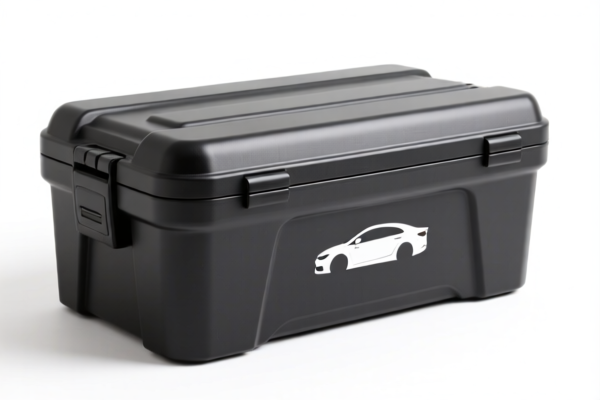
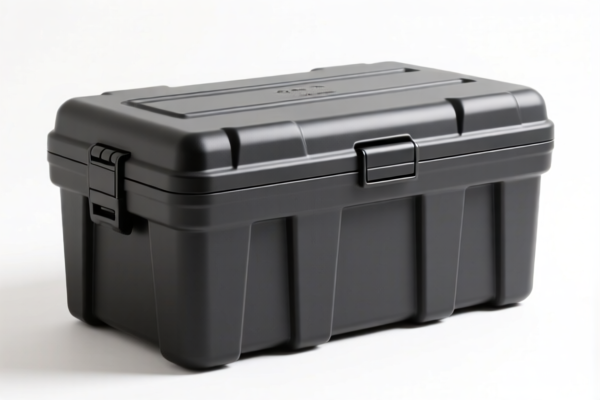
AI Analysis
🚗 Car Box (Auto Accessory & Packaging)
🌐 HS Code Reference & Customs Clearance Guide | 2026 Latest Tariff Analysis | Strategic Clearance Strategy
📌 I. Product Definition & Classification: What Exactly is a "Car Box"?
In international trade, the term "Car Box" is ambiguous. It generally falls into two distinct categories based on function and material:
- Car Storage/Organizer Boxes (Consumables/Accessories): Soft or hard containers used inside vehicles to store items (toys, tools, groceries). These are often classified under Chapter 42 (Articles of Apparel and Accessories Not Elsewhere Specified) if made of textile/plastic leather, or Chapter 39/44 if rigid plastic/wood.
- Transport Packaging Boxes (Packaging): Corrugated cardboard boxes used to pack and ship car parts or the car itself. These usually fall under Chapter 48 (Paper/Paperboard).
⚠️ Critical Distinction:
- If it is a reusable storage container for the car interior → Refer to 4202 or 3926/4420 (see Data).
- If it is a disposable shipping carton → It is NOT in the provided<DATA>scope, but typically 4819.Based on the provided
<DATA>, we focus exclusively on Reusable/Structured Storage Boxes (Hard/Soft cases).
📦 II. HS Code Classification Details (Based on Provided Data)
The following HS codes are derived strictly from the provided dataset. They represent different materials and specific uses for "Car Boxes" (interpreted as storage/organizers).
| HS Code | Summary from Data | Material/Feature | Tax Rate (Total) | Key Tariff Components |
|---|---|---|---|---|
| 4202.92.60.10 | Jewelry box-like containers | Plastic or Textile | 41.3% | Base: 6.3% + Section 301: 25% + Section 122: 10% |
| 3926.90.99.89 | Plastic articles | Rigid Plastic | 22.8% | Base: 5.3% + Section 301: 7.5% + Section 122: 10% |
| 3926.90.10.00 | Plastic containers | Rigid Plastic | 20.9% | Base: 3.4% + Section 301: 7.5% + Section 122: 10% |
| 4420.90.80.00 | Wooden containers | Wood | 38.2% | Base: 3.2% + Section 301: 25% + Section 122: 10% |
| 4202.99.90.00 | Other containers/bags | Mixed (Plastic/Textile/Cardboard) | 55.0% | Base: 20.0% + Section 301: 25% + Section 122: 10% |
🔍 Key Insight:
- Plastic Options (3926) offer the lowest tariff (20.9% - 22.8%).
- Jewelry-style/Textile Options (4202.92) are moderate (41.3%).
- Wooden Options (4420) are high (38.2%).
- General "Other" Category (4202.99) is the most expensive (55.0%) due to a high base rate (20%). Avoid this unless no other classification fits.
💰 III. 2026 Latest Tariff Rate Breakdown (Including Surtaxes)
✅ Applicable Region: United States (US)
✅ Origin: China (CN) (Inferred from Section 301/122 clauses in data)
✅ Effective Time: 2025/2026 Period
🎯 1. 3926.90.10.00 — Best Option for Rigid Plastic Boxes
| Item | Content |
|---|---|
| Base Duty | 3.4% (ad valorem) |
| Section 301 Surcharge | +7.5% |
| Section 122 Surcharge | +10.0% |
| Total Effective Rate | 20.9% |
| Tax Calculation | CIF Value × 20.9% |
| De Minimis Exemption | ❌ Not Eligible (Due to Section 301/122) |
| Legal Basis Path | USITC:3926.90.10.00 → FOOTNOTE:301 → IEEPA:122 |
📌 Explanation:
- This is the most cost-effective classification for rigid plastic storage boxes (e.g., dashboard organizers, glove box trays).
- The Section 301 rate (7.5%) is lower than the standard 25% for many textile/jewelry items, making plastic highly competitive.
🎯 2. 3926.90.99.89 — General Plastic Articles
| Item | Content |
|---|---|
| Base Duty | 5.3% |
| Section 301 Surcharge | +7.5% |
| Section 122 Surcharge | +10.0% |
| Total Effective Rate | 22.8% |
| De Minimis Exemption | ❌ Not Eligible |
📌 Explanation:
- Use this if the plastic box does not fit "containers" specifically or has unique features not covered by3926.90.10.00.
- Still very competitive compared to textile/wood options.
🎯 3. 4202.92.60.10 — Jewelry/Box Style (Plastic/Textile)
| Item | Content |
|---|---|
| Base Duty | 6.3% |
| Section 301 Surcharge | +25.0% |
| Section 122 Surcharge | +10.0% |
| Total Effective Rate | 41.3% |
| De Minimis Exemption | ❌ Not Eligible |
📌 Explanation:
- Applied if the car box is styled like a jewelry box or made significantly of textile materials with rigid structure.
- High surcharge (25%) makes this less attractive than plastic alternatives.
🎯 4. 4420.90.80.00 — Wooden Boxes
| Item | Content |
|---|---|
| Base Duty | 3.2% |
| Section 301 Surcharge | +25.0% |
| Section 122 Surcharge | +10.0% |
| Total Effective Rate | 38.2% |
| De Minimis Exemption | ❌ Not Eligible |
📌 Explanation:
- For wooden storage crates or premium wooden car organizers.
- Low base rate (3.2%) is offset by the high 25% Section 301 surcharge.
🎯 5. 4202.99.90.00 — General "Other" Containers
| Item | Content |
|---|---|
| Base Duty | 20.0% |
| Section 301 Surcharge | +25.0% |
| Section 122 Surcharge | +10.0% |
| Total Effective Rate | 55.0% |
| De Minimis Exemption | ❌ Not Eligible |
📌 Explanation:
- AVOID THIS CODE if possible.
- The 20% base duty is extremely high for consumer goods. This code is for miscellaneous containers that don't fit specific plastic or jewelry definitions.
- Only use if the product is a complex mix (e.g., cardboard + textile + plastic) and cannot be classified under Chapter 39 or 44.
🛠️ IV. Customs Clearance Practical Advice (Real-World Pitfall Guide)
✅ 1. Preparation Checklist (Non-Negotiable)
| Document | Required | Description |
|---|---|---|
| ✅ Product Photos | ✔️ | Clear images of the box inside and out, showing material (plastic/wood/textile). |
| ✅ Material Breakdown | ✔️ | Specify % composition (e.g., "100% ABS Plastic" or "Canvas with Plastic Frame"). |
| ✅ Function Statement | ✔️ | "Storage container for car interior use." Avoid vague terms like "Car Box." |
| ✅ Commercial Invoice | ✔️ | Must match HS Code description precisely. |
| ✅ Bill of Lading | ✔️ | Ensure packaging count matches invoice. |
✅ 2. Classification Strategy (Key Mantra)
🔥 "Material Dictates Code, Function Defines Scope, Avoid 'Other' for Savings!"
| Scenario | Recommended HS Code | Why? |
|---|---|---|
| Hard Plastic Dashboard Organizer | 3926.90.10.00 |
Lowest Tax (20.9%). Clearly a plastic container. |
| Soft Fabric Trunk Liner | Check Data: 4202.92.60.10 | Textile-based, may fall under jewelry/accessory box category. Tax: 41.3%. |
| Wooden Tool Chest for Car | 4420.90.80.00 |
Wood material. Tax: 38.2%. |
| Generic Cardboard Shipping Box | Not in Data | Likely 4819. But if declared as "Storage," might be misclassified. |
| Mixed Material (Plastic+Textile) | 4202.99.90.00 |
Highest Tax (55.0%). Try to classify primarily by dominant material (Plastic → 3926). |
⚠️ Warning:
- Do NOT use4202.99.90.00for a simple plastic box. It will cost 55% instead of 20.9%.
- Do NOT label a plastic box as "Wood" to avoid tariffs (Fraud).
- Plastic is king for cost-saving in this dataset.
✅ 3. Special Case Handling
| Situation | Advice |
|---|---|
| Plastic + Fabric Trim | If fabric is <50% by value/weight, still classify as Plastic (3926). Cite "Essential Character" rule. |
| Custom Molded Plastic | Ensure it’s not considered a "part of car" (Ch 87). If it’s an accessory, Chapter 39/42 is correct. |
| Jewelry-Style Car Box | If it has velvet lining and looks like a jewelry box, use 4202.92.60.10. |
🌍 V. Global Market Comparison (2026 Latest)
| Country/Region | Recommended HS Code | Est. Tariff (China Origin) | Notes |
|---|---|---|---|
| 🇺🇸 USA | 3926.90.10.00 |
20.9% | Includes 301/122 surcharges. Plastic is best. |
| 🇨🇳 China | 3926.90.99.00 |
5.3% | No Section 301/122. Import duty only. |
| 🇪🇺 EU | 3926.90.97 |
4.5% | Standard EU duty. No Section 122 equivalent. |
| 🇬🇧 UK | 3926.90.90 |
4.5% | Post-Brexit rules. Lower than US. |
| 🇯🇵 Japan | 3926.90.90 |
6.0% | No major surcharges for plastic storage. |
📌 Conclusion:
- The US market is the most expensive due to Section 301 and 122 tariffs.
- Plastic boxes (3926) are the most tax-efficient entry point for the US.
- Consider supply chain diversification (e.g., Vietnam/Mexico production) if targeting the US, to potentially exempt from Section 301.
📌 VI. Common Errors & Pitfalls (Lessons Learned)
❌ Error 1: Using 4202.99.90.00 for a Plastic Box
👉 Result: Pay 55% instead of 20.9%. Loss: ~34% profit margin.
❌ Error 2: Declaring a Wooden Box as Plastic
👉 Result: Customs seizure, fines, and retroactive duty payment. High compliance risk.
❌ Error 3: Ignoring "Section 122"
👉 Result: Underestimating total cost. Section 122 adds 10% on top of base+301. Always calculate Total Effective Rate.
❌ Error 4: Calling it "Car Part"
👉 Result: Wrong Chapter (Ch 87). Must be classified as Accessory/Container (Ch 39/42/44).
✅ Correct Declaration Example:
"Rigid Plastic Storage Container for Automobile Interior, Model: AutoBox-100, Material: 100% ABS Plastic, HS: 3926.90.10.00"
🎯 VII. Conclusion: Optimize Your Classification, Maximize Your Profit!
🎯 Remember the Mantra:
🔹 "Plastic First: 3926 (20.9%) beats Textile/Wood (38-55%)."
🔹 "Avoid 'Other' (4202.99) unless necessary – it’s a tax trap."
🔹 "Total Tax = Base + 301 + 122. Calculate carefully."
📌 Pro Tip:
If you are exporting to the US, prioritize plastic materials (ABS, PP, PE) for storage boxes to leverage the lower Section 301 rate (7.5%) compared to textiles/wood (25%).
For non-US markets, plastic still remains competitive, but check local free trade agreements (FTAs).
📣 Immediate Action:
📞 Confirm material composition with manufacturer.
📸 Send photos to customs broker for pre-classification.
🚀 Use 3926.90.10.00 for rigid plastic boxes to save ~30-35% in US duties.
✨ Precision Classification, Higher Margins!
💼 Don't let misclassification eat your profits!
Customer Reviews
About HS Code Classification
The Harmonized System (HS) is an internationally standardized nomenclature developed by the World Customs Organization (WCO) to classify traded products. Over 200 countries use the HS system as the basis for customs tariffs, trade statistics, and import/export regulations.
Each HS code follows a hierarchical structure:
- Chapter (2 digits) — Broad category of goods (e.g., Chapter 84: Machinery and Mechanical Appliances)
- Heading (4 digits) — More specific grouping within the chapter
- Subheading (6 digits) — Internationally standardized breakdown, used by all WCO member countries
- National subdivisions (8-10 digits) — Country-specific extensions for further classification, such as US HTSUS 10-digit codes
Correct HS code classification is essential for smooth customs clearance, accurate duty payment, and compliance with trade regulations. Misclassification can lead to customs delays, overpayment of duties, or penalties.
When importing from CN to US, the applicable tariff rates may include:
- Most-Favored-Nation (MFN) rate — The standard duty rate applied to WTO members
- General rate — Applied to countries without trade agreements
- Trade remedy duties — Additional tariffs such as Section 301 (anti-dumping), Section 232 (national security), or countervailing duties
The information provided on this page is for reference purposes only. For official classification, please consult with your local customs authority or a licensed customs broker.