Car Brush
CN → US| HS Code | Tariff Rate | Origin | Destination | Doc |
|---|---|---|---|---|
| 9603500000 | 17.5% | CN | US | Official Doc |
| 3926903500 | 16.5% | CN | US | Official Doc |
| 3926909989 | 22.8% | CN | US | Official Doc |
| 9603908050 | 70.3% | CN | US | Official Doc |
| 3926909910 | 22.8% | CN | US | Official Doc |
Product Images
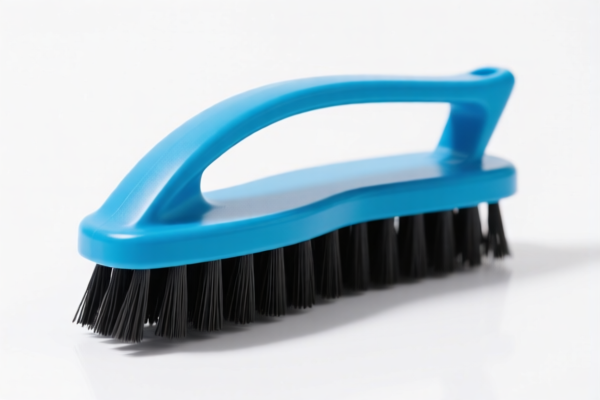
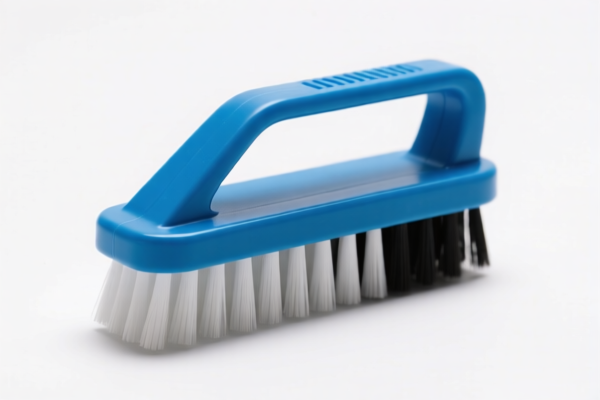
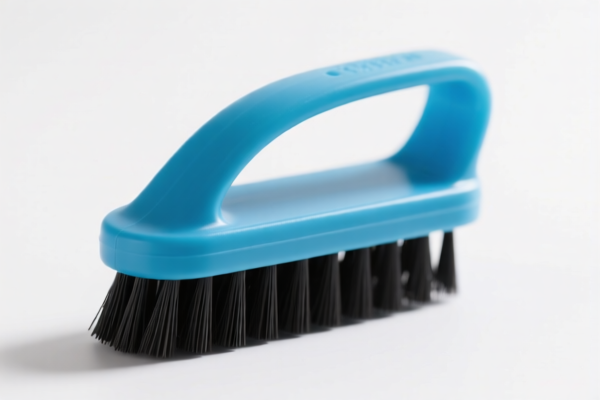
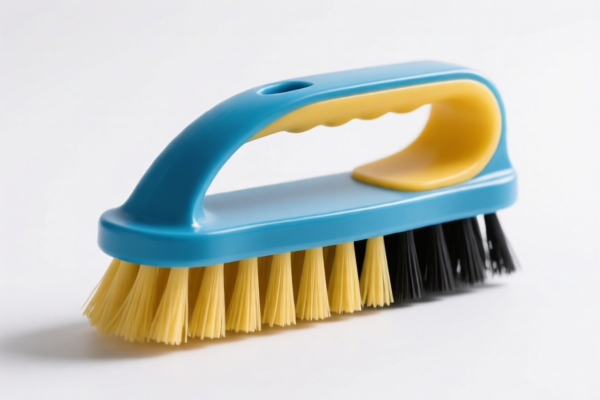
AI Analysis
🚗 Car Brush (Automotive Cleaning Brush)
🌐 HS Code Reference & Customs Clearance Guide | 2026 Latest Tariff Analysis | Professional Clearance Strategy
📌 I. Product Definition & Classification: Do You Really Understand "Car Brushes"?
A "Car Brush" is a general term for cleaning tools used in automotive maintenance. In international trade, its classification depends heavily on its material and specific form. The US Customs and Border Protection (CBP) typically classifies these items based on whether they are primarily viewed as "brushes" (Chapter 96) or "plastic articles" (Chapter 39).
⚠️ Key Distinction Point:
- If classified as a Brush: Falls under Heading 9603. Tax rates vary significantly based on the specific sub-category of brush (e.g., toilet brushes vs. general purpose). - If classified as a Plastic Article: Falls under Heading 3926. This often applies if the brush is primarily identified by its plastic handle/bristles rather than its function as a bristled cleaning tool.
📦 II. HS Code Classification Details (2026 Latest Tariff Authority Comparison)
Based on the provided data, here are the five most likely HS Code classifications for "Car Brush," along with their tax implications.
| HS Code | Product Description & Matching Logic | Total Tax Rate (China Origin) | Tax Breakdown Detail |
|---|---|---|---|
| 9603.50.00.00 | Brushes for Vehicles: Matches the "brushes constituting parts of vehicles" description. Material inferred as bristles/fiber. | 17.5% | Base: 0% Section 301: 7.5% Section 122: 10% |
| 3926.90.35.00 | Other Plastic Articles: Inferred material is plastic handle/bristles (Ch 39-40). Classified as other plastic articles not elsewhere specified. | 16.5% | Base: 6.5% Section 301: 0% Section 122: 10% |
| 3926.90.99.89 | Other Plastic Articles (General): Contains plastic bristles/handle; no specific subheading match for this plastic item. | 22.8% | Base: 5.3% Section 301: 7.5% Section 122: 10% |
| 9603.90.80.50 | Other Brushes: Matches core function "brush." Material inferred as plastic/fiber. Note: High risk of high tax due to base rate. | 70.3% | Base: 2.8% Section 301: 7.5% Section 122: 10% Steel/Al/Cu Add-on: 50% (If applicable components trigger this) |
| 3926.90.99.10 | Other Plastic Articles (Specific): Plastic handle + synthetic fibers. Classified under "Other plastic articles." | 22.8% | Base: 5.3% Section 301: 7.5% Section 122: 10% |
🔍 Critical Reminder:
- HS 9603.50.00.00 and 3926.90.35.00 offer the lowest total tax rates (17.5% and 16.5% respectively). - HS 9603.90.80.50 carries a massive risk of 70.3% if any steel/aluminum/copper components are deemed significant, or simply due to high base rates in certain sub-categories. - The difference between 16.5% and 70.3% is 53.8% of the CIF value! Proper classification is paramount.
💰 III. 2026 Latest Tariff Rate Details (Including Surtaxes & Policy Add-ons)
✅ Applicable Country: United States (US)
✅ Country of Origin: China (CN)
✅ Effective Time: Current rules apply (Section 301 & Section 122)
🎯 1. 9603.50.00.00 — Brushes for Vehicles (Optimal Class A)
| Item | Content |
|---|---|
| Base Rate | 0% |
| Section 301 Surtax | +7.5% |
| Section 122 Surtax | +10% |
| Total Rate | 17.5% |
| Tax Calculation | CIF Value × 17.5% |
| De Minimis Exemption | ❌ Not Eligible (Section 301/122 usually deny de minimis for China) |
| Legal Basis Path | USITC:9603.50.00.00 → FOOTNOTE:301:7.5% → FOOTNOTE:122:10% |
📌 Explanation:
- This classification leverages the "Brush" heading (9603) which often has low base tariffs for specific utility brushes. - 17.5% is a competitive rate for automotive accessories.
🎯 2. 3926.90.35.00 — Other Plastic Articles (Optimal Class B)
| Item | Content |
|---|---|
| Base Rate | 6.5% |
| Section 301 Surtax | 0% |
| Section 122 Surtax | +10% |
| Total Rate | 16.5% |
| Tax Calculation | CIF Value × 16.5% |
| De Minimis Exemption | ❌ Not Eligible |
| Legal Basis Path | USITC:3926.90.35.00 → FOOTNOTE:122:10% |
📌 Note:
- This is the lowest overall rate (16.5%) because it avoids the Section 301 surtax entirely, paying only the Section 122 tax. - Requires convincing customs that the item is primarily a "plastic article" rather than a "brush."
🎯 3. 3926.90.99.89 / .10 — General Plastic Articles
| Item | Content |
|---|---|
| Base Rate | 5.3% |
| Section 301 Surtax | +7.5% |
| Section 122 Surtax | +10% |
| Total Rate | 22.8% |
| Tax Calculation | CIF Value × 22.8% |
📌 Analysis:
- Higher than the first two options. Use only if specific sub-headings 3926.90.35.00 do not fit the physical description.
🎯 4. 9603.90.80.50 — Other Brushes (High Risk!)
| Item | Content |
|---|---|
| Base Rate | 2.8% |
| Section 301 Surtax | +7.5% |
| Section 122 Surtax | +10% |
| Steel/Al/Cu Add-on | +50% (If applicable) |
| Total Rate | 70.3% (or up to 120%+) |
| Tax Calculation | CIF Value × 70.3% (Minimum) |
📌 Warning:
- This rate is prohibitively high. The "Steel, Al, Cu add-on: 50%" note suggests that if the brush has metal components, the tax could skyrocket further. - Avoid this HS Code unless absolutely necessary.
🛠️ IV. Customs Clearance Practical Advice (Battle-Proven Pitfall Avoidance)
✅ 1. Document Checklist (Non-Negotiable)
| Document | Required | Explanation |
|---|---|---|
| ✅ Product Specification Sheet | ✔️ | Detail materials: Handle (Plastic?), Bristles (Synthetic? Natural?). |
| ✅ Product Photos | ✔️ | Show the brush clearly. Is it a "toilet brush" style? A "car wash" brush? |
| ✅ Commercial Invoice | ✔️ | Description: "Car Washing Brush, Plastic Handle, Synthetic Bristles." |
| ✅ Packing List | ✔️ | Ensure weights and quantities match. |
| ✅ Material Composition Proof | ✔️ | Critical for deciding between Ch 96 and Ch 39. |
✅ 2. Declaration Tips (Key Mantra)
🔥 "Material First, Function Second. Plastic Claims, Low Tax Wins."
| Scenario | Correct Declaration | Wrong Practice |
|---|---|---|
| Brush with Plastic Handle & Bristles | 3926.90.35.00 (Plastic Article) | 9603.50.00.00 (Higher risk/effort) |
| Brush with Wooden Handle | 9603.50.00.00 (Brush) | 3926... (Wrong material) |
| Brush with Metal Bristles | Avoid 9603.90.80.50 if possible | Risk of 70.3%+ tax |
| Set (Brush + Bucket) | Classify by Principal Item | Split declaration → Higher total tax |
Strategy: To achieve the 16.5% rate, argue that the product is a "Plastic Molded Article with Cleaning Function" rather than a traditional "Bristled Brush." Emphasize the plastic injection molding process.
✅ 3. Special Situation Handling
| Situation | Handling Advice |
|---|---|
| OEM Custom Brushes | Provide design drawings. If the design is unique, argue for "Other Plastic Articles" (3926) over "Brush" (9603). |
| Natural Bristles | Must use 9603.50.00.00 or similar brush codes. Cannot use 3926. |
| Electric Car Brushes | Likely 8508 (Vacuum parts) or 8543. Do not use brush codes. |
| Brushes with Steel Wire | High risk. Consult expert. May fall under 73.26 (Steel articles) or trigger the 50% surtax. |
🌍 V. Global Market Comparison (2026 Latest)
| Country/Region | Recommended HS Code | Tariff (China Origin) | Certification | Notes |
|---|---|---|---|---|
| 🇺🇸 USA | 3926.90.35.00 |
16.5% (Best) | None | Avoid 9603.90.80.50 due to 70.3% tax. |
| 🇺🇸 USA | 9603.50.00.00 |
17.5% (Good) | None | Safe alternative if plastic argument fails. |
| 🇨🇳 China | 9603.50.00.00 |
~5-10% | None | Import into China has different rules. |
| 🇪🇺 EU | 9603.30 |
0-4% | CE (if electric) | EU classifies brushes more strictly by bristle material. |
📌 Conclusion:
- The US Market requires strategic classification.
- 3926.90.35.00 (16.5%) is the sweet spot for cost-saving.
- 9603.90.80.50 (70.3%) is a trap.
📌 VI. Common Errors & Pitfalls (Blood & Tears Lessons)
❌ Error 1: Declaring all brushes as 9603.50.00.00
👉 Consequence: You pay 17.5%. If you could have declared 3926.90.35.00, you would have paid 16.5%. Small difference, but why leave money on the table?
❌ Error 2: Declaring plastic brushes as 9603.90.80.50
👉 Consequence: Tax jumps to 70.3%. Disaster. This is often a catch-all category with high base rates.
❌ Error 3: Ignoring the "Section 122" tax
👉 Consequence: All China-origin goods are subject to 10% Section 122 tax (if applicable per current policy). Even if Section 301 is 0%, you still pay 10%.
✅ Correct Approach:
"Plastic Car Washing Brush, Synthetic Bristles, Model ABC, for Automotive Use"
Claim: Plastic Article (Ch 39) → HS 3926.90.35.00
🎯 VII. Conclusion: Professional Classification Saves Money!
🎯 Remember the Mantra:
🔹 "Plastic Body, Low Tax (16.5%). Wooden Handle, Medium Tax (17.5%). Mixed Metals, High Tax (70%+)."
🔹 "Check Section 122. Check Section 301. Classify Correctly."
📌 Pro Tip:
If your supplier can confirm that the bristles are synthetic (nylon/polyester) and the handle is plastic, strongly consider 3926.90.35.00.
Request a Pre-Ruling (ISD) from CBP if the shipment value is high, to lock in the 16.5% rate.
📣 Immediate Action:
📞 Contact your customs broker with material specs.
🚀 Optimize for 16.5%. Don't let a 53% tax difference kill your margin!
✨ Professional Clearance Starts with Precise Classification!
💼 Every percentage point saved is pure profit!
Customer Reviews
About HS Code Classification
The Harmonized System (HS) is an internationally standardized nomenclature developed by the World Customs Organization (WCO) to classify traded products. Over 200 countries use the HS system as the basis for customs tariffs, trade statistics, and import/export regulations.
Each HS code follows a hierarchical structure:
- Chapter (2 digits) — Broad category of goods (e.g., Chapter 84: Machinery and Mechanical Appliances)
- Heading (4 digits) — More specific grouping within the chapter
- Subheading (6 digits) — Internationally standardized breakdown, used by all WCO member countries
- National subdivisions (8-10 digits) — Country-specific extensions for further classification, such as US HTSUS 10-digit codes
Correct HS code classification is essential for smooth customs clearance, accurate duty payment, and compliance with trade regulations. Misclassification can lead to customs delays, overpayment of duties, or penalties.
When importing from CN to US, the applicable tariff rates may include:
- Most-Favored-Nation (MFN) rate — The standard duty rate applied to WTO members
- General rate — Applied to countries without trade agreements
- Trade remedy duties — Additional tariffs such as Section 301 (anti-dumping), Section 232 (national security), or countervailing duties
The information provided on this page is for reference purposes only. For official classification, please consult with your local customs authority or a licensed customs broker.