Car Charger
CN → US| HS Code | Tariff Rate | Origin | Destination | Doc |
|---|---|---|---|---|
| 8543709860 | 37.6% | CN | US | Official Doc |
| 8543706000 | 35.0% | CN | US | Official Doc |
| 8504409550 | 35.0% | CN | US | Official Doc |
| 8504404000 | 35.0% | CN | US | Official Doc |
| 8504409540 | 35.0% | CN | US | Official Doc |
Product Images
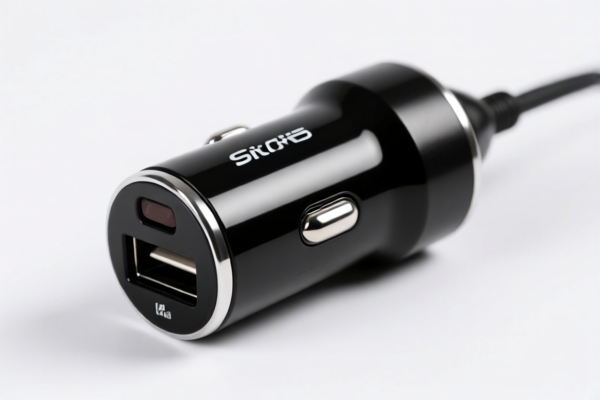
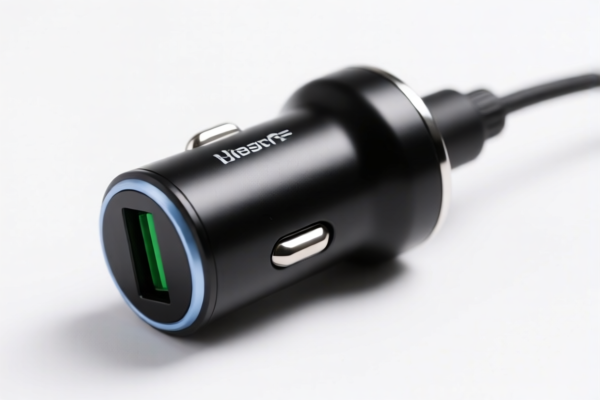
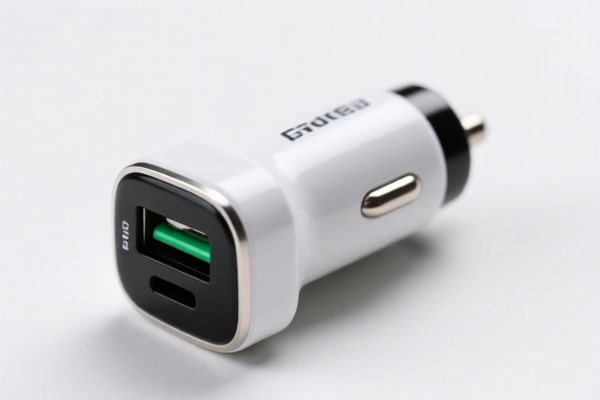
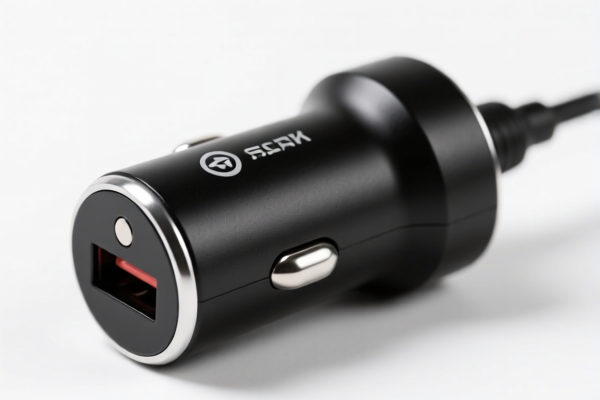
AI Analysis
🔌 Car Charger (Automobile Battery Chargers & Cigarette Lighter Adapters)
🌐 HS Code Reference & Customs Clearance Guide | 2024-2025 Latest Tariff Analysis | Professional Transit Strategy
📌 One Product, Five Classifications: The "Charger" Ambiguity
A "Car Charger" is a generic term that covers everything from a simple USB adapter plugged into a 12V socket to complex intelligent battery management systems for Electric Vehicles (EVs). In international trade, how you define the "function" and "internal structure" dictates the HS Code, and consequently, the tariff burden.
⚠️ Critical Distinction:
- Is it a passive converter (just stepping down voltage)? → Higher chance of being classified under 8504.
- Is it an active intelligent system (with software, communication protocols, battery charging logic)? → Higher chance of being classified under 8543 or 8504.40.
- Material & Packaging: Metal/Plastic composite housing vs. pure electronic circuit board affects classification in 8543.70.
📦 II. HS Code Classification Details (Based on Provided Data)
| HS Code | Product Description (Summary) | Key Characteristics | Category |
|---|---|---|---|
| 8543.70.98.60 | Automobile battery charger, independent functional electrical apparatus. | Material: Electronic components + Metal/Plastic housing. Classified as "Other machines & apparatus." | Independent Apparatus |
| 8543.70.60.00 | Automobile battery charger, electrical appliance for connecting specific equipment. | Material: Metal & Plastic components. Classified as "Other machines & apparatus." | Specific Connection |
| 8504.40.95.50 | Automobile battery charger, Rectifier unit. | Material: Electronic components + Metal housing. Classified as "Other Rectifiers." | Rectifier |
| 8504.40.40.00 | EV Charger, Static Converter. | Function: Power conversion/control. Classified under converters for motor speed drivers. | Static Converter |
| 8504.40.95.40 | Car Charger (Cigarette Lighter Adapter), Power Supply. | Function: Convert vehicle voltage to device voltage. Classified as "Other Power Supplies." | Power Supply |
🔍 Key Insight:
- 8543 codes imply a "machine" with independent function or specific connection needs.
- 8504 codes focus on the electrical process (Rectification or Voltage Conversion).
- The distinction often lies in whether the device is seen as a standalone charging system (8543) or a simple voltage converter/power source (8504).
💰 III. 2024-2025 Tariff Rate Breakdown (Detailed Tax Clauses)
✅ Applicable Country: United States (US)
✅ Origin: China (CN)
✅ Effective Date: Current Trade War Measures (Section 301 & IEEPA)
🎯 1. Code: 8543.70.98.60 (Independent Apparatus)
| Item | Detail |
|---|---|
| Base Tariff | 2.6% (Ad Valorem) |
| Section 301 / Additional Tariff | +25.0% |
| Section 122 Tariff | +10.0% |
| Total Effective Rate | 37.6% |
| Tax Calculation | CIF Value × 37.6% |
| De Minimis Exemption? | ❌ No (High risk of seizure or back-tariff assessment) |
| Legal Basis | Standard HTSUS base rate + Trade Act Section 301 duties + IEEPA Section 122 provisions. |
📌 Explanation:
- This classification attracts the highest total tax (37.6%) due to the combination of base duty, 301 tariffs, and 122 penalties.
- The "122 Tariff" refers to specific punitive measures against Chinese goods, adding an extra 10% on top of the standard 301 rate.
🎯 2. Code: 8543.70.60.00 (Specific Connection Apparatus)
| Item | Detail |
|---|---|
| Base Tariff | 0.0% |
| Section 301 / Additional Tariff | +25.0% |
| Section 122 Tariff | +10.0% |
| Total Effective Rate | 35.0% |
| Tax Calculation | CIF Value × 35.0% |
| De Minimis Exemption? | ❌ No |
| Legal Basis | HTSUS Base 0% + Section 301 + IEEPA Section 122. |
📌 Explanation:
- While the base tariff is 0%, the Section 301 (25%) and 122 (10%) tariffs still apply, resulting in a 35.0% total rate.
- This is slightly cheaper than8543.70.98.60but still punitive.
🎯 3. Code: 8504.40.95.50 (Other Rectifiers)
| Item | Detail |
|---|---|
| Base Tariff | 0.0% |
| Section 301 / Additional Tariff | +25.0% |
| Section 122 Tariff | +10.0% |
| Total Effective Rate | 35.0% |
| Tax Calculation | CIF Value × 35.0% |
| De Minimis Exemption? | ❌ No |
| Legal Basis | HTSUS Base 0% + Section 301 + IEEPA Section 122. |
📌 Explanation:
- Classified as a Rectifier (AC to DC converter).
- Same tax burden as8543.70.60.00(35.0%).
🎯 4. Code: 8504.40.40.00 (Static Converter / EV Charger)
| Item | Detail |
|---|---|
| Base Tariff | 0.0% |
| Section 301 / Additional Tariff | +25.0% |
| Section 122 Tariff | +10.0% |
| Total Effective Rate | 35.0% |
| Tax Calculation | CIF Value × 35.0% |
| De Minimis Exemption? | ❌ No |
| Legal Basis | HTSUS Base 0% + Section 301 + IEEPA Section 122. |
📌 Explanation:
- Specifically for EV Chargers or static converters.
- Total rate: 35.0%.
🎯 5. Code: 8504.40.95.40 (Other Power Supplies / Cigarette Lighter Adapters)
| Item | Detail |
|---|---|
| Base Tariff | 0.0% |
| Section 301 / Additional Tariff | +25.0% |
| Section 122 Tariff | +10.0% |
| Total Effective Rate | 35.0% |
| Tax Calculation | CIF Value × 35.0% |
| De Minimis Exemption? | ❌ No |
| Legal Basis | HTSUS Base 0% + Section 301 + IEEPA Section 122. |
📌 Explanation:
- This is the most common classification for standard car phone chargers (12V to 5V/9V USB adapters).
- Total rate: 35.0%.
🛠️ IV. Customs Clearance Practical Advice (Avoid Pitfalls)
✅ 1. Documentation Checklist (Non-Negotiable)
| Document | Required? | Notes |
|---|---|---|
| Product Spec Sheet | ✅ | Must detail Input (12V/24V DC) → Output (5V/12V DC), Power (Watts/Amps). |
| Circuit Diagram | ✅ | Crucial for distinguishing between Rectifier (8504) and Independent Machine (8543). |
| Product Photos | ✅ | Show ports, labels, model number, and material composition (Metal/Plastic). |
| Third-Party Test Report | ✅ | FCC (USA), CE (EU), RoHS. Essential for electronic imports. |
| Commercial Invoice | ✅ | Description must be precise: "Car Battery Charger, Model XYZ, DC-DC Converter" NOT just "Charger". |
| Bill of Lading / Air Waybill | ✅ | Standard shipping docs. |
✅ 2. Declaration Strategy (The "Keyword" Game)
🔥 "Define Function, Not Just Name!"
| Scenario | Recommended HS Code | Why? | Risk if Wrong |
|---|---|---|---|
| Simple USB Adapter | 8504.40.95.40 |
Pure voltage conversion, no smart battery management. | Misclassified as "Machine" (8543) → Higher scrutiny. |
| Smart EV Charger | 8504.40.40.00 |
Has communication protocols, active control. | Misclassified as simple adapter → Under-declaration. |
| Complex Battery Maintainer | 8543.70.98.60 |
Has microprocessor, charging algorithms, independent function. | Misclassified as rectifier → Incorrect tax base. |
| Kit with Battery + Charger | 8543.70.98.60 |
The charger is the dominant function. | Split declaration → Seizure for fragmentation. |
✅ 3. Special Circumstances
| Situation | Advice |
|---|---|
| De Minimis ($800) Exemption? | ❌ DANGEROUS. With 25-37% tariffs, using $800 exemption for high-volume commercial shipments is highly risky. CBP may audit and back-assess duties + penalties. |
| Origin Labeling | Must clearly state "Made in China" on product and packaging. Failure = Penalty + Return. |
| FCC Compliance | Electronic devices emitting radio frequencies (or susceptible to them) MUST have FCC ID. No FCC ID = 100% Inspection Rate. |
🌍 V. Global Market Comparison (Quick Reference)
| Market | Typical HS Code | Est. Total Tax (China Origin) | Key Certification |
|---|---|---|---|
| 🇺🇸 USA | 8504.40.95.40 / 8543.70.98.60 | 35% - 37.6% | FCC, UL |
| 🇪🇺 EU | 8504.40.95.40 | ~4% + VAT | CE, RoHS, REACH |
| 🇨🇳 China | 8504.40.95.40 | ~0% - 10% | CCC |
| 🇬🇧 UK | 8504.40.95.40 | ~4% + VAT | UKCA, CE |
| 🇯🇵 Japan | 8504.40.95.40 | ~0% - 2% | PSE, TELEC |
📌 Conclusion:
- USA is the most expensive market due to Section 301 and 122 tariffs.
- EU/UK/Japan are more cost-effective but have strict safety/environmental certifications.
📌 VI. Common Mistakes & Blood-Curdling Lessons
❌ Mistake 1: Calling it "Power Bank" when it's a "Car Charger"
👉 Result: Wrong HS Code (8507 vs 8504) → Customs Delay + Rejection.
❌ Mistake 2: Ignoring "Section 122" Tariffs
👉 Result: You think 25% is the max, but 122 adds another 10% → Unexpected 35-37.6% cost.
❌ Mistake 3: Using De Minimis ($800) for Bulk Commercial Goods
👉 Result: CBP flags "suspicious volume" → Seizure, Fines, and Loss of Import Privileges.
❌ Mistake 4: No FCC ID on Packaging
👉 Result: 100% Inspection → Shipment held at port for weeks.
✅ Correct Approach:
"DC-DC Car Charger Adapter, 12V to 5V/3.1A, Model ABC, FCC ID: XYZ123, Made in China, HS Code: 8504.40.95.40"
🎯 VII. Conclusion: Precision Pays Off
🎯 Remember the Golden Rule:
🔹 "Function Defines Code, Code Defines Tax."
🔹 "35% or 37.6%? It depends on your description."
🔹 "No FCC? No Entry."
📌 Pro Tip:
If you are exporting to the USA, consider Supply Chain Diversification (Vietnam, Mexico, Thailand) to avoid Section 301/122 tariffs.
For non-US markets, focus on CE/UKCA/PSE compliance to avoid technical barriers.
📣 Immediate Action:
📞 Get Pre-Ruling: Submit product specs to your customs broker for an Advance Ruling.
🚀 Certify Early: Start FCC/CE testing before mass production.
💼 Declare Accurately: Never just write "Charger." Write "DC-DC Converter, Car Adapter, Model XYZ."
✨ Professional Clearance, From Accurate Classification Onward!
💼 Every Percentage Point of Tax is a Piece of Your Profit!
Customer Reviews
About HS Code Classification
The Harmonized System (HS) is an internationally standardized nomenclature developed by the World Customs Organization (WCO) to classify traded products. Over 200 countries use the HS system as the basis for customs tariffs, trade statistics, and import/export regulations.
Each HS code follows a hierarchical structure:
- Chapter (2 digits) — Broad category of goods (e.g., Chapter 84: Machinery and Mechanical Appliances)
- Heading (4 digits) — More specific grouping within the chapter
- Subheading (6 digits) — Internationally standardized breakdown, used by all WCO member countries
- National subdivisions (8-10 digits) — Country-specific extensions for further classification, such as US HTSUS 10-digit codes
Correct HS code classification is essential for smooth customs clearance, accurate duty payment, and compliance with trade regulations. Misclassification can lead to customs delays, overpayment of duties, or penalties.
When importing from CN to US, the applicable tariff rates may include:
- Most-Favored-Nation (MFN) rate — The standard duty rate applied to WTO members
- General rate — Applied to countries without trade agreements
- Trade remedy duties — Additional tariffs such as Section 301 (anti-dumping), Section 232 (national security), or countervailing duties
The information provided on this page is for reference purposes only. For official classification, please consult with your local customs authority or a licensed customs broker.