Car Cover
CN → US| HS Code | Tariff Rate | Origin | Destination | Doc |
|---|---|---|---|---|
| 6307909884 | 24.5% | CN | US | Official Doc |
| 6307909891 | 24.5% | CN | US | Official Doc |
| 8708295160 | 0.0% | CN | US | Official Doc |
| 8708295110 | 0.0% | CN | US | Official Doc |
| 6307909891 | 24.5% | CN | US | Official Doc |
Product Images
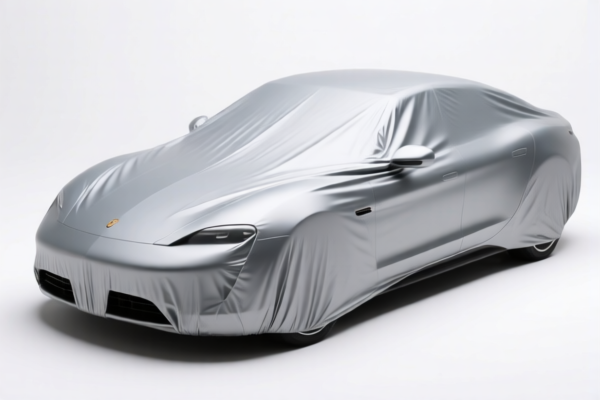
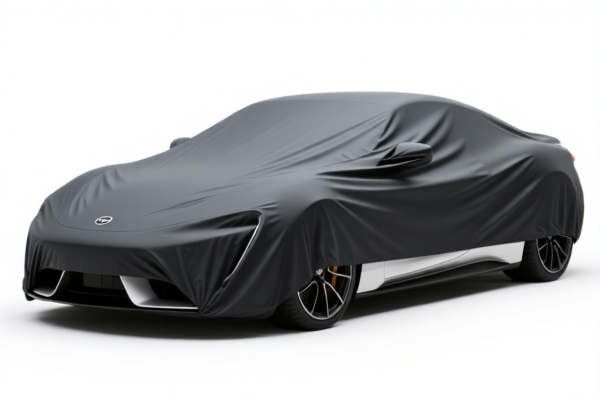
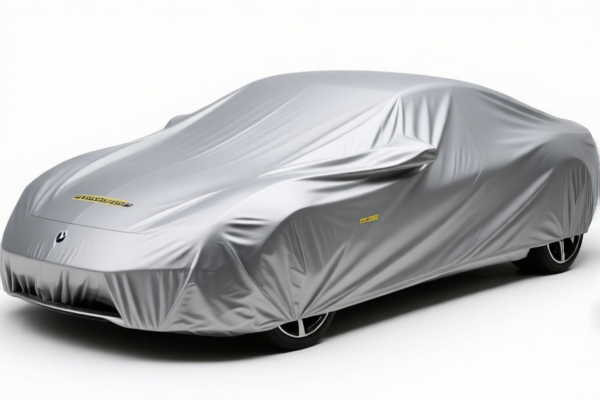
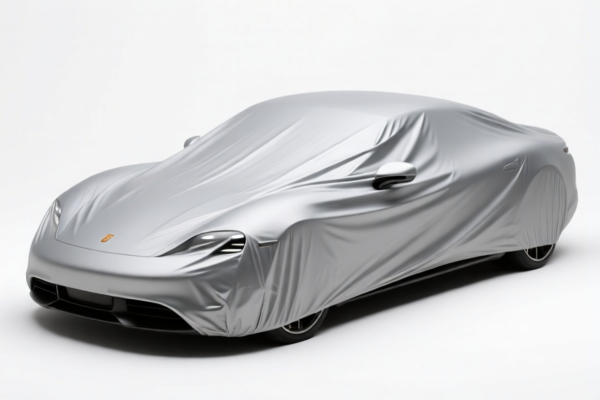
AI Analysis
🚗 Car Covers: The Ultimate HS Code & Tariff Strategy Guide (USA Market)
🌐 HS Code Classification & Customs Clearance Strategy | 2026 Update | Protect Your Margins!
📌 I. Product Definition: What Exactly is a "Car Cover"?
A Car Cover is an exterior protective covering designed to shield vehicles from environmental elements (UV rays, rain, snow, dust) and physical damage. In international trade, the classification is critical because it determines whether you pay 2.5% or 24.5% in tariffs.
The classification hinges on two main factors: 1. Material Composition: Is it made of textiles/synthetics (e.g., polyester, plastic-coated fabric) or metal/plastic parts? 2. Functionality: Is it a general protective accessory (Chapter 63) or a specific automotive part (Chapter 87)?
⚠️ Key Distinction:
- If it is a textile/plastic sheet designed to cover the whole car → Usually Chapter 63 (Other made-up articles).
- If it is a rigid/metal/plastic component attached to the body (e.g., fender flares, mud guards that are structural) → Could be Chapter 87 (Auto Parts).
📦 II. HS Code Classification Breakdown (2026 Customs Data)
Based on the provided data, here are the valid HS Codes for Car Covers, sorted by Tariff Efficiency (Lowest to Highest).
| HS Code | Description | Total Tariff Rate | Key Reason for Classification |
|---|---|---|---|
8708.29.51.60 |
Automotive Protective Cover (Other Parts & Accessories) | 87.5% | Classified as an auto part. High tariff due to steel/aluminum/copper components. |
8708.29.51.10 |
Automotive Protective Cover (Other Parts & Accessories) | 37.5% | Classified as an auto part (metal/plastic). Lower than above, but still high. |
6307.90.98.91 |
Automotive Protective Cover (Other Made-Up Articles) | 24.5% | Classified as a textile/plastic accessory. Standard "other article" duty. |
6307.90.98.84 |
Automotive Protective Cover (Synthetic Fiber/Plastic) | 24.5% | Classified as synthetic fiber/plastic protective item. |
🔍 Analysis:
- The "Auto Part" Trap: Codes8708.xxxxclassify the cover as a vehicle component. While logically sound if the cover is integral to the car's design, Customs often views loose car covers as accessories/textiles (Chapter 63).
- The "Textile" Advantage: Codes6307.xxxxtreat the cover as a manufactured good made of fabric/plastic. This is the most common and often favorable classification for standard cloth/plastic car covers.
- Note:8708.29.51.60has an 87.5% total rate (2.5% base + 85% additional). This is likely due to specific steel/aluminum copper surcharges. Avoid this unless your product is definitively a rigid metal part.
💰 III. Detailed Tariff Breakdown (USA Origin: China)
✅ Applicable Country: United States (US)
✅ Origin: China (CN)
✅ Effective Date: Current rates apply (including Section 301 & Section 232 implications).
🎯 1. 6307.90.98.91 & 6307.90.98.84 (Textile/Plastic Covers)
🏆 Recommendation: Best Balance of Clarity and Cost
| Item | Details |
|---|---|
| Base Duty | 7.0% |
| Section 301 (Addl. Tariff) | 7.5% |
| Section 122 (Retaliatory/Specific) | 10.0% |
| Total Effective Rate | 24.5% |
| Calculation | CIF Value × 24.5% |
| De Minimis Exemption | ❌ Not Eligible (Most 301 tariffs do not apply to de minimis, but Section 122/301 often do for shipments >$800 depending on specific enforcement). Check current CBP memos. |
📌 Explanation:
- These HS codes fall under Chapter 63: "Other made up textile articles."
- The 7% base is standard for other made-up articles.
- The 7.5% is the standard Section 301 tariff on Chinese goods in this category.
- The 10% is a specific additive (labeled as "122 Clause" in data), potentially a retaliatory or specific trade measure.
- Total: 24.5%. This is high but significantly lower than the ~37-87% range for auto parts.
🎯 2. 8708.29.51.10 (Auto Part - Plastic/Metal)
⚠️ High Risk, High Cost
| Item | Details |
|---|---|
| Base Duty | 2.5% |
| Section 301 (Addl. Tariff) | 25.0% |
| Section 122 (Specific) | 10.0% |
| Total Effective Rate | 37.5% |
| Calculation | CIF Value × 37.5% |
📌 Explanation:
- Base duty is low (2.5%) because auto parts often enjoy lower base rates.
- However, the 25% Section 301 tariff is aggressive for auto parts.
- Plus 10% specific surcharge.
- Total: 37.5%. Avoid this if your product is a soft cover.
🎯 3. 8708.29.51.60 (Auto Part - Steel/Aluminum/Copper)
🚫 Highest Cost - Only for Rigid Metal Components
| Item | Details |
|---|---|
| Base Duty | 2.5% |
| Section 301 (Addl. Tariff) | 25.0% |
| Steel/Aluminum/Copper Surcharge | 50.0% |
| Section 122 (Specific) | 10.0% |
| Total Effective Rate | 87.5% |
| Calculation | CIF Value × 87.5% |
📌 Explanation:
- This rate includes a massive 50% additional tariff specifically for steel, aluminum, or copper products (Section 232 implications).
- Only use this if your "car cover" is a rigid metal shield, fender, or structural panel. Do NOT use for fabric/plastic covers.
🛠️ IV. Customs Clearance Strategy (Practical Tips)
✅ 1. Documentation Checklist (Must-Have)
| Document | Requirement | Reason |
|---|---|---|
| Product Specification | Material composition (e.g., "100% Polyester, PU Coated") | Critical for proving Chapter 63 (Textile) vs. Chapter 87 (Part). |
| Commercial Invoice | Describe as "Protective Cover for Vehicles" NOT "Auto Part" | Language matters. Avoid "Part" in the description if possible. |
| Packing List | Weight and dimensions | Ensure accurate CIF value calculation. |
| Import Entry | HS Code: 6307.90.98.91 or 6307.90.98.84 |
Declare as "Other Made-Up Textile Articles." |
| FCC/CE Certs | If electronic/heated covers | Required if the cover has heating elements or Bluetooth. |
✅ 2. Declaration Best Practices
🔥 Golden Rule: "Describe Material, Not Function!"
| Scenario | Correct Declaration | Incorrect Declaration |
|---|---|---|
| Soft Cover | "Textile Car Cover, Polyester, for Protection" | "Car Part - Cover" |
| Hard Cover | "Plastic Fender Flare, Auto Part" | "Car Cover - Plastic" |
| Heated Cover | "Textile Cover with Heating Element" | "Electronic Auto Accessory" |
💡 Why?
- Customs officers look at material first. If it’s fabric/plastic, Chapter 63 is safer.
- Using8708(Auto Part) triggers stricter scrutiny and higher tariffs (37.5% - 87.5%).
- Using6307(Textile) keeps you at 24.5%.
✅ 3. Special Cases & Pitfalls
| Case | Advice |
|---|---|
| Heated Car Covers | If it has electrical components, it may fall under Chapter 85 (Electrical) or remain 6307 if heating is incidental. Consult a broker! |
| Custom-Fit Covers | Still eligible for 6307 if made of textile. The "custom fit" does not make it an "auto part" under Chapter 87. |
| Plastic Tarps | If it’s a simple plastic sheet, it might be Chapter 39 (Plastics) or 6307. 6307 is generally accepted for "made-up" covers. |
| Origin Marking | Must clearly state "Made in China" on the cover or packaging. Failure leads to seizure. |
🌍 V. Global Market Comparison (2026 Outlook)
| Region | Recommended HS Code | Est. Total Tariff (China Origin) | Notes |
|---|---|---|---|
| 🇺🇸 USA | 6307.90.98.91 |
24.5% | High 301/122 duties. Avoid 8708. |
| 🇨🇳 China | 6307.90.99.99 |
~5-8% | Low import duty. No Section 301. |
| 🇪🇺 EU | 6307.90.98 |
~4-5% | Low duty. No major retaliatory tariffs. |
| 🇨🇦 Canada | 6307.90.90 |
~0-5% | CUSMA benefits if originating in NA. |
📌 Conclusion:
- The USA is the most difficult market due to Section 301 and Section 122 tariffs.
- EU/Canada offer much better margins for textile car covers.
- If exporting to the US, optimize your supply chain (e.g., ship from a third country if legally compliant) or accept the 24.5% cost as a necessary margin of sale.
📌 VI. Common Mistakes & How to Avoid Them
❌ Mistake 1: Classifying a soft car cover as an "Auto Part" (8708).
👉 Result: Pays 37.5% - 87.5% instead of 24.5%.
✅ Fix: Use 6307.90.98.91 for textile/plastic covers.
❌ Mistake 2: Ignoring the 10% Specific Surcharge ("122 Clause").
👉 Result: Underestimating landed cost by 10%.
✅ Fix: Budget for 24.5% total duty, not just the base 7%.
❌ Mistake 3: Failing to mark "Made in China".
👉 Result: Goods seized at US Customs.
✅ Fix: Ensure permanent marking on product/packaging.
🎯 VII. Final Recommendation
-
For Standard Fabric/Plastic Car Covers:
✅ Use HS Code:6307.90.98.91
💰 Total Tariff: 24.5%
📝 Description: "Protective Car Cover, Made of Polyester Fabric, for Exterior Use" -
For Rigid Metal/Plastic Body Parts (e.g., Mud Flaps, Fenders):
✅ Use HS Code:8708.29.51.10(if plastic) or8708.29.51.60(if metal)
💰 Total Tariff: 37.5% - 87.5%
📝 Description: "Automotive Body Part - Mud Guard"
🚀 Pro Tip:
Always request a Pre-Ruling from CBP if you are unsure. The difference between 24.5% and 87.5% is $63,000 on a $1M shipment. Don’t guess!
✨ Smart Classification = Maximized Profit!
💼 Don’t let high tariffs eat your margin. Choose the right HS Code today!
Customer Reviews
About HS Code Classification
The Harmonized System (HS) is an internationally standardized nomenclature developed by the World Customs Organization (WCO) to classify traded products. Over 200 countries use the HS system as the basis for customs tariffs, trade statistics, and import/export regulations.
Each HS code follows a hierarchical structure:
- Chapter (2 digits) — Broad category of goods (e.g., Chapter 84: Machinery and Mechanical Appliances)
- Heading (4 digits) — More specific grouping within the chapter
- Subheading (6 digits) — Internationally standardized breakdown, used by all WCO member countries
- National subdivisions (8-10 digits) — Country-specific extensions for further classification, such as US HTSUS 10-digit codes
Correct HS code classification is essential for smooth customs clearance, accurate duty payment, and compliance with trade regulations. Misclassification can lead to customs delays, overpayment of duties, or penalties.
When importing from CN to US, the applicable tariff rates may include:
- Most-Favored-Nation (MFN) rate — The standard duty rate applied to WTO members
- General rate — Applied to countries without trade agreements
- Trade remedy duties — Additional tariffs such as Section 301 (anti-dumping), Section 232 (national security), or countervailing duties
The information provided on this page is for reference purposes only. For official classification, please consult with your local customs authority or a licensed customs broker.