Car Curtain
CN → US| HS Code | Tariff Rate | Origin | Destination | Doc |
|---|---|---|---|---|
| 6303192110 | 16.4% | CN | US | Official Doc |
| 6303922010 | 21.3% | CN | US | Official Doc |
| 6303922030 | 28.8% | CN | US | Official Doc |
| 5903102090 | 35.0% | CN | US | Official Doc |
| 6303922010 | 21.3% | CN | US | Official Doc |
Product Images
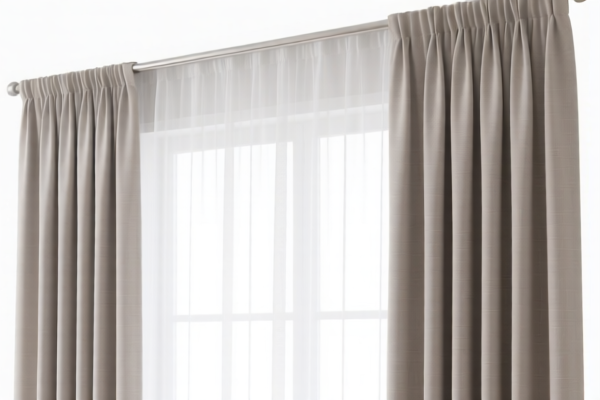
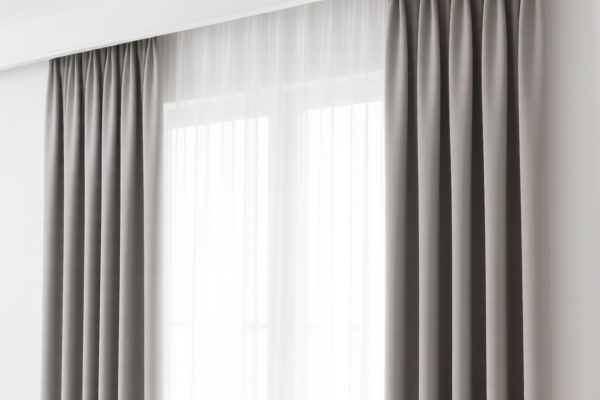
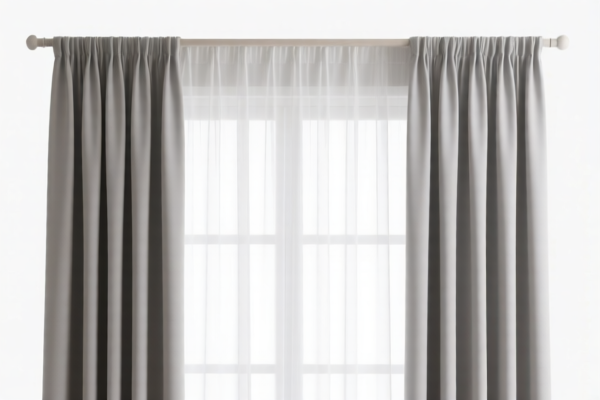
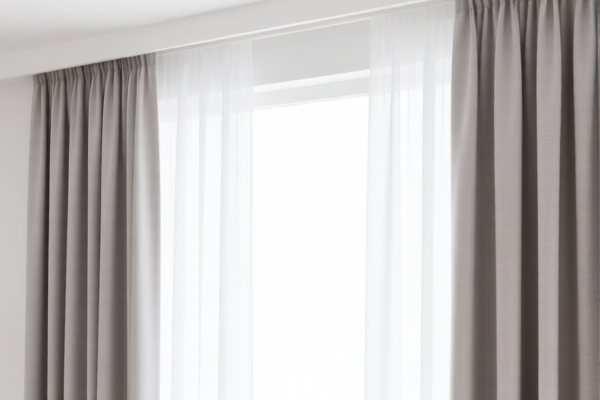
AI Analysis
🚗 Car Curtain (Automotive Privacy Curtains & Dividers)
🌐 HS Code Reference & Customs Clearance Guide | 2026 Latest Tariff Analysis | Professional Clearance Strategy
📌 Part I: Product Definition & Classification: Do You Really Understand "Car Curtains"?
Car curtains, also known as automotive privacy screens, partition curtains, or sunshades, are interior accessories used in vehicles (sedans, SUVs, vans, RVs) to provide privacy, block sunlight, and reduce heat.
In international trade, they are classified based on material composition and manufacturing method (knitted, woven, or coated). This distinction is critical because it drastically affects the tariff rate, especially under current US trade policies.
⚠️ Key Distinction Points:
- Knitted/Garnetted Fabric: Soft, stretchable fabrics (often polyester/nylon blends) → Typically fall under 6303.
- Plastic-Coated/Impregnated Fabric: If the fabric is heavily coated with PVC or other plastics to make it waterproof/opaque → May fall under 5903.
- Specific Use: While "Car Curtain" is the common name, customs looks at the material. If it’s purely textile without significant plastic coating, it’s usually 6303. If it’s a plastic sheet attached to fabric, it might be 5903.
📦 Part II: HS Code Classification Details (2026 Latest Tariff Authority Comparison)
| HS Code | Product Description | Application Scenario | Material/Feature |
|--------|----------|--------------------------|
| 6303.19.21.10 | Curtains (incl. drapes) and interior blinds, knitted or crocheted | General vehicle window curtains, soft fabric partitions | Knitted/Crocheted |
| 6303.92.20.10 | Other curtains and interior blinds; parts: Of synthetic fibers | Synthetic fiber car curtains (standard polyester/nylon), vehicle dividers | Synthetic Fiber, Woven/Non-knitted |
| 6303.92.20.30 | Other curtains and interior blinds; parts: Of synthetic fibers | Automotive partition curtains (specific subclass for synthetic) | Synthetic Fiber, Specific Use |
| 5903.10.20.90 | Textile fabrics impregnated, coated, covered or laminated with plastics: With polyvinyl chloride (PVC) | Curtains with heavy PVC coating for waterproofing/opacity | PVC Coated/Laminated |
🔍 Critical Reminder:
-6303.19.21.10is for knitted curtains. If your product is stretchy, jersey-like, or mesh, use this.
-6303.92.20.10and6303.92.20.30are for non-knitted synthetic fiber curtains (e.g., woven polyester).
-5903.10.20.90is for fabrics where plastic coating is the essential character. If the fabric is primarily textile with a light coating, stick to 6303. If it’s essentially a plastic sheet with a fabric backing, consider 5903.
💰 Part III: 2026 Latest Tariff Rate Breakdown (Including Surcharges, Policy Add-ons)
✅ Applicable Country: United States (US)
✅ Origin: China (CN)
✅ Effective Time: From November 10, 2025 (including subsequent imports)
🎯 1. 6303.19.21.10 —— Knitted or Crocheted Curtains
| Item | Details |
|---|---|
| Base Tariff | 6.4% |
| Section 301 Tariff | 0.0% (No additional 25% Section 301 tariff listed in data) |
| Section 122 Tariff | +10% |
| Total Tariff Rate | 16.4% |
| Tax Calculation | CIF Value × 16.4% |
| De Minimis Eligibility | ❌ No (High tariff rates usually disqualify de minimis, though specific thresholds apply) |
| Legal Basis Path | HTSUS 6303.19.21.10 + Section 122 Surcharge |
📌 Explanation:
- This is the most favorable rate among the options provided.
- It applies only if the curtain is knitted or crocheted.
- No Section 301 (25%) surcharge is applied here, only the 122条款 (10%) surcharge.
- Total: 16.4%.
🎯 2. 6303.92.20.10 —— Other Curtains (Synthetic Fiber) / Vehicle Dividers
| Item | Details |
|---|---|
| Base Tariff | 11.3% |
| Section 301 Tariff | 0.0% |
| Section 122 Tariff | +10% |
| Total Tariff Rate | 21.3% |
| Tax Calculation | CIF Value × 21.3% |
| De Minimis Eligibility | ❌ No |
| Legal Basis Path | HTSUS 6303.92.20.10 + Section 122 Surcharge |
📌 Explanation:
- This code covers synthetic fiber curtains that are not knitted (e.g., woven polyester).
- Also used for vehicle partition curtains made of synthetic fibers.
- No Section 301 (25%) surcharge, only 122条款 (10%).
- Total: 21.3%. Higher than knitted curtains due to base tariff difference.
🎯 3. 6303.92.20.30 —— Automotive Partition Curtains (Synthetic Fiber)
| Item | Details |
|---|---|
| Base Tariff | 11.3% |
| Section 301 Tariff | +7.5% (Specific surcharge for this subclass) |
| Section 122 Tariff | +10% |
| Total Tariff Rate | 28.8% |
| Tax Calculation | CIF Value × 28.8% |
| De Minimis Eligibility | ❌ No |
| Legal Basis Path | HTSUS 6303.92.20.30 + Section 301 + Section 122 |
📌 Explanation:
- Specifically for automotive partition curtains made of synthetic fibers.
- Includes a 7.5% additional surcharge (possibly linked to specific trade remedies or subclass penalties).
- Plus 10% Section 122.
- Total: 28.8%. Significantly higher than general synthetic curtains.
🎯 4. 5903.10.20.90 —— PVC-Coated Textile Fabrics
| Item | Details |
|---|---|
| Base Tariff | 0.0% |
| Section 301 Tariff | +25.0% |
| Section 122 Tariff | +10% |
| Total Tariff Rate | 35.0% |
| Tax Calculation | CIF Value × 35.0% |
| De Minimis Eligibility | ❌ No |
| Legal Basis Path | HTSUS 5903.10.20.90 + Section 301 + Section 122 |
📌 Explanation:
- Applies if the car curtain is considered PVC-coated/laminated fabric.
- Although the base tariff is 0%, it is hit with the full 25% Section 301 tariff plus 10% Section 122.
- Total: 35.0%. Highest rate among all options.
- Risk: High. If misclassified (e.g., a knitted curtain declared as PVC-coated), you pay 35% instead of 16.4%.
🛠️ Part IV: Customs Clearance Practical Advice (Battle-Tested Pitfall Guide)
✅ 1. Preparation Checklist (Non-Negotiable)
| Document | Required | Notes |
|---|---|---|
| ✅ Product Specification Sheet | ✔️ | Must detail: Material (100% Polyester? Cotton blend?), Construction (Knitted vs. Woven), Coating (PVC? None?) |
| ✅ Technical Drawing/Photo | ✔️ | Show texture: Is it stretchy (knitted) or rigid (woven/coated)? |
| ✅ Commercial Invoice | ✔️ | Clearly state: "Car Interior Curtain, Synthetic Fiber, Knitted/Woven, No PVC Coating" (if true) |
| ✅ Origin Certificate | ✔️ | Crucial for Section 122 & 301 calculations |
| ✅ Packing List | ✔️ | Ensure items are not split unnecessarily |
✅ 2. Declaration Strategy (Key Mantras)
🔥 "Material Defines Code, Knitted is Cheapest, PVC is Expensive!"
| Scenario | Correct HS Code | Incorrect Practice | Result |
|---|---|---|---|
| Soft, stretchy, knitted fabric | 6303.19.21.10 |
Declaring as "Other Curtain" (6303.92.20.10) |
Pay 21.3% instead of 16.4% (Overpay) |
| Woven synthetic fabric (no coating) | 6303.92.20.10 |
Declaring as PVC-coated (5903.10.20.90) |
Pay 35% instead of 21.3% (Major Overpay) |
| Vehicle Partition (Synthetic) | 6303.92.20.30 |
Declaring as general curtain | Pay 28.8% instead of 21.3% (Overpay) |
| Heavy PVC-coated fabric | 5903.10.20.90 |
Declaring as regular curtain | Risk of Misclassification Penalty + 35% Tax |
✅ 3. Special Cases & Tips
| Case | Handling Advice |
|---|---|
| Mixed Materials | If fabric is 50% cotton, 50% polyester, and knitted → Likely still 6303.19.21.10 if knitting is dominant. Consult HTS notes. |
| With Elastic/Tabs | Do NOT declare elastic separately. It’s an accessory. Declare as complete curtain. |
| "Automotive" Labeling | Avoid saying "Automotive Curtain" if it can be used elsewhere. General "Window Curtain" may help argue for 6303.19.21.10 or 6303.92.20.10 rather than the specific partition code 6303.92.20.30. |
| PVC Content | If PVC coating < 50% by weight, argue for textile classification (6303). If > 50%, expect 5903. |
📊 Part V: Tariff Comparison Summary
| HS Code | Product Type | Total Tax Rate | Key Differentiator |
|---|---|---|---|
6303.19.21.10 |
Knitted/Crocheted Curtains | 16.4% | ✅ Lowest Rate |
6303.92.20.10 |
Synthetic Fiber Curtains | 21.3% | Woven, not knitted |
6303.92.20.30 |
Synthetic Vehicle Partitions | 28.8% | Specific auto-use subclass |
5903.10.20.90 |
PVC-Coated Fabrics | 35.0% | Highest Rate, Plastic-heavy |
📌 Conclusion:
- Optimize for6303.19.21.10if possible (knitted construction).
- Avoid5903.10.20.90unless the product is genuinely PVC-heavy.
- Be precise about "Knitted" vs. "Woven" and "Synthetic Fiber".
📌 Part VI: Common Mistakes & Pitfalls (Lessons Learned)
❌ Mistake 1: Declaring all car curtains as 6303.92.20.10 when they are knitted.
👉 Result: Overpaying 4.9% on every shipment.
❌ Mistake 2: Declaring PVC-coated curtains as regular synthetic curtains.
👉 Result: Underpaying 13.7% + potential fraud penalties.
❌ Mistake 3: Ignoring the 122 Clause (10%).
👉 Result: All codes above include this. If you miss it, you’ll owe 10% + interest + penalties at audit.
❌ Mistake 4: Using vague terms like "Window Blind" or "Sunshade" without material details.
👉 Result: Customs may classify you into the highest bracket (5903) out of caution.
✅ Correct Declaration Example:
"Window Curtain, Knitted Polyester, for Automotive Use, No PVC Coating, HS Code: 6303.19.21.10"
🎯 Part VII: Conclusion: Smart Classification Saves Money!
🎯 Remember the Mantra:
🔹 "Knitted 16.4%, Woven 21.3%, Partition 28.8%, PVC 35.0%!"
🔹 "Material is King, Section 122 is Mandatory!"
📌 Pro Tip:
If you have a large shipment, consider applying for an Advance Ruling from US Customs to confirm the classification (e.g., is my "knitted" curtain really 6303.19.21.10?). This provides legal certainty and avoids surprise bills.
📣 Immediate Action:
📞 Contact a Customs Broker + Provide Product Photos + Verify Material Composition
🚀 Let Your Car Curtains Clear Smoothly, Boost Profits, and Stay Compliant!
✨ Professional Clearance Starts with Accurate Classification!
💼 Every Percent of Tax Saved is Pure Profit!
Customer Reviews
About HS Code Classification
The Harmonized System (HS) is an internationally standardized nomenclature developed by the World Customs Organization (WCO) to classify traded products. Over 200 countries use the HS system as the basis for customs tariffs, trade statistics, and import/export regulations.
Each HS code follows a hierarchical structure:
- Chapter (2 digits) — Broad category of goods (e.g., Chapter 84: Machinery and Mechanical Appliances)
- Heading (4 digits) — More specific grouping within the chapter
- Subheading (6 digits) — Internationally standardized breakdown, used by all WCO member countries
- National subdivisions (8-10 digits) — Country-specific extensions for further classification, such as US HTSUS 10-digit codes
Correct HS code classification is essential for smooth customs clearance, accurate duty payment, and compliance with trade regulations. Misclassification can lead to customs delays, overpayment of duties, or penalties.
When importing from CN to US, the applicable tariff rates may include:
- Most-Favored-Nation (MFN) rate — The standard duty rate applied to WTO members
- General rate — Applied to countries without trade agreements
- Trade remedy duties — Additional tariffs such as Section 301 (anti-dumping), Section 232 (national security), or countervailing duties
The information provided on this page is for reference purposes only. For official classification, please consult with your local customs authority or a licensed customs broker.