Car Decorative Light
CN → US| HS Code | Tariff Rate | Origin | Destination | Doc |
|---|---|---|---|---|
| 8512202040 | 35.0% | CN | US | Official Doc |
| 8531200040 | 35.0% | CN | US | Official Doc |
| 8531809051 | 17.5% | CN | US | Official Doc |
| 8512202080 | 35.0% | CN | US | Official Doc |
| 9405428440 | 38.9% | CN | US | Official Doc |
Product Images
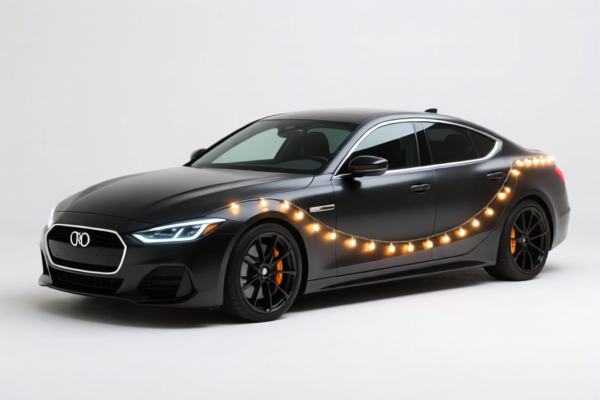
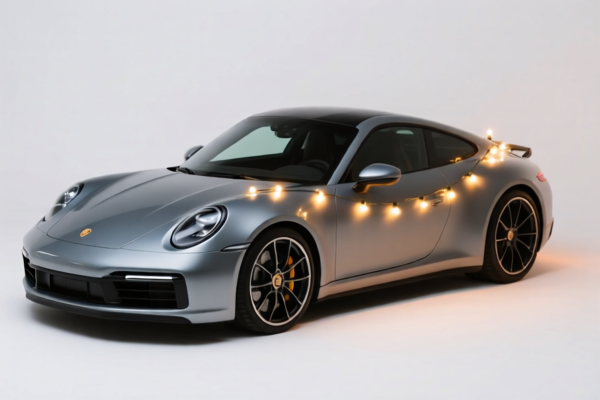
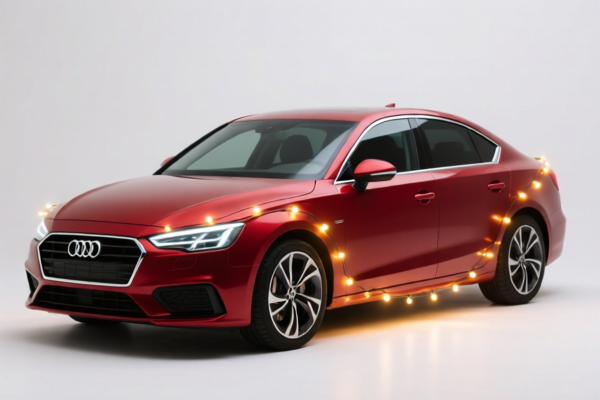
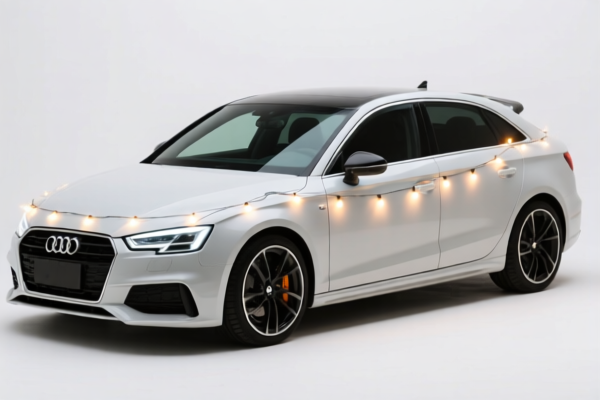
AI Analysis
💡 Car Decorative Light (Automotive Ambient/Interior Lighting)
🌐 HS Code Classification & Customs Clearance Guide | 2024/2025 Tariff Analysis | Professional Strategy
📌 One Product, Multiple Classifications: Why Does It Matter?
Car decorative lights are often misunderstood as simple accessories. However, in international trade, their classification depends heavily on function, integration, and voltage. A single "decorative light" can fall into five different HS Codes, with tax rates ranging from 17.5% to 38.9%.
⚠️ Critical Insight:
Misclassification can lead to massive duty discrepancies, customs delays, or even penalties. Below is the authoritative breakdown based on current trade data.
📦 II. HS Code Classification Matrix (Detailed Breakdown)
We will analyze each possible HS Code provided in the data, explaining the logical reasoning and the exact tax implications.
1. 🚦 Classification A: Visual Signal Devices (Panels/Indicators)
HS Code: 8531.20.00.40
Summary: The product is categorized as an electro-acoustic or visual signaling device (specifically visual signals). It fits the logic of indicator panels or signal equipment.
| Tax Component | Rate | Legal/Policy Basis |
|---|---|---|
| Base Tariff | 0.0% | Standard MFN rate for visual signals |
| Section 301 Tariff | 25.0% | USITC Footnote 9903.88.01 (China Origin) |
| Section 122 Tariff | 10.0% | IEEPA Extra Tariff (China Origin) |
| Total Effective Rate | 35.0% | High Duty Category |
🔍 Why this code?
Use this if the light acts as a status indicator (e.g., RGB ambient lighting controlled by a central unit, functioning like a dashboard signal).
⚠️ Risk: If classified here, you pay 35%. Do not use this for standard illumination unless it is strictly a "signal" device.
2. ⚡ Classification B: Other Visual Signal Devices (Fallback/General)
HS Code: 8531.80.90.51
Summary: The product falls under electro-acoustic or visual signaling apparatus as a visual signal lamp. It matches the "catch-all" attribute of "other apparatus".
| Tax Component | Rate | Legal/Policy Basis |
|---|---|---|
| Base Tariff | 0.0% | Standard MFN rate for general signals |
| Section 301 Tariff | 7.5% | Reduced Section 301 rate (Exclusion List) |
| Section 122 Tariff | 10.0% | IEEPA Extra Tariff (China Origin) |
| Total Effective Rate | 17.5% | Most Favorable Rate |
🔍 Why this code?
This is the most cost-effective classification for decorative lights that can be argued as "other visual signaling apparatus" rather than standard lighting.
✅ Strategy: If your product has programmable LED strips or ambient modules that signal status/mood, argue for this category to save 17.5% compared to other lighting codes.
3. 💡 Classification C: Electrical Lighting Equipment (Automotive Specific)
HS Code: 8512.20.20.80
Summary: The product is classified as electrical lighting equipment ("Electric lighting fittings"). Its purpose is automotive-related, and it fits the "other lighting equipment" classification without conflict.
| Tax Component | Rate | Legal/Policy Basis |
|---|---|---|
| Base Tariff | 0.0% | Standard MFN rate for auto lighting |
| Section 301 Tariff | 25.0% | USITC Footnote 9903.88.01 (China Origin) |
| Section 122 Tariff | 10.0% | IEEPA Extra Tariff (China Origin) |
| Total Effective Rate | 35.0% | High Duty Category |
🔍 Why this code?
This is the standard classification for most automotive interior/exterior lights.
⚠️ Risk: High duty (35%). Only use if the product cannot be argued as a "signal device" (8531).
4. 🏠 Classification D: Electric Lamps (LED Source Focus)
HS Code: 9405.42.84.40
Summary: The product is classified as a lighting fixture (general lighting), inferred to contain LED sources. It does not conflict with "other electric lamps" for general household/commercial use.
| Tax Component | Rate | Legal/Policy Basis |
|---|---|---|
| Base Tariff | 3.9% | Standard MFN rate for LED lamps |
| Section 301 Tariff | 25.0% | USITC Footnote 9903.88.01 (China Origin) |
| Section 122 Tariff | 10.0% | IEEPA Extra Tariff (China Origin) |
| Total Effective Rate | 38.9% | Highest Duty Category |
🔍 Why this code?
This is the least favorable option. It applies if the light is considered a general-purpose LED lamp (e.g., aftermarket replacement bulbs for standard vehicles not specifically designed as "auto parts").
❌ Avoid: This incurs the highest total tax (38.9%) due to the 3.9% base duty.
5. 🔦 Classification E: Other Electric Lighting Fittings
HS Code: 9405.49.00.00
Summary: The name "Light" (灯) matches the purpose of "lighting apparatus" in the classification. It aligns with the logic of "other electric lamps and lighting fittings".
| Tax Component | Rate | Legal/Policy Basis |
|---|---|---|
| Base Tariff | 3.9% | Standard MFN rate for other fittings |
| Section 301 Tariff | 25.0% | USITC Footnote 9903.88.01 (China Origin) |
| Section 122 Tariff | 10.0% | IEEPA Extra Tariff (China Origin) |
| Total Effective Rate | 38.9% | Highest Duty Category |
🔍 Why this code?
Similar to 9405.42, this is a general "other lighting" category.
❌ Avoid: Also incurs 38.9% total tax. Reserved for non-specialized lighting accessories.
💰 III. Tariff Comparison & Strategic Recommendation
| HS Code | Description | Base Duty | 301 Tariff | 122 Tariff | TOTAL DUTY | Risk Level |
|---|---|---|---|---|---|---|
8531.80.90.51 |
Visual Signal Device (Other) | 0.0% | 7.5% | 10.0% | 17.5% | 🟢 Lowest Cost |
8531.20.00.40 |
Visual Signal Panel | 0.0% | 25.0% | 10.0% | 35.0% | 🟡 High |
8512.20.20.80 |
Auto Electrical Lighting | 0.0% | 25.0% | 10.0% | 35.0% | 🟡 High |
9405.42.84.40 |
LED Lamp (General) | 3.9% | 25.0% | 10.0% | 38.9% | 🔴 Highest |
9405.49.00.00 |
Other Electric Fittings | 3.9% | 25.0% | 10.0% | 38.9% | 🔴 Highest |
🎯 Clearance Strategy:
- Best Option: Aim for
8531.80.90.51(17.5%). - Justification: Argue that the decorative light functions as a visual signal apparatus (e.g., ambient mood lighting with status indication) rather than simple illumination.
-
Evidence Needed: Show control circuits, LED modules, and "signal-like" functionality (color changes, patterns) rather than just brightness.
-
Second Best:
8512.20.20.80or8531.20.00.40(35%). -
Use these if the product is clearly automotive-specific lighting or panel indicators.
-
Avoid:
9405.xx(38.9%). - These are for general-purpose lamps. Using them for automotive parts is often challenged by customs and results in the highest tax burden.
🛠️ IV. Customs Clearance Practical Advice
✅ 1. Documentation Checklist
- Product Specifications: Clearly define if the product is a "Signal Device" (8531) or "Lighting Equipment" (8512/9405).
- Technical Drawings: Highlight the control board or LED module to support the "visual signal" argument.
- Photos: Show the product installed in a car, emphasizing its role as an indicator/ambient light.
- Invoice Description: Avoid generic terms like "Decorative Light." Use precise terms:
- For 8531.80.90.51: "Automotive Visual Signal Apparatus, LED Ambient Module"
- For 8512.20.20.80: "Automotive Electrical Lighting Fitting, Interior LED Strip"
✅ 2. Declaration Tips
- Do Not Split Shipments: If sending a complete set (LED strip + controller + power supply), declare as one unit under the primary function.
- Origin Marking: Ensure all products are clearly marked "Made in China" to avoid origin fraud penalties.
- Pre-Ruling: Consider applying for a US Customs Ruling if the product is unique. This locks in the HS Code and prevents post-entry audits.
✅ 3. Common Pitfalls
- Mislabeling: Calling a "general LED strip" an "auto part" can lead to rejection under 9405.
- Ignoring 122 Tariff: Always account for the 10% Section 122 tariff in cost calculations. It is mandatory for Chinese-origin goods.
- Assuming 0% Base = 0% Total: Even with 0% base tariff, the 35-39% total duty is significant. Factor this into your pricing.
📌 V. Conclusion
For Car Decorative Lights, the classification is not trivial.
- Target 8531.80.90.51 for the 17.5% effective rate by emphasizing "Visual Signal Apparatus."
- Avoid 9405 codes (38.9%) to prevent excessive duty costs.
- Prepare technical evidence to support your chosen classification.
💡 Pro Tip: Work with a licensed customs broker to submit a binding ruling request before your first shipment. This ensures compliance and optimizes your landed cost.
🚀 Ready to Clear Customs?
Ensure your documentation matches your HS Code argument. Precision saves money!
Customer Reviews
About HS Code Classification
The Harmonized System (HS) is an internationally standardized nomenclature developed by the World Customs Organization (WCO) to classify traded products. Over 200 countries use the HS system as the basis for customs tariffs, trade statistics, and import/export regulations.
Each HS code follows a hierarchical structure:
- Chapter (2 digits) — Broad category of goods (e.g., Chapter 84: Machinery and Mechanical Appliances)
- Heading (4 digits) — More specific grouping within the chapter
- Subheading (6 digits) — Internationally standardized breakdown, used by all WCO member countries
- National subdivisions (8-10 digits) — Country-specific extensions for further classification, such as US HTSUS 10-digit codes
Correct HS code classification is essential for smooth customs clearance, accurate duty payment, and compliance with trade regulations. Misclassification can lead to customs delays, overpayment of duties, or penalties.
When importing from CN to US, the applicable tariff rates may include:
- Most-Favored-Nation (MFN) rate — The standard duty rate applied to WTO members
- General rate — Applied to countries without trade agreements
- Trade remedy duties — Additional tariffs such as Section 301 (anti-dumping), Section 232 (national security), or countervailing duties
The information provided on this page is for reference purposes only. For official classification, please consult with your local customs authority or a licensed customs broker.