Car Decorative Ornaments
CN → US| HS Code | Tariff Rate | Origin | Destination | Doc |
|---|---|---|---|---|
| 7117903000 | 21.4% | CN | US | Official Doc |
| 7117193000 | 21.4% | CN | US | Official Doc |
| 8306210000 | 22.0% | CN | US | Official Doc |
| 8306290000 | 10.0% | CN | US | Official Doc |
| 3926400010 | 15.3% | CN | US | Official Doc |
| 3926400090 | 15.3% | CN | US | Official Doc |
Product Images
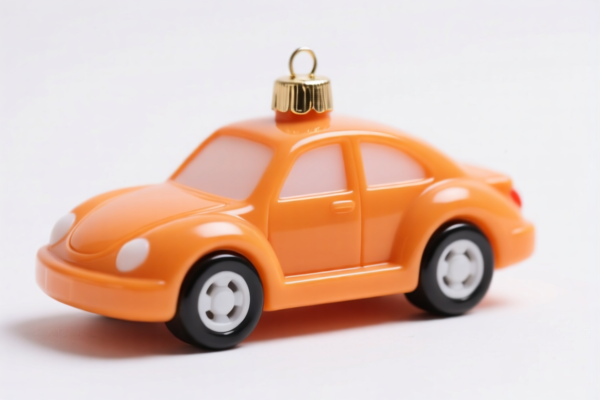
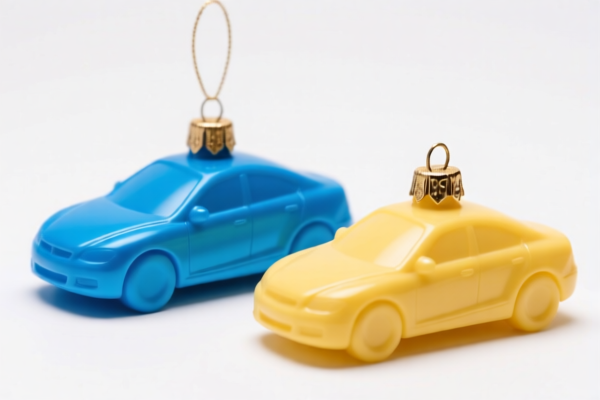

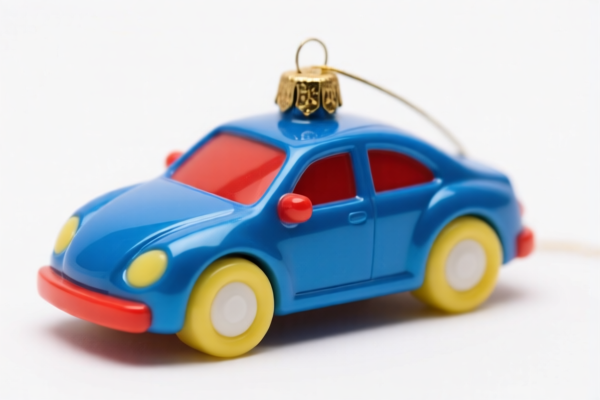
AI Analysis
🚗 Car Decorative Ornaments (Auto Accessories)
🌐 HS Code Reference & Customs Clearance Guide | 2026 Latest Tariff Analysis | Professional Clearance Strategy
📌 Part I: Product Definition & Classification: Do You Truly Understand "Car Ornaments"?
Car decorative ornaments are interior or exterior accessories designed to enhance the aesthetic appeal, spiritual meaning, or personalized style of a vehicle. In international trade, these items are typically categorized based on their material composition and functional form. Since the input "Car Decorative Ornaments" is generic, customs classification often relies on reasonable inference of materials (e.g., non-precious metals, plastics, or other decorative materials) and form (attached or carried items).
⚠️ Key Classification Logic:
- Non-precious Metal Decorations: If the ornament is metallic (e.g., alloy figures, metal charms) and decorative → Chapter 83 or Chapter 71.
- Plastic/Resin Decorations: If the ornament is plastic-based → Chapter 39.
- General "Other" Decorations: If material is ambiguous but clearly decorative → Chapter 71 (Imitations) or Chapter 83 (Base Metal).
📦 Part II: HS Code Classification Details (2026 Latest Tariff Authority Comparison)
Based on the provided data, here are the possible HS Code classifications for "Car Decorative Ornaments," along with their tax implications.
| HS Code | Product Description | Material/Form Inference | Tax Rate (Total) | Tax Breakdown |
|---|---|---|---|---|
7117.90.30.00 |
Imitation Jewelry / Decorative Articles | Inferred: Non-precious material, decorative/religious item attached to the car. Fits "Other" category under wearing/carrying/attaching attributes. No material conflict. | 21.4% | Base Duty: 3.9% Additional Duty: 7.5% Section 122 Duty: 10% |
7117.19.30.00 |
Non-Precious Metal Decorations | Inferred: Non-precious metal (common for car decor), designed to be carried or attached. Fits "Non-precious metal" & "Religious/Decorative" attributes. No material conflict. | 21.4% | Base Duty: 3.9% Additional Duty: 7.5% Section 122 Duty: 10% |
8306.21.00.00 |
Base Metal Statuettes & Other Ornamental Articles | Match: Car ornaments are "ornamental articles." Common sense infers base metal (no explicit material stated, no conflict). | 22.0% | Base Duty: 4.5% Additional Duty: 7.5% Section 122 Duty: 10% |
8306.29.00.00 |
Other Ornamental Articles of Base Metal | Match: Car ornaments fall under "ornamental articles." Since material is unspecified, inferred as base metal or non-conflicting material. Fits "Other" catch-all principle. | 10.0% | Base Duty: 0.0% Additional Duty: 0.0% Section 122 Duty: 10% |
3926.40.00.10 |
Plastic Decorative Articles | Match: Car ornaments are "ornamental articles." Without specified material, reasonably inferred as plastic or non-metal, fitting "bows and similar products for decorative purposes." | 15.3% | Base Duty: 5.3% Additional Duty: 0.0% Section 122 Duty: 10% |
🔍 Important Note:
- The Section 122 Duty (10%) applies to all listed HS codes in this dataset, likely referring to specific trade remedies or additional duties applicable to Chinese-origin goods (based on the "122 Clause" mention).
- The Additional Duty (7.5%) and Base Duty vary significantly by HS Code, affecting the total cost.
💰 Part III: 2026 Latest Tariff Rate Details (Including Surcharges & Policy Add-ons)
✅ Applicable Country: United States (US)
✅ Origin: China (CN) (Inferred from "122 Clause" and typical trade context)
✅ Effective Time: 2025-2026 (Current)
🎯 1. 7117.90.30.00 & 7117.19.30.00 —— Imitation Jewelry / Non-Precious Metal Decorations
| Item | Content |
|---|---|
| Base Tariff | 3.9% (ad valorem) |
| Additional Duty (Section 301) | +7.5% |
| Section 122 Duty | +10% |
| Total Tariff Rate | 21.4% |
| Tax Calculation | CIF Value × 21.4% |
| De Minimis Exemption | ❌ Not Eligible (Due to Section 122/301 duties) |
| Legal Basis Path | USITC:7117.19.30.00 / 7117.90.30.00 → FOOTNOTE:Section 122 → Section 301 |
📌 Explanation:
- These codes classify decorative items that resemble jewelry or are made of non-precious metals.
- The 21.4% rate is significant for low-value goods, impacting profit margins.
🎯 2. 8306.21.00.00 —— Base Metal Ornamental Articles (Statuettes)
| Item | Content |
|---|---|
| Base Tariff | 4.5% |
| Additional Duty (Section 301) | +7.5% |
| Section 122 Duty | +10% |
| Total Tariff Rate | 22.0% |
| Tax Calculation | CIF Value × 22.0% |
| De Minimis Exemption | ❌ Not Eligible |
| Legal Basis Path | USITC:8306.21.00.00 → FOOTNOTE:Section 122 → Section 301 |
📌 Explanation:
- This is the highest tariff rate among the options.
- Best used if the ornament is clearly a base metal statuette (e.g., metal zodiac figures).
🎯 3. 8306.29.00.00 —— Other Base Metal Ornamental Articles
| Item | Content |
|---|---|
| Base Tariff | 0.0% |
| Additional Duty (Section 301) | 0.0% |
| Section 122 Duty | +10% |
| Total Tariff Rate | 10.0% |
| Tax Calculation | CIF Value × 10.0% |
| De Minimis Exemption | ❌ Not Eligible |
| Legal Basis Path | USITC:8306.29.00.00 → FOOTNOTE:Section 122 |
📌 Explanation:
- This is the most cost-effective option if the product can be reasonably classified as "other base metal ornamental articles" rather than statuettes or imitation jewelry.
- Key Advantage: No base duty or Section 301 additional duty, only the Section 122 duty.
🎯 4. 3926.40.00.10 —— Plastic Decorative Articles
| Item | Content |
|---|---|
| Base Tariff | 5.3% |
| Additional Duty (Section 301) | 0.0% |
| Section 122 Duty | +10% |
| Total Tariff Rate | 15.3% |
| Tax Calculation | CIF Value × 15.3% |
| De Minimis Exemption | ❌ Not Eligible |
| Legal Basis Path | USITC:3926.40.00.10 → FOOTNOTE:Section 122 |
📌 Explanation:
- Suitable if the ornament is plastic/resin-based.
- Moderate tariff rate. No Section 301 duty, but higher base duty than8306.29.00.00.
🛠️ Part IV: Customs Clearance Practical Advice (Avoiding Pitfalls)
✅ 1. Preparation Checklist (Must-Have Documents)
| Document | Required | Description |
|---|---|---|
| ✅ Product Specifications | ✔️ | Include material (e.g., "Zinc Alloy," "PVC Plastic"), dimensions, weight. |
| ✅ Product Photos | ✔️ | Clear images showing the item as a "decorative ornament," not a functional part. |
| ✅ Commercial Invoice | ✔️ | Must explicitly state "Car Decorative Ornament" or "Auto Accessory Decor." |
| ✅ Packing List | ✔️ | Detail contents to avoid confusion with automotive parts (e.g., sensors, lights). |
| ✅ Material Declaration | ✔️ | Crucial for determining HS Code. If mixed materials, declare the primary component. |
✅ 2. Declaration Strategy (Key Tips)
🔥 "Material Determines Code, Form Determines Category!"
| Scenario | Correct HS Code | Risk of Wrong Declaration |
|---|---|---|
| Metal/Zinc Alloy Ornament | 8306.29.00.00 (Best Rate) or 8306.21.00.00 |
If declared as "Auto Part" → Higher duty or rejection. |
| Plastic/Resin Ornament | 3926.40.00.10 |
If declared as "Jewelry" → 7117 codes may apply, but material mismatch causes customs queries. |
| Ambiguous Material | 7117.90.30.00 / 7117.19.30.00 |
Use these if the item resembles jewelry or decorative charms. |
| Small Pendant/Charms | 7117.19.30.00 |
Best fit for small, wearable/attachable decorative items. |
✅ 3. Special Considerations
| Situation | Advice |
|---|---|
| Mixed Materials | If the ornament has metal parts and plastic parts, customs may classify based on the essential character or the primary material. Provide a clear material breakdown. |
| "Religious" Items | If the ornament is a cross, Buddha, or similar, 7117 codes are often used as they cover "religious or decorative items." |
| Section 122 Duty | Be aware that the 10% Section 122 duty applies to all these codes. This is a fixed cost regardless of the HS Code choice. |
| De Minimis | Do not rely on de minimis exemptions for these goods if they are subject to Section 122 or Section 301 duties. Full duties must be paid. |
🌍 Part V: Global Market Comparison (2026)
| Country/Region | Recommended HS Code | Estimated Total Duty | Notes |
|---|---|---|---|
| 🇺🇸 United States | 8306.29.00.00 |
10.0% | Lowest total duty among options. Includes Section 122 (10%). |
| 🇺🇸 United States | 7117.19.30.00 |
21.4% | Higher duty due to Section 301 (7.5%) + Base (3.9%). |
| 🇺🇸 United States | 3926.40.00.10 |
15.3% | Moderate duty. Good for plastic items. |
| 🇪🇺 EU | Varies | ~4-6% | No Section 122 or 301. Lower duties overall. |
| 🇨🇳 China | Varies | ~5-10% | Standard import duties. No Section 122. |
📌 Conclusion for US Market:
-8306.29.00.00is the most cost-effective for metal-based ornaments.
-7117codes are higher due to Section 301 additional duties.
-3926codes are mid-range, suitable for plastic items.
📌 Part VI: Common Mistakes & Pitfalls
❌ Mistake 1: Declaring "Car Decorative Ornament" as "Auto Part"
👉 Result: Incorrect classification, potential penalties, or higher duties under Chapter 87.
❌ Mistake 2: Ignoring Material Composition
👉 Result: Customs may reclassify the item, leading to additional duties and delays.
❌ Mistake 3: Assuming De Minimis Exemption Applies
👉 Result: Section 122 duties are not exempt from de minimis. All goods must be declared with duties paid.
❌ Mistake 4: Using "Jewelry" for Plastic Items
👉 Result: Misclassification. Plastic items should fall under 3926, not 7117.
✅ Correct Approach:
"Car Interior Decoration, Zinc Alloy Zodiac Figure, Model Z123, For Auto Use Only, No Electrical Components"
🎯 Part VII: Conclusion: Precision in Classification Saves Costs!
🎯 Key Takeaway:
🔹 For Metal Ornaments: Choose
8306.29.00.00(10% Total Duty) to minimize costs.
🔹 For Plastic Ornaments: Choose3926.40.00.10(15.3% Total Duty).
🔹 For Jewelry-like Decorations: Choose7117.19.30.00(21.4% Total Duty).
🔹 Always Account for Section 122 (10%) in your cost calculations.
📌 Pro Tip:
If you can verify the material is non-precious metal and the item is ornamental,
8306.29.00.00is your best friend for cost savings. Avoid7117unless the item is explicitly jewelry-like.
📣 Immediate Action:
📞 Consult with a licensed customs broker.
📄 Provide detailed material specifications.
🚀 Optimize your HS Code to8306.29.00.00where possible.
✨ Professional Clearance Starts with Accurate Classification!
💼 Every Percentage Point in Duty Matters!
Customer Reviews
About HS Code Classification
The Harmonized System (HS) is an internationally standardized nomenclature developed by the World Customs Organization (WCO) to classify traded products. Over 200 countries use the HS system as the basis for customs tariffs, trade statistics, and import/export regulations.
Each HS code follows a hierarchical structure:
- Chapter (2 digits) — Broad category of goods (e.g., Chapter 84: Machinery and Mechanical Appliances)
- Heading (4 digits) — More specific grouping within the chapter
- Subheading (6 digits) — Internationally standardized breakdown, used by all WCO member countries
- National subdivisions (8-10 digits) — Country-specific extensions for further classification, such as US HTSUS 10-digit codes
Correct HS code classification is essential for smooth customs clearance, accurate duty payment, and compliance with trade regulations. Misclassification can lead to customs delays, overpayment of duties, or penalties.
When importing from CN to US, the applicable tariff rates may include:
- Most-Favored-Nation (MFN) rate — The standard duty rate applied to WTO members
- General rate — Applied to countries without trade agreements
- Trade remedy duties — Additional tariffs such as Section 301 (anti-dumping), Section 232 (national security), or countervailing duties
The information provided on this page is for reference purposes only. For official classification, please consult with your local customs authority or a licensed customs broker.