Car Disassembly Tools
CN → US| HS Code | Tariff Rate | Origin | Destination | Doc |
|---|---|---|---|---|
| 8203206030 | 0.0% | CN | US | Official Doc |
| 8205598000 | 38.7% | CN | US | Official Doc |
| 8205595560 | 40.3% | CN | US | Official Doc |
| 8203202000 | 39.0% | CN | US | Official Doc |
| 8467290040 | 17.5% | CN | US | Official Doc |
Product Images
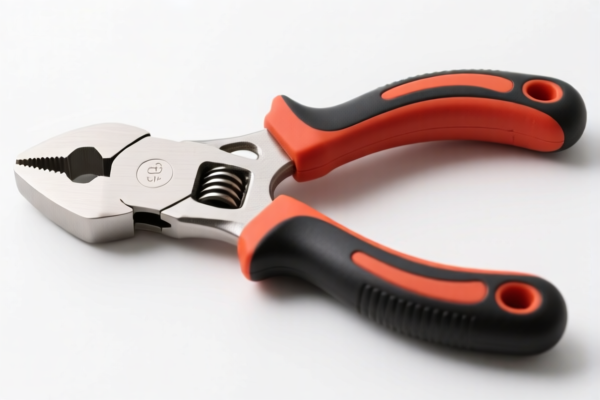
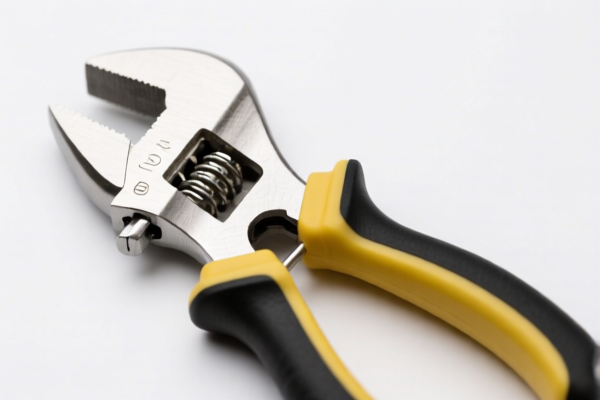
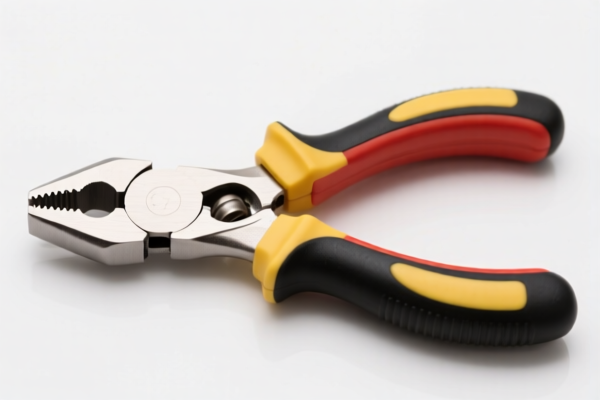
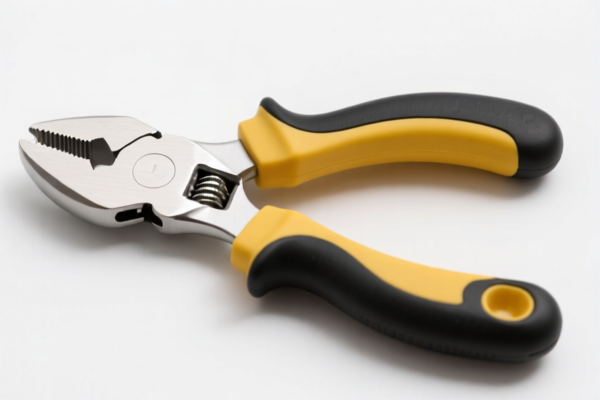
AI Analysis
🔧 Car Disassembly Tools (Automotive Repair & dismantling Instruments)
🌐 HS Code Reference & Customs Clearance Guide | 2026 Latest Tariff Analysis | Professional Clearance Strategy
📌 I. Product Definition & Classification: Do You Really Understand "Car Disassembly Tools"?
Car disassembly tools are specialized manual instruments used for dismantling, repairing, or servicing automotive components. In international trade, they are broadly categorized under Hand Tools. The specific HS Code depends heavily on the mechanism (manual vs. pneumatic/hand-held power) and the specific form (pliers, wrenches, screwdrivers, etc.).
⚠️ Key Distinction:
- Manual Prying/Prising/Splicing Tools: Often fall under general hand tools or specific subcategories like pliers/nippers.
- Specific Mechanical Tools: If they function primarily as wrenches or sockets, they may fall under different subheadings.
- Power Tools: If the tool is powered (e.g., impact wrenches), it falls under Chapter 84 (Machinery), not Chapter 82 (Tools).
📦 II. HS Code Classification Details (2026 Latest Tariff Authority Comparison)
Based on the provided data, here are the potential classifications for Car Disassembly Tools, ranging from general hand tools to specific power tools:
| HS Code | Product Description | Application Scenario | Tool Type |
|---|---|---|---|
8205.59.55.60 |
Other hand tools (Metal), not elsewhere specified | General prying tools, specialized metal dismantling instruments | ✅ Manual, Metal |
8203.20.20.00 |
Manual tools, including pliers, nippers, and similar hand tools | Tools functioning like pliers or tweezers for precise disassembly | ✅ Manual, Plier-like |
8203.20.60.30 |
Pliers, nippers, and similar hand tools (Specific form) | Tools explicitly shaped as pliers or nippers for automotive use | ✅ Manual, Plier-like |
8205.59.80.00 |
Other hand tools (Metal), general category | General purpose metal disassembly tools not fitting other specific subheadings | ✅ Manual, Metal |
8467.29.00.40 |
Tools for working on metal, hand-held, with self-contained electric or pneumatic motor | Pneumatic/Electric impact wrenches, screwdrivers used for auto repair | ✅ Powered (Pneumatic/Electric) |
🔍 Critical Reminder:
- If the tool is powered (air or electric), it MUST be classified under 8467, not Chapter 82. Misclassification can lead to severe penalties.
- If the tool is manual, the distinction between8203(Pliers/Nippers) and8205(Other Hand Tools) depends on its primary function and shape. If it resembles pliers,8203is preferred. If it is a generic prying bar or specialized bracket,8205may apply.
💰 III. 2026 Latest Tariff Rate Breakdown (Including Surtaxes & Policy Add-ons)
✅ Applicable Country: United States (US)
✅ Country of Origin: China (CN)
✅ Effective Date: Post-November 2025 (Current enforcement)
🎯 1. 8205.59.55.60 —— Other Hand Tools (Metal)
| Item | Content |
|---|---|
| Base Tariff | 5.3% (Ad Valorem) |
| Section 301 Surtax | +25.0% |
| IEEPA Surtax | +10.0% (122 Clause) |
| Total Tariff Rate | 40.3% |
| Calculation Method | CIF Value × 40.3% |
| De Minimis Exemption | ❌ Not Eligible |
| Legal Basis Path | USITC:8205.59.55.60 → FOOTNOTE:301.8205 → IEEPA:9903.01.25 |
📌 Explanation:
- This classification assumes the tool is a general metal hand tool not specifically defined as pliers.
- The total burden of 40.3% is significant. Ensure the product description clearly defines it as a "prying tool" or "dismantling instrument" to justify this classification over more specific ones if applicable.
🎯 2. 8203.20.20.00 —— Manual Pliers/Nippers/Similar Tools
| Item | Content |
|---|---|
| Base Tariff | 4.0% (Ad Valorem) |
| Section 301 Surtax | +25.0% |
| IEEPA Surtax | +10.0% (122 Clause) |
| Total Tariff Rate | 39.0% |
| Calculation Method | CIF Value × 39.0% |
| De Minimis Exemption | ❌ Not Eligible |
| Legal Basis Path | USITC:8203.20.20.00 → FOOTNOTE:301.8203 → IEEPA:9903.01.25 |
📌 Explanation:
- If the disassembly tool visually and functionally resembles pliers or nippers (e.g., clip removers, spring pliers), this code is appropriate.
- Slightly lower total rate (39.0%) compared to general hand tools.
🎯 3. 8203.20.60.30 —— Pliers/Nippers (Specific Subcategory)
| Item | Content |
|---|---|
| Base Tariff | 12¢/doz. + 5.5% (Ad Valorem) |
| Section 301 Surtax | +25.0% |
| IEEPA Surtax | +10.0% (122 Clause) |
| Total Tariff Rate | 5.5% + 12¢/doz + 35% (Combined Surtax) |
| Calculation Method | (CIF Value × 5.5%) + (Count × 12¢/doz) + (CIF Value × 35%) |
| De Minimis Exemption | ❌ Not Eligible |
| Legal Basis Path | USITC:8203.20.60.30 → FOOTNOTE:301.8203 → IEEPA:9903.01.25 |
📌 Explanation:
- This is a mixed tariff structure.
- Warning: The "12¢/doz." adds a specific duty based on quantity, while the ad valorem and surtaxes apply to the value.
- The effective rate can be complex. If the unit value is low, the per-dozen fee might dominate. If high, the percentage dominates.
- Total effective burden is roughly ~40.5% depending on volume/value ratio.
🎯 4. 8205.59.80.00 —— Other Hand Tools (Metal)
| Item | Content |
|---|---|
| Base Tariff | 3.7% (Ad Valorem) |
| Section 301 Surtax | +25.0% |
| IEEPA Surtax | +10.0% (122 Clause) |
| Total Tariff Rate | 38.7% |
| Calculation Method | CIF Value × 38.7% |
| De Minimis Exemption | ❌ Not Eligible |
| Legal Basis Path | USITC:8205.59.80.00 → FOOTNOTE:301.8205 → IEEPA:9903.01.25 |
📌 Explanation:
- Another variant of general hand tools.
- Lowest base rate among manual tools (3.7%), leading to the lowest total rate (38.7%) for manual disassembly tools not classified as pliers.
🎯 5. 8467.29.00.40 —— Hand-held Power Tools (Pneumatic/Electric) for Metal
| Item | Content |
|---|---|
| Base Tariff | 0.0% (Ad Valorem) |
| Section 301 Surtax | +7.5% |
| IEEPA Surtax | +10.0% (122 Clause) |
| Total Tariff Rate | 17.5% |
| Calculation Method | CIF Value × 17.5% |
| De Minimis Exemption | ❌ Not Eligible |
| Legal Basis Path | USITC:8467.29.00.40 → FOOTNOTE:301.8467 → IEEPA:9903.01.25 |
📌 Explanation:
- CRITICAL DISTINCTION: This code applies ONLY if the tool is powered (e.g., pneumatic impact wrenches, electric screwdrivers used for disassembly).
- Significant Cost Saving: The total tariff is only 17.5%, much lower than manual tools.
- Risk: If a manual tool is misclassified here, customs will reject it. Must provide proof of power source (battery/air hose).
🛠️ IV. Customs Clearance Practical Advice (Battle-Tested Pitfall Guide)
✅ 1. Document Checklist (Non-negotiable)
| Document | Mandatory? | Description |
|---|---|---|
| ✅ Product Specifications | ✔️ | Detail: Manual vs. Powered? Material? Specific function (prying, twisting, clipping)? |
| ✅ Photos (Clear & Labeled) | ✔️ | Show the tool in use. Highlight mechanism (pneumatic valve, battery compartment, or manual grip). |
| ✅ Commercial Invoice | ✔️ | Must clearly state: "Car Disassembly Tool, Manual" OR "Pneumatic Impact Wrench for Automotive Repair". Avoid vague terms like "Metal Part". |
| ✅ Packing List | ✔️ | List quantity and unit. Crucial for 8203.20.60.30 if per-dozen duty applies. |
| ✅ Origin Certificate | ✔️ | If not from China, may avoid surtaxes. |
✅ 2. Declaration Tips (Key Mantra)
🔥 "Power or Manual? Plier or Bar? Be Specific or Pay More!"
| Scenario | Correct Declaration | Wrong Practice |
|---|---|---|
| Manual Plier-like Tool | "Automotive Clip Remover Pliers, Manual" → 8203.20.20.00 |
Calling it "Hand Tool" → 8205 (Higher risk of audit) |
| General Manual Tool | "Automotive Panel Prying Tool, Metal, Manual" → 8205.59.80.00 |
Calling it "Plier" → Misclassification |
| Power Tool (Air/Electric) | "Pneumatic Impact Wrench for Auto Disassembly" → 8467.29.00.40 |
Calling it "Hand Tool" → 8205 (Wrong Chapter, high penalty) |
| Mixed Shipment | Separate HS Codes for manual vs. power tools | Grouping all under one HS Code → Seizure Risk |
✅ 3. Special Cases Handling
| Case | Handling Suggestion |
|---|---|
| OEM Tool with Brand Logo | Provide authorization letter to avoid IP issues. |
| Tool Set (Multiple Items) | Classify by the item with the highest value or primary function. If mixed, split declaration. |
| Battery-Operated Tool | Must comply with UN38.3 and DG (Dangerous Goods) shipping regulations. |
| Pneumatic Tool | Ensure no oil residue; clean before shipment to avoid contamination claims. |
🌍 V. Global Market Clearance Comparison (2026 Latest)
| Country/Region | Recommended HS Code | Tariff (CN Origin) | Certification Requirements | Notes |
|---|---|---|---|---|
| 🇺🇸 USA | 8467.29.00.40 (Power) or 8205.59.80.00 (Manual) |
17.5% (Power) / 38.7% (Manual) | No specific cert for tools, but FCC for electric | High surtaxes on Chapter 82 tools. |
| 🇪🇺 EU | 8205.59.00 (Manual) / 8467.29 (Power) |
0-4.7% (Most MFN) | CE Mark (if electrical) | No US-style surtaxes. |
| 🇨🇳 China | 8205.59.00 / 8467.29 |
5-7% | CCC (for power tools) | Lower tariffs, but import duties apply. |
| 🇬🇧 UK | 8205.59.00 / 8467.29 |
0-4.7% | UKCA Mark (if electrical) | Post-Brexit rules apply. |
📌 Conclusion:
- USA is the most expensive market due to Section 301 and IEEPA surtaxes.
- Power tools (8467) enjoy significantly lower tariffs (17.5%) compared to manual tools (~39-40%).
- Manual tool classification (8205vs8203) has minor differences (38.7% vs 40.3%), but8203may be more accurate if the tool resembles pliers.
📌 VI. Common Mistakes & Pitfall Guide (Lessons Learned)
❌ Mistake 1: Classifying a pneumatic wrench as a manual hand tool (8205)
👉 Consequence: Rejection by customs, delay, potential penalty. Correct code is 8467.29.00.40 (17.5% tariff).
❌ Mistake 2: Calling a pry bar a "Plier" to force 8203 classification
👉 Consequence: If visually it is not a plier, customs will reclassify to 8205 (38.7%) and may assess penalties for misdeclaration.
❌ Mistake 3: Ignoring the per-dozen duty in 8203.20.60.30
👉 Consequence: Underpayment of tariff. The 12¢/doz. adds up significantly for high-volume shipments.
❌ Mistake 4: Vague Description "Car Tool"
👉 Consequence: Customs broker cannot determine correct HS. Leads to Hold or Exam.
✅ Correct Practice:
"Automotive Panel Prying Tool, Stainless Steel, Manual, For Disassembling Dashboard Panels" →
8205.59.80.00
"Pneumatic Impact Wrench, 1/2 Inch Drive, For Auto Repair" →8467.29.00.40
🎯 VII. Conclusion: Precision Classification, Cost Optimization!
🎯 Remember the Mantra:
🔹 "Power or Manual? Plier or Bar? Be Specific or Pay More!"
🔹 "HS Code Dictates Tariff, 17.5% vs 39%, One Mistake Costs Thousands!"
📌 Pro Tip:
If your car disassembly tools are powered, insist on the 8467.29.00.40 classification (17.5% tariff). It saves ~21% in duties compared to manual tools.
For manual tools, ensure the description matches the physical form (Pliers vs. Bar) to avoid audit risks.
Consider Advance Ruling (Pre-Ruling) from US Customs (CBP) if the tool's function is ambiguous.
📣 Immediate Action:
📞 Consult with a licensed customs broker + Provide Clear Photos + Verify Power Source
🚀 Ensure smooth clearance, optimize costs, and accelerate your automotive parts export!
✨ Professional Clearance Starts with Accurate Classification!
💼 Every dollar saved in tariffs is pure profit!
Customer Reviews
About HS Code Classification
The Harmonized System (HS) is an internationally standardized nomenclature developed by the World Customs Organization (WCO) to classify traded products. Over 200 countries use the HS system as the basis for customs tariffs, trade statistics, and import/export regulations.
Each HS code follows a hierarchical structure:
- Chapter (2 digits) — Broad category of goods (e.g., Chapter 84: Machinery and Mechanical Appliances)
- Heading (4 digits) — More specific grouping within the chapter
- Subheading (6 digits) — Internationally standardized breakdown, used by all WCO member countries
- National subdivisions (8-10 digits) — Country-specific extensions for further classification, such as US HTSUS 10-digit codes
Correct HS code classification is essential for smooth customs clearance, accurate duty payment, and compliance with trade regulations. Misclassification can lead to customs delays, overpayment of duties, or penalties.
When importing from CN to US, the applicable tariff rates may include:
- Most-Favored-Nation (MFN) rate — The standard duty rate applied to WTO members
- General rate — Applied to countries without trade agreements
- Trade remedy duties — Additional tariffs such as Section 301 (anti-dumping), Section 232 (national security), or countervailing duties
The information provided on this page is for reference purposes only. For official classification, please consult with your local customs authority or a licensed customs broker.