Car Door Handle
CN → US| HS Code | Tariff Rate | Origin | Destination | Doc |
|---|---|---|---|---|
| 7616995170 | 37.5% | CN | US | Official Doc |
| 3926305000 | 22.8% | CN | US | Official Doc |
| 3926301000 | 24.0% | CN | US | Official Doc |
| 8708291500 | 0.0% | CN | US | Official Doc |
| 8708295160 | 0.0% | CN | US | Official Doc |
Product Images
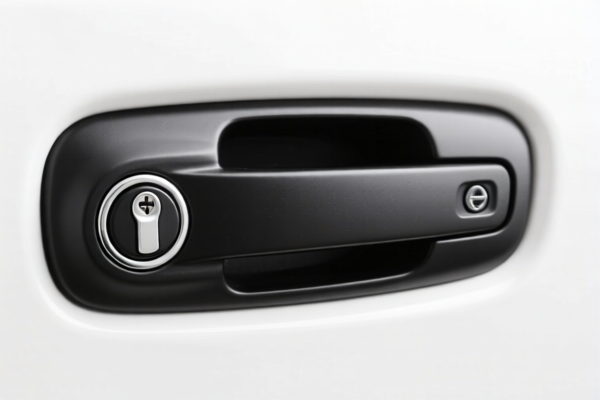
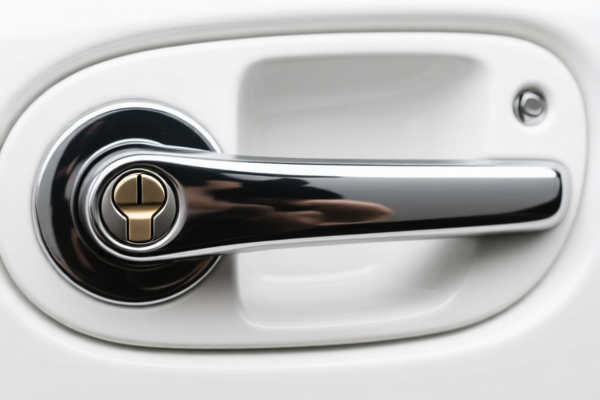
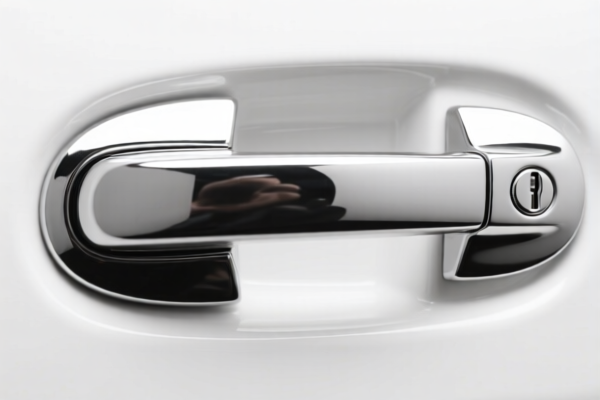
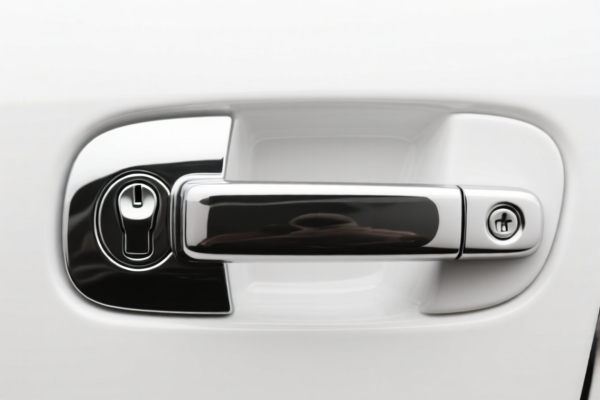
AI Analysis
🚪 Car Door Handle (Automotive Exterior Trim)
🌐 HS Code Reference & Customs Clearance Guide | 2026 Latest Tariff Analysis | Professional Clearance Strategy
📌 1. Product Definition & Classification: Do You Really Know "Car Door Handles"?
A car door handle is a critical exterior component of an automobile, serving both functional and aesthetic purposes. In international trade, it is not a single unified commodity but is classified based on its material composition and intended function.
- Material-Based Classification: The primary determinant for HS Code classification is whether the handle is made of Aluminum, Plastic, or is an unspecified/complex material assembly.
- Function-Based Classification: It can be classified as a "Part of the Body" (automotive part) or as a generic "Manufacture of Metal/Plastic" depending on specificity.
⚠️ Key Distinction Point:
- If the handle is specifically identified as Forged Aluminum, it falls under metal manufactures (7616).
- If it is Plastic, it falls under plastic articles (3926) or body parts (8708).
- If the material is not explicitly stated or is a composite, it may fall under the "Other" body parts category (8708.29), which often attracts the highest penalties.
📦 2. HS Code Classification Details (2026 Latest Tariff Authority Comparison)
| HS Code | Product Description | Applicable Scenario | Material/Type |
|---|---|---|---|
7616.99.51.70 |
Other articles of aluminum, including forgings | Forged Aluminum Car Door Handles | ✅ Aluminum |
3926.30.50.00 |
Other articles of plastic | Plastic Car Door Handles (General) | ✅ Plastic |
3926.30.10.00 |
Articles for equipment and fittings for vehicles, body accessories | Plastic Car Door Handles (Specific Body Accessory) | ✅ Plastic |
8708.29.15.00 |
Parts and accessories of bodies (excluding drivers' cabs) | Car Door Handles (General Automotive Part) | ✅ Any/Mixed |
8708.29.51.60 |
Other parts and accessories of bodies | Car Door Handles (Unspecified Material/Other) | ✅ Unspecified/Composite |
🔍 Critical Reminder:
- Plastic Handles: Can be classified under3926(Plastic Articles) OR8708(Auto Parts). The tax rates differ significantly.3926is generally cheaper than8708for plastic items due to lower Section 301 duties.
- Aluminum Handles: Must be classified under7616. Note that aluminum faces a specific 50% additional tariff under Section 232.
- Unspecified/Other: If you do not declare the material clearly, customs may default to8708.29.51.60, which attracts the highest combined tariff (87.5%). Always specify the material!
💰 3. 2026 Latest Tariff Rate Breakdown (Including Surcharges & Policy Add-ons)
✅ Applicable Country: United States (US)
✅ Origin: China (CN)
✅ Effective Time: Current (Includes Section 301, 232, and Section 122 tariffs)
🎯 1. 7616.99.51.70 — Aluminum Articles (Forged Car Door Handles)
| Item | Content |
|---|---|
| Base Duty | 2.5% (Ad Valorem) |
| Section 301 Surcharge | +25.0% (On Section 301 List) |
| Section 122 Surcharge | +10.0% (On Section 122 List) |
| Total Tax Rate | 37.5% |
| Tax Calculation | CIF Value × 37.5% |
| De Minimis Eligibility | ❌ Not Applicable |
| Legal Basis Path | HTSUS:7616.99.51.70 → Section 301: Footnote 9903.88.01 → Section 122: Footnote 9903.122 |
📌 Explanation:
- Aluminum products face a steep tariff due to the combination of Section 301 (25%) and Section 122 (10%) on top of the base duty (2.5%).
- Total 37.5% is relatively moderate compared to the "Unspecified" category, but higher than plastic alternatives.
🎯 2. 3926.30.50.00 — Other Plastic Articles (Plastic Door Handles)
| Item | Content |
|---|---|
| Base Duty | 5.3% |
| Section 301 Surcharge | +7.5% (Reduced Rate under Section 301 Exclusions/Lower List) |
| Section 122 Surcharge | +10.0% |
| Total Tax Rate | 22.8% |
| Tax Calculation | CIF Value × 22.8% |
| De Minimis Eligibility | ❌ Not Applicable |
| Legal Basis Path | HTSUS:3926.30.50.00 → Section 301: Footnote 9903.07.11 → Section 122: Footnote 9903.122 |
📌 Note:
- This is a cost-effective classification for plastic handles.
- The Section 301 rate is only 7.5% (not the standard 25%), making this highly competitive for plastic OEM parts.
🎯 3. 3926.30.10.00 — Articles for Vehicles (Plastic Door Handles)
| Item | Content |
|---|---|
| Base Duty | 6.5% |
| Section 301 Surcharge | +7.5% |
| Section 122 Surcharge | +10.0% |
| Total Tax Rate | 24.0% |
| Tax Calculation | CIF Value × 24.0% |
| De Minimis Eligibility | ❌ Not Applicable |
| Legal Basis Path | HTSUS:3926.30.10.00 → Section 301: Footnote 9903.07.11 → Section 122: Footnote 9903.122 |
📌 Note:
- Slightly higher base duty (6.5%) compared to3926.30.50.00(5.3%), but still significantly cheaper than auto parts classifications.
🎯 4. 8708.29.15.00 — Parts and Accessories of Bodies (General Auto Part)
| Item | Content |
|---|---|
| Base Duty | 2.5% |
| Section 301 Surcharge | +25.0% |
| Section 122 Surcharge | +10.0% |
| Total Tax Rate | 37.5% (2.5% + 35.0% Surcharges) |
| Tax Calculation | CIF Value × 37.5% |
| De Minimis Eligibility | ❌ Not Applicable |
| Legal Basis Path | HTSUS:8708.29.15.00 → Section 301: Footnote 9903.88.01 → Section 122: Footnote 9903.122 |
📌 Warning:
- While the base duty is low (2.5%), the full 25% Section 301 applies.
- This code is often used when the material is not the primary descriptor, but it carries the same heavy tariff burden as aluminum.
🎯 5. 8708.29.51.60 — Other Parts and Accessories of Bodies (Unspecified/High Risk)
| Item | Content |
|---|---|
| Base Duty | 2.5% |
| Section 301 Surcharge | +25.0% |
| Section 232 Surcharge | +50.0% (Metals - Steel/Aluminum/Copper) |
| Section 122 Surcharge | +10.0% |
| Total Tax Rate | 87.5% (2.5% + 85.0% Surcharges) |
| Tax Calculation | CIF Value × 87.5% |
| De Minimis Eligibility | ❌ Not Applicable |
| Legal Basis Path | HTSUS:8708.29.51.60 → Section 301 → Section 232 → Section 122 |
🚨 CRITICAL ALERT:
- This is the MOST EXPENSIVE classification.
- It triggers the Section 232 Tariff (50%) because customs assumes the part may contain steel or aluminum, and without specific exclusion or proper classification, the penalty is severe.
- Total 87.5% will destroy profit margins. Avoid this code unless absolutely necessary and properly justified.
🛠️ 4. Customs Clearance Practical Advice (Real-World Pitfall Guide)
✅ 1. Preparation Checklist (Do Not Miss)
| Material | Must Provide | Explanation |
|---|---|---|
| All Materials | ✅ Commercial Invoice | Clearly state "Car Door Handle" and Material (e.g., "ABS Plastic," "Aluminum Alloy"). |
| Aluminum | ✅ Material Certificates | Proof of Aluminum content to justify 7616 (37.5%) over 8708.29.51.60 (87.5%). |
| Plastic | ✅ Product Specifications | Confirm it is >90% plastic to qualify for 3926 (22.8%-24.0%) instead of 8708 (37.5%). |
| All Materials | ✅ HS Code Pre-Ruling | Apply for an Advance Ruling to lock in the correct HS Code and avoid retroactive penalties. |
| All Materials | ✅ Original Packaging Label | Ensure labels match the declared material and function. |
✅ 2. Declaration Strategy (Key Mantra)
🔥 "Specify Material, Avoid 'Other', Plastic is Cheaper, Aluminum is Safe!"
| Scenario | Correct Declaration | Wrong Action |
|---|---|---|
| Plastic Handle | 3926.30.50.00 (22.8%) |
Declaring as 8708.29.15.00 (37.5%) → Overpay 14.7% |
| Aluminum Handle | 7616.99.51.70 (37.5%) |
Declaring as 8708.29.51.60 (87.5%) → Overpay 50% |
| Mixed/Composite | Provide detailed BOM (Bill of Materials) | Vague description "Auto Part" → Risk of 8708.29.51.60 (87.5%) |
| Unspecified Material | DO NOT USE | Defaulting to 8708.29.51.60 → Highest Penalty |
✅ 3. Special Case Handling
| Situation | Handling Suggestion |
|---|---|
| Chrome-Plated Plastic | Still classifiable as 3926 if plastic is the essential character. Provide coating thickness report. |
| Metal-Injected Plastic | If metal core >50%, may be reclassified as metal. Consult with customs broker. |
| OEM Custom Parts | Provide customer PO and design specs to prove "Auto Part" intent, but prioritize material-based HS Codes (7616, 3926) for lower rates. |
| Section 232 Exemption | For aluminum handles, ensure the product falls under 7616 and not 8708.29.51.60 to avoid the 50% Section 232 tariff. |
🌍 5. Global Market Comparison (2026 Latest)
| Country/Region | Recommended HS Code | Tariff (China Origin) | Notes |
|---|---|---|---|
| 🇺🇸 USA | 3926.30.50.00 (Plastic) |
22.8% | Lowest cost for plastic. 7616 is 37.5%. 8708.29.51.60 is 87.5%. |
| 🇺🇸 USA | 7616.99.51.70 (Aluminum) |
37.5% | Moderate cost. Avoid 8708.29.51.60. |
| 🇨🇳 China | 8708.29.15.00 |
2.5% | No additional surcharges. Standard import duty applies. |
| 🇪🇺 EU | 8708.29.90 |
4.5% | No Section 301/232 equivalents. Standard EU duty. |
| 🇯🇵 Japan | 8708.29.90 |
2.5% | Low duty. No major surcharges for auto parts. |
📌 Conclusion:
- USA is the most challenging market due to multiple layers of tariffs (Section 301, 232, 122).
- Plastic handles have the best cost structure in the US (22.8%).
- Aluminum handles are moderately taxed (37.5%).
- Never leave the material unspecified in US shipments.
📌 6. Common Errors & Pitfalls (Lessons Learned)
❌ Error 1: Using vague terms like "Auto Part" or "Handle" without material specification.
👉 Consequence: Customs defaults to 8708.29.51.60 → 87.5% Tariff.
❌ Error 2: Declaring Aluminum Handles as 8708.29.15.00 instead of 7616.
👉 Consequence: While both are 37.5% in this specific dataset, 8708.29.15.00 may face stricter scrutiny for Section 232 compliance. Proper classification is key.
❌ Error 3: Mixing Plastic and Aluminum parts in one shipment without separate declarations.
👉 Consequence: Customs may audit the entire shipment, leading to delays and potential misclassification penalties.
✅ Correct Practice:
"Car Door Handle, Model ABC, Made of ABS Plastic, Chrome Finish, For Vehicle XYZ"
→ Use3926.30.50.00(22.8%)"Car Door Handle, Model DEF, Forged Aluminum Alloy, Painted, For Vehicle XYZ"
→ Use7616.99.51.70(37.5%)
🎯 7. Conclusion: Professional Declaration Saves Money!
🎯 Remember the Mantra:
🔹 "Plastic 22, Aluminum 37, Unspecified 87!"
🔹 "Specify Material, Avoid Section 232, Lock in the Rate!"
📌 Tip:
If you are importing Plastic Handles, aggressively pursue 3926.30.50.00 for the lowest 22.8% rate.
If you are importing Aluminum Handles, ensure you use 7616.99.51.70 to avoid the catastrophic 87.5% rate.
Always request an HS Code Pre-Ruling from CBP before shipping high-volume orders.
📣 Immediate Action:
📞 Contact your Customs Broker
📸 Provide Product Photos & Material Specs
🚀 Optimize Your Tariff Rate, Maximize Your Profit!
✨ Professional Clearance Starts with Precise Classification!
💼 Every Percent Saved is Pure Profit!
Customer Reviews
About HS Code Classification
The Harmonized System (HS) is an internationally standardized nomenclature developed by the World Customs Organization (WCO) to classify traded products. Over 200 countries use the HS system as the basis for customs tariffs, trade statistics, and import/export regulations.
Each HS code follows a hierarchical structure:
- Chapter (2 digits) — Broad category of goods (e.g., Chapter 84: Machinery and Mechanical Appliances)
- Heading (4 digits) — More specific grouping within the chapter
- Subheading (6 digits) — Internationally standardized breakdown, used by all WCO member countries
- National subdivisions (8-10 digits) — Country-specific extensions for further classification, such as US HTSUS 10-digit codes
Correct HS code classification is essential for smooth customs clearance, accurate duty payment, and compliance with trade regulations. Misclassification can lead to customs delays, overpayment of duties, or penalties.
When importing from CN to US, the applicable tariff rates may include:
- Most-Favored-Nation (MFN) rate — The standard duty rate applied to WTO members
- General rate — Applied to countries without trade agreements
- Trade remedy duties — Additional tariffs such as Section 301 (anti-dumping), Section 232 (national security), or countervailing duties
The information provided on this page is for reference purposes only. For official classification, please consult with your local customs authority or a licensed customs broker.