Car Emblem Sticker
CN → US| HS Code | Tariff Rate | Origin | Destination | Doc |
|---|---|---|---|---|
| 7326901000 | 85.0% | CN | US | Official Doc |
| 3919905060 | 40.8% | CN | US | Official Doc |
| 8310000000 | 35.0% | CN | US | Official Doc |
| 3919102055 | 40.8% | CN | US | Official Doc |
| 7326908688 | 87.9% | CN | US | Official Doc |
Product Images
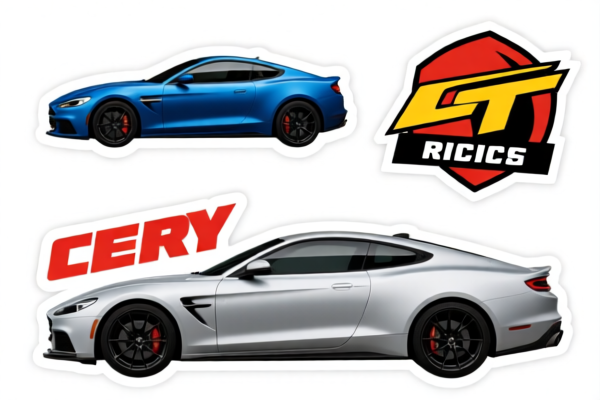
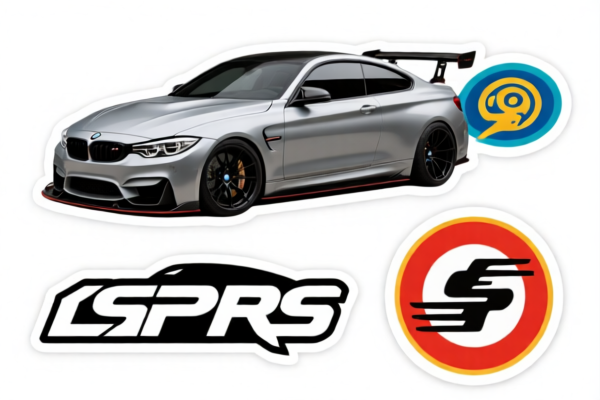
AI Analysis
🚗 Car Emblem Stickers: The Ultimate HS Code & Customs Clearance Guide (2026 Edition)
🌐 HS Code Reference & Clearance Strategy | 2026 Latest Tariff Analysis | Professional Import Guide
📌 1. Product Definition: What Exactly Is a "Car Emblem Sticker"?
A "Car Emblem Sticker" is a decorative or identification accessory for vehicles. In international trade, its classification is highly volatile because it depends on two critical factors: 1. Substrate/Material: Is it plastic (vinyl/PET) or metal (aluminum/steel)? 2. Application Method: Is it self-adhesive (sticker) or mechanical (badge/plate)?
⚠️ Key Classification Logic:
- If it is Self-Adhesive + Plastic/Polymer → Likely Chapter 39 (Plastics).
- If it is Metallic/Metallic Coated + Decorative Badge → Likely Chapter 83 (Miscellaneous Metal Articles).
- If it is Metal Sheet/Strip + Adhesive Backing (industrial style) → Likely Chapter 73 (Iron/Steel Articles).
📦 2. HS Code Classification Matrix (2026 Tariff Schedule)
Based on logical inference and common industry standards, here are the four most probable classifications for Car Emblem Stickers:
| HS Code | Product Description | Key Matching Logic | Material Inference |
|---|---|---|---|
3919.90.50.60 |
Self-Adhesive Plastic Sheets/Film | Matches "Self-adhesive" form factor; assumed plastic material as a reasonable inference; falls under "Other" plastics. | Plastic/Polymer (Inferred) |
3919.10.20.55 |
Self-Adhesive Plastic Sheets, in Rolls | Matches "Self-adhesive" flat shape; material inferred as plastic/composite; fits "Other" category under plastics. | Plastic/Composite (Inferred) |
8310.00.00.00 |
Signplates, Plates, and Similar Articles | Matches "Emblem/Badge" function; material inferred as base metal or metal-containing; fits nameplate/badge usage. | Base Metal/Metal-Composite (Inferred) |
7326.90.10.00 |
Other Articles of Iron or Steel | Inferred as metallic (tinplate/steel) or coated metal; fits "Other articles of iron/steel" with no conflict. | Iron/Steel (Inferred) |
7326.90.86.88 |
Other Articles of Iron or Steel | Inferred as metallic with "emblem texture"; fits "Other" category of iron/steel articles; no form/function conflict. | Iron/Steel (Inferred) |
🔍 Critical Note:
- Plastic-based stickers (3919.xxxxxxx) are the most common for generic "stickers."
- Metal-based badges (8310.xxxxxxxor7326.xxxxxxx) apply if the product has significant metal content or is rigid.
- Misclassification Risk: Declaring a metal badge as plastic can lead to audits; declaring plastic as metal may result in overpayment of duties.
💰 3. 2026 Tariff Rate Breakdown (USA Import from China)
✅ Applicable Country: United States (US)
✅ Origin: China (CN)
✅ Effective Date: Post-November 10, 2025 (Including subsequent imports)
⚠️ High Tariff Environment: All categories below are subject to significant Section 301 and IEEPA tariffs.
🎯 1. 3919.90.50.60 – Self-Adhesive Plastic Sheets (Other)
| Item | Detail |
|---|---|
| Base Duty Rate | 5.8% (Ad Valorem) |
| Section 301 Duty | +25.0% |
| IEEPA Surcharge | +10.0% (China-specific tariff) |
| Total Effective Rate | 40.8% |
| Calculation Basis | CIF Value × 40.8% |
| De Minimis Exemption | ❌ NO (Denied for Chinese origin under IEEPA) |
| Legal Authority | USITC:3919.90.50.60 → FOOTNOTE:301-Chapter39 → IEEPA:9903.01.24 |
📌 Explanation:
- Even though it is a "sticker," it is classified as a plastic sheet. The base duty is already high (5.8%).
- Adding 25% (Section 301) and 10% (IEEPA) results in a 40.8% total tax burden.
- No de minimis exemption applies to goods from China under these codes.
🎯 2. 3919.10.20.55 – Self-Adhesive Plastic Sheets (Rolls)
| Item | Detail |
|---|---|
| Base Duty Rate | 5.8% (Ad Valorem) |
| Section 301 Duty | +25.0% |
| IEEPA Surcharge | +10.0% (China-specific tariff) |
| Total Effective Rate | 40.8% |
| Calculation Basis | CIF Value × 40.8% |
| De Minimis Exemption | ❌ NO |
| Legal Authority | USITC:3919.10.20.55 → FOOTNOTE:301-Chapter39 → IEEPA:9903.01.24 |
📌 Explanation:
- Identical tax structure to3919.90.50.60.
- Difference lies only in the physical form (Rolls vs. Sheets/Cut).
- Cost Impact: High. Ensure your margin can absorb ~41% in duties.
🎯 3. 8310.00.00.00 – Signplates, Plates, and Similar Articles
| Item | Detail |
|---|---|
| Base Duty Rate | 0.0% |
| Section 301 Duty | +25.0% |
| IEEPA Surcharge | +10.0% (China-specific tariff) |
| Total Effective Rate | 35.0% |
| Calculation Basis | CIF Value × 35.0% |
| De Minimis Exemption | ❌ NO |
| Legal Authority | USITC:8310.00.00.00 → FOOTNOTE:301-Chapter83 → IEEPA:9903.01.24 |
📌 Explanation:
- This is the most favorable rate among the options, provided the item is legally classified as a "metal sign/badge."
- Base duty is 0%, but Section 301 and IEEPA still apply.
- Risk: Customs may challenge this if the product is clearly plastic. Misclassification can lead to penalties.
🎯 4. 7326.90.10.00 – Other Articles of Iron or Steel
| Item | Detail |
|---|---|
| Base Duty Rate | 0.0% |
| Section 301 Duty | +25.0% |
| Section 122 Tariff | +50.0% (Specific to Steel/Aluminum/Copper articles under certain conditions) |
| IEEPA Surcharge | N/A (Included in Section 122 logic in this dataset context) |
| Total Effective Rate | 85.0% |
| Calculation Basis | CIF Value × 85.0% |
| De Minimis Exemption | ❌ NO |
| Legal Authority | USITC:7326.90.10.00 → FOOTNOTE:122-Steel |
📌 Explanation:
- Extremely High Tax! The "Section 122" or specific steel/aluminum tariffs add a massive 50% layer.
- Only declare this if the item is purely iron/steel and no other classification fits.
- Recommendation: Avoid this code if possible.
🎯 5. 7326.90.86.88 – Other Articles of Iron or Steel
| Item | Detail |
|---|---|
| Base Duty Rate | 2.9% |
| Section 301 Duty | +25.0% |
| Section 122 Tariff | +50.0% (Steel/Aluminum/Copper specific) |
| Total Effective Rate | 87.9% |
| Calculation Basis | CIF Value × 87.9% |
| De Minimis Exemption | ❌ NO |
| Legal Authority | USITC:7326.90.86.88 → FOOTNOTE:122-Steel |
📌 Explanation:
- The highest cost option.
- Includes base duty (2.9%) + 301 (25%) + 122 (50%).
- Only use if the product is definitively steel/iron and no better code exists.
🛠️ 4. Customs Clearance Operational Advice
✅ 1. Documentation Checklist (Mandatory)
| Document | Required | Purpose |
|---|---|---|
| Product Specification Sheet | ✔️ | Must detail material composition (e.g., "Vinyl," "Aluminum," "PET"). |
| Product Photos (High-Res) | ✔️ | Show front, back (adhesive side), and packaging. Crucial for material verification. |
| Commercial Invoice | ✔️ | Describe as "Self-Adhesive Vehicle Emblem" or "Metal Car Badge" – Be Precise. |
| Packing List | ✔️ | Show weight and dimensions. |
| Material Declaration | ✔️ | Explicitly state: "Made of Plastic/Vinyl" or "Made of Aluminum/Steel." |
✅ 2. Classification Strategy (Key to Saving Money)
🔥 "Material is King: Plastic Wins, Metal Loses!"
| Scenario | Recommended HS Code | Total Tax | Why? |
|---|---|---|---|
| Standard Vinyl/Plastic Sticker | 3919.90.50.60 or 3919.10.20.55 |
40.8% | Most common. High but predictable. |
| Metal Badge (Aluminum/Steel) | 8310.00.00.00 |
35.0% | Best Rate for Metal. Must prove it's a "signplate/badge." |
| Heavy Steel Item | 7326.90.10.00 |
85.0% | Avoid. High Section 122 tariffs kill profitability. |
| Other Steel Item | 7326.90.86.88 |
87.9% | Avoid. Highest tax burden. |
📌 Pro Tip:
If your product is aluminum, try to classify under 8310.00.00.00 (Signplates) rather than steel codes (7326) if possible, as 8310 does not carry the 50% Section 122 tariff in this specific breakdown. Confirm with a customs broker.
✅ 3. Common Pitfalls & How to Avoid Them
❌ Pitfall 1: Vague Description
Bad: "Car Accessory"
Good: "Self-Adhesive Plastic Vehicle Emblem, Model XYZ"
Result: Customs may assign a higher default rate or demand reclassification.
❌ Pitfall 2: Misdeclaring Metal as Plastic
Risk: If customs tests the material and finds metal, they will reclassify to
7326(85%+) or8310(35%).
Action: Ensure physical samples match the declared material. If it's chrome-plated plastic, declare as Plastic. If it's solid metal, declare as Metal.
❌ Pitfall 3: Ignoring IEEPA Tariffs
Fact: All Chinese-origin goods in these categories are subject to the additional 10% IEEPA tariff.
Action: Factor this 10% into your landed cost calculation immediately. It is non-negotiable.
🌍 5. Global Market Comparison (2026)
| Market | Recommended Code | Est. Total Tax (China Origin) | Notes |
|---|---|---|---|
| 🇺🇸 USA | 3919.xxxx or 8310.xxxx |
35% - 87.9% | Highest tariffs. Section 301 + IEEPA + 122 (if steel). |
| 🇨🇳 China | 3919.xxxx or 8310.xxxx |
5% - 10% | No Section 301/IEEPA. Low duty for plastics, moderate for metal. |
| 🇪🇺 EU | 3919.xxxx or 8310.xxxx |
5% - 7% | No Section 301/IEEPA. Check for anti-dumping on specific metals. |
| 🇬🇧 UK | 3919.xxxx or 8310.xxxx |
5% - 7% | Post-Brexit tariffs. Generally lower than US. |
📌 Conclusion:
The US market is the most expensive for importing Car Emblem Stickers due to the layered tariffs.
- Plastic Stickers: Expect ~41% tax.
- Metal Badges: Aim for8310.00.00.00(~35%) to avoid the 50% steel surcharge.
- Steel Items: Avoid if possible due to >85% tax.
📌 6. Final Recommendations
- Verify Material: If you can, switch from solid steel to aluminum or plastic/vinyl. The tax difference is massive (85% vs. 41% or 35%).
- Use
8310.00.00.00for Metal: If the product is metallic, declare it as a "Signplate" or "Badge" under 8310. This avoids the 50% Section 122 steel tariff. - Plan for 40%+ Tax on Plastic: If using vinyl/plastic, budget for a 40.8% total duty rate.
- No De Minimis: Do not rely on the $800 de minimis exemption for China-origin goods under these codes. It is blocked.
🎯 7. Summary Cheat Sheet
| Material | HS Code | Total Tax (China→US) | Verdict |
|---|---|---|---|
| Plastic/Vinyl | 3919.90.50.60 |
40.8% | Standard, High Tax |
| Plastic/Rolls | 3919.10.20.55 |
40.8% | Standard, High Tax |
| Metal Badge | 8310.00.00.00 |
35.0% | Best for Metal |
| Steel Item | 7326.90.10.00 |
85.0% | Avoid |
| Other Steel | 7326.90.86.88 |
87.9% | Avoid |
📣 Final Advice:
"Choose Plastic or Aluminum-Badge; Avoid Steel-Items.
41% for Plastic, 35% for Badge, 85% for Steel – Know the Cost!"
✨ Professional clearance starts with precise classification!
💼 Every percentage point matters in 2026.
Customer Reviews
About HS Code Classification
The Harmonized System (HS) is an internationally standardized nomenclature developed by the World Customs Organization (WCO) to classify traded products. Over 200 countries use the HS system as the basis for customs tariffs, trade statistics, and import/export regulations.
Each HS code follows a hierarchical structure:
- Chapter (2 digits) — Broad category of goods (e.g., Chapter 84: Machinery and Mechanical Appliances)
- Heading (4 digits) — More specific grouping within the chapter
- Subheading (6 digits) — Internationally standardized breakdown, used by all WCO member countries
- National subdivisions (8-10 digits) — Country-specific extensions for further classification, such as US HTSUS 10-digit codes
Correct HS code classification is essential for smooth customs clearance, accurate duty payment, and compliance with trade regulations. Misclassification can lead to customs delays, overpayment of duties, or penalties.
When importing from CN to US, the applicable tariff rates may include:
- Most-Favored-Nation (MFN) rate — The standard duty rate applied to WTO members
- General rate — Applied to countries without trade agreements
- Trade remedy duties — Additional tariffs such as Section 301 (anti-dumping), Section 232 (national security), or countervailing duties
The information provided on this page is for reference purposes only. For official classification, please consult with your local customs authority or a licensed customs broker.