Car Floor Mats
CN → US| HS Code | Tariff Rate | Origin | Destination | Doc |
|---|---|---|---|---|
| 4016910000 | 37.7% | CN | US | Official Doc |
| 4016993000 | 35.0% | CN | US | Official Doc |
| 5903102010 | 35.0% | CN | US | Official Doc |
| 5903102090 | 35.0% | CN | US | Official Doc |
| 7326908688 | 87.9% | CN | US | Official Doc |
Product Images
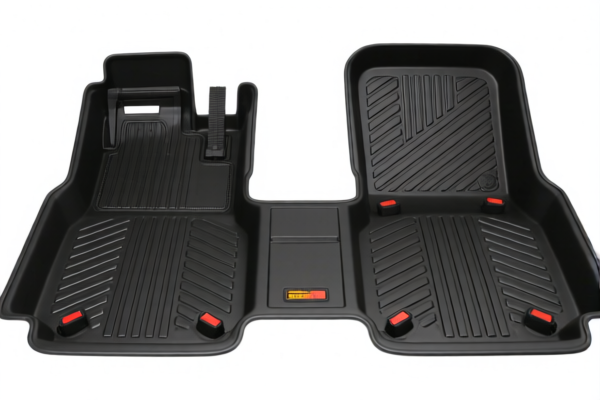
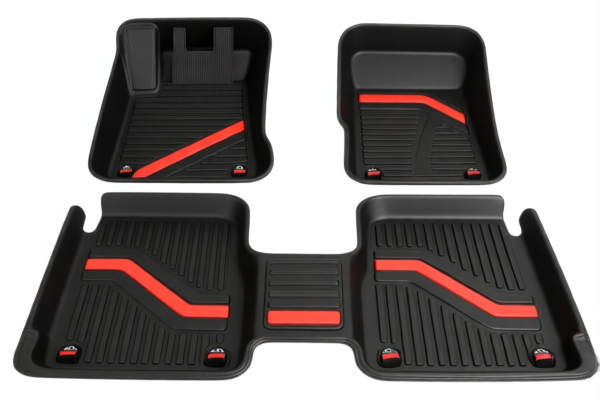
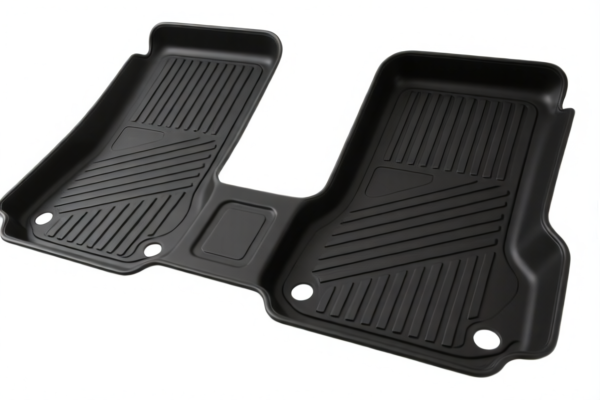
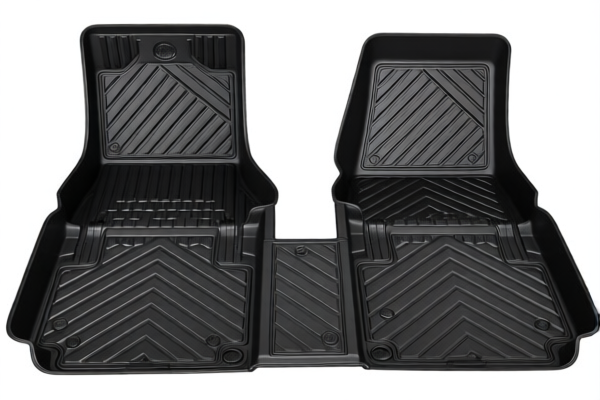
AI Analysis
🚗 Car Floor Mats: HS Code Classification & Tariff Deep Dive (2026 Guide)
🌐 HS Code Reference & Customs Clearance Guide | 2026 Latest Tariff Analysis | Professional Clearance Strategy
📌 1. Product Definition & Classification: What Exactly Are "Car Floor Mats"?
Car floor mats are interior accessories designed to protect vehicle carpets from dirt, moisture, and wear. In international trade, their classification heavily depends on the material composition and manufacturing process. They are not a single HS code; misclassification can lead to significant duty discrepancies (from 35% to nearly 88%).
There are three primary categories based on the data provided:
- Rubber/Synthetic Rubber Mats: Molded or molded-like mats made from vulcanized rubber.
- PVC Textile Mats: Fabric-based mats coated or impregnated with PVC (Polyvinyl Chloride).
- Metal/Steel Support Mats: Less common, but includes metal-based support structures or specialized steel mats (e.g., for heavy-duty trucks or specific industrial vehicles).
⚠️ Critical Distinction:
- If the mat is purely rubber/synthetic rubber and shaped to fit the floor → Chapter 40.
- If the mat is fabric/textile with a PVC coating/impregnation → Chapter 59.
- If the mat is metal/steel based → Chapter 73.
📦 2. HS Code Classification Matrix (2026 Latest Tariff Reference)
| HS Code | Product Description | Material/Structure | Key Classification Logic |
|---|---|---|---|
| 4016.91.00.00 | Rubber/Synthetic Rubber Floor Mats | Vulcanized rubber | Classified as "Other vulcanized rubber articles" |
| 4016.99.30.00 | Rubber/Synthetic Protection Mats | Rubber/Synthetic | Classified as "Shock-absorbing protective articles" |
| 5903.10.20.10 | PVC-Coated Textile Mats (Specific) | PVC-Impregnated Fabric | Classified as "Textile fabrics impregnated with PVC" |
| 5903.10.20.90 | PVC-Coated Textile Mats (General) | PVC-Impregnated Fabric | Classified as "Other textile fabrics impregnated with PVC" |
| 7326.90.86.88 | Metal/Steel Support Mats | Iron/Steel | Classified as "Other articles of iron or steel" |
🔍 重点提醒:
- Chapter 40 (Rubber) vs. Chapter 59 (Impregnated Textiles) is the most common dispute.
- If the base is fabric and PVC is the primary characteristic (surface/coating), it often falls under 5903.
- If the base is solid rubber/synthetic, it falls under 4016.
- Chapter 73 is rare for standard passenger cars but applies to heavy-duty metal mats.
💰 3. 2026 Latest Tariff Rate Breakdown (Including Additional Duties)
✅ Applicable Market: United States (US)
✅ Country of Origin: China (CN)
✅ Effective Time: Current regulations (Including Section 301, Section 232, and IEEPA surcharges)
🎯 1. Rubber-Based Mats (4016.91.00.00 & 4016.99.30.00)
| Item | Details |
|---|---|
| HS Code | 4016.91.00.00 / 4016.99.30.00 |
| Base Tariff | 2.7% (for 4016.91) / 0.0% (for 4016.99.30) |
| Section 301 Tariff | +25.0% (Additional duty on Chinese goods) |
| Section 122 / IEEPA Surcharge | +10.0% (Specific policy surcharge mentioned in data) |
| Total Effective Tariff | 35.0% – 37.7% |
| Calculation Base | CIF Value × Total Rate |
| De Minimis Exemption | ❌ Not Applicable (High tariff thresholds prevent 80/86 parcel exemptions) |
📌 Explanation:
-4016.91.00.00(Vulcanized Rubber) has a 2.7% base + 25% + 10% = 37.7%.
-4016.99.30.00(Shock-absorbing) has a 0% base + 25% + 10% = 35.0%.
- These are considered "finished articles" and are subject to full additional tariffs.
🎯 2. PVC-Textile Mats (5903.10.20.10 & 5903.10.20.90)
| Item | Details |
|---|---|
| HS Code | 5903.10.20.10 / 5903.10.20.90 |
| Base Tariff | 0.0% (Most textile-based imported goods have low base rates) |
| Section 301 Tariff | +25.0% (Additional duty on Chinese goods) |
| Section 122 / IEEPA Surcharge | +10.0% (Specific policy surcharge) |
| Total Effective Tariff | 35.0% |
| Calculation Base | CIF Value × 35% |
| De Minimis Exemption | ❌ Not Applicable |
📌 Explanation:
- Both specific (20.10) and general (20.90) PVC-coated textile mats face the same 35.0% total tariff.
- The base rate is 0%, but the 25% + 10% surcharges dominate the cost.
🎯 3. Metal/Steel Mats (7326.90.86.88)
| Item | Details |
|---|---|
| HS Code | 7326.90.86.88 |
| Base Tariff | 2.9% (Iron/Steel articles) |
| Section 301 Tariff | +25.0% |
| Section 122 / IEEPA Surcharge | +10.0% |
| Steel/Aluminum/Copper Surcharge | +50.0% (Critical Additional Duty for Steel) |
| Total Effective Tariff | 87.9% |
| Calculation Base | CIF Value × 87.9% |
| De Minimis Exemption | ❌ Not Applicable |
📌 Explanation:
- WARNING: This HS Code attracts a massive +50% surcharge specifically for steel products under certain trade sections (likely related to Section 232 or specific steel/aluminum duties).
- Total tariff: 2.9% + 25% + 10% + 50% = 87.9%.
- This is an extremely high tariff category. Avoid this classification unless the product is strictly metal and necessary.
🛠️ 4. Practical Customs Clearance Advice (Avoiding Pitfalls)
✅ 1. Preparation Checklist (Mandatory)
| Document | Requirement | Purpose |
|---|---|---|
| Product Spec Sheet | ✔️ Must include material breakdown (e.g., "90% PVC, 10% Polyester backing") | Determines Chapter 40 vs. 59 |
| Material Safety Data Sheet (MSDS) | ✔️ For rubber/PVC chemicals | Customs safety review |
| Photos (Labeled) | ✔️ Clear shots of texture, backing, and hooks | Visual confirmation of material |
| Commercial Invoice | ✔️ Clearly state "Car Floor Mats" + HS Code | Avoid vague descriptions like "Accessories" |
| Certificate of Origin | ✔️ If applicable for non-China origin | Potential duty reduction |
✅ 2. Classification Strategy (Key Tips)
🔥 "Material is King: Rubber = Ch40, Fabric+PVC = Ch59, Steel = Ch73 (Avoid!)"
| Scenario | Recommended HS Code | Why? |
|---|---|---|
| All-Weather Rubber Mats | 4016.91.00.00 or 4016.99.30.00 |
Made of molded rubber; no textile base. |
| Carpet Mats with PVC Backing | 5903.10.20.10 or 5903.10.20.90 |
Textile base is primary; PVC is coating. |
| Heavy-Duty Metal Mats | 7326.90.86.88 |
Only if explicitly iron/steel. |
| Mixed Materials (e.g., Rubber + Carpet) | Depends on Essential Character | If rubber dominates → Ch40; If carpet dominates → Ch59 or Ch57. |
⚠️ Common Mistake:
- Declaring Rubber Mats as Textile Mats (5903) to avoid 2.7% base tax?
→ Risk: Customs may reclassify and impose 37.7% + penalties if inspection proves it’s rubber.
- Declaring Metal Mats as Rubber Mats to avoid 50% steel surcharge?
→ Risk: 87.9% vs 37.7%. If caught, heavy fines and shipment seizure.
✅ 3. Special Cases
| Situation | Advice |
|---|---|
| OEM Custom Mats | Provide design specs to prove material composition. |
| Sets (Mat + Trunk Liner) | If sold together, classify by the essential character of the set. Usually, floor mats dominate. |
| Samples | Mark as "Non-Commercial Samples" but still subject to duty if over de minimis value. |
🌍 5. Global Market Comparison (2026)
| Region | Recommended HS | Est. Tariff (China Origin) | Notes |
|---|---|---|---|
| 🇺🇸 USA | 4016.99.30.00 / 5903.10.20.90 |
35.0% - 37.7% | High due to Section 301 + IEEPA. |
| 🇨🇳 China (Import) | 4016.99.30.00 |
~5-10% | Lower base rates, no US-style surcharges. |
| 🇪🇺 EU | 4016.99 / 5903.10 |
~4.5% - 6.5% | No Section 301 equivalent; standard MFN rates. |
| 🇨🇦 Canada | 4016.99 |
~5% - 10% | Check CUSMA eligibility if assembled in US/Mexico. |
📌 Conclusion:
- The US market is the most expensive for Chinese-made car mats due to layered tariffs.
- Avoid7326.90.86.88unless absolutely necessary due to the 87.9% tariff.
-4016.99.30.00and5903.10.20.90are the most common and cost-effective classifications (35-37.7%).
📌 6. Common Errors & Pitfalls (Lessons Learned)
❌ Error 1: Using generic terms like "Auto Accessories"
👉 Result: Customs delays, possible reclassification to highest duty rate.
👉 Fix: Always specify "Car Floor Mats" and material.
❌ Error 2: Misclassifying PVC-Fabric Mats as Rubber
👉 Result: If inspected, deemed as rubber → 37.7% instead of 35% (minor difference) but risk of penalty for false declaration.
👉 Fix: Provide material composition certificate.
❌ Error 3: Ignoring Steel Surcharge
👉 Result: If a mat has metal clips or is metal-based, declaring it as rubber to avoid 50% surcharge is fraud.
👉 Fix: Accurate material breakdown.
🎯 7. Final Advice: Optimize Your Clearance
🎯 Remember the Key Rule:
🔹 "Rubber = Ch40 (37.7%), PVC-Textile = Ch59 (35%), Steel = Ch73 (87.9% - AVOID!)"
🔹 "Always declare the exact material. Do not guess the HS Code."
📌 Pro Tip:
If your mats are made in Vietnam, Mexico, or Thailand, you may qualify for lower or zero tariffs under USMCA (Mexico) or other FTAs.
✅ Action:
- Confirm country of origin.
- If non-China, apply for Preference Certification.
- Use Advance Ruling from CBP if unsure about material characterization.
📣 Immediate Action Required:
📞 Contact your customs broker with product samples.
📄 Request an HS Code Pre-Ruling from CBP if shipping large volumes.
🚀 Save costs by choosing the correct HS Code (35% vs 88%)!
✨ Professional Clearance Starts with Accurate Classification!
💼 Every percentage point saved is pure profit!
Customer Reviews
About HS Code Classification
The Harmonized System (HS) is an internationally standardized nomenclature developed by the World Customs Organization (WCO) to classify traded products. Over 200 countries use the HS system as the basis for customs tariffs, trade statistics, and import/export regulations.
Each HS code follows a hierarchical structure:
- Chapter (2 digits) — Broad category of goods (e.g., Chapter 84: Machinery and Mechanical Appliances)
- Heading (4 digits) — More specific grouping within the chapter
- Subheading (6 digits) — Internationally standardized breakdown, used by all WCO member countries
- National subdivisions (8-10 digits) — Country-specific extensions for further classification, such as US HTSUS 10-digit codes
Correct HS code classification is essential for smooth customs clearance, accurate duty payment, and compliance with trade regulations. Misclassification can lead to customs delays, overpayment of duties, or penalties.
When importing from CN to US, the applicable tariff rates may include:
- Most-Favored-Nation (MFN) rate — The standard duty rate applied to WTO members
- General rate — Applied to countries without trade agreements
- Trade remedy duties — Additional tariffs such as Section 301 (anti-dumping), Section 232 (national security), or countervailing duties
The information provided on this page is for reference purposes only. For official classification, please consult with your local customs authority or a licensed customs broker.