Car Fuel Tank
CN → US| HS Code | Tariff Rate | Origin | Destination | Doc |
|---|---|---|---|---|
| 7310290065 | 85.0% | CN | US | Official Doc |
| 8708295110 | 0.0% | CN | US | Official Doc |
| 7612905000 | 35.0% | CN | US | Official Doc |
| 7612901090 | 40.7% | CN | US | Official Doc |
| 7310100090 | 85.0% | CN | US | Official Doc |
| 8708295160 | 0.0% | CN | US | Official Doc |
Product Images
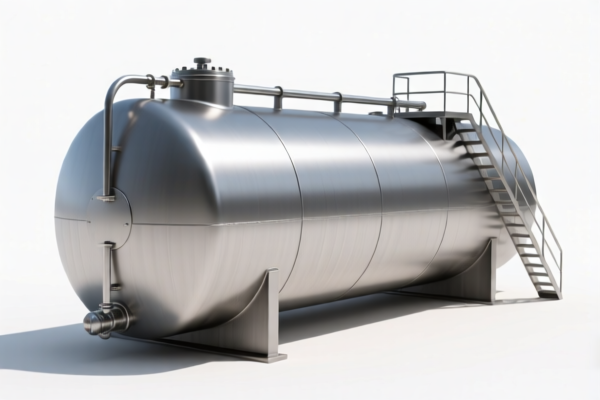
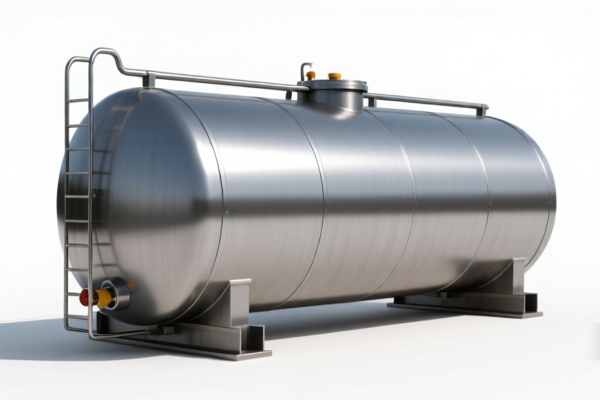
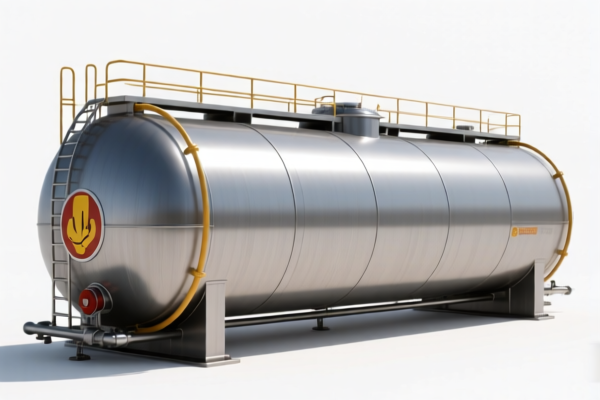
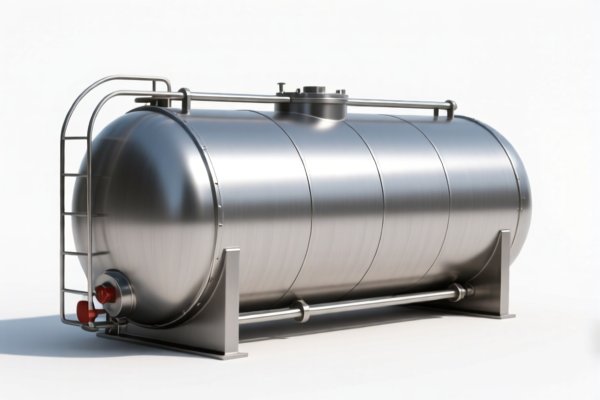
AI Analysis
🚗 Car Fuel Tank (Automobile Fuel Tanks)
🌐 HS Code Reference & Customs Clearance Guide | 2026 Latest Tariff Analysis | Professional Clearance Strategy
📌 I. Product Definition & Classification: Do You Really Understand "Car Fuel Tank"?
A car fuel tank is a critical component for storing gasoline, diesel, or other liquid fuels for internal combustion engine vehicles. In international trade, its classification depends heavily on material (steel vs. aluminum) and form/function (finished tank vs. stamped parts).
⚠️ Key Distinction:
- Steel Containers: If the tank is made of iron or steel and falls within specific capacity ranges (50–300 liters), it is classified under Chapter 73 (Iron/Steel Articles), specifically Heading 7310. - Aluminum Containers: If the tank is made of aluminum and holds less than 300 liters, it is classified under Chapter 76 (Aluminum Articles), specifically Heading 7612. - Car Body Parts: If the item is explicitly identified as a "body part" or "stampings" for vehicles rather than a general storage container, it may fall under Chapter 87 (Vehicles), specifically Heading 8708.
📦 II. HS Code Classification Details (2026 Latest Tariff Authority Comparison)
Based on the provided data, here are the precise HS Codes for Car Fuel Tanks, categorized by material and description:
| HS Code | Product Description | Material | Key Characteristics |
|---|---|---|---|
7310.29.00.65 |
Iron or steel containers, capacity 50–300 liters, for storing liquids | Steel | Specific sub-code for this capacity range |
7310.10.00.90 |
Iron or steel containers, capacity 50–300 liters, other containers | Steel | General "other" category for steel tanks in this range |
7612.90.50.00 |
Aluminum or steel containers, capacity <300 liters, for storing liquids | Aluminum/Steel | General category for small containers (<300L) |
7612.90.10.90 |
Aluminum containers, for storing liquid materials | Aluminum | Specific to aluminum construction |
8708.29.51.10 |
Car body parts, metal stampings | Metal | Classified as a vehicle part, not a general container |
8708.29.51.60 |
Vehicle body parts, metal/plastic, for other body parts/accessories | Metal/Plastic | Classified as a specific vehicle accessory/structural part |
🔍 Critical Note:
- Steel vs. Aluminum: This is the primary divider. Steel tanks generally incur higher tariffs due to the "Section 232" steel/aluminum surcharges (50%) if applicable, whereas aluminum may be subject to different duties. - Container vs. Part: If customs views the tank as a "vehicle body part" (HS 8708), the tariff structure differs significantly from a generic "steel container" (HS 7310/7612). Correct classification is vital to avoid misdeclaration penalties.
💰 III. 2026 Latest Tariff Rate Breakdown (Including Additional Taxes)
✅ Applicable Country: United States (US)
✅ Origin: China (CN)
✅ Effective Date: Post-2025 tariffs apply
✅ Note: Rates include Base Duty + Section 301/122 Surcharges + Steel/Aluminum Surcharge (where applicable)
🎯 1. 7310.29.00.65 & 7310.10.00.90 —— Steel Fuel Tanks (50-300L)
| Item | Content |
|---|---|
| Base Duty | 0.0% |
| Section 301 Surcharge | +25.0% |
| Section 122 Surcharge | +10.0% |
| Section 232 Surcharge (Steel/Al/Cu) | +50.0% |
| Total Duty Rate | 85.0% |
| Calculation | CIF Value × 85% |
| De Minimis Exemption | ❌ Not Eligible |
| Legal Basis Path | USITC:7310... → FOOTNOTE:Steel/Al/Cu → IEEPA:301/122 |
📌 Explanation:
- Steel containers are hit by the highest combination of tariffs.
- The 50% Section 232 surcharge applies because these are steel articles.
- The 10% Section 122 surcharge adds further cost.
- Total Tax: 85%. This is a prohibitive rate for low-margin goods.
🎯 2. 7612.90.50.00 & 7612.90.10.90 —— Aluminum Fuel Tanks (<300L)
| Item | Content |
|---|---|
| Base Duty | 0.0% (for .50) or 5.7% (for .10) |
| Section 301 Surcharge | +25.0% |
| Section 122 Surcharge | +10.0% |
| Section 232 Surcharge (Steel/Al/Cu) | +50.0% |
| Total Duty Rate | 35.0% (for .50) or 40.7% (for .10) |
| Calculation | CIF Value × Rate |
| De Minimis Exemption | ❌ Not Eligible |
| Legal Basis Path | USITC:7612... → FOOTNOTE:Steel/Al/Cu → IEEPA:301/122 |
📌 Explanation:
- Aluminum containers are also subject to the 50% Section 232 surcharge.
- The base duty for7612.90.50.00is 0%, leading to a 35% total.
- The base duty for7612.90.10.90is 5.7%, leading to a 40.7% total.
- Significantly lower than steel tanks, but still high due to Section 232.
🎯 3. 8708.29.51.10 & 8708.29.51.60 —— Car Body Parts (Metal Stampings)
| Item | Content |
|---|---|
| Base Duty | 2.5% |
| Section 301 Surcharge | +25.0% |
| Section 122 Surcharge (Steel/Al/Cu) | Variable: +10% OR +50% |
| Total Duty Rate | 37.5% (for .10) or 87.5% (for .60) |
| Calculation | CIF Value × Rate |
| De Minimis Exemption | ❌ Not Eligible |
| Legal Basis Path | USITC:8708... → FOOTNOTE:Varies → IEEPA:301 |
📌 Explanation:
-8708.29.51.10: Labeled as "metal stampings." It does not trigger the full 50% Section 232 surcharge in this specific sub-code description (only Section 122 10% is shown in the summary, though 301 25% applies). Total: 2.5% + 25% + 10% = 37.5%.
-8708.29.51.60: Labeled as "other body parts." This triggers the 50% Section 232 surcharge (Steel/Al/Cu). Total: 2.5% + 25% + 10% + 50% = 87.5% (Note: Data shows2.5% + 85%, implying the additional 85% is the sum of 25+10+50).
- Warning: Misclassifying a steel tank as a generic part (.60) can accidentally trigger the 85%+ rate.
🛠️ IV. Customs Clearance Practical Advice (Battle-Tested Pitfall Guide)
✅ 1. Documentation Checklist (Non-negotiable)
| Document | Required? | Notes |
|---|---|---|
| ✅ Product Specification Sheet | ✔️ | Must specify Material (Steel vs. Aluminum), Capacity (Liters), and Dimensions. |
| ✅ Technical Drawings | ✔️ | Essential to prove if it’s a "finished tank" (7310/7612) or a "stampings/part" (8708). |
| ✅ Commercial Invoice | ✔️ | Clear description: e.g., "Aluminum Fuel Tank, 60L, for SUV, HS 7612.90.50.00". |
| ✅ Certificate of Origin | ✔️ | Crucial for determining origin-based tariffs. |
| ✅ Material Certification | ✔️ | Proof of Steel/Aluminum composition to avoid misclassification penalties. |
✅ 2. Classification Strategy (Key Mnemonic)
🔥 "Steel Gets 85, Aluminum 35, Part Check 37/87!"
| Scenario | Correct HS Code | Risk of Misclassification |
|---|---|---|
| Steel Tank, 60L | 7310.29.00.65 |
If miscoded as auto part .60 → 85% vs 85% (same). But if coded as general steel without 122 → 60%. |
| Aluminum Tank, 50L | 7612.90.50.00 |
If miscoded as steel → 85% (Wrong!). If coded as part .60 → 85% (Wrong!). |
| Car Body Stamping | 8708.29.51.10 |
If coded as container → 85% (Steel) or 35% (Al). Savings! |
| Plastic/Metal Hybrid | 8708.29.51.60 |
High risk. Ensure it’s not seen as a "container" to avoid 85%. |
📌 Critical Tip:
- If you are exporting Steel tanks, check if they can be classified as "Stampings" (8708.29.51.10) rather than "Containers" (7310). This might save you the 50% Section 232 surcharge (if applicable) and reduce the rate from 85% to 37.5%.
- Always verify with a customs broker if the specific stamping qualifies for the lower duty rate.
✅ 3. Special Cases
| Case | Advice |
|---|---|
| OEM Fuel Tanks | Provide the vehicle model and part number. This supports classification under 8708 (Vehicles Parts). |
| Aftermarket Tanks | If not tied to a specific vehicle, customs may lean toward 7310/7612 (Containers). Expect higher duties. |
| Plastic Fuel Tanks | Not in provided data. Likely under Chapter 39. Verify separately. |
| Small Capacities (<50L) | Might fall under different subheadings. Check Chapter 73/76 notes. |
🌍 V. Global Market Comparison (2026)
| Country/Region | Recommended HS Code | Estimated Duty (China Origin) | Notes |
|---|---|---|---|
| 🇺🇸 USA | 7310.29.00.65 (Steel) |
85.0% | Includes Section 232, 301, 122. |
| 🇺🇸 USA | 7612.90.50.00 (Al) |
35.0% | Includes Section 232, 301, 122. |
| 🇺🇸 USA | 8708.29.51.10 (Part) |
37.5% | Lower if qualified as stamping. |
| 🇨🇳 China | 7310.29.00.65 |
1-5% | Low base duty, no US surcharges. |
| 🇪🇺 EU | 7310.29 |
~6-10% | No Section 301/232 equivalents. |
📌 Conclusion:
- The US market is extremely expensive for steel and aluminum containers due to multiple overlapping tariffs (301 + 122 + 232).
- Aluminum is significantly cheaper to import than Steel.
- Classification as a "Vehicle Part" (8708) is the best strategy for cost savings, but requires strong evidence that the item is a part of a vehicle body system, not a generic container.
📌 VI. Common Errors & Pitfalls (Lessons Learned)
❌ Error 1: Classifying a Steel Fuel Tank as 8708.29.51.60 without proof.
👉 Consequence: If rejected by customs, you face 85% duty + penalties.
✅ Fix: Ensure part number matches OEM specs.
❌ Error 2: Ignoring the 50% Section 232 Surcharge.
👉 Consequence: Under-declaring tax liability.
✅ Fix: Always check if the material (Steel/Al/Cu) triggers the 232 duty.
❌ Error 3: Mixing up Capacity Limits (50-300L vs <300L).
👉 Consequence: Wrong HS Code → Audit risk.
✅ Fix: Measure exactly. 50L is the threshold for Chapter 73.
🎯 VII. Conclusion: Professional Clearance, Maximize Profit!
🎯 Remember:
🔹 "Steel Tanks: 85% Tax Alarms!"
🔹 "Aluminum Tanks: 35% is Manageable!"
🔹 "Classify as Parts (8708) to Save 50% Surcharge!"
📌 Pro Tip:
If your fuel tanks are Aluminum, prioritize 7612.90.50.00 or 8708.29.51.10 if eligible.
If Steel, attempt to classify as 8708.29.51.10 (Stampings) to reduce the rate from 85% to 37.5%.
📣 Immediate Action:
📞 Contact a Customs Broker → Provide Material Spec + Part Number → Request HS Code Pre-Ruling.
🚀 Save 50% on tariffs by getting the classification right!
✨ Professional Clearance Starts with Accurate Classification!
💼 Your Cost Efficiency Depends on the Last Digit of the HS Code!
Customer Reviews
About HS Code Classification
The Harmonized System (HS) is an internationally standardized nomenclature developed by the World Customs Organization (WCO) to classify traded products. Over 200 countries use the HS system as the basis for customs tariffs, trade statistics, and import/export regulations.
Each HS code follows a hierarchical structure:
- Chapter (2 digits) — Broad category of goods (e.g., Chapter 84: Machinery and Mechanical Appliances)
- Heading (4 digits) — More specific grouping within the chapter
- Subheading (6 digits) — Internationally standardized breakdown, used by all WCO member countries
- National subdivisions (8-10 digits) — Country-specific extensions for further classification, such as US HTSUS 10-digit codes
Correct HS code classification is essential for smooth customs clearance, accurate duty payment, and compliance with trade regulations. Misclassification can lead to customs delays, overpayment of duties, or penalties.
When importing from CN to US, the applicable tariff rates may include:
- Most-Favored-Nation (MFN) rate — The standard duty rate applied to WTO members
- General rate — Applied to countries without trade agreements
- Trade remedy duties — Additional tariffs such as Section 301 (anti-dumping), Section 232 (national security), or countervailing duties
The information provided on this page is for reference purposes only. For official classification, please consult with your local customs authority or a licensed customs broker.