Car Glasses Holder
CN → US| HS Code | Tariff Rate | Origin | Destination | Doc |
|---|---|---|---|---|
| 7326200090 | 88.9% | CN | US | Official Doc |
| 3926908500 | 24.0% | CN | US | Official Doc |
| 7326908688 | 87.9% | CN | US | Official Doc |
| 8708295160 | 0.0% | CN | US | Official Doc |
| 3926909989 | 22.8% | CN | US | Official Doc |
| 8708295110 | 0.0% | CN | US | Official Doc |
Product Images

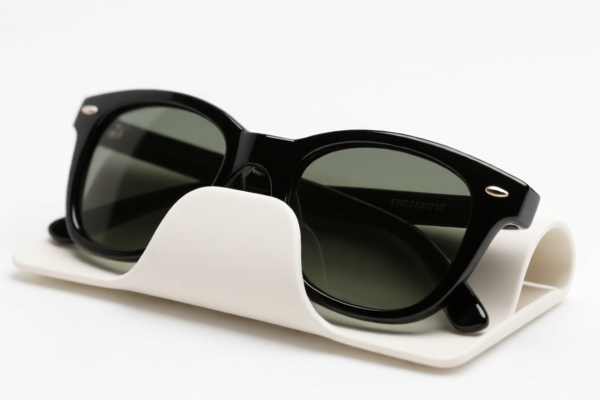
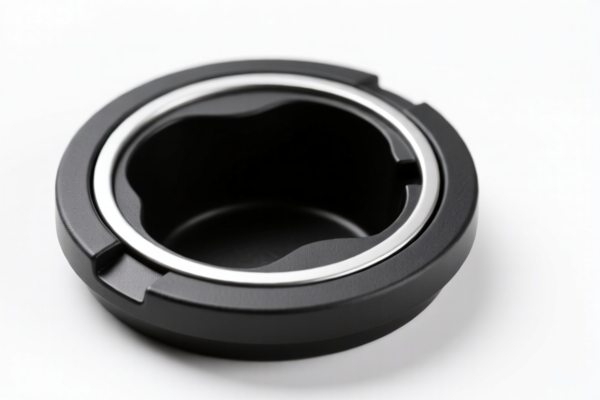
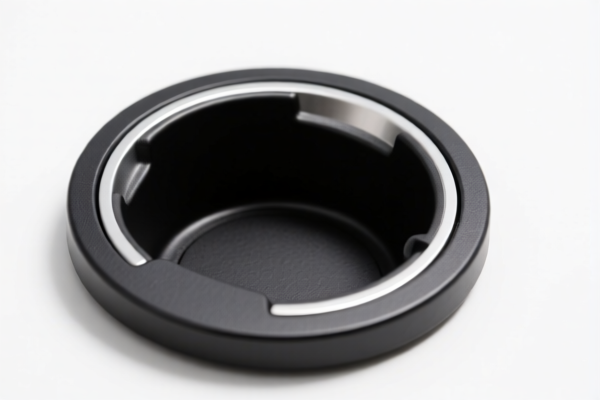
AI Analysis
🚗 Car Glasses Holder (Eyeglass Case & Sun Visor Organizer)
🌐 HS Code Reference & Customs Clearance Guide | 2026 Latest Tariff Breakdown | Professional Strategy for Automotive Accessories
📌 I. Product Definition & Classification: Do You Really Know What a "Car Glasses Holder" Is?
A Car Glasses Holder is an interior automotive accessory designed to store eyeglasses, sunglasses, or small items. In international trade, its classification depends heavily on material and intended use. It is generally categorized into two main types:
Automotive Part (Vehicle Accessory): Specifically designed to attach to the car's sun visor or dashboard. If it is primarily considered a part of the vehicle's interior equipment, it may fall under Chapter 87.
General Purpose Container/Accessory: If it is a general-purpose plastic or metal holder that can be used outside the vehicle, it may fall under Chapter 39 (Plastics) or Chapter 73 (Iron/Steel).
⚠️ Key Distinction Point:
- If the product is specifically shaped for a sun visor slot or marketed exclusively as a "car accessory," US Customs often leans toward Chapter 87 (Vehicle Parts).
- If it is a universal clip-on design made of plastic/metal without specific automotive integration, it is more likely classified as Chapter 39 (Plastics) or Chapter 73 (Metal Articles).
📦 II. HS Code Classification Details (2026 Latest Tariff Authority Comparison)
Based on the provided data, here are the possible HS Codes and their logical justifications:
| HS Code | Product Description | Material/Use Inference | Total Tax Rate |
|---|---|---|---|
7326.20.00.90 |
Other articles of iron or steel (e.g., wire articles) | Iron/Steel. Inferred as a metal wire or rigid metal clip. | 88.9% |
3926.90.85.00 |
Other articles of plastics and articles of other materials of heading 3902 to 3914 | Plastic. Specifically inferred as a clipped fastener or plastic holder. | 24.0% |
7326.90.86.88 |
Other articles of iron or steel | Iron/Steel. Inferred as other metal articles (general category). | 87.9% |
8708.29.51.60 |
Parts and accessories of motor vehicles | Vehicle Accessory. Specifically inferred as a car body part/accessory. | 2.5% + 85.0% |
3926.90.99.89 |
Other articles of plastics | Plastic. General category for unlisted plastic articles. | 22.8% |
8708.29.51.10 |
Parts and accessories of motor vehicles | Vehicle Accessory. Specifically inferred as a cab/body accessory (plastic or metal). | 2.5% + 35.0% |
🔍 Critical Analysis:
- Why so many codes? The classification depends on whether the Customs officer views this as a "Part of the Vehicle" (Ch 87) or a "General Use Item" (Ch 39/73).
- The "Car Accessory" Trap: Codes8708.29.51.60and8708.29.51.10are highly attractive for the base rate (2.5%) but carry heavy Section 301 and Section 232 surcharges.
- The "Plastic" Advantage: Codes3926.90.85.00and3926.90.99.89have lower total effective rates (22.8%-24.0%) because the surcharges are calculated on a lower base or are lower in percentage.
💰 III. 2026 Latest Tariff Rate Breakdown (Detailed Policy Analysis)
✅ Applicable Country: USA (US)
✅ Origin: China (CN)
✅ Effective Time: Post-2025 Trade Policy (Including Section 301 & 232 Tariffs)
🎯 1. 8708.29.51.60 & 8708.29.51.10 — Vehicle Parts/Accessories (The "High Risk" Route)
These codes classify the glasses holder as a part of the car body.
| Component | Rate | Explanation |
|---|---|---|
| Base Duty | 2.5% | Standard MFN rate for vehicle parts. |
| Section 301 Tariff | +25.0% | Additional tariff on Chinese goods under Section 301. |
| Section 232 Tariff | +10% or +50% | Steel/Aluminum/Copper Surcharge: - If metal: +10% (for steel parts) or +50% (for aluminum/copper). - Note: Data shows "10% steel, 50% Al/Cu". |
| Total Effective Rate | 2.5% + 85.0% (for 51.60) 2.5% + 35.0% (for 51.10) |
Warning: The base rate is tiny, but the surcharges are massive. |
| Total Tax | 87.5% - 89.5% | Extremely High. |
| De Minimis Eligibility | ❌ Denied | Cannot use $800 exemption. |
📌 Interpretation:
- Code8708.29.51.60likely involves steel/aluminum components, triggering the 50% Section 232 surcharge on top of other fees.
- Code8708.29.51.10might be a plastic/metal composite, resulting in a slightly lower total surcharge (35%) but still very high.
- Strategy: Avoid these if possible due to the complex surcharge calculation and high final cost.
🎯 2. 3926.90.85.00 — Plastic Clipped Fasteners/Holders (The "Sweet Spot"?)
If the holder is primarily plastic and considered a "clipped fastener" or general plastic article.
| Component | Rate | Explanation |
|---|---|---|
| Base Duty | 6.5% | Standard rate for plastic articles. |
| Section 301 Tariff | +7.5% | Reduced Section 301 rate for some plastic exclusions (check current list). |
| Section 232 Tariff | N/A | No metal content, so no steel/aluminum surcharge. |
| Total Tax | 24.0% | Significantly Lower than vehicle parts. |
| De Minimis Eligibility | ❌ Likely Denied | Even at 24%, the de minimis exemption is often blocked for Section 301 goods. |
📌 Interpretation:
- This is the most cost-effective option if the product is 100% plastic.
- The description "Clipped Fastener" (3926.90.85.00) suggests it’s viewed as a generic plastic clip, not a car part.
🎯 3. 3926.90.99.89 — General Plastic Articles (The "Fallback" Option)
If it doesn't fit the "clipped fastener" definition.
| Component | Rate | Explanation |
|---|---|---|
| Base Duty | 5.3% | Standard rate for other plastic articles. |
| Section 301 Tariff | +7.5% | Same as above. |
| Total Tax | 22.8% | Very Competitive. |
| De Minimis Eligibility | ❌ Likely Denied |
📌 Interpretation:
- Just 0.2% lower than the clipped fastener code.
- Safe for general plastic items.
🎯 4. 7326.20.00.90 & 7326.90.86.88 — Iron/Steel Articles (The "Avoid" Option)
If the holder is made of metal (iron/steel).
| Component | Rate | Explanation |
|---|---|---|
| Base Duty | 2.9% - 3.9% | Low base rate. |
| Section 301 Tariff | +25.0% | Standard Section 301. |
| Section 232 Tariff | +50% | Steel Surcharge. |
| Total Tax | 87.9% - 88.9% | Prohibitive. |
📌 Interpretation:
- Metal glasses holders are not recommended for import into the US due to the 50% Section 232 tariff.
- Unless you are exempt, the cost is too high.
🛠️ IV. Customs Clearance Practical Advice (Battle-Tested Pitfall Guide)
✅ 1. Preparation Checklist (Do Not Skip)
| Item | Mandatory? | Explanation |
|---|---|---|
| ✅ Product Photos | ✔️ | Show the clip mechanism and material texture (plastic vs. metal). |
| ✅ Material Declaration | ✔️ | Clearly state: "100% ABS Plastic" or "Steel Wire with Plastic Coating". |
| ✅ Usage Description | ✔️ | "Interior automotive accessory for storing eyeglasses." |
| ✅ Commercial Invoice | ✔️ | Avoid vague terms like "Holder". Use "Car Visor Eyeglass Case". |
| ✅ Packaging List | ✔️ | Ensure the item is not shipped with other car parts that could confuse classification. |
✅ 2. Classification Strategy (Key Mantra)
🔥 "Plastic is Low, Steel is High, Car Part is Complex!"
| Scenario | Recommended HS Code | Total Tax | Risk Level |
|---|---|---|---|
| 100% Plastic | 3926.90.85.00 or 3926.90.99.89 |
~23-24% | 🟢 Low (Clear path) |
| Plastic + Metal Clip | 8708.29.51.10 (Vehicle Part) |
~37.5% | 🟡 Medium (Complex surcharges) |
| 100% Metal | 7326.20.00.90 |
~88.9% | 🔴 High (Avoid!) |
| Universal Clip (Non-Car) | 3926.90.99.89 |
~22.8% | 🟢 Low |
📌 Critical Tip:
- If you can prove the product is not exclusively for cars (e.g., can be used on a desk), argue for Chapter 39 (Plastics).
- If it is only for cars (visors), Customs may force Chapter 87 (Vehicle Parts), leading to higher taxes.
✅ 3. Special Case Handling
| Situation | Handling Advice |
|---|---|
| OEM for Car Brands | If it’s a branded part (e.g., "Ford Glasses Holder"), Customs will likely classify it as Chapter 87. Prepare for Section 232/301 surcharges. |
| General Retail (Amazon) | Market as "Universal Car Sunglass Holder". Use Plastic materials to qualify for Chapter 39. |
| Mixed Materials | If >5% metal by value, it may still trigger Section 232. Stick to plastic if possible. |
| De Minimis ($800) | ❌ Not Available. All these codes are subject to Section 301/232, so the $800 exemption does not apply. |
🌍 V. Global Market Comparison (2026)
| Country/Region | Recommended HS Code | Estimated Tax | Notes |
|---|---|---|---|
| 🇺🇸 USA | 3926.90.99.89 (Plastic) |
~22.8% | Best option for plastic. Avoid metal. |
| 🇨🇳 China | 3926.90.99.89 |
5-10% | Low tariff for domestic import/re-export. |
| 🇪🇺 EU | 3926.90.97.00 |
0-4.5% | Generally low tariff. No US-style surcharges. |
| 🇬🇧 UK | 3926.90.90.00 |
4.5% | Post-Brexit tariff applies. |
📌 Conclusion:
- The US market is the most challenging due to Section 301 and 232 tariffs.
- Plastic materials are your best friend. Metal is a trap.
- Vehicle part classification increases complexity and cost.
📌 VI. Common Mistakes & Pitfalls (Lessons Learned)
❌ Mistake 1: Shipping metal glasses holders and hoping for low tax.
👉 Result: 88.9% Tax (Base + 301 + 232). Profit Destroyed.
❌ Mistake 2: Declaring as "Household Plastic Item" but Customs sees "Car Visor Slot Fit".
👉 Result: Re-classified as Vehicle Part (8708), triggering Section 232 surcharge. Unexpected High Cost.
❌ Mistake 3: Assuming De Minimis ($800) applies.
👉 Result: Seizure or Forced Bond Entry. All these codes are on the Section 301/232 watchlist.
❌ Mistake 4: Using vague descriptions like "Accessory".
👉 Result: Customs officer picks the highest duty code. Always specify Material and Use.
✅ Correct Practice:
"Plastic Car Interior Accessory, Eyeglass Holder, Universal Clip-On, 100% ABS Plastic, Model XYZ"
🎯 VII. Conclusion: Smart Classification, Save Money!
🎯 Remember the Mantra:
🔹 "Plastic is King, Metal is Death, Car Part is Complex!"
🔹 "Check the Material, Avoid the Steel, Save 60% in Tax!"
📌 Pro Tip:
If your supplier offers plastic holders, always choose them.
If you must use metal, consider repackaging in a non-US warehouse (if eligible for duty drawbacks) or absorbing the cost as a premium product.
📣 Immediate Action:
📞 Contact your Customs Broker with product photos.
📦 Request a Pre-Ruling if the shipment value is high.
🚀 Optimize your Supply Chain: Switch to Plastic to reduce US tariffs from ~88% to ~23%.
✨ Professional Customs Clearance Starts with Accurate Classification!
💼 Your Profit Margin Depends on the HS Code!
Customer Reviews
About HS Code Classification
The Harmonized System (HS) is an internationally standardized nomenclature developed by the World Customs Organization (WCO) to classify traded products. Over 200 countries use the HS system as the basis for customs tariffs, trade statistics, and import/export regulations.
Each HS code follows a hierarchical structure:
- Chapter (2 digits) — Broad category of goods (e.g., Chapter 84: Machinery and Mechanical Appliances)
- Heading (4 digits) — More specific grouping within the chapter
- Subheading (6 digits) — Internationally standardized breakdown, used by all WCO member countries
- National subdivisions (8-10 digits) — Country-specific extensions for further classification, such as US HTSUS 10-digit codes
Correct HS code classification is essential for smooth customs clearance, accurate duty payment, and compliance with trade regulations. Misclassification can lead to customs delays, overpayment of duties, or penalties.
When importing from CN to US, the applicable tariff rates may include:
- Most-Favored-Nation (MFN) rate — The standard duty rate applied to WTO members
- General rate — Applied to countries without trade agreements
- Trade remedy duties — Additional tariffs such as Section 301 (anti-dumping), Section 232 (national security), or countervailing duties
The information provided on this page is for reference purposes only. For official classification, please consult with your local customs authority or a licensed customs broker.