Car Horn
CN → US| HS Code | Tariff Rate | Origin | Destination | Doc |
|---|---|---|---|---|
| 8531809031 | 17.5% | CN | US | Official Doc |
| 8512300020 | 37.5% | CN | US | Official Doc |
| 8531809041 | 17.5% | CN | US | Official Doc |
Product Images
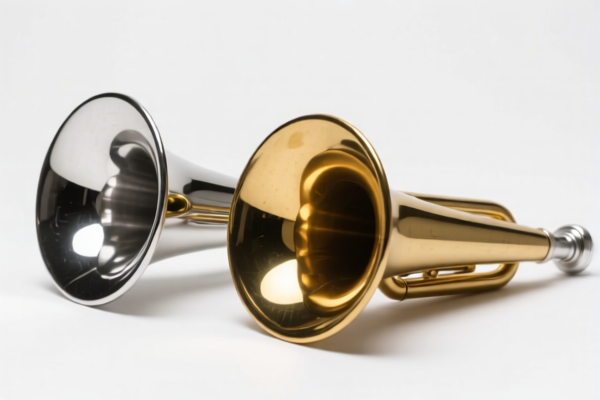


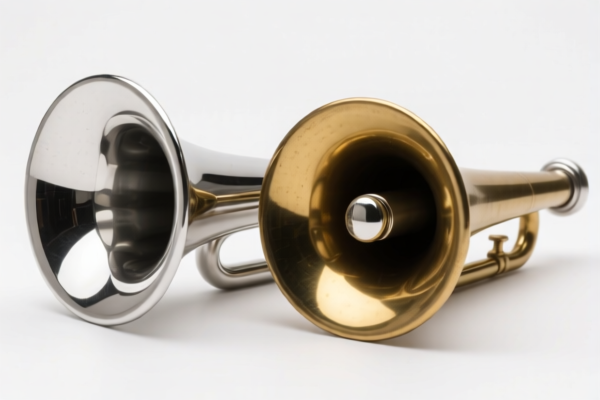
AI Analysis
🚗 Car Horns (Automotive Acoustic Signal Devices)
🌐 HS Code Reference & Customs Clearance Guide | 2026 Latest Tariff Analysis | Professional通关 Strategy
📌 I. Product Definition & Classification: Do You Really Know "Car Horns"?
A car horn is a critical safety component in motor vehicles, categorized under electro-acoustic signal devices. In international trade, its classification depends on whether it is viewed as a general electro-acoustic component or a specific vehicle sound signal device.
Electro-Acoustic Components: General-purpose sound signaling devices without specific vehicle integration features → Often classified under 8531.
Vehicle-Specific Signal Devices: Devices explicitly designed for motor vehicle warning systems → Often classified under 8512.
⚠️ Key Distinction Point:
- If the horn is a general electro-acoustic alarm/signal device not exclusively tied to vehicle signal standards →归入 8531.80.90.31 / 8531.80.90.41
- If the horn is explicitly defined as a sound signal equipment for motor vehicles →归入 8512.30.00.20
📦 II. HS Code Classification Details (2026 Latest Tariff Authority Comparison)
| HS Code | Product Description | Application Scenario | Key Classification Logic |
|---|---|---|---|
8531.80.90.31 |
Electro-acoustic signal devices, match use as horn-type, no material conflict | General electric horns, aftermarket replacement horns | ✅ "Horn-type" electro-acoustic signal device |
8512.30.00.20 |
Sound signal equipment and horns for motor vehicles | OEM vehicle horns, strict automotive standard horns | ✅ Fully fits "sound signal equipment for motor vehicles" definition |
8531.80.90.41 |
Electro-acoustic alarm devices, fits bottom-up category for other alarm devices | General alarm horns, non-automotive specific electric alarms | ✅ "Other electro-acoustic alarm devices" catch-all category |
🔍 Key Reminder:
- The distinction lies in whether the product is classified as a general electro-acoustic component (8531) or a specific automotive signal device (8512). - 8531 codes are typically used for broader electro-acoustic signals, while 8512.30 is the precise fit for motor vehicle sound signals.
💰 III. 2026 Latest Tariff Rate Details (Including Additional Taxes & Policy Add-ons)
✅ Applicable Country: United States (US)
✅ Origin: China (CN)
✅ Effective Time: Current rates apply (subject to ongoing trade policies)
🎯 1. 8531.80.90.31 —— Electro-Acoustic Signal Device (Horn-Type)
| Item | Detail |
|---|---|
| Basic Tariff | 0.0% (ad valorem) |
| Section 301 Additional Tariff | +7.5% |
| Section 301 (122 Clause) Tariff | +10% |
| Total Tax Rate | 17.5% |
| Tax Calculation | CIF Value × 17.5% |
| De Minimis Eligibility | ❌ No (High tariff items usually excluded from de minimis benefits) |
| Legal Basis Path | USITC:8531.80.90.31 → Section 301: 7.5% → Section 301 (122): 10% |
📌 Explanation:
- This code benefits from a 0% basic tariff. - However, it is subject to Section 301 additional tariffs (7.5%) and 122 Clause tariffs (10%). - Total effective rate: 17.5%. This is a moderate cost compared to automotive-specific codes.
🎯 2. 8512.30.00.20 —— Sound Signal Equipment for Motor Vehicles
| Item | Detail |
|---|---|
| Basic Tariff | 2.5% (ad valorem) |
| Section 301 Additional Tariff | +25.0% |
| Section 301 (122 Clause) Tariff | +10% |
| Total Tax Rate | 37.5% |
| Tax Calculation | CIF Value × 37.5% |
| De Minimis Eligibility | ❌ No |
| Legal Basis Path | USITC:8512.30.00.20 → Section 301: 25% → Section 301 (122): 10% |
📌 Warning:
- This is the most precise classification for car horns. - However, it carries the highest tariff burden due to the 25% Section 301 additional tariff. - Total effective rate: 37.5%. This is significantly higher than the 8531 alternatives.
🎯 3. 8531.80.90.41 —— Electro-Acoustic Alarm Device (Other)
| Item | Detail |
|---|---|
| Basic Tariff | 0.0% (ad valorem) |
| Section 301 Additional Tariff | +7.5% |
| Section 301 (122 Clause) Tariff | +10% |
| Total Tax Rate | 17.5% |
| Tax Calculation | CIF Value × 17.5% |
| De Minimis Eligibility | ❌ No |
| Legal Basis Path | USITC:8531.80.90.41 → Section 301: 7.5% → Section 301 (122): 10% |
📌 Note:
- Functionally similar to8531.80.90.31in terms of tariff. - Uses the "Other electro-acoustic alarm devices" catch-all category. - Total effective rate: 17.5%. Offers the same tax benefit as .31 but with a broader classification logic.
🛠️ IV. Customs Clearance Practical Advice (Real-World Pitfall Avoidance Guide)
✅ 1. Preparation Checklist (Must-Haves)
| Document | Required | Explanation |
|---|---|---|
| ✅ Product Specifications | ✔️ | Must include type (electro-pneumatic/electric), frequency, voltage, decibel level |
| ✅ Product Photos (with Nameplate) | ✔️ | Clear view of model number, brand, electrical ratings |
| ✅ Commercial Invoice | ✔️ | Clearly describe as "Electric Horn" or "Sound Signal Device for Vehicles" |
| ✅ Packing List | ✔️ | Detail items to avoid misclassification as "parts" |
| ✅ Certifications | ✔️ | DOT, SAE, or E-mark if required by destination |
✅ 2. Declaration Strategy (Key Mantra)
🔥 "Accurate Description, Correct HS, Save on Taxes!"
| Situation | Correct Declaration | Incorrect Practice | Consequence |
|---|---|---|---|
| General Electric Horn | 8531.80.90.31 or 8531.80.90.41 |
Misdeclare as 8512 |
Overpay by 20% (37.5% vs 17.5%) |
| OEM Vehicle Horn | 8512.30.00.20 |
Misdeclare as 8531 |
Risk of customs audit for misclassification |
| Mixed Shipment | Declare each HS separately | Lump all under one code | Seizure or penalty |
📌 Critical Tip:
- If the horn is not specifically marked for automotive use only and can be used in other acoustic applications, 8531 codes are safer and cheaper (17.5% vs 37.5%). - If the product is explicitly for motor vehicles (OEM parts), 8512.30.00.20 is the legally correct classification, but expect higher costs.
✅ 3. Special Cases
| Scenario | Handling Advice |
|---|---|
| Aftermarket Replacement Horns | Consider using 8531 codes if general-purpose, to save on tariffs. |
| OEM Factory-Installed Horns | Must use 8512.30.00.20 to match vehicle bill of materials. |
| Horn Components (Diaphragm, Coil) | May be classified as parts (e.g., 8503), but complete horns go to 8531/8512. |
| Electric vs. Pneumatic | Both fall under electro-acoustic or signal devices; ensure material description matches HS requirements. |
🌍 V. Global Market Comparison (2026 Latest)
| Country/Region | Recommended HS Code | Tariff (CN Origin) | Key Certification | Note |
|---|---|---|---|---|
| 🇺🇸 USA | 8531.80.90.31 / .41 |
17.5% | DOT, SAE | Cheaper than 8512 (37.5%) |
| 🇺🇸 USA | 8512.30.00.20 |
37.5% | DOT, SAE | Precise but high cost |
| 🇪🇺 EU | 8512.30.00 |
~2.5-4% | ECE R28 | No Section 301 tariffs |
| 🇨🇳 China | 8531.80.90 |
~0-2% | CCC | Low domestic import duty |
📌 Conclusion:
- USA Market: Significant tariff savings by classifying under 8531 (17.5%) vs 8512 (37.5%). - EU/China: Tariffs are much lower; focus on compliance (ECE R28/CCC) rather than tariff arbitrage.
📌 VI. Common Errors & Pitfalls (Lessons Learned)
❌ Error 1: Declaring all car horns as 8512.30.00.20 without justification
👉 Consequence: Unnecessary 20% extra tariff (37.5% vs 17.5%) on general-purpose horns.
❌ Error 2: Misdeclaring 8531 horns as "Auto Parts" under Chapter 87
👉 Consequence: Rejection or penalty; horns are electro-acoustic devices, not structural auto parts.
❌ Error 3: Ignoring Section 301 and 122 Clause taxes
👉 Consequence: Underestimating landed cost by up to 17.5%.
✅ Correct Practice:
"Electric Car Horn, 12V, 230dB, Aftermarket Replacement, Model XYZ, RoHS Compliant"
🎯 VII. Conclusion: Precise Classification Saves Money!
🎯 Remember the Mantra:
🔹 "Auto Horns: 8531 = 17.5%, 8512 = 37.5%"
🔹 "General Purpose? Go 8531. OEM Specific? Go 8512."
📌 Pro Tip:
If your horns are aftermarket or general-purpose, declare under 8531.80.90.31 or 8531.80.90.41 to save 20% in tariffs.
If you are OEM suppliers to automakers, use 8512.30.00.20 for compliance, but budget for higher duties.
Always consult a customs broker for Advance Rulings if unsure.
📣 Take Action Now:
📞 Contact a professional customs broker + Provide product specs + Request HS Code Pre-classification
🚀 Clearance smooth, costs low, profits high!
✨ Professional clearance starts with accurate classification!
💼 Every percentage point of duty matters!
Customer Reviews
About HS Code Classification
The Harmonized System (HS) is an internationally standardized nomenclature developed by the World Customs Organization (WCO) to classify traded products. Over 200 countries use the HS system as the basis for customs tariffs, trade statistics, and import/export regulations.
Each HS code follows a hierarchical structure:
- Chapter (2 digits) — Broad category of goods (e.g., Chapter 84: Machinery and Mechanical Appliances)
- Heading (4 digits) — More specific grouping within the chapter
- Subheading (6 digits) — Internationally standardized breakdown, used by all WCO member countries
- National subdivisions (8-10 digits) — Country-specific extensions for further classification, such as US HTSUS 10-digit codes
Correct HS code classification is essential for smooth customs clearance, accurate duty payment, and compliance with trade regulations. Misclassification can lead to customs delays, overpayment of duties, or penalties.
When importing from CN to US, the applicable tariff rates may include:
- Most-Favored-Nation (MFN) rate — The standard duty rate applied to WTO members
- General rate — Applied to countries without trade agreements
- Trade remedy duties — Additional tariffs such as Section 301 (anti-dumping), Section 232 (national security), or countervailing duties
The information provided on this page is for reference purposes only. For official classification, please consult with your local customs authority or a licensed customs broker.