Car Interior Ceiling
CN → US| HS Code | Tariff Rate | Origin | Destination | Doc |
|---|---|---|---|---|
| 3926305000 | 22.8% | CN | US | Official Doc |
| 3926301000 | 24.0% | CN | US | Official Doc |
| 8708295160 | 0.0% | CN | US | Official Doc |
| 8708295110 | 0.0% | CN | US | Official Doc |
Product Images
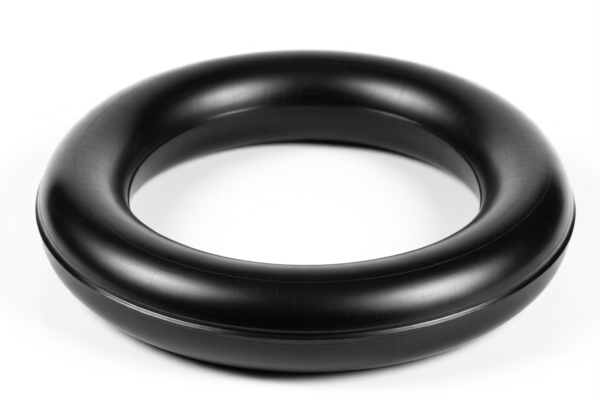
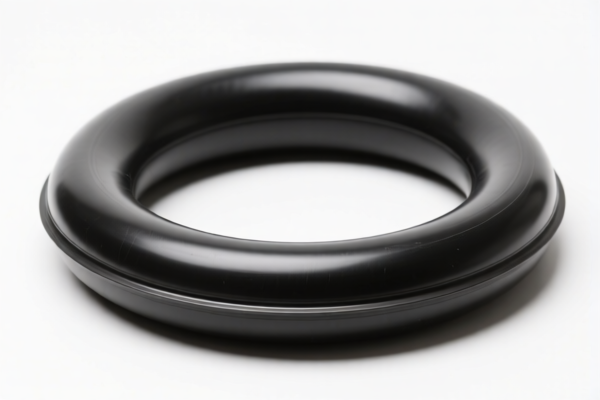
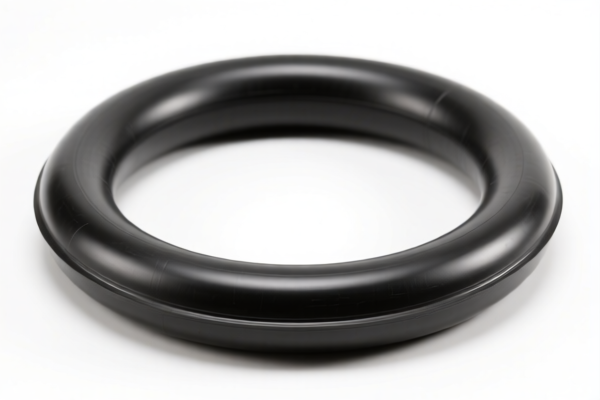
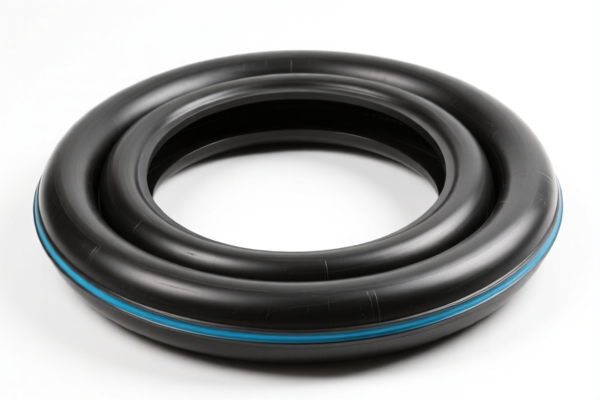
AI Analysis
🚗 Car Interior Ceiling (Headliners & Roof Linings)
🌐 HS Code Reference & Customs Clearance Guide | 2026 Latest Tariff Analysis | Professional Clearance Strategy
📌 I. Product Definition & Classification: What exactly is a "Car Interior Ceiling"?
The "Car Interior Ceiling," commonly referred to in the automotive industry as the Headliner or Roof Lining, is a critical interior component of motor vehicles (HS Chapters 8701–8705). It serves both aesthetic and functional purposes, providing sound insulation, thermal protection, and a finished interior look.
In international trade, these products are generally categorized under Heading 8708 (Parts and accessories of motor vehicles). Specifically, they fall under "Other parts and accessories of bodies (including cabs)."
⚠️ Critical Distinction:
- If the product is a pre-formed plastic shell or stampings that are specifically identifiable as parts of the vehicle body/cab → They are classified as Body Parts under 8708.29.
- If the product is merely a piece of fabric or foam not shaped for a specific vehicle model, it might be classified under textiles (Chapter 63) or plastics (Chapter 39).
- However, for standard, pre-molded automotive headliners, the dominant classification is 8708.29.
📦 II. HS Code Classification Details (2026 Latest Tariff Authority Comparison)
Based on the provided data, here are the specific HS codes for plastic/plastic-like automotive interior components, specifically focusing on Body Parts.
| HS Code | Product Description | Application Scenario | Material/Type |
|---|---|---|---|
8708.29.51.60 |
Other parts and accessories of bodies (including cabs): Other: Other Other | Pre-formed plastic headliners, roof panels, or structural plastic interior components | Plastic / Composite |
8708.29.51.10 |
Other parts and accessories of bodies (including cabs): Other: Other Stampings | Metal stampings for roof structures or interior reinforcements | Metal (Steel/Aluminum) |
🔍 Key Clarification:
- The data provided specifically lists8708.29.51.60as "Other Other" for plastic articles of bodies. This is the most likely code for plastic-composite headliners. - If the ceiling component involves metal stampings (e.g., steel roof reinforcements),8708.29.51.10applies. - Note: Standard fabric headliners (fabric glued to foam board) often fall under this "Plastic/Composite" category in practice if they are pre-formed for a specific car model, as they are considered "parts of the body."
💰 III. 2026 Latest Tariff Rate Breakdown (Including Surcharge & Policy Add-ons)
✅ Applicable Country: United States (US)
✅ Country of Origin: China (CN)
✅ Effective Date: Current Trade Policies (2025-2026)
🎯 1. 8708.29.51.60 —— Plastic/Composite Body Parts (e.g., Plastic Headliners)
| Item | Content |
|---|---|
| Base Tariff Rate | 2.5% (Standard MFN rate) |
| Section 301 Surcharge | +25.0% |
| Steel/Aluminum/Copper Surcharge | +50% (Only if the product contains significant steel/aluminum components, otherwise N/A) |
| Total Tariff Rate | 27.5% (Assuming pure plastic/composite) OR 52.5% (If metal components trigger the 50% surcharge) |
| Tax Calculation | CIF Value × (2.5% + 25% + [50% if applicable]) |
| De Minimis Eligibility | ❌ No (Section 301 duties generally apply even to low-value shipments if declared as parts of origin) |
| Legal Basis Path | HTS:8708.29.51.60 → USITC Footnote 9903.88.01 (Section 301) |
📌 Explanation:
- Base Rate (2.5%): The standard duty for auto parts from China. - Section 301 Surcharge (25%): This is the critical cost driver. Automotive parts are heavily targeted. - Metal Surcharge (50%): The data indicates "Steel, Aluminum, Copper products surcharge: 50%". If your "Interior Ceiling" has a metal frame or stamping component that dominates, this 50% may apply in addition to the 25%, or replace it depending on specific USCBP interpretation. Caution: If it's purely plastic, it’s likely 2.5% + 25% = 27.5%. If it’s a metal stamping, it could be 52.5%.
🎯 2. 8708.29.51.10 —— Metal Stampings (e.g., Metal Roof Reinforcements)
| Item | Content |
|---|---|
| Base Tariff Rate | 2.5% |
| Section 301 Surcharge | +25.0% |
| Steel/Aluminum/Copper Surcharge | +50% (Likely applicable as it is a "Stamping") |
| Total Tariff Rate | 52.5% (If metal surcharge applies) |
| Tax Calculation | CIF Value × (2.5% + 25% + 50%) |
📌 Explanation:
- If the product is classified as "Stampings" (metal forming), the 50% steel/aluminum surcharge is highly likely to apply. This makes metal body parts extremely expensive to import.
🛠️ IV. Customs Clearance Practical Advice (Real-World Pitfall Guide)
✅ 1. Required Documentation Checklist (Non-negotiable)
| Document | Mandatory? | Description |
|---|---|---|
| ✅ Product Specification Sheet | ✔️ | Must detail: Material composition (e.g., "PP Plastic + Foam + Fabric"), dimensions, and whether it includes metal inserts. |
| ✅ Commercial Invoice | ✔️ | Must clearly state "Headliner for Car Model XYZ" or "Roof Lining Assembly." Avoid vague terms like "Car Part." |
| ✅ Packing List | ✔️ | Include weight and dimensions. |
| ✅ Certificate of Origin | ✔️ | Crucial for proving Chinese origin to apply Section 301 rates. |
| ✅ Product Photos | ✔️ | Show the product shape to prove it is a "pre-formed part" and not just raw fabric/plastic sheet. |
✅ 2. Declaration Tips (Key Mantras)
🔥 "Define Material, Declare Model, Avoid Vague Terms!"
| Scenario | Correct Declaration | Incorrect Action | Consequence |
|---|---|---|---|
| Plastic Headliner | 8708.29.51.60 - "Plastic Roof Lining Assembly" |
Declare as "Fabric" (Chapter 63) | Misclassification Penalty + Back Taxes |
| Metal Stampings | 8708.29.51.10 - "Steel Roof Reinforcement" |
Declare as "Plastic Part" | Penalty + Potential Fraud Charge |
| Mixed Material (Plastic + Metal) | 8708.29.51.60 or 10 |
Split shipment to avoid taxes | Seizure Risk |
✅ 3. Special Case Handling
| Scenario | Handling Advice |
|---|---|
| Plastic + Fabric Headliner | Classify under 8708.29.51.60 (Plastic). The plastic structure defines the part. Do NOT declare as textiles. |
| Raw Foam/Fabric Rolls | If not pre-formed for a specific car, it may fall under Chapter 39 (Plastics) or 63 (Textiles). Do not use HS 8708. |
| OEM Parts for Aftermarket | Same classification. Provide OEM part number if available to prove it's a specific auto part. |
🌍 V. Global Market Comparison (2026 Latest)
| Country/Region | Recommended HS Code | Tariff Rate (China Origin) | Certification | Notes |
|---|---|---|---|---|
| 🇺🇸 USA | 8708.29.51.60 |
27.5% (Plastic) 52.5% (Metal) |
DOT/SAE Compliance | High Section 301 impact |
| 🇨🇳 China | 8708.29.51.60 |
5.0% (General) | CCC (if applicable) | Low import duty for domestic trade |
| 🇪🇺 EU | 8708.29 |
4.0% - 10.0% | E-Mark | No Section 301 equivalent, but anti-dumping may apply |
| 🇲🇽 Mexico | 8708.29.51.60 |
0% (Under USMCA if origin is NA) | NOM | Check USMCA rules of origin |
📌 Conclusion:
- The US market is the most costly due to the 25% Section 301 surcharge. - If your headliners contain metal stampings, the 50% steel surcharge can push total duties to 52.5%, making them very uncompetitive. - Strategy: Consider sourcing from non-China origins (e.g., Vietnam, Mexico) if targeting the US to avoid these tariffs.
📌 VI. Common Errors & Pitfalls (Blood & Tears Lessons)
❌ Error 1: Declaring a pre-formed plastic headliner as "Fabric" (HS 6307)
👉 Result: Customs rejects it as misclassified. You face 25%+ penalties and back taxes.
❌ Error 2: Failing to disclose metal components in a "plastic" headliner
👉 Result: If it has metal, it may trigger the 50% steel surcharge. Under-declaring value/composition leads to seizure.
❌ Error 3: Using generic terms like "Car Ceiling"
👉 Result: CBP may classify it under a higher general duty rate if the specific "part of body" designation isn't clear.
✅ Correct Approach:
"Pre-formed Plastic Headliner Assembly for Toyota Camry 2024, Including Foam Backing, HS Code 8708.29.51.60"
🎯 VII. Conclusion: Professional Declaration, Cost Optimization!
🎯 Remember the Mantra:
🔹 "Plastic Headliner: 2.5% + 25% = 27.5%"
🔹 "Metal Stamping: 2.5% + 50% = 52.5%"
🔹 "Be Specific, Or Pay the Price!"
📌 Pro Tip:
If your headliners are 100% plastic and you can prove no significant metal content, stick to 8708.29.51.60.
If you have mixed materials, consult a customs broker to determine if the 50% steel surcharge applies.
Consider duty drawback programs if you re-export these parts.
📣 Immediate Action:
📞 Contact your Customs Broker to verify the exact material composition of your headliners.
📝 Request a Pre-Ruling from USCBP if shipping large volumes.
🚀 Optimize Your Supply Chain to mitigate the 25-52.5% tariff burden!
✨ Professional Customs Clearance Starts with Accurate Classification!
💼 Every Dollar Saved is a Dollar Earned!
Customer Reviews
About HS Code Classification
The Harmonized System (HS) is an internationally standardized nomenclature developed by the World Customs Organization (WCO) to classify traded products. Over 200 countries use the HS system as the basis for customs tariffs, trade statistics, and import/export regulations.
Each HS code follows a hierarchical structure:
- Chapter (2 digits) — Broad category of goods (e.g., Chapter 84: Machinery and Mechanical Appliances)
- Heading (4 digits) — More specific grouping within the chapter
- Subheading (6 digits) — Internationally standardized breakdown, used by all WCO member countries
- National subdivisions (8-10 digits) — Country-specific extensions for further classification, such as US HTSUS 10-digit codes
Correct HS code classification is essential for smooth customs clearance, accurate duty payment, and compliance with trade regulations. Misclassification can lead to customs delays, overpayment of duties, or penalties.
When importing from CN to US, the applicable tariff rates may include:
- Most-Favored-Nation (MFN) rate — The standard duty rate applied to WTO members
- General rate — Applied to countries without trade agreements
- Trade remedy duties — Additional tariffs such as Section 301 (anti-dumping), Section 232 (national security), or countervailing duties
The information provided on this page is for reference purposes only. For official classification, please consult with your local customs authority or a licensed customs broker.