Car Interior Cowhide
CN → US| HS Code | Tariff Rate | Origin | Destination | Doc |
|---|---|---|---|---|
| 9401991010 | 17.5% | CN | US | Official Doc |
| 8708295160 | 0.0% | CN | US | Official Doc |
| 8708998180 | 37.5% | CN | US | Official Doc |
| 4205001000 | 35.0% | CN | US | Official Doc |
| 4205008000 | 35.0% | CN | US | Official Doc |
Product Images
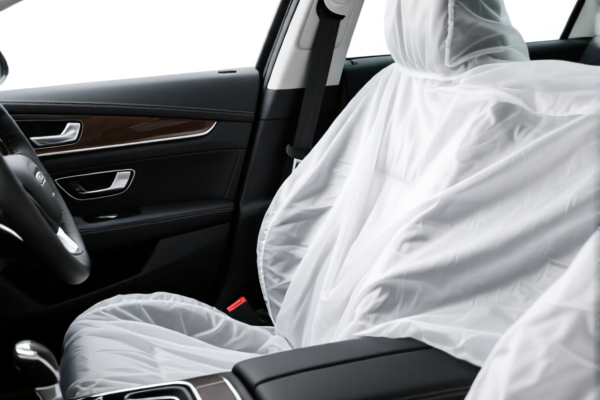
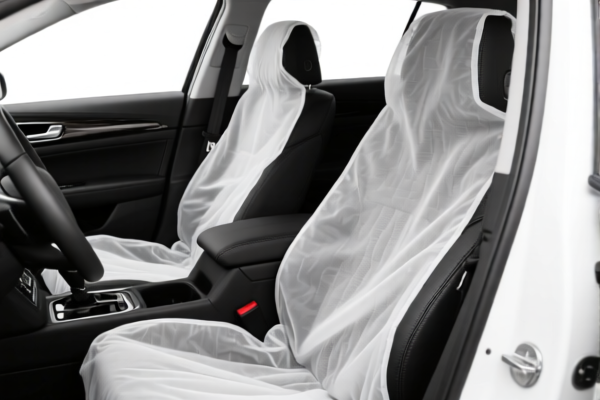
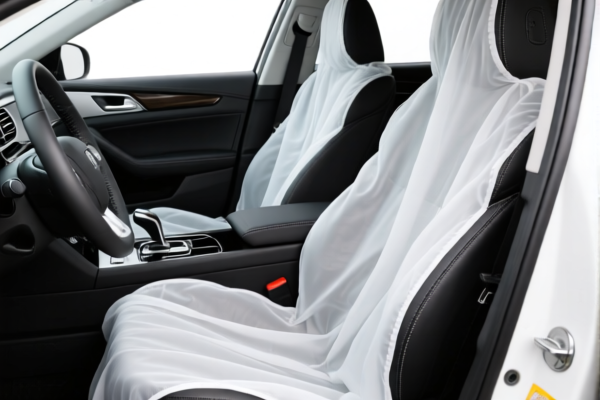
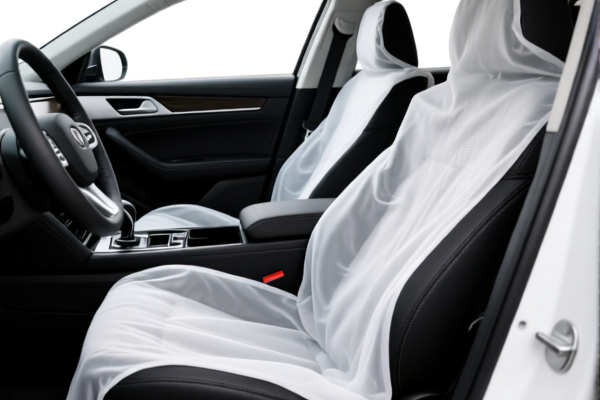
AI Analysis
🚗 Car Interior Cowhide (Genuine Leather Automotive Interiors)
🌐 HS Code Reference & Customs Clearance Guide | 2026 Latest Tariff Analysis | Professional Strategy for US Imports
📌 I. Product Definition & Classification: What Exactly is "Car Interior Cowhide"?
Genuine leather automotive interiors refer to leather materials or semi-finished/finished parts used for the interior decoration of vehicles. In international trade, the classification depends heavily on whether the item is a complete seat part of a vehicle or a general leather制品.
Key Distinction: * Vehicle Parts (Ch. 87/94): If the leather is specifically designed for automotive seats (e.g., leather seat covers, upholstery kits) and intended for installation in vehicles, it may fall under Chapter 87 (Parts of Motor Vehicles) or Chapter 94 (Furniture Seats). * General Leather Goods (Ch. 42): If the leather is sold as a raw material, semi-finished sheet, or general accessory not specifically adapted for a single use, it falls under Chapter 42 (Articles of Leather).
⚠️ Critical Decision Point:
- Is it a seat component specifically for a car? → Likely 9401.99.10.10 or 8708.
- Is it general leather accessory/trim? → Likely 4205.00.
📦 II. HS Code Classification Details (2026 Latest Tariff Authority Comparison)
Based on the provided data, here are the four primary HS Code options for "Car Interior Cowhide" and their logic:
| HS Code | Product Description | Logic & Application | Material Conflict? |
|---|---|---|---|
9401.99.10.10 |
Genuine Leather Car Interior (Seat/Furniture Part) | Classified as a part of automotive seats (Ch. 94). Requires the item to be specifically identifiable as a seat component. | ✅ No conflict (Leather material, Seat use) |
8708.29.51.60 |
Genuine Leather Car Interior Part (Body Accessories) | Classified as a "Part and Accessory of Motor Vehicles" (Ch. 87). Implies it is a distinct body part/accessory. | ✅ No conflict (Leather material, Part attribute) |
8708.99.81.80 |
Genuine Leather Car Interior Part (General Automotive Part) | Classified under "Other parts and accessories" of Ch. 87. A broad category for auto parts not specified elsewhere. | ✅ No conflict (Leather material, Auto part) |
4205.00.10.00 |
Genuine Leather Car Interior (Mechanical/Tech Use) | Classified as "Other articles of leather" for mechanical/technical uses. Focuses on the material and technical application. | ✅ No conflict (Leather material, Tech use) |
4205.00.80.00 |
Genuine Leather Car Interior (General Leather Good) | Classified as "Other articles of leather." Broadest category for leather制品 not elsewhere specified. | ✅ No conflict (Leather material, General good) |
🔍 Important Note:
- Chapter 94 (Seats) and Chapter 87 (Auto Parts) often carry different tariff structures compared to Chapter 42 (General Leather).
- Customs authorities will scrutinize whether the item is "fit for use solely or principally with a particular kind of machine/vehicle" (Ch 84-90) or "general use" (Ch 42).
💰 III. 2026 Latest Tariff Rate Breakdown (Including Surtaxes & Policy Add-ons)
✅ Applicable Country: United States (US)
✅ Origin: China (CN)
✅ Effective Time: 2025/2026 (Current Trade Policy Context)
🎯 1. 9401.99.10.10 – Genuine Leather Car Interior (Seat Part)
| Item | Content |
|---|---|
| Base Tariff | 0.0% |
| Section 301 Surtax | 7.5% |
| Section 122 Tariff | 10.0% |
| Total Tax Rate | 17.5% |
| Tax Calculation | CIF Value × 17.5% |
| De Minimis Exemption | ❌ Not Applicable (High-value auto parts) |
| Legal Basis | USITC:9401.99.10.10 → Section 301: 7.5% → Section 122: 10% |
📌 Explanation:
- This is the lowest tariff option among the listed codes.
- Suitable if the item is clearly defined as a seat component (e.g., leather seat covers, headrests) and not just general trim.
🎯 2. 8708.29.51.60 – Genuine Leather Car Interior Part (Body Accessories)
| Item | Content |
|---|---|
| Base Tariff | 2.5% |
| Section 301 Surtax | 25.0% |
| Section 122 Tariff | 10.0% |
| Steel/Aluminum/Copper Add-on | 50.0% (Note: Applies if composite with metals) |
| Total Tax Rate | 2.5% + 85.0% (Highly Variable) |
| Tax Calculation | CIF Value × (2.5% + 85.0%) |
| De Minimis Exemption | ❌ Not Applicable |
| Legal Basis | USITC:8708.29.51.60 → Section 301: 25% → Section 122: 10% → Trade Remedy: 50% |
📌 Warning:
- This code has a highly volatile and potentially extremely high tariff (up to 85%+).
- The 50% surtax applies if the part contains steel, aluminum, or copper components. Pure leather parts might avoid the 50%, but customs often scrutinize "parts" for mixed materials.
- Recommendation: Avoid this code unless you are certain no metal/steel components are present, and even then, the 25% Section 301 + 10% Section 122 makes it costly (37.5% base).
🎯 3. 8708.99.81.80 – Genuine Leather Car Interior Part (General Auto Part)
| Item | Content |
|---|---|
| Base Tariff | 2.5% |
| Section 301 Surtax | 25.0% |
| Section 122 Tariff | 10.0% |
| Total Tax Rate | 37.5% |
| Tax Calculation | CIF Value × 37.5% |
| De Minimis Exemption | ❌ Not Applicable |
| Legal Basis | USITC:8708.99.81.80 → Section 301: 25% → Section 122: 10% |
📌 Explanation:
- This is the standard "Other Parts" code for Ch. 87.
- 37.5% total tax is significantly higher than9401.99.10.10.
- Use only if the item is definitively an automotive part but not a seat component.
🎯 4 & 5. 4205.00.10.00 & 4205.00.80.00 – Genuine Leather Car Interior (General Leather Goods)
| Item | Content |
|---|---|
| Base Tariff | 0.0% |
| Section 301 Surtax | 25.0% |
| Section 122 Tariff | 10.0% |
| Total Tax Rate | 35.0% |
| Tax Calculation | CIF Value × 35.0% |
| De Minimis Exemption | ❌ Not Applicable |
| Legal Basis | USITC:4205.00.10.00 / 80.00 → Section 301: 25% → Section 122: 10% |
📌 Explanation:
- These codes fall under Chapter 42 (Other Articles of Leather).
- 35.0% total tax is slightly lower than8708.99.81.80(37.5%) but higher than9401.99.10.10(17.5%).
- Use only if the item cannot be classified as a "part of a seat" or "auto part" under Ch 87/94, but is still a leather制品.
🛠️ IV. Customs Clearance Practical Advice (Avoiding Pitfalls)
✅ 1. Document Checklist (Essential)
| Document | Required | Description |
|---|---|---|
| ✅ Product Specification Sheet | ✔️ | Must detail: Material (100% Cowhide/Leather), Use (Car Interior), Dimensions. |
| ✅ Photographs | ✔️ | Clear images of the item, showing stitching, shape, and any labels indicating "Automotive Use". |
| ✅ Commercial Invoice | ✔️ | Must describe the item accurately. E.g., "Genuine Leather Seat Cover for Vehicle" vs. "Leather Accessory". |
| ✅ Packing List | ✔️ | Item count, weight, and dimensions. |
| ✅ HS Code Pre-Ruling (Optional but Recommended) | ✔️ | Apply for an Advance Ruling from US Customs (CBP) to confirm the correct HS Code and avoid penalties. |
✅ 2. Declaration Tips (Key Mantras)
🔥 "Define Use First, Classify Second, Avoid 'Part' Ambiguity!"
| Scenario | Recommended HS Code | Risk of Wrong Code |
|---|---|---|
| Seat Covers/Headrests | 9401.99.10.10 (17.5%) |
Low risk if clearly for seats. |
| General Leather Trim Strips | 4205.00.80.00 (35.0%) |
Medium risk if customs deems it an "auto part". |
| Complex Body Parts (e.g., Door Panels) | 8708.99.81.80 (37.5%) |
High risk if mixed materials (steel frame) → triggers 50% surtax. |
| Raw Leather Sheets | 4205.00.10.00 (35.0%) |
Low risk if not shaped for a specific part. |
📌 Critical Advice:
- Avoid8708.29.51.60unless absolutely necessary, due to the 50% potential surtax on steel/aluminum/copper components.
- Prefer9401.99.10.10if the product is a seat component, as it has the lowest tariff (17.5%).
- Do not misdeclare "Car Interior Cowhide" as "Personal Leather Good" (e.g., handbag material) if it is clearly for automotive use; customs will reclassify and penalize.
✅ 3. Special Cases
| Case | Handling Advice |
|---|---|
| Mixed Materials | If the leather part has a steel or aluminum backing/frame, customs may apply the 50% surtax under 8708.29.51.60. Ensure clear separation or document the lack of metal. |
| Semi-finished Leather | If the leather is not yet cut into specific shapes, classify as Chapter 41 (Raw Hides) or 4205 if processed, not Ch 87/94. |
| OEM vs. Aftermarket | Both are subject to the same HS Code logic. The distinction does not change the tariff rate, only the commercial context. |
🌍 V. Global Market Comparison (2026 Update)
| Country/Region | Recommended HS Code | Tariff (China Origin) | Key Certification | Notes |
|---|---|---|---|---|
| 🇺🇸 USA | 9401.99.10.10 |
17.5% | No specific auto certification needed for parts | Best option for seat components. |
| 🇺🇸 USA | 8708.99.81.80 |
37.5% | No specific auto certification needed | Higher cost for general auto parts. |
| 🇨🇳 China | 4205.00.80.00 |
5-10% | CCC (if applicable) | Lower import duty, but no Section 301/122. |
| 🇪🇺 EU | 4205.00.80.00 |
0-12% | CE/RoHS (if electrical components) | No Section 301/122 equivalent. |
| 🇬🇧 UK | 4205.00.80.00 |
0-12% | UKCA | Post-Brexit rules apply. |
📌 Conclusion:
- The US market is the most challenging due to Section 301 (25%) and Section 122 (10%) surcharges.
- Chapter 94 (Seats) offers the lowest effective tariff (17.5%) in the US for leather car interiors.
- Chapter 87 (Auto Parts) is expensive (37.5%+) and risky (50% if metal components).
📌 VI. Common Mistakes & Pitfalls (Lessons Learned)
❌ Mistake 1: Declaring "Leather Seat Cover" as "Handbag Material" (4205) to avoid higher tariffs.
👉 Consequence: Customs reclassifies to 9401 or 8708, leading to penalties and back-taxes.
❌ Mistake 2: Not disclosing metal frames in leather door panels.
👉 Consequence: If classified under 8708.29.51.60, the 50% surtax is applied, increasing costs by hundreds of percent.
❌ Mistake 3: Using vague descriptions like "Leather Accessories".
👉 Consequence: Delays in clearance, as customs requires specific use (Seat vs. Body Part vs. General Good) to determine the correct HS Code.
✅ Correct Approach:
"Genuine Leather Seat Cover, Model XYZ, for [Car Make/Model], No Metal Components, 100% Cowhide"
🎯 VII. Conclusion: Professional Classification, Cost Optimization!
🎯 Remember the Mantra:
🔹 "Seats go to 94, Parts go to 87, General Leather to 42."
🔹 "Avoid 8708.29 if you have metal, or pay 50% more!"
🔹 "17.5% is the gold standard for leather car interiors in the US."
📌 Pro Tip:
If your cowhide interior is shipped as raw leather (not cut), classify under Chapter 41. If it is finished goods (seat covers), use 9401.99.10.10 for the lowest US tariff.
Apply for a CBP Pre-Ruling to lock in the 17.5% rate and avoid surprises.
📣 Immediate Action:
📞 Contact your customs broker with photos and specifications.
🚀 Ensure your invoice clearly states "Part of a Seat" or "Automotive Seat Cover" to qualify for the lower 17.5% rate under9401.99.10.10.
✨ Professional Customs Clearance Starts with Accurate Classification!
💼 Your Profit Margin Depends on the Correct HS Code!
Customer Reviews
About HS Code Classification
The Harmonized System (HS) is an internationally standardized nomenclature developed by the World Customs Organization (WCO) to classify traded products. Over 200 countries use the HS system as the basis for customs tariffs, trade statistics, and import/export regulations.
Each HS code follows a hierarchical structure:
- Chapter (2 digits) — Broad category of goods (e.g., Chapter 84: Machinery and Mechanical Appliances)
- Heading (4 digits) — More specific grouping within the chapter
- Subheading (6 digits) — Internationally standardized breakdown, used by all WCO member countries
- National subdivisions (8-10 digits) — Country-specific extensions for further classification, such as US HTSUS 10-digit codes
Correct HS code classification is essential for smooth customs clearance, accurate duty payment, and compliance with trade regulations. Misclassification can lead to customs delays, overpayment of duties, or penalties.
When importing from CN to US, the applicable tariff rates may include:
- Most-Favored-Nation (MFN) rate — The standard duty rate applied to WTO members
- General rate — Applied to countries without trade agreements
- Trade remedy duties — Additional tariffs such as Section 301 (anti-dumping), Section 232 (national security), or countervailing duties
The information provided on this page is for reference purposes only. For official classification, please consult with your local customs authority or a licensed customs broker.