Car Jack Pads, Adapter
CN → US| HS Code | Tariff Rate | Origin | Destination | Doc |
|---|---|---|---|---|
| 4016996010 | 37.5% | CN | US | Official Doc |
| 7326190080 | 87.9% | CN | US | Official Doc |
| 7326908688 | 87.9% | CN | US | Official Doc |
| 4016990500 | 20.9% | CN | US | Official Doc |
Product Images
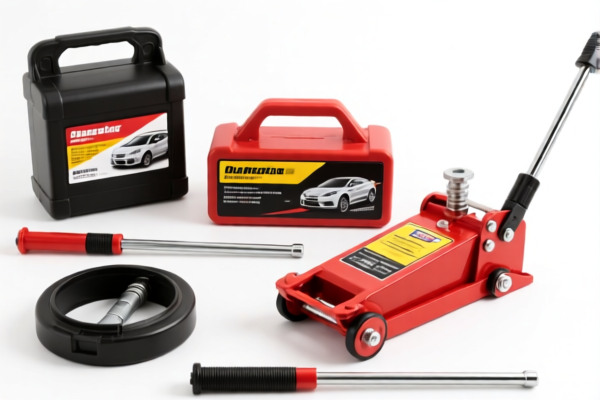
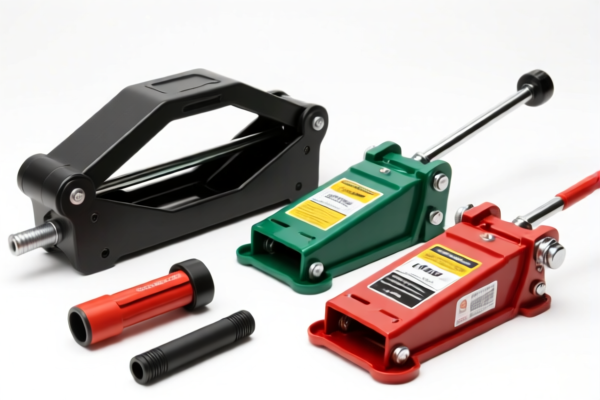
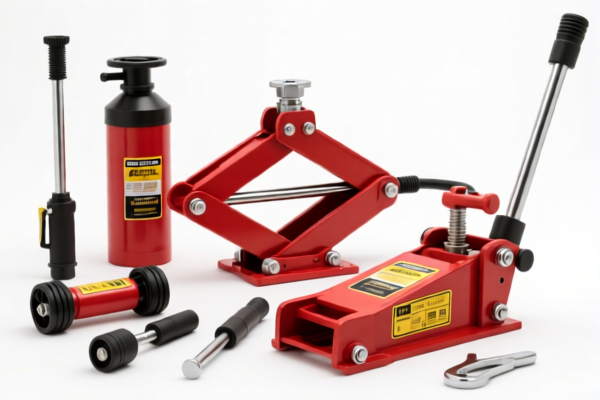
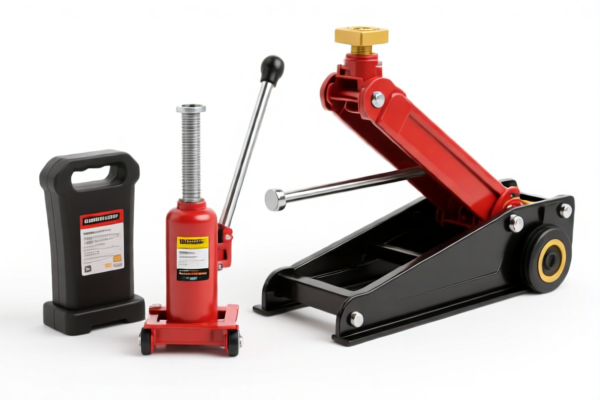
AI Analysis
🔧 Car Jack Pads & Adapters (Lifting Accessories)
🌐 HS Code Reference & Customs Clearance Guide | 2026 Latest Tariff Analysis | Professional-Level Strategy for Heavy-Duty Tools
📌 I. Product Definition & Classification: What Are "Car Jack Pads" and "Adapters"?
Car jack pads and adapters are essential lifting accessories used in automotive maintenance and roadside recovery. They serve two primary functions: 1. Jack Pads (Lifting Blocks): Typically made of rubber, these are placed between the jack head and the vehicle’s lift point to distribute pressure, prevent surface damage, and ensure stability. 2. Adapters (Metal Pads/Standards): Usually made of steel or iron, these are rigid plates inserted to adapt different jack types (scissor, hydraulic, bottle) to specific vehicle lift points, especially on uneven or narrow frame rails.
⚠️ Critical Distinction:
- Rubber Components → Classified under Chapter 40 (Rubber Articles).
- Metal Components → Classified under Chapter 73 (Articles of Iron or Steel).
- Mixed Sets: If sold together, customs may require separate HS codes or classification based on the "essential character" of the set.
📦 II. HS Code Classification Details (2026 Latest Tariff Authority Comparison)
Based on the provided data, the correct classification depends strictly on the material composition of the specific item being imported.
| HS Code | Product Description | Material | Use Case | Total Tax Rate |
|---|---|---|---|---|
4016.99.60.10 |
Rubber Jack Pads | Rubber (Vulcanized) | Generic lifting pads for cars/trucks; "Other rubber articles" | 37.5% |
4016.99.05.00 |
Specialized Rubber Pads | Rubber (Vulcanized) | Home/general purpose rubber supports; "Other vulcanized rubber articles" | 20.9% |
7326.19.00.80 |
Steel Adapters/Pads | Steel | Adapter plates, brackets, or supports; "Other articles of iron/steel" | 87.9% |
7326.90.86.88 |
Iron/Steel Supports | Iron or Steel | General metal supports, auxiliary tools; "Other articles of iron/steel" | 87.9% |
🔍 Key Insight:
- Rubber vs. Metal: The tax difference is massive (20.9% vs. 87.9% for higher rates).
- Misclassification Risk: Declaring steel adapters as rubber ("pad" without specifying material) can lead to severe penalties due to the 25%+25% additional tariffs applied to steel.
- Subheading Nuance:
-4016.99.60.10is a specific "other" category for rubber, often used for generic industrial rubber parts.
-4016.99.05.00is a lower-rate "other" category, potentially for home-use rubber items.
-7326.19.00.80vs7326.90.86.88: Both carry the same high tax rate, but differ in specific manufacturing processes (e.g., forged vs. cast vs. simple shaped).
💰 III. 2026 Latest Tariff Rate Breakdown (Including Additional Taxes & Policy Surcharges)
✅ Applicable Country: United States (US)
✅ Origin: China (CN)
✅ Effective Date: 2025/2026 Tariff Schedule (Post-Section 301 & IEEPA)
🎯 1. 4016.99.60.10 —— Rubber Jack Pads (Vulcanized Rubber)
| Item | Content |
|---|---|
| Base Tariff | 2.5% (ad valorem) |
| Section 301 Additional Tariff | +25.0% |
| Section 122 Tariff | +10.0% |
| Total Tax Rate | 37.5% |
| Tax Calculation | CIF Value × 37.5% |
| De Minimis Exemption | ❌ Not Eligible (Section 301 and IEEPA duties apply) |
| Legal Basis Path | USITC:4016.99.60.10 → FOOTNOTE:301 → IEEPA |
📌 Explanation:
- Rubber products are subject to Section 301 tariffs (25%) and Section 122 tariffs (10%) if deemed to originate from China.
- No steel/aluminum surcharge applies here, so the total is lower than metal counterparts.
🎯 2. 4016.99.05.00 —— Specialized Rubber Pads (Lower Rate Category)
| Item | Content |
|---|---|
| Base Tariff | 3.4% |
| Section 301 Additional Tariff | +7.5% |
| Section 122 Tariff | +10.0% |
| Total Tax Rate | 20.9% |
| Tax Calculation | CIF Value × 20.9% |
| De Minimis Exemption | ❌ Not Eligible |
| Legal Basis Path | USITC:4016.99.05.00 → FOOTNOTE:301 → IEEPA |
📌 Note:
- This subheading may apply to home-use or general-purpose rubber pads with lower commercial volume.
- Crucial: Ensure the product description justifies "general purpose" to qualify for the lower 3.4% base rate. Misclassification can result in back taxes.
🎯 3. 7326.19.00.80 —— Steel Adapters/Pads (High-Tax Metal)
| Item | Content |
|---|---|
| Base Tariff | 2.9% |
| Section 301 Additional Tariff | +25.0% |
| Section 122 Tariff | +10.0% |
| Steel/Aluminum/Copper Surtax | +50.0% |
| Total Tax Rate | 87.9% |
| Tax Calculation | CIF Value × 87.9% |
| De Minimis Exemption | ❌ Not Eligible |
| Legal Basis Path | USITC:7326.19.00.80 → FOOTNOTE:301 → IEEPA → Steel Surtax |
📌 Critical Warning:
- Steel products from China are subject to an additional 50% surcharge under specific trade actions (e.g., Section 232 or related IEEPA provisions for steel/aluminum/copper).
- Total Rate: 87.9% is extremely high. This makes steel adapters less cost-effective for direct import unless value-added significantly.
🎯 4. 7326.90.86.88 —— Iron/Steel Supports (High-Tax Metal)
| Item | Content |
|---|---|
| Base Tariff | 2.9% |
| Section 301 Additional Tariff | +25.0% |
| Section 122 Tariff | +10.0% |
| Steel/Aluminum/Copper Surtax | +50.0% |
| Total Tax Rate | 87.9% |
| Tax Calculation | CIF Value × 87.9% |
| De Minimis Exemption | ❌ Not Eligible |
| Legal Basis Path | USITC:7326.90.86.88 → FOOTNOTE:301 → IEEPA → Steel Surtax |
📌 Note:
- Same tax burden as7326.19.00.80. The distinction lies in the manufacturing process (e.g., simple stamped parts vs. complex castings).
- Do not assume "Iron" exempts from the 50% surcharge: The data indicates "Steel, Aluminum, Copper Surtax" applies broadly to ferrous non-specified items.
🛠️ IV. Customs Clearance Practical Advice (Avoid Pitfalls)
✅ 1. Documentation Checklist (Mandatory)
| Document | Required | Description |
|---|---|---|
| ✅ Product Specification Sheet | ✔️ | Clearly state Material (Rubber vs. Steel), Dimensions, Load Capacity. |
| ✅ Material Test Report | ✔️ | For rubber: Show vulcanization process. For steel: Show grade (e.g., Q235, A36). |
| ✅ Product Photos (Clear) | ✔️ | Show texture (rubber grain vs. metal welds), brand, model. |
| ✅ Commercial Invoice | ✔️ | Must specify "Rubber Jack Pad" or "Steel Adapter". Do not use generic "Auto Parts". |
| ✅ Packing List | ✔️ | Separate rubber and metal items if shipped together to avoid confusion. |
| ✅ Certificate of Origin (CO) | ✔️ | To prove origin and apply any applicable exemptions (if any). |
✅ 2. Declaration Strategy (Key Mantras)
🔥 “Material First, HS Code Second, Tax Impact Third!”
| Scenario | Correct Declaration | Error |
|---|---|---|
| Rubber Pad | 4016.99.60.10 (or 05.00 if eligible) |
Declaring as steel → 87.9% instead of 37.5% |
| Steel Adapter | 7326.19.00.80 or 7326.90.86.88 |
Declaring as rubber → Underpayment + Penalty |
| Mixed Set | Split into two entries: Rubber + Steel | Single entry → Confusion, Delay, Highest Rate Applied |
| Generic Name | "Car Jack Accessory" | Vague name → Customs Reassessment, Higher Rate |
📌 Tip:
- If you sell sets (1 rubber pad + 1 steel adapter), declare them separately if possible.
- If the steel part is minor, argue for "essential character" of the rubber, but this is risky with an 87.9% rate.
✅ 3. Special Considerations
| Situation | Recommendation |
|---|---|
| OEM Custom Pads | Provide design drawings to prove material composition. |
| Plated Steel | Still subject to Steel Surtax. Coating does not exempt. |
| Recycled Rubber | Ensure it meets US environmental standards; may require EPA documentation. |
| High-Value Steel Adapters | Consider Duty Drawback if the steel was exported and re-imported. |
🌍 V. Global Market Comparison (2026 Update)
| Country/Region | Recommended HS Code | Tax Rate (China Origin) | Certification | Notes |
|---|---|---|---|---|
| 🇺🇸 USA | 4016.99.60.10 (Rubber) |
37.5% | None | High tariff due to Section 301. |
| 🇺🇸 USA | 7326.19.00.80 (Steel) |
87.9% | None | Extremely high due to Steel Surtax. |
| 🇪🇺 EU | 4016.99.90 (Rubber) |
~4% | CE (if applicable) | No Section 301/IEEPA. |
| 🇪🇺 EU | 7326.90.98 (Steel) |
~1.7% | CE | No steel surcharge. |
| 🇨🇳 China | 4016.99.90 |
5% | CCC (if applicable) | Low import tariff. |
| 🇨🇳 China | 7326.90.98 |
5% | CCC | Low import tariff. |
📌 Conclusion:
- USA is the most expensive market for these products due to Section 301, 122, and Steel Surtax.
- EU and China offer significantly lower tariffs. Consider re-routing or local sourcing for US market if cost is critical.
📌 VI. Common Mistakes & Pitfalls (Lessons Learned)
❌ Mistake 1: Declaring Steel Adapters as "Rubber Pads" to save tax.
👉 Consequence: Customs inspection reveals metal → 87.9% rate applied retroactively + fines.
❌ Mistake 2: Using "Auto Parts" as HS Code 8708.
👉 Consequence: Jack pads/adapters are not integral to the vehicle’s operation → Rejected by Customs.
❌ Mistake 3: Ignoring Steel Surtax for metal items.
👉 Consequence: Unexpected 50% additional tax → Profit margin wiped out.
✅ Correct Approach:
“Rubber Jack Pad, 10cm x 5cm, Vulcanized Rubber, Load Capacity 2 Tons”
OR
“Steel Adapter Plate, 15cm x 10cm, Q235 Steel, Hot-Dip Galvanized”
🎯 VII. Conclusion: Precision Saves Money!
🎯 Remember:
🔹 “Rubber is 37.5%, Steel is 87.9% – Know Your Material!”
🔹 “No De Minimis for Section 301 – Plan Your Supply Chain!”
🔹 “Steel Surtax is Real – Avoid 87.9% if Possible!”
📌 Pro Tip:
If you are importing large volumes, consider duty drawback for steel items or explore third-country sourcing (e.g., Vietnam, Mexico) to avoid US-China surcharges.
Apply for a Binding Ruling (Ruling Letter) from US CBP for clarity on your specific product.
📣 Immediate Action:
📞 Contact a Licensed Customs Broker
📄 Provide Material Test Reports
🚀 Ensure Accurate HS Code Declaration
💼 Your Profit Depends on Correct Classification!
✨ Professional Clearance Starts with Accurate Classification!
💼 Every Percent Saved is Pure Profit!
Customer Reviews
About HS Code Classification
The Harmonized System (HS) is an internationally standardized nomenclature developed by the World Customs Organization (WCO) to classify traded products. Over 200 countries use the HS system as the basis for customs tariffs, trade statistics, and import/export regulations.
Each HS code follows a hierarchical structure:
- Chapter (2 digits) — Broad category of goods (e.g., Chapter 84: Machinery and Mechanical Appliances)
- Heading (4 digits) — More specific grouping within the chapter
- Subheading (6 digits) — Internationally standardized breakdown, used by all WCO member countries
- National subdivisions (8-10 digits) — Country-specific extensions for further classification, such as US HTSUS 10-digit codes
Correct HS code classification is essential for smooth customs clearance, accurate duty payment, and compliance with trade regulations. Misclassification can lead to customs delays, overpayment of duties, or penalties.
When importing from CN to US, the applicable tariff rates may include:
- Most-Favored-Nation (MFN) rate — The standard duty rate applied to WTO members
- General rate — Applied to countries without trade agreements
- Trade remedy duties — Additional tariffs such as Section 301 (anti-dumping), Section 232 (national security), or countervailing duties
The information provided on this page is for reference purposes only. For official classification, please consult with your local customs authority or a licensed customs broker.