Car Key Case
CN → US| HS Code | Tariff Rate | Origin | Destination | Doc |
|---|---|---|---|---|
| 4205008000 | 35.0% | CN | US | Official Doc |
| 4205001000 | 35.0% | CN | US | Official Doc |
| 4202313000 | 38.7% | CN | US | Official Doc |
| 3926909989 | 22.8% | CN | US | Official Doc |
| 4202316000 | 43.0% | CN | US | Official Doc |
Product Images
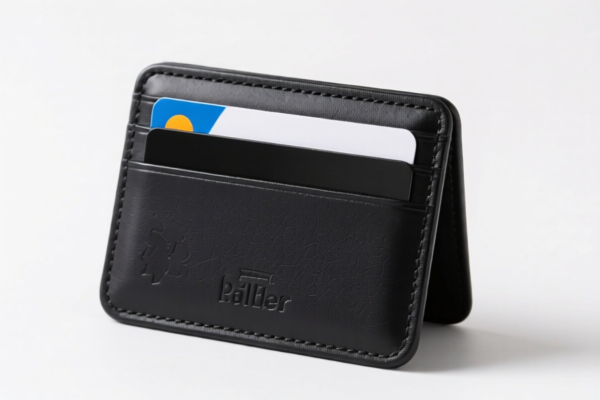
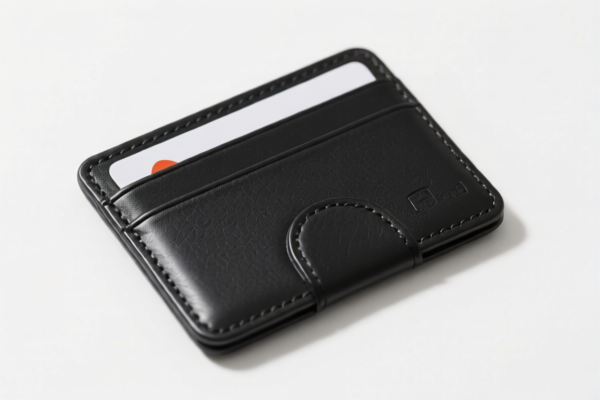
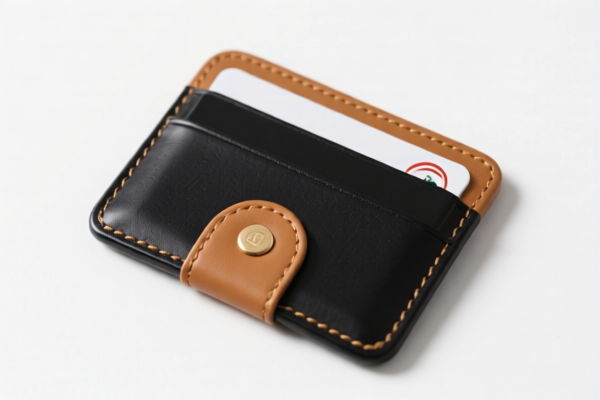
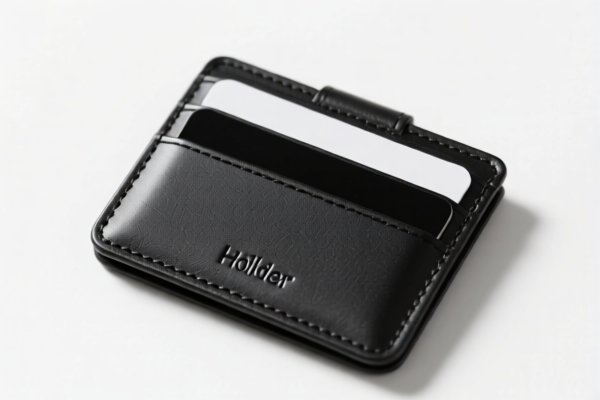
AI Analysis
🗝️ Car Key Case (Automobile Key Holder)
🌐 HS Code Reference & Clearance Guide | 2026 Latest Tariff Analysis | Professional Customs Strategy
📌 Part 1: Product Definition & Classification: Do You Really Understand "Car Key Case"?
A Car Key Case is a protective accessory for automobile keys. In international trade, classification depends heavily on material composition and functional morphology. The critical distinction lies in whether the item is classified as a general leather good, a specific "bag" type under Chapter 42, or a miscellaneous plastic/synthetic item.
⚠️ Key Distinction Point:
- If made of Leather and shaped as a specific "Key Case" or "Pouch" under Headings 4202 or 4205 → Chapters 42
- If made of Plastic/Synthetic Leather without specific leather characteristics → Chapter 39
- Material is the decisive factor for tax rates, especially under US Section 301 and IEEPA tariffs.
📦 Part 2: HS Code Classification Details (2026 Latest Tariff Authority Comparison)
| HS Code | Product Description | Application Scenario | Material/Morphology |
|---|---|---|---|
4205.00.80.00 |
Leather automobile key case, classified under general leather goods | Leather accessories not specifically listed elsewhere | ✅ Leather (General Leather Good) |
4205.00.10.00 |
Leather automobile key case, "catch-all" for other leather goods | Leather items not meeting specific "bag" or "pouch" criteria | ✅ Leather (General Leather Good) |
4202.31.30.00 |
Leather automobile key case, specifically shaped as a "Key Case" | Leather item with specific form factor for keys | ✅ Leather (Specific Form) |
3926.90.99.89 |
Non-specified material automobile key case, inferred as plastic or synthetic | Plastic, PVC, or synthetic leather not meeting Chapter 42 criteria | ❌ Plastic/Synthetic |
4202.31.60.00 |
Leather automobile key case, material is leather, form is a "Case" | Leather item classified under specific "Case" subheading | ✅ Leather (Specific Case) |
🔍 Important Reminder:
- Leather Items: All leather key cases (4205and4202series) face higher US tariffs (35%-43%) due to Section 301 and IEEPA.
- Non-Leather Items: Plastic/synthetic cases (3926.90.99.89) face lower US tariffs (22.8%).
- Misclassification Risk: Declaring a leather case as plastic to save taxes is high risk and can lead to audits and penalties.
💰 Part 3: 2026 Latest Tariff Rate Breakdown (Including Additional Taxes & Policy Surcharges)
✅ Applicable Country: United States (US)
✅ Country of Origin: China (CN)
✅ Effective Time: 2025/2026 (Ongoing)
🎯 1. 4205.00.80.00 & 4205.00.10.00 —— Leather Key Cases (General Leather Goods)
| Item | Content |
|---|---|
| Base Tariff | 0.0% (Ad Valorem) |
| USITC Additional Tariff (Section 301) | +25.0% |
| IEEPA Additional Tariff (122 Clause) | +10.0% |
| Total Tariff Rate | 35.0% |
| Tax Calculation | CIF Value × 35% |
| De Minimis Eligibility | ❌ No (Deny De Minimis for China-origin goods under these sections) |
| Legal Basis Path | IEEPA:9903.01.25 → USITC:4205 → FOOTNOTE:9903.88.01 |
📌 Explanation:
- Although the base tariff is 0%, the 25% Section 301 tariff and 10% IEEPA tariff apply to almost all Chinese-origin leather goods.
- Total 35% is the standard burden for generic leather accessories.
🎯 2. 4202.31.30.00 & 4202.31.60.00 —— Leather Key Cases (Specific Forms)
| Item | Content |
|---|---|
| Base Tariff | 3.7% (for 31.30) / 8.0% (for 31.60) |
| USITC Additional Tariff (Section 301) | +25.0% |
| IEEPA Additional Tariff (122 Clause) | +10.0% |
| Total Tariff Rate | 38.7% (31.30) / 43.0% (31.60) |
| Tax Calculation | CIF Value × Total Rate |
| De Minimis Eligibility | ❌ No |
| Legal Basis Path | IEEPA:9903.01.25 → USITC:4202.31 → FOOTNOTE:9903.88.01 |
📌 Explanation:
- These codes have higher base tariffs (3.7% - 8.0%) because they are classified under "Travelling Bags, Handbags... and Similar Containers" with specific subheadings.
-4202.31.60.00is the most expensive at 43.0%. Avoid this if possible unless the product strictly matches this description.
🎯 3. 3926.90.99.89 —— Plastic/Synthetic Key Cases
| Item | Content |
|---|---|
| Base Tariff | 5.3% |
| USITC Additional Tariff (Section 301) | +7.5% |
| IEEPA Additional Tariff (122 Clause) | +10.0% |
| Total Tariff Rate | 22.8% |
| Tax Calculation | CIF Value × 22.8% |
| De Minimis Eligibility | ❌ No (For China-origin goods under IEEPA) |
| Legal Basis Path | IEEPA:9903.01.25 → USITC:3926.90 → FOOTNOTE:9903.88.01 |
📌 Explanation:
- This is the most cost-effective option if the product is genuinely not made of genuine leather.
- Base tariff is higher (5.3%), but Section 301 is much lower (7.5% vs 25%), resulting in a significantly lower total rate (22.8%).
🛠️ Part 4: Practical Clearance Advice (Battle-Tested Pitfall Avoidance Guide)
✅ 1. Preparation Checklist (Non-negotiable)
| Document | Required? | Description |
|---|---|---|
| ✅ Product Specifications | ✔️ | Material composition (e.g., "100% Genuine Leather" vs "PVC/Synthetic") |
| ✅ Material Certificate | ✔️ | Critical for distinguishing between Chapter 42 (Leather) and Chapter 39 (Plastic) |
| ✅ Product Photos | ✔️ | Clear images showing texture, lining, and hardware to prove material |
| ✅ Commercial Invoice | ✔️ | Must specify "Car Key Case" and correct HS Code |
| ✅ Packing List | ✔️ | Weight and dimensions for duty calculation |
✅ 2. Declaration Strategy (Key Mnemonics)
🔥 "Material Determines Chapter, Form Determines Subheading, Declare Accurately to Save 20%!"
| Scenario | Correct Declaration | Wrong Practice | Consequence |
|---|---|---|---|
| Genuine Leather Case | 4205.00.80.00 (or 4202.31.30) |
Declare as "Plastic Case" | Customs Audit + Penalty + Back Taxes |
| Synthetic Leather/Plastic | 3926.90.99.89 |
Declare as "Leather Case" | Unnecessary 15-20% higher tax |
| Mixed Material | Determine Principal Material | Ambiguous description ("Leather-like") | Classification Dispute + Delay |
✅ 3. Special Situations
| Situation | Handling Advice |
|---|---|
| Semi-Leather (Leather + Fabric) | If leather is the principal material, classify under Chapter 42. If fabric/Plastic is principal, consider Chapter 39/63. |
| OEM Custom Cases | Provide design specs showing material layers. If the outer layer is leather, it's likely Chapter 42. |
| "Leather-Green" (Vegetable-Tanned) | Still Class 42. High duty risk. |
| "PU Leather" | Not Leather. Classify under Chapter 39 or 4205 depending on specific composition, but often 3926 if it's essentially plastic. |
🌍 Part 5: Global Market Comparison (2026 Latest)
| Country/Region | Recommended HS Code | Tariff (China Origin) | Notes |
|---|---|---|---|
| 🇺🇸 USA | 3926.90.99.89 (Plastic) / 4205.00.80.00 (Leather) |
22.8% (Plastic) / 35-43% (Leather) | High Section 301 + IEEPA on leather. Plastic is cheaper. |
| 🇨🇳 China | 4205.00.80.00 / 3926.90.99.89 |
5-10% | No Section 301. Lower barrier for export. |
| 🇪🇺 EU | 4202.31.00 / 3926.90.99 |
3-6.5% | No IEEPA. Leather tariffs are moderate. |
| 🇬🇧 UK | 4202.31.00 / 3926.90.99 |
3-6.5% | Post-Brexit tariffs similar to EU. |
📌 Conclusion:
- USA is the most expensive market for Chinese key cases, especially leather ones.
- Switching to plastic/synthetic materials can save ~15% in duties in the US market.
- EU/UK are more neutral; leather is not heavily penalized compared to the US.
📌 Part 6: Common Errors & Pitfalls (Lessons Learned)
❌ Error 1: Declaring a Leather key case as Plastic (3926) to save taxes.
👉 Consequence: Customs request for material test. If proven false, fraud charges and 100% back tax + penalty.
❌ Error 2: Declaring a Synthetic key case as Leather (4205) because "Leather" sounds premium.
👉 Consequence: Paying 35-43% duty when you could have paid 22.8%. Unnecessary cost.
❌ Error 3: Vague description "Key Holder" without material specification.
👉 Consequence: Customs assigns a default high-rate code (often 4202.31.60.00 at 43%).
❌ Error 4: Ignoring the IEEPA 10% surcharge.
👉 Consequence: Underestimating landed cost. All China-origin goods under these headings face this additional 10%.
✅ Correct Practice:
"Car Key Case, Polyurethane (PU) Synthetic Leather, Model XYZ, Non-Genuine Leather, For Auto Keys"
🎯 Part 7: Conclusion: Professional Declaration, Save Money & Avoid Risk
🎯 Remember Mnemonics:
🔹 "Plastic Saves Money, Leather Costs More, USA Hits Hard, Be Exact!"
🔹 "HS Code Decides Duty, Error Costs 20%+, Declaration is Key!"
📌 Pro Tip:
- If you are exporting to the US, evaluate if switching to Plastic/Synthetic (Chapter 39) can save ~15% in duties.
- If you must use Leather (Chapter 42), use the "Catch-all" code
4205.00.80.00(35%) instead of the specific4202.31.60.00(43%) if your product shape allows it.- Always provide Material Certificates to prevent customs audits.
📣 Immediate Action:
📞 Consult a Customs Broker + Provide Material Specs + Verify HS Code
🚀 Clear Customs Smoothly, Reduce Costs, Maximize Profit!
✨ Professional Clearance Starts with Precise Classification!
💼 Every Cent of Duty Should Be Calculated Precisely!
Customer Reviews
About HS Code Classification
The Harmonized System (HS) is an internationally standardized nomenclature developed by the World Customs Organization (WCO) to classify traded products. Over 200 countries use the HS system as the basis for customs tariffs, trade statistics, and import/export regulations.
Each HS code follows a hierarchical structure:
- Chapter (2 digits) — Broad category of goods (e.g., Chapter 84: Machinery and Mechanical Appliances)
- Heading (4 digits) — More specific grouping within the chapter
- Subheading (6 digits) — Internationally standardized breakdown, used by all WCO member countries
- National subdivisions (8-10 digits) — Country-specific extensions for further classification, such as US HTSUS 10-digit codes
Correct HS code classification is essential for smooth customs clearance, accurate duty payment, and compliance with trade regulations. Misclassification can lead to customs delays, overpayment of duties, or penalties.
When importing from CN to US, the applicable tariff rates may include:
- Most-Favored-Nation (MFN) rate — The standard duty rate applied to WTO members
- General rate — Applied to countries without trade agreements
- Trade remedy duties — Additional tariffs such as Section 301 (anti-dumping), Section 232 (national security), or countervailing duties
The information provided on this page is for reference purposes only. For official classification, please consult with your local customs authority or a licensed customs broker.