Car Key Protective Case
CN → US| HS Code | Tariff Rate | Origin | Destination | Doc |
|---|---|---|---|---|
| 4205008000 | 35.0% | CN | US | Official Doc |
| 4205001000 | 35.0% | CN | US | Official Doc |
| 4202313000 | 38.7% | CN | US | Official Doc |
| 3926909989 | 22.8% | CN | US | Official Doc |
| 4202316000 | 43.0% | CN | US | Official Doc |
Product Images
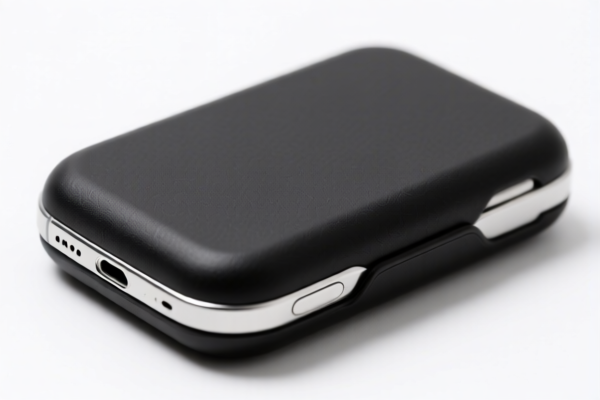
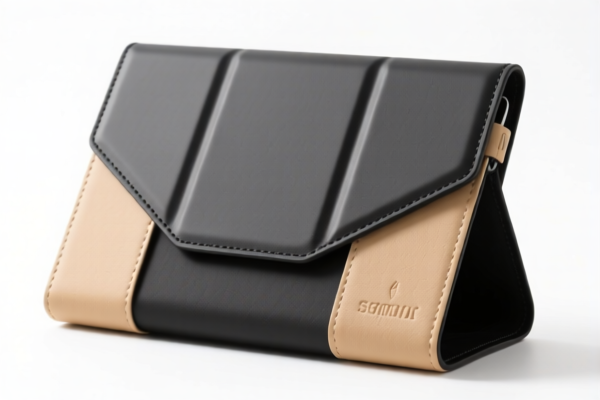
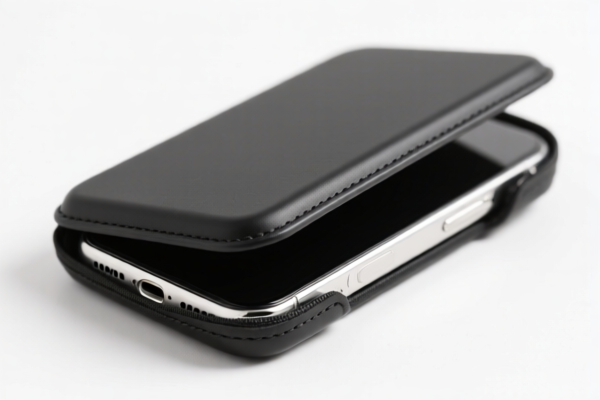
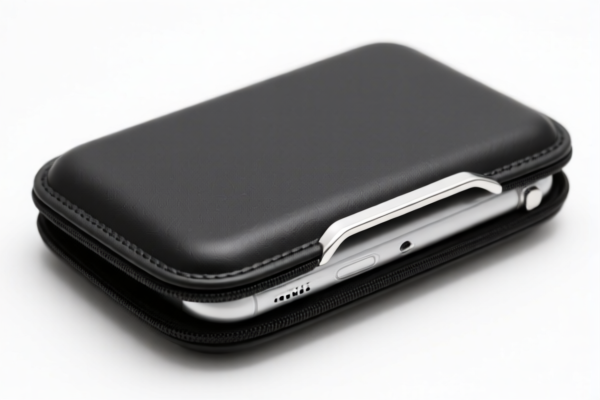
AI Analysis
🔑 Car Key Protective Case (Leather & Synthetic)
🌐 HS Code Reference & Customs Clearance Guide | 2026 Latest Tariff Analysis | Professional Clearance Strategy
📌 I. Product Definition & Classification: Do You Really Understand "Car Key Cases"?
A car key protective case is an accessory designed to safeguard vehicle keys from scratches, wear, and impact. In international trade, classification depends heavily on material composition and form factor. The key distinction lies in whether the item is classified under general leather articles (Chapter 42) or other materials like plastic/synthetic leather (Chapter 39).
Leather Cases: Typically classified under Heading 4202 or 4205, depending on whether they are viewed as "other articles of leather" or "other made-up articles." Synthetic/Plastic Cases: If not clearly defined as leather, they may fall under miscellaneous plastic articles (Heading 3926).
⚠️ Key Distinction Point:
- If made of genuine or processed leather → Chapter 42 (4202/4205)
- If made of plastic, PVC, or synthetic leather without specific leather classification → Chapter 39 (3926)
📦 II. HS Code Classification Details (2026 Latest Tariff Authority Comparison)
| HS Code | Product Description | Application Scenario | Material Type |
|---|---|---|---|
4205.00.80.00 |
Leather car key case; classified as "other leather articles" | General leather key covers; general-purpose leather accessories | ✅ Leather |
4205.00.10.00 |
Leather car key case; "other leather articles" fallback category | Generic leather cases not fitting specific sub-categories | ✅ Leather |
4202.31.30.00 |
Leather car key case; form factor is "key case," material is leather | Specific leather key sleeves; structured key holders | ✅ Leather |
3926.90.99.89 |
Non-specified material car key case; inferred as plastic or synthetic leather | Plastic, PVC, or synthetic leather cases not meeting leather standards | ❌ Non-Leather (Plastic/Synthetic) |
4202.31.60.00 |
Leather car key case; material is leather, form is "case/sleeve" | Structured leather key cases; premium leather goods | ✅ Leather |
🔍 Critical Reminder:
- Leather items generally fall under 4202 (articles of apparel/accessories) or 4205 (other made-up leather articles).
- Plastic/Synthetic items fall under 3926 (other plastic articles).
- Misclassification Risk: Declaring a synthetic case as leather can lead to penalties; declaring a leather case as plastic may result in higher duty rates depending on trade policies.
💰 III. 2026 Latest Tariff Rate Breakdown (Including Additional Taxes & Policy Surcharges)
✅ Applicable Country: United States (US)
✅ Origin: China (CN)
✅ Effective Time: Current tariffs apply (Section 301 & IEEPA)
🎯 1. 4205.00.80.00 & 4205.00.10.00 —— Leather Articles (General)
| Item | Content |
|---|---|
| Base Tariff | 0% (ad valorem) |
| Section 301 Surcharge | +25% |
| IEEPA Surcharge | +10% |
| Total Rate | 35.0% |
| Tax Calculation | CIF Value × 35.0% |
| De Minimis Exemption | ❌ Not Eligible (Denied) |
| Legal Basis Path | USITC:4205.00.80.00 → SECTION301:FOOTNOTE → IEEPA:9903.01.25 |
📌 Explanation:
- Base Tariff (0%): Standard MFN rate for many leather articles.
- Section 301 (25%): Imposed on Chinese goods under trade dispute policies.
- IEEPA (10%): Additional surcharge on specific Chinese imports under emergency economic powers.
- Total (35%): High effective duty rate.
🎯 2. 4202.31.30.00 —— Leather Key Cases (Specific Form)
| Item | Content |
|---|---|
| Base Tariff | 3.7% |
| Section 301 Surcharge | +25% |
| IEEPA Surcharge | +10% |
| Total Rate | 38.7% |
| Tax Calculation | CIF Value × 38.7% |
| De Minimis Exemption | ❌ Not Eligible |
| Legal Basis Path | USITC:4202.31.30.00 → SECTION301 → IEEPA |
📌 Note:
- This code has a non-zero base tariff (3.7%), making the total tax higher than the 0% base codes.
- Applies to structured leather key cases specifically classified under "articles of apparel or accessories."
🎯 3. 4202.31.60.00 —— Leather Key Cases (Structured)
| Item | Content |
|---|---|
| Base Tariff | 8.0% |
| Section 301 Surcharge | +25% |
| IEEPA Surcharge | +10% |
| Total Rate | 43.0% |
| Tax Calculation | CIF Value × 43.0% |
| De Minimis Exemption | ❌ Not Eligible |
| Legal Basis Path | USITC:4202.31.60.00 → SECTION301 → IEEPA |
📌 Caution:
- This is the highest tariff rate among leather options due to the 8.0% base duty.
- Avoid this code unless necessary; opt for4205or4202.31.30if eligible.
🎯 4. 3926.90.99.89 —— Plastic/Synthetic Key Cases
| Item | Content |
|---|---|
| Base Tariff | 5.3% |
| Section 301 Surcharge | +7.5% |
| IEEPA Surcharge | +10% |
| Total Rate | 22.8% |
| Tax Calculation | CIF Value × 22.8% |
| De Minimis Exemption | ❌ Not Eligible |
| Legal Basis Path | USITC:3926.90.99.89 → SECTION301:FOOTNOTE → IEEPA |
📌 Advantage:
- Lowest Total Rate (22.8%) among all options.
- Section 301 Surcharge is only 7.5% (vs. 25% for leather).
- Ideal for synthetic leather, PVC, or plastic key cases.
🛠️ IV. Customs Clearance Practical Advice (Real-World Pitfall Avoidance Guide)
✅ 1. Preparation Checklist (Essential Documents)
| Document | Required | Description |
|---|---|---|
| ✅ Product Specification Sheet | ✔️ | Material composition (leather vs. synthetic), dimensions, weight |
| ✅ Material Certificate | ✔️ | Proof of material type (e.g., tanning documents for leather) |
| ✅ Product Photos | ✔️ | Clear images showing texture, branding, and packaging |
| ✅ Commercial Invoice | ✔️ | Must accurately describe item as "Car Key Case" with material specified |
| ✅ Packing List | ✔️ | Item count, gross/net weight |
| ✅ Origin Certificate | ✔️ | If non-China origin, may qualify for lower tariffs |
✅ 2. Declaration Tips (Key Mnemonics)
🔥 "Leather vs. Plastic: Choose Wisely! Base Rate Dictates Total Cost!"
| Scenario | Correct Declaration | Wrong Practice |
|---|---|---|
| Genuine Leather Case | 4205.00.80.00 or 4202.31.30.00 |
Misdeclare as plastic → Risk of penalty |
| Synthetic/Plastic Case | 3926.90.99.89 |
Misdeclare as leather → Higher tax (35-43%) |
| Mixed Material Case | Declare primary material | Ambiguous description → Customs scrutiny |
| Generic "Key Cover" | Specify material in description | Vague name → Delays in clearance |
✅ 3. Special Handling Scenarios
| Scenario | Recommendation |
|---|---|
| OEM Custom Leather Cases | Provide material certificates to support 4205 classification |
| Synthetic Leather Claims | If not genuine, use 3926.90.99.89 to save ~12% in taxes |
| Mixed Materials (Leather + Metal) | Declare as leather if leather is primary material, but ensure compliance |
| Small Parcels (De Minimis) | ❌ Note: These codes are NOT eligible for de minimis exemption (e.g., $800 threshold). All duties apply. |
🌍 V. Global Market Comparison (2026 Latest)
| Country/Region | Recommended HS Code | Tariff Rate (China Origin) | Certification Requirements | Notes |
|---|---|---|---|---|
| 🇺🇸 United States | 3926.90.99.89 (Synthetic) |
22.8% | None specific | 4205 = 35%, 4202 = 38.7-43% |
| 🇨🇳 China | 4205.00.80.00 |
5-10% | None | Lower base duties |
| 🇪🇺 European Union | 4205.00.80.00 |
4.5-8% | CE (if applicable) | No Section 301/IEEPA |
| 🇬🇧 United Kingdom | 4205.00.80.00 |
4.5% | UKCA (if applicable) | Post-Brexit rules apply |
| 🇨🇦 Canada | 4205.00.80.00 |
0-10% | None | CUSMA may apply |
📌 Conclusion:
- USA imposes high additional tariffs (25% + 10%) on Chinese leather goods.
- Synthetic/plastic cases (3926) are more cost-effective for the US market (22.8% total).
- Leather cases incur higher total costs (35-43%) due to higher base duties and surcharges.
📌 VI. Common Errors & Pitfalls (Lessons Learned)
❌ Error 1: Declaring synthetic leather as "Genuine Leather"
👉 Consequence: Customs may reject declaration, leading to fines or reclassification at higher tax rates.
❌ Error 2: Using "Key Cover" without material specification
👉 Consequence: Customs uncertainty → Delays, additional inspections, potential misclassification.
❌ Error 3: Assuming De Minimis Exemption Applies
👉 Consequence: None of these codes are eligible for de minimis. All duties must be paid.
❌ Error 4: Misclassifying structured leather cases as "other leather articles" incorrectly
👉 Consequence: Incorrect base rate application → Overpayment or underpayment of duties.
✅ Correct Practice:
"Car Key Case, Synthetic Leather, Black, Model XYZ, No De Minimis Exemption, CIF Value $X"
🎯 VII. Conclusion: Professional Declaration Saves Money!
🎯 Remember the Mnemonic:
🔹 "Synthetic Saves: 22.8% vs Leather's 35-43%!
🔹 "Material Matters: Specify Clearly, Avoid Delays!"
🔹 "No De Minimis: Duties Apply to All!"
📌 Pro Tip:
If your product is synthetic or plastic-based, use 3926.90.99.89 to minimize costs in the US market.
For leather goods, consider 4205.00.80.00 for the lowest total tax (35%) among leather options.
📣 Immediate Action:
📞 Consult Customs Brokers + Provide Material Certificates + Select Correct HS Code
🚀 Optimize Costs, Ensure Smooth Clearance, Maximize Profits!
✨ Professional Customs Clearance Starts with Accurate Classification!
💼 Every Percent Saved Counts!
Customer Reviews
About HS Code Classification
The Harmonized System (HS) is an internationally standardized nomenclature developed by the World Customs Organization (WCO) to classify traded products. Over 200 countries use the HS system as the basis for customs tariffs, trade statistics, and import/export regulations.
Each HS code follows a hierarchical structure:
- Chapter (2 digits) — Broad category of goods (e.g., Chapter 84: Machinery and Mechanical Appliances)
- Heading (4 digits) — More specific grouping within the chapter
- Subheading (6 digits) — Internationally standardized breakdown, used by all WCO member countries
- National subdivisions (8-10 digits) — Country-specific extensions for further classification, such as US HTSUS 10-digit codes
Correct HS code classification is essential for smooth customs clearance, accurate duty payment, and compliance with trade regulations. Misclassification can lead to customs delays, overpayment of duties, or penalties.
When importing from CN to US, the applicable tariff rates may include:
- Most-Favored-Nation (MFN) rate — The standard duty rate applied to WTO members
- General rate — Applied to countries without trade agreements
- Trade remedy duties — Additional tariffs such as Section 301 (anti-dumping), Section 232 (national security), or countervailing duties
The information provided on this page is for reference purposes only. For official classification, please consult with your local customs authority or a licensed customs broker.