Car Mini Flip Trash Can
CN → US| HS Code | Tariff Rate | Origin | Destination | Doc |
|---|---|---|---|---|
| 4202999000 | 55.0% | CN | US | Official Doc |
| 7326908688 | 87.9% | CN | US | Official Doc |
| 3926901000 | 20.9% | CN | US | Official Doc |
| 3926909989 | 22.8% | CN | US | Official Doc |
Product Images
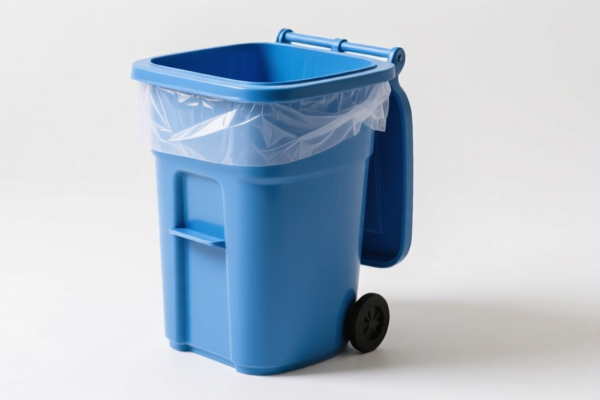
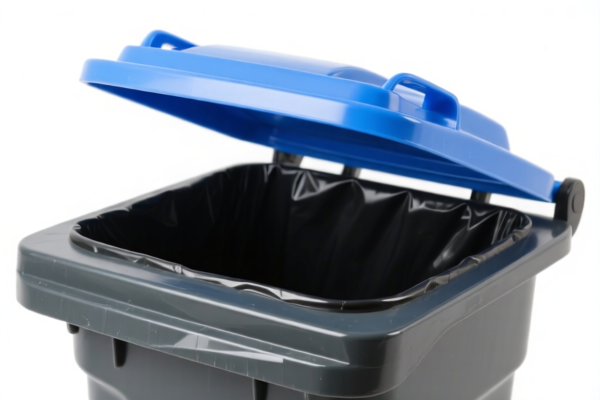
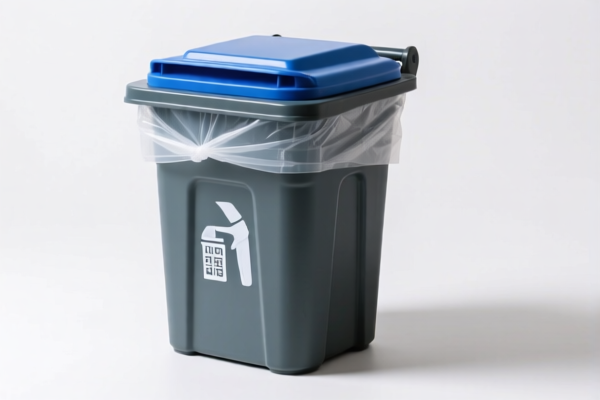
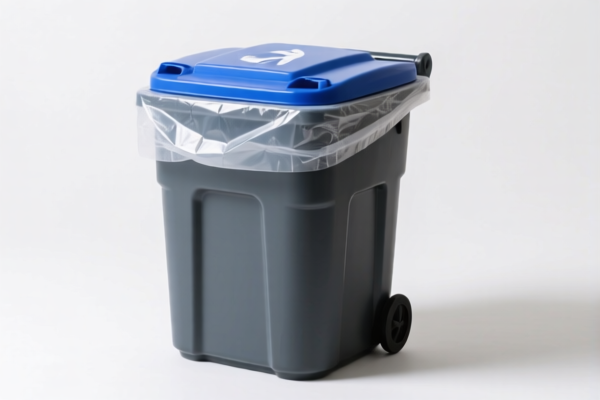
AI Analysis
🚗 Car Mini Flip Trash Can (Automotive Waste Bins)
🌐 HS Code Reference & Customs Clearance Guide | 2026 Latest Tariff Analysis | Professional Compliance Strategy
📌 I. Product Definition & Classification: What exactly is a "Car Mini Flip Trash Can"?
A Car Mini Flip Trash Can is a small, container-style accessory designed for automotive use. It is typically characterized by: 1. Shape: A small bucket, bin, or cube. 2. Mechanism: Often features a "flip" lid (hinged cover) to contain odors and debris. 3. Material: Predominantly Plastic (PP, ABS, PET) due to cost and durability; sometimes Textile/Fabric for interior matching; rarely Metal. 4. Usage: Specifically designed to fit in car cup holders, door pockets, or center consoles.
⚠️ Critical Classification Logic:
- If the product is Plastic → It falls under Chapter 39 (Plastics).
- If the product is Fabric/Textile (e.g., cloth bag with a rigid base) → It falls under Chapter 42 (Articles of Leather; Travel Goods).
- If the product is Metal (Steel/Aluminum) → It falls under Chapter 73 (Iron/Steel Articles).
- Misclassification Risk: Declaring a plastic bin as "metal" triggers heavy steel tariffs; declaring a fabric bin as "plastic" may lead to accuracy disputes but is less critical for tariff than the reverse.
📦 II. HS Code Classification Details (2026 Latest Tariff Reference)
Based on the provided data, here are the four potential HS Codes with their logical justifications:
| HS Code | Product Description | Material/Logic | Key Classification Justification |
|---|---|---|---|
| 3926.90.99.89 | Plastic Other Articles | Plastic | Matches "Other articles of plastics." Fits the common plastic bin form factor. No material conflict. |
| 3926.90.10.00 | Plastic Bins/Containers | Plastic | Matches "Buckets/Barrels" made of plastic. Logical fit for "Trash Can" shape. |
| 4202.99.90.00 | Other Containers/Pouches | Textile/Plastic Mix | Matches "Other containers" if the primary material is textile or if it's considered a general travel/vehicle accessory container. |
| 7326.90.86.88 | Other Iron/Steel Articles | Metal | Matches "Other articles of iron/steel." Only applicable if the trash can is explicitly made of metal (e.g., stainless steel cup). |
🔍 Key Distinction:
- Plastic is the most common material for this product. Codes3926.90.xxxxare the most likely candidates. - Code3926.90.10.00is specific to "Buckets/Barrels," making it a strong fit for a rigid trash can. - Code3926.90.99.89is a broader "Other" category for plastics, often used when3926.90.10.00doesn't precisely fit the specific sub-category definitions. - Code7326.90.86.88carries the highest tax burden due to steel/aluminum tariffs. Only use if the product is visibly metallic.
💰 III. 2026 Latest Tariff Rate Breakdown (Including Surtaxes)
✅ Applicable Country: United States (US)
✅ Origin: China (CN)
✅ Effective Date: 2025/2026 Import Terms
🎯 1. 3926.90.10.00 – Plastic Bins/Containers (Most Likely for Rigid Bins)
| Item | Content |
|---|---|
| Base Tariff | 3.4% |
| Section 301 Surtax | +7.5% |
| IEEPA Surcharge | +10% |
| Total Tax Rate | 20.9% |
| Tax Calculation | CIF Value × 20.9% |
| De Minimis Eligibility | ❌ No (Standard 301 rules apply) |
📌 Explanation:
- Base Rate (3.4%): Standard MFN rate for plastic articles. - Section 301 (7.5%): Specific surcharge for plastic articles under this subheading. - IEEPA (10%): General surcharge for Chinese goods under the International Emergency Economic Powers Act. - Total: 20.9% – This is a moderate tariff, significantly lower than metal products.
🎯 2. 3926.90.99.89 – Plastic Other Articles (Broader Category)
| Item | Content |
|---|---|
| Base Tariff | 5.3% |
| Section 301 Surtax | +7.5% |
| IEEPA Surcharge | +10% |
| Total Tax Rate | 22.8% |
| Tax Calculation | CIF Value × 22.8% |
| De Minimis Eligibility | ❌ No |
📌 Explanation:
- Base Rate (5.3%): Slightly higher than the specific "bin" code. - Surtaxes: Same 7.5% + 10% structure. - Total: 22.8% – Very close to3926.90.10.00. Choose based on precise customs broker preference. If the bin is not strictly a "bucket," this code is safer.
🎯 3. 4202.99.90.00 – Other Containers/Textile-Based
| Item | Content |
|---|---|
| Base Tariff | 20.0% |
| Section 301 Surtax | +25.0% |
| IEEPA Surcharge | +10% |
| Total Tax Rate | 55.0% |
| Tax Calculation | CIF Value × 55.0% |
| De Minimis Eligibility | ❌ No |
📌 Explanation:
- Base Rate (20.0%): High base rate for textile/leather goods. - Section 301 (25.0%): Standard high surcharge for many textile/accessory categories. - Total: 55.0% – Extremely High. Avoid this code unless the product is primarily made of fabric/textile (e.g., a cloth car trash bag). For plastic bins, this is a costly mistake.
🎯 4. 7326.90.86.88 – Metal/Iron/Steel Articles
| Item | Content |
|---|---|
| Base Tariff | 2.9% |
| Section 301 Surtax | +25.0% |
| IEEPA Surcharge | +10% |
| Steel/Aluminum Surtax | +50% |
| Total Tax Rate | 87.9% |
| Tax Calculation | CIF Value × 87.9% |
| De Minimis Eligibility | ❌ No |
📌 Explanation:
- Base Rate (2.9%): Low base rate for steel. - Section 301 (25.0%): Standard surcharge. - IEEPA (10%): Standard surcharge. - Steel/Aluminum Surtax (50%): Critical Penalty. Under Section 232 and related authorities, steel/aluminum imports face massive additional tariffs. - Total: 87.9% – Prohibitive. Only use if the product is 100% metal. For plastic/metal hybrids, customs may still classify as steel, triggering the 50%. Avoid this code for plastic trash cans.
🛠️ IV. Customs Clearance Practical Advice (Pitfall Avoidance)
✅ 1. Essential Documentation Checklist
| Document | Required | Note |
|---|---|---|
| ✅ Product Specification | ✔️ | Clearly state: Material (Plastic PP/ABS), Dimensions, Weight. |
| ✅ Product Photos | ✔️ | Show the "flip" mechanism, interior, and overall shape. Prove it is NOT metal. |
| ✅ Commercial Invoice | ✔️ | Description: "Plastic Car Trash Can, Model XYZ." Do NOT write "Metal Bin." |
| ✅ Bill of Lading | ✔️ | Ensure weight and dimensions match the invoice. |
| ✅ Material Declaration | ✔️ | If composite, declare the primary material (usually plastic). |
✅ 2. Declaration Strategy (Key Mantras)
🔥 "Plastic is King, Metal is Death. Be Specific!"
| Scenario | Correct Declaration | Incorrect Declaration | Consequence |
|---|---|---|---|
| Standard Plastic Bin | 3926.90.10.00 or 3926.90.99.89 |
7326.90.86.88 |
Tax jumps from 21% to 88%! |
| Fabric Liner Bin | 4202.99.90.00 |
3926.90.10.00 |
Minor discrepancy, but 55% tax is high. Ensure material is primarily textile. |
| Hybrid (Plastic + Metal Lid) | Declare as Plastic if plastic is >50% by value/weight | Declare as Metal | Risk of being classified as metal (87.9%). Justify plastic dominance. |
✅ 3. Special Handling Tips
| Situation | Advice |
|---|---|
| Mixed Material (Plastic Body, Metal Hinge) | Declare as Plastic (3926). Provide proof that plastic constitutes the main body/value. Metal parts are minor accessories. |
| Customs Audits | Have a material test report (FTIR test) ready to prove it is plastic, not steel. |
| Optimization | Between 3926.90.10.00 (20.9%) and 3926.90.99.89 (22.8%), prefer 3926.90.10.00 if it qualifies as a "bin/container." It saves 1.9% tax. |
🌍 V. Global Market Comparison (2026)
| Market | Recommended HS Code | Est. Total Tax (China Origin) | Notes |
|---|---|---|---|
| 🇺🇸 USA | 3926.90.10.00 |
20.9% | Heavy 301 + IEEPA taxes. |
| 🇨🇳 China (Import) | 3926.90.10.00 |
~6-10% | Lower base duties, no 301/IEEPA. |
| 🇪🇺 EU | 3926.90.99 |
~4-6.5% | No Section 301 tariffs. |
| 🇬🇧 UK | 3926.90.99 |
~4-6.5% | Post-Brexit tariff structure. |
📌 Conclusion:
- USA is the most expensive market due to Section 301 and IEEPA.
- Plastic classification is key to keeping taxes under 21%.
- Metal classification is a financial disaster (87.9%).
📌 VI. Common Errors & Pitfalls (Lessons Learned)
❌ Error 1: Declaring a plastic bin as "Metal Waste Bin"
👉 Result: 87.9% tax instead of 20.9%. Loss of 67% in cost.
❌ Error 2: Using vague terms like "Car Accessory" without material specification
👉 Result: Customs may classify under the highest duty basket or demand detailed breakdown, causing delays.
❌ Error 3: Assuming "Flip Lid" makes it a mechanical device
👉 Result: Incorrectly classifying under Chapter 84 (Machinery). A simple flip lid is part of the container structure, not a machine.
❌ Error 4: Ignoring the IEEPA 10% surcharge
👉 Result: Underestimating landed cost by 10%. Always add IEEPA to 301 + Base.
✅ Correct Practice:
"Plastic Car Trash Can, 500ml, with Flip Lid, Model XYZ. Material: 100% Polypropylene (PP)."
🎯 VII. Conclusion: Precision Saves Money!
🎯 Remember the Mantra:
🔹 "Plastic Bin: 21% is Best. Metal Bin: 88% is the Test. Fabric Bin: 55% is a Mess."
🔹 "Specify Material: Plastic is Your Friend. Steel is Your Enemy."
📌 Pro Tip:
If your trash can has both plastic and metal parts, ensure the plastic content by value is >50%. Submit a BOM (Bill of Materials) and Product Photos to customs brokers to support a 3926 classification.
📣 Immediate Action:
📞 Contact your customs broker with the exact material breakdown.
📝 Mark your invoice as "Plastic Car Trash Can."
🚀 Avoid the 87.9% metal tax trap!
✨ Professional Clearance, Starts with Accurate Classification!
💼 Every 1% of tax saved is 1% more profit!
Customer Reviews
About HS Code Classification
The Harmonized System (HS) is an internationally standardized nomenclature developed by the World Customs Organization (WCO) to classify traded products. Over 200 countries use the HS system as the basis for customs tariffs, trade statistics, and import/export regulations.
Each HS code follows a hierarchical structure:
- Chapter (2 digits) — Broad category of goods (e.g., Chapter 84: Machinery and Mechanical Appliances)
- Heading (4 digits) — More specific grouping within the chapter
- Subheading (6 digits) — Internationally standardized breakdown, used by all WCO member countries
- National subdivisions (8-10 digits) — Country-specific extensions for further classification, such as US HTSUS 10-digit codes
Correct HS code classification is essential for smooth customs clearance, accurate duty payment, and compliance with trade regulations. Misclassification can lead to customs delays, overpayment of duties, or penalties.
When importing from CN to US, the applicable tariff rates may include:
- Most-Favored-Nation (MFN) rate — The standard duty rate applied to WTO members
- General rate — Applied to countries without trade agreements
- Trade remedy duties — Additional tariffs such as Section 301 (anti-dumping), Section 232 (national security), or countervailing duties
The information provided on this page is for reference purposes only. For official classification, please consult with your local customs authority or a licensed customs broker.